
 Tiếng Việt

In this article, we will explore the topic in full, from the basic definition of “what is fortified wine” to its unique production methods, famous wine styles and the best ways to enjoy it. Whether you are a beginner or already have some experience, this article will give you an insightful and easy-to-understand overview of one of the most captivating wine styles in the world.
1. What Is Fortified Wine?
To better understand the diverse world of wine, we first need to grasp the most basic concept: what is fortified wine?

Fortified wine is a type of wine that has had a distilled spirit added to it during production, usually brandy. This process is called “fortifying”, and its purpose is to raise the alcohol content of the wine to a higher level, usually around 15% to 22%. This is much higher than regular wines, which usually range from 9% to 14%.
Adding distilled spirit not only increases alcohol content but also creates major differences in flavor, structure and aging potential. Fortified wine is the result of a combination between practical necessity and refined fermentation artistry.
History and origin
In the 16th and 17th centuries, during the age of long sea voyages, transporting wine across oceans was a major challenge because wine often oxidized and spoiled. To solve this problem, merchants added a small amount of distilled spirit to wine barrels before shipping. This method helped stabilize the wine, prevent bacteria and protect it from oxygen exposure, allowing it to maintain quality throughout long journeys.
Today, even though many modern preservation methods exist, the fortification technique has continued because people realized that this process accidentally created complex, unique and highly appealing flavors, turning a practical solution into a celebrated art form.
2. Spirits Added to Fortified Wine
The type of spirit chosen for fortification plays an important role in shaping the final flavor.
Brandy, a spirit distilled from grapes, is the most popular and traditional choice, especially in the production of Port and Sherry. Using a spirit derived from grapes helps create harmony in flavor.
In addition, some producers may use neutral spirits distilled from grains or sugar beets. These spirits do not carry much flavor of their own, so they simply increase alcohol content without interfering with the original flavor of the base wine.
3. Fortified Wine Production Methods
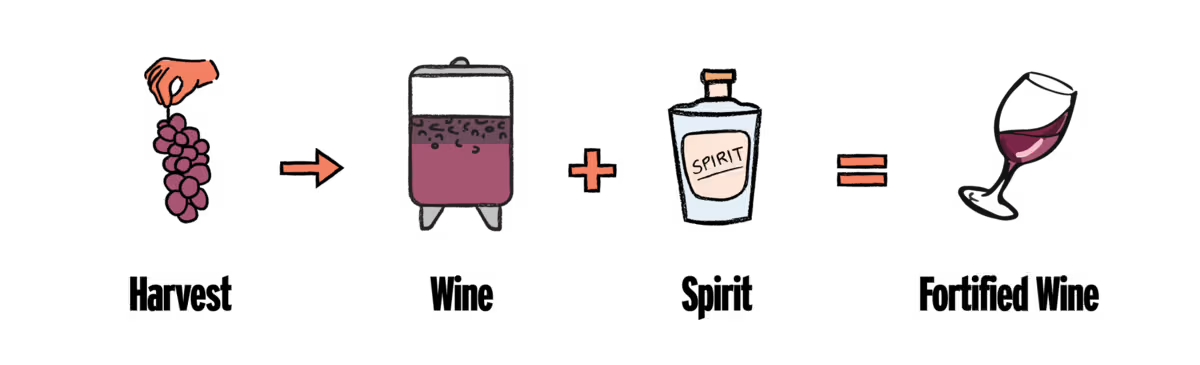
The timing of fortification is a key factor, but the aging methods afterward are where the art of fortified wine truly shines. After fortification, the wine enters the aging stage through two main paths:
- Oxidative aging: The wine is aged in oak barrels that are not filled completely, allowing oxygen to slowly come into contact with the wine. This process changes the wine’s color and develops complex flavor layers of nuts, caramel and dried fruit. Tawny Port is a typical example.
- Reductive aging: The wine is aged in large containers that are kept full to minimize oxygen exposure. This method helps preserve the wine’s bright color and original fruit flavors. Ruby Port is a classic example.
4. The Most Famous Fortified Wines in the World
The following four names are considered the “giants” of the fortified wine world. Each carries its own story and identity.
4.1 Port
Port is the jewel of Portugal’s Douro Valley and is perhaps the most famous fortified wine style. Made from native grape varieties such as Touriga Franca, Touriga Nacional and Tinta Roriz, Port is always fortified during fermentation, so it is always sweet.
- Ruby Port: The most common style, with a deep ruby color and fresh fruit flavors of raspberry and cherry. It is aged in large barrels to preserve its youthful character. Higher-quality versions include Reserve and Late Bottled Vintage, LBV.
- Tawny Port: Aged oxidatively in small oak barrels, Tawny Port has a golden-brown color and complex flavors of caramel, hazelnut, cinnamon and dried fruit. Tawny bottles often show the average age on the label, such as 10, 20, 30 or 40 years.
- Vintage Port: This is the pinnacle of Port wine, produced only in exceptional vintages. The wine is aged for only 2 years in barrel, then bottled and continues to develop in bottle for decades, creating wonderful complexity and depth.

4.2 Sherry
Coming from Andalusia in southern Spain, Sherry is an incredibly diverse fortified wine style. It is fortified after fermentation is complete, so the base wine is always dry. Sweetness, if any, is added later.
- Fino and Manzanilla: These are the driest and lightest styles, aged under a layer of flor yeast. The wine has a pale yellow color, with fresh, sharp flavors of almond, herbs and a salty sea breeze note.
- Amontillado: A complex style that begins aging like Fino under flor, then the flor dies and the wine continues aging oxidatively. The result is an amber-colored wine that combines the freshness of Fino with the richness of roasted nuts.
- Oloroso: Aged oxidatively from the beginning, without flor. This is a dry, rich and powerful wine with a dark brown color and flavors of walnut, leather and spice.
- Pedro Ximénez, PX: An extremely sweet dessert wine, thick like syrup, made from PX grapes dried under the sun. The wine has intense flavors of raisins, figs and molasses.
4.3 Madeira
This “immortal” wine comes from the Portuguese island of the same name. Characterized by the Estufagem heating process, Madeira has high acidity and an almost limitless lifespan, even after opening. Madeira styles are often named after noble grape varieties:
- Sercial: The driest style, with high acidity, used as an aperitif.
- Verdelho: Medium-dry, with smoky and honeyed flavors.
- Bual: Medium-rich, with caramel and dried fruit notes.
- Malmsey, Malvasia: The sweetest and richest style, with coffee and vanilla aromas.
4.4 Marsala
The pride of Sicily, Italy, Marsala is a versatile wine used both for drinking and as an essential ingredient in cooking. It is classified based on 3 criteria:
- Color: Oro, gold; Ambra, amber; and Rubino, ruby red.
- Sweetness: Secco, dry; Semisecco, semi-sweet; and Dolce, sweet.
- Aging time: Fine, minimum 1 year; Superiore, 2 years; Superiore Riserva, 4 years; Vergine, 5 years; and Vergine Stravecchio, 10 years or more.

5. How to Enjoy Fortified Wine
To fully experience the complexity of fortified wine, proper serving is very important.
- Serving temperature: Lighter styles such as Fino Sherry and White Port should be served chilled, around 6-10°C. Richer styles such as Tawny Port and Oloroso Sherry only need to be slightly chilled, around 12-18°C.
- Glassware: Because of the higher alcohol content, fortified wines are usually served in smaller glasses than regular wine glasses, with a serving size of about 85-90ml.
- Decanting: Most fortified wines are ready to drink immediately. The biggest exception is Vintage Port, which must be decanted to separate the clear wine from the thick sediment formed in the bottle.
6. Guide to Storing Fortified Wine
One of the biggest advantages of fortified wine is its excellent storage ability.
Before opening
Store fortified wine in a dark, cool place with a stable temperature, around 11-15°C. Most bottles, except Vintage Port, should be stored upright to prevent the high alcohol content from corroding the cork. Vintage Port, on the other hand, should be stored horizontally.
After opening
Fortified wine keeps its quality much longer than regular wine after opening. The golden rule is: the more oxygen exposure a wine has during production, the more durable it will be after opening.
- Most durable, from several weeks to several months: Madeira and Marsala are almost unaffected and can last for months.
- Tawny Port and oxidatively aged Sherry styles such as Oloroso are also very durable and can keep their quality for several weeks to several months when stored in the refrigerator.
- Less durable, from a few days to one week: Vintage Port should be enjoyed within a few days.
- Fino and Manzanilla Sherry should be treated like white wine and finished within one week. Always seal tightly and keep refrigerated.
Note: To optimize storage time, always seal the bottle tightly and keep it in the refrigerator to slow oxidation.
Final Thoughts,
From a practical solution, fortified wine has developed into a refined art form in the wine world. Each style, from Port and Sherry to Madeira and Marsala, tells its own story about history, land and unique winemaking craft. Although once seen as old-fashioned, fortified wine is making a strong comeback and is increasingly appreciated for its complexity, diverse food-pairing potential and excellent value. Hopefully, through this article, you now understand what fortified wine is, its outstanding characteristics and how to recognize, enjoy and store it properly. Begin your journey into the world of fortified wine and enjoy unforgettable flavor experiences.