
 Tiếng Việt

Discover 3 delicious ways to mix wine with fruit: Sangria, Mimosa and Mulled Wine. Detailed, easy-to-follow recipes suitable for every occasion.
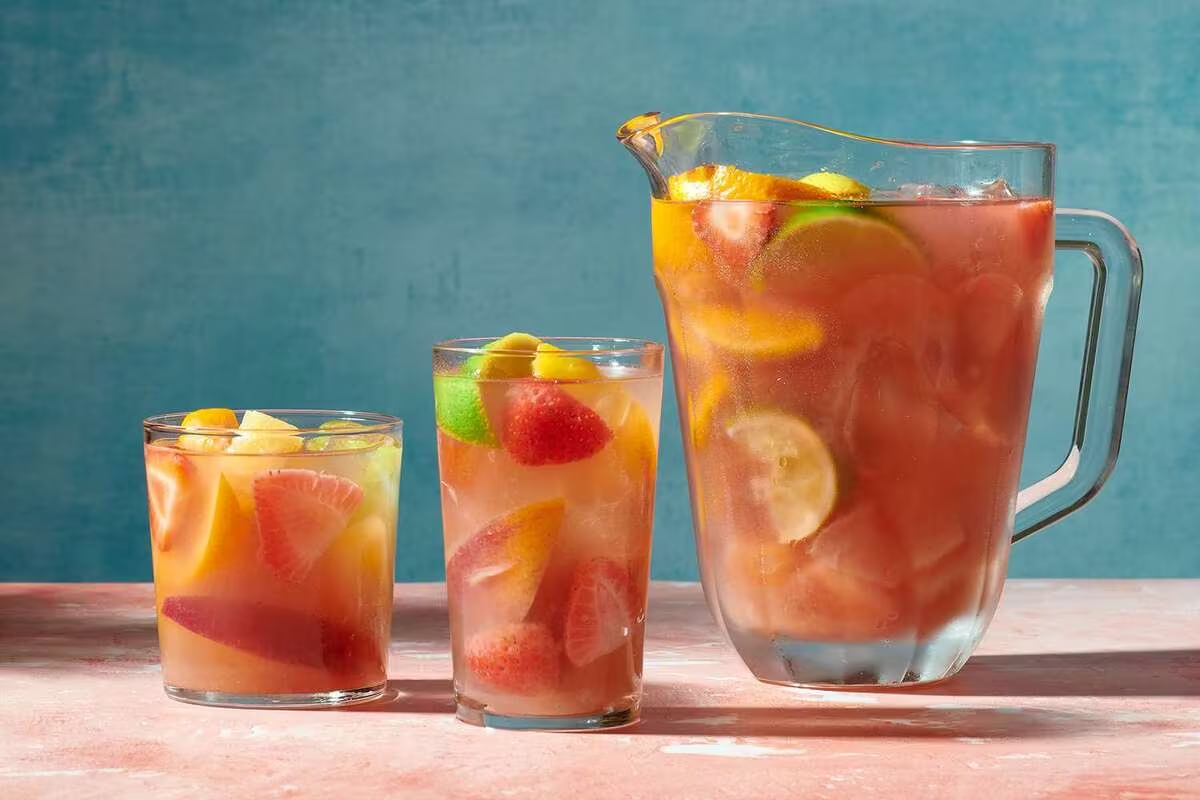
1. What Is Fruit Wine?
First, we need to clarify the term a little. When talking about “fruit wine”, many people may confuse it with wine fermented entirely from fruits other than grapes, such as strawberry wine, plum wine or apple wine.
However, in this article, fruit wine, also known as a wine cocktail or infused wine, refers to a mixed drink. Its main ingredient is wine made from grapes, combined, infused or mixed with fresh fruits, juices and sometimes a little spirit, such as Brandy, or sweetener, such as sugar, honey or syrup.
Simply put, this is a way to transform regular wine into a new drink that is more refreshing, lighter and richer in flavor. This combination helps reduce alcohol intensity and the astringency of wine while highlighting fruity aroma layers, creating a fresh tasting experience. It is no surprise that ways to mix wine with fruit are becoming increasingly popular at summer parties, picnics and relaxing brunches.
2. Why Is Fruit Wine So Appealing?
It is no coincidence that Sangria, Mimosa and Mulled Wine have become timeless names in the world of drinks. Their appeal comes from a combination of many factors that even beginners can easily appreciate.
2.1. Simple and Easy Recipes
This is the main reason fruit wine wins so many hearts. You do not need to be a professional bartender, nor do you need complicated tools. A knife, cutting board and large pitcher are enough.
- Easy-to-find ingredients: Wine, fruits such as orange, lemon, apple and strawberry, sweeteners such as sugar or honey, and ice cubes are all available at supermarkets.
- No advanced technique required: Just cut, mix, infuse and enjoy.
- Easy to adjust to your taste: Like it sweeter? Add syrup. Prefer more acidity? Add lemon. Want it more refreshing? Add soda.
2.2. Impressive and Diverse Flavors
If a bottle of wine alone offers the signature flavors of its grape variety and terroir, fruit wine is a “symphony” of flavors.
- Perfect balance: The bright acidity of orange and lemon balances sweetness. The sweetness of apple, pear or strawberry softens the tannins of red wine. Everything blends together into a drink that is easy to enjoy, refreshing and not harsh.
- Endless customization: You decide the flavor. Want it sweet? Add a little syrup. Want it warm and aromatic? Add a cinnamon stick or a few cloves. Want it refreshing? Add soda or sparkling wine. Every combination opens up a new experience, keeping things exciting.
2.3. Better for Health When Enjoyed Moderately
Of course, this is still an alcoholic drink, so moderation always comes first. However, compared with many cocktails made with spirits and artificial syrups, fruit wine can be seen as a lighter and more natural choice.
- Benefits from wine: Wine, especially red wine, contains resveratrol and antioxidants, which are known to support heart health when consumed in moderate amounts.
- Vitamins and fiber from fresh fruit: Instead of using industrial syrup, you are adding vitamins, especially vitamin C from citrus fruits, and fiber directly from fresh fruit.
- Lower alcohol intensity: Adding juice, soda and ice dilutes the alcohol level, making the drink gentler, easier to enjoy and better for staying alert.
3. 3 Excellent Fruit Wine Recipes
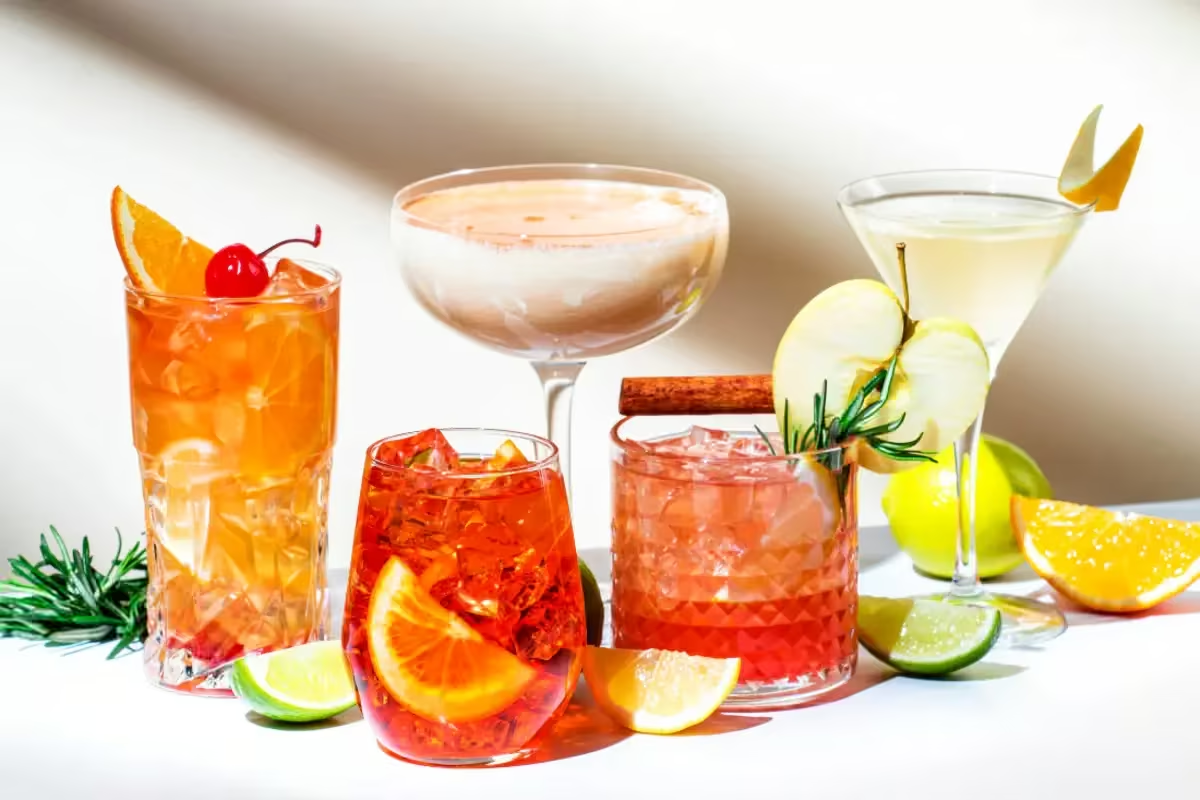
Below are 3 classic recipes representing 3 different drinking styles: festive Sangria, elegant Mimosa and cozy Mulled Wine.
3.1. Sangria
Sangria is the star of every summer party. Originally from Spain, this drink symbolizes joy, sharing and refreshment.
Signature feature: Red wine infused with citrus fruits and apples, often with a little Brandy added for more depth.
🍷 Wine choice: Use dry red wine with bold fruit flavors but not too much tannin. Ideal choices include:
- Tempranillo, the traditional Spanish choice.
- Garnacha or Grenache.
- Young, affordable Merlot or Cabernet Sauvignon can also work well.
🍊 Ingredients, for one large 1.5L pitcher:
- 1 bottle of red wine, 750ml.
- 1 orange, sliced into rounds.
- 1 lemon, sliced into rounds.
- 1 apple, green or red, diced.
- 1 pear, optional, diced.
- 60ml, about 2 shots, of Brandy, optional but recommended.
- 50-100ml sugar syrup or honey, depending on desired sweetness.
- 300ml unsweetened soda or orange juice, added when serving.
- Ice cubes.
🥄 Tools:
- Large glass pitcher.
- Long stirring spoon.
- Knife and cutting board.
🍹 Instructions:
- Prepare the fruit: Wash the orange, lemon, apple and pear. Keep the citrus peel on to capture the aromatic oils, then cut the orange and lemon into thin round slices. Peel the apple and pear if preferred, remove the cores and dice them.
- First infusion: Place all the cut fruit into a large pitcher. Add Brandy and sugar syrup or honey. Stir gently so the sweetener dissolves and the fruit absorbs the mixture.
- Second infusion: Slowly pour the red wine into the pitcher. Stir again.
- Chill: Cover the pitcher and refrigerate for at least 2 hours, ideally 4 hours or overnight. This allows the citrus oils and fruit flavors to fully blend into the wine.
- Serve: When ready to drink, pour Sangria into glasses. At this point, you can add soda or orange juice directly into the pitcher to lighten it and create a gentle fizz. Add ice cubes to each glass, not the whole pitcher, to avoid diluting the Sangria.
📌 Small tip: Never add ice to the infusion pitcher. Chill Sangria in the refrigerator and only add ice to each glass when serving.
3.2. Mimosa
If Sangria is for the evening, Mimosa is the queen of brunch. Simple, refined and sparkling, Mimosa is the definition of approachable elegance.
Signature feature: A combination of only 2 main ingredients: sparkling wine and fresh orange juice.
🍷 Wine choice: You need dry sparkling wine, labeled Dry or Brut, to balance the sweetness of orange juice.
- Champagne, if you want to go all out.
- Prosecco from Italy, the most popular choice with fresh fruity aromas.
- Cava from Spain, good value and crisp in style.
🍊 Ingredients, for 1 glass:
- 75ml sparkling wine, such as Prosecco or Cava.
- 75ml fresh orange juice.
- Optional: 1 small orange slice or orange twist for garnish.
🥄 Tools:
- Champagne flute.
- Citrus juicer.
🍹 Instructions:
- Chill: Both the sparkling wine and orange juice must be thoroughly chilled in the refrigerator or an ice bucket before mixing. Mimosa is not served with ice.
- Golden ratio: The traditional ratio is 1:1, wine to orange juice. However, you can adjust it to taste, for example 1:2, orange juice to wine, if you want a stronger drink.
- Pouring order: Tilt the Champagne flute at a 45-degree angle. Pour the sparkling wine first.
- Add orange juice: Slowly pour in the fresh orange juice afterward. Pouring wine first helps preserve the bubbles and prevents overflowing foam when the two liquids meet.
- Do not stir: Never use a spoon to stir. The bubbles in the sparkling wine will naturally blend the two ingredients. Stirring will make the precious bubbles disappear.
- Garnish: Place a small orange slice on the rim and enjoy immediately.
📌 Small tip: Use freshly squeezed orange juice. Packaged orange juice is often too sweet and has an industrial taste that can ruin the elegance of Mimosa.

3.3. Mulled Wine
When the weather turns cold, nothing feels better than a glass of Mulled Wine. This is a way to mix wine with fruit and spices, then gently warm it up for an instantly cozy and relaxing drink.
Signature feature: Red wine simmered gently with orange, cinnamon, star anise, cloves and sweetener.
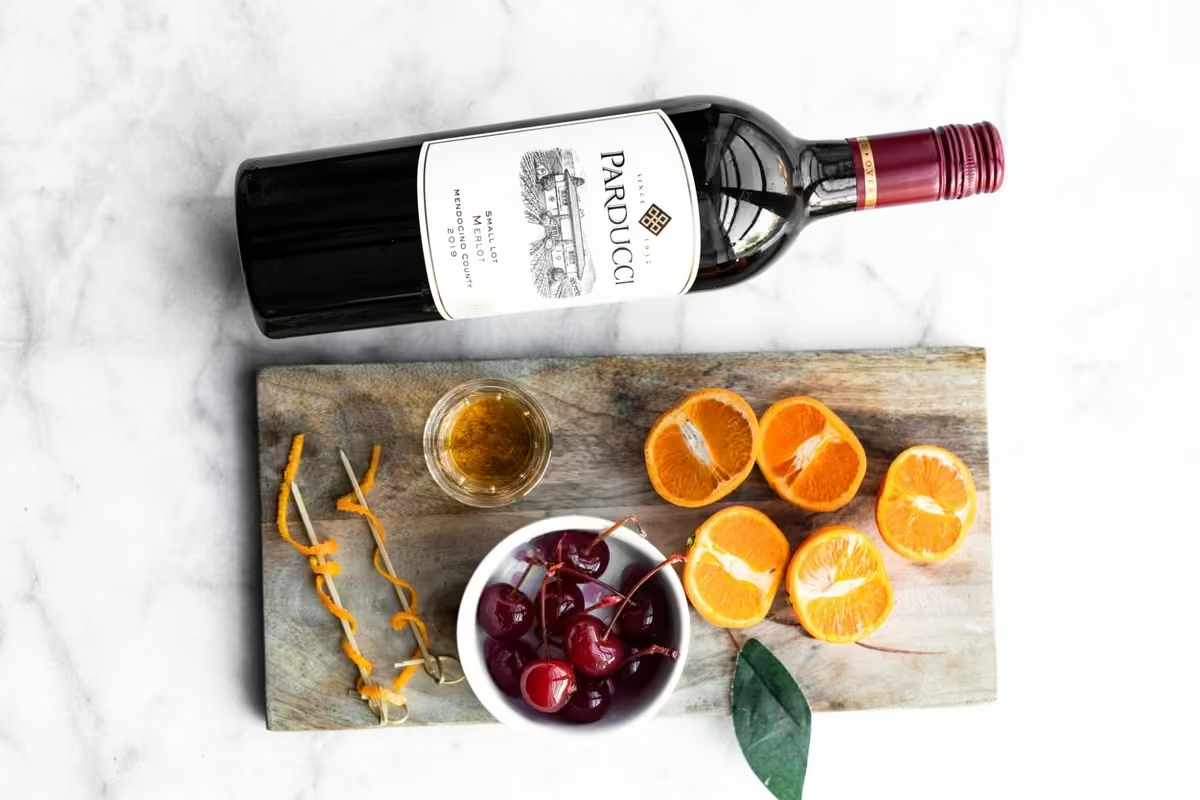
🍷 Wine choice: Similar to Sangria, choose a bold and fruit-forward red wine. Since spices and sugar will be added, there is no need to use an expensive bottle.
Merlot, Cabernet Sauvignon or Zinfandel are excellent choices.
🍊 Ingredients, for 1 small pot:
- 1 bottle of red wine, 750ml.
- 1 orange, half juiced and half sliced.
- 4-6 cinnamon sticks.
- 6-8 cloves.
- 2-3 star anise.
- A little nutmeg peel or powder, if available.
- 70-100g brown sugar, or honey or maple syrup.
- Optional: 50ml Brandy or Rum for extra strength.
🥄 Tools:
- Pot, preferably with a thick base.
- Strainer, if needed.
- Heat-resistant glasses.
🍹 Instructions:
- Prepare: Add all spices, including cinnamon, star anise and cloves, along with sugar, juice from half the orange and the remaining orange slices into the pot.
- Make the spice syrup base: Pour about 150ml of wine into the pot. Place it over medium heat and stir until the sugar fully dissolves, creating an aromatic spice syrup.
- Add the wine: Once the syrup gently simmers, lower the heat to the lowest setting. Now pour in the remaining red wine.
- Simmer gently: Simmer at low temperature for about 20-30 minutes so the spices infuse into the wine. NEVER LET THE WINE BOIL VIGOROUSLY. If the wine boils, the alcohol will evaporate and the flavor will become harsh.
- Adjust flavor: After 20 minutes, taste it. If it is not sweet enough, add more sugar or honey. If you want it stronger, add Brandy or Rum at this stage.
- Serve: Turn off the heat. Ladle the wine into heat-resistant glasses. You can strain out the spices, or serve it directly with orange slices, cinnamon and star anise for decoration.
📌 Small tip: If the wine accidentally gets too hot, do not worry. Turn off the heat immediately, cover the pot and let it rest for 5-10 minutes. The flavor will soften.

4. Important Notes When Mixing Wine with Fruit
To make your cocktail perfect, keep these expert tips in mind:
- Wine quality: It does not need to be expensive. It only needs to be a wine you enjoy drinking on its own.
- Fruit freshness: Fresh fruit is always the best choice. Avoid canned fruit, because it is soaked in sugar, and avoid packaged juice unless absolutely necessary.
- Infusion time: For drinks such as Sangria, time is your friend. 2-4 hours is the minimum. Infusing too long, more than 24 hours, may make orange and lemon peels release bitterness, while the fruit becomes mushy.
- Flavor balance: Always taste before serving. Mixing drinks is the art of balance. If it is too sweet, add a little lemon juice. If it is too sour or tannic, add a little simple syrup, made from dissolved sugar and water.
- How to use ice: Add ice only to the glass right before drinking. Never add ice to a large pitcher, such as Sangria, because it will melt quickly and dilute the entire batch.
Final Thoughts,
Mixing wine with fruit is not a rigid formula. It is a fun creative journey. It is a way to personalize your bottle of wine and turn it into a unique drink suitable for every occasion, from lively parties and relaxing brunches to cozy winter nights.
With the 3 foolproof recipes above, hopefully you now feel confident enough to begin. Do not hesitate to experiment, change the fruits according to the season and adjust the spices to your own taste. The key to a delicious fruit wine cocktail is the joy of making it yourself.
Wishing you success and many refreshing cocktails.