


 Tiếng Việt
Wine carafe – this term is probably no longer unfamiliar to wine lovers. But do you truly understand it? When should you use a wine carafe? And is the process of letting wine “breathe”, carafer, the same as “separating sediment”, decanter? Many questions around this topic can make people feel confused. To answer all your questions and help you feel more confident when enjoying wine, let us explore everything you need to know about wine carafes in the article below.
1. What Does a Wine Carafe Do?

As the name suggests, a wine carafe is designed to support the wine “breathing” process, meaning it helps the wine come into contact with oxygen. This process softens tannins, releases complex aroma layers and elevates the tasting experience. Usually, a wine carafe has a wide base and a narrow neck. This design creates ideal conditions for aromas to gradually open up. At the same time, the wide base helps the wine maximize contact with air, spreading evenly and ensuring tannins are distributed harmoniously.
After the wine has absorbed enough oxygen, it will fully express its refined aroma layers. That is the ideal moment to enjoy it. Wines with powerful structure, bold flavors or a touch of oak influence are usually the most suitable for this “breathing” process.
Note: Many people often confuse a wine carafe with a decanter when using them. Although they have similarities in design, they actually have certain differences in function.
- A wine carafe mainly helps wine “breathe”, supports better oxidation and softens the taste.
- A decanter is mainly designed to separate wine from sediment in aged bottles, serving a specific purpose in the wine tasting process.
>> Learn more: What is a decanter? When should you use a decanter?
2. How Many Types of Wine Carafes Are There?
Today, wine carafes are classified according to many criteria, from design and material to operating principle. Below are the three most common types:
Traditional Wine Carafe
Made mainly from glass or crystal, this type allows wine to come into contact with air naturally thanks to its large contact surface. Although the breathing time is quite long, usually from 30 minutes to several hours, the effect is highly worthwhile. It comes in various shapes and sizes, suitable for many different wines, especially aged red wines. A crystal wine carafe is an ideal choice for tannic red wines, helping elevate the tasting experience.
Modern Wine Carafe
This type uses an air vortex mechanism to accelerate the oxidation process. This style of wine carafe is very suitable for young wines. After only a few minutes, you can clearly notice the flavor change. In addition, it is easy to clean and convenient for busy users. However, its ability to “awaken” complex flavor layers may not match that of a traditional carafe when used with more sophisticated wines.
Electronic Wine Carafe
This type applies ultrasonic technology and electronic control systems to create tiny air bubbles, enhancing the oxidation process with precision. Users can set the timing and adjust the oxidation level according to each wine type. Although convenient and professional, this product line is more expensive and depends on a power source.
In addition to classification by technology, wine carafes also come in many shapes, such as classic designs, swan-shaped designs, U-shaped designs, bell-shaped carafes, models with filters, snail-shaped carafes and more. Each type has its own advantages, meeting different tasting needs, from collecting and hosting guests to using at elegant parties.
3. How Long Should Different Wines Breathe?
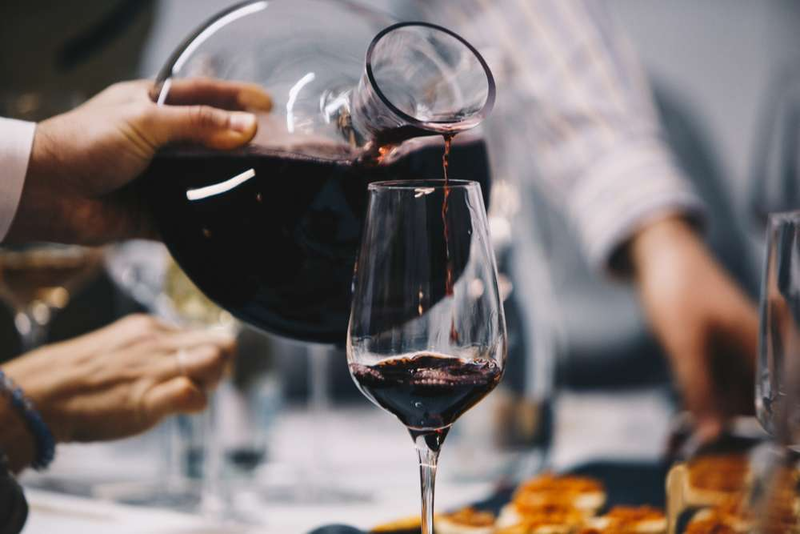
Not all wines need the same breathing time. The time needed in a wine carafe depends on the wine’s age, structure and style. Letting wine breathe properly helps maximize flavor and soften tannins – this is also one of the key benefits of a wine carafe.
Breathing Time for Red Wine
Red wine usually needs the longest breathing time. Two main processes take place, oxidation and evaporation, helping red wine show more vibrant fruit flavors and a smoother texture. Below are recommended breathing times for different red wine styles:
- Light-bodied red wines
– Usually pale red in color, with low tannin and gentle flavors.
– Recommended breathing time: 20-30 minutes.
– Examples: Pinot Noir, Gamay and more.
- Medium-bodied red wines
– Moderate intensity, medium tannin and more complex flavors.
– Recommended breathing time: 30-60 minutes.
– Examples: Cabernet Franc, Zinfandel, Grenache, Merlot, Malbec, Barbera, Dolcetto and Tempranillo.
- Full-bodied red wines:
– Deep color, high tannin and powerful flavors. This type needs the longest breathing time to soften its structure.
– Recommended breathing time: 45 minutes or more.
– Examples: Cabernet Sauvignon, Nebbiolo, Petit Sirah, Monastrell, also known as Mourvèdre, and Tannat.
Changes in red wine over breathing time:
- After about 15-20 minutes: Unpleasant aromas caused by reduction in red wine begin to evaporate. This phenomenon is quite common in red wine and occurs when aromatic compounds form in an oxygen-free environment, such as inside the bottle.
- After about 30-45 minutes: Harsh or sharp aromas in red wine become less noticeable, while astringency gradually softens.
- After about 60 minutes: Tannins begin to feel softer. Longer breathing times are usually reserved for full-bodied red wines with high tannin content.
Breathing Time for White Wine and Rosé Wine
These wines usually have lively and fresh aromas right after opening, so they often do not need a wine carafe for breathing in order to express their flavors.
- For white wine, especially light white wines such as Sauvignon Blanc or Pinot Grigio, breathing is usually unnecessary. In most cases, you can simply pour them into a glass and enjoy immediately.
- For fuller-bodied white wines with more complex flavor layers or oak aging, such as Chardonnay, Chenin Blanc and Viognier, you can let the wine breathe for about 30-60 minutes to unlock new flavor layers and create a more complete tasting experience.
- Rosé wine, known for freshness and lightness, usually does not need breathing before serving. However, some rosé wines with richer and more complex structure, such as Tavel from the Rhône Valley or Tibouren from Clos Cibonne in Provence, may need 20-30 minutes of breathing before tasting.
Notes When Using a Wine Carafe
- The younger the wine and the higher its tannin content, the longer it usually needs to breathe.
- Double decanting is a quick way to “open up” a young wine that has not yet fully revealed its aromas and flavors. Simply pour the wine from the carafe back into the bottle and repeat the process if needed.
- Most red wines retain their best flavor for about 12-18 hours after breathing, then they begin to decline.
4. How to Choose the Right Wine Carafe
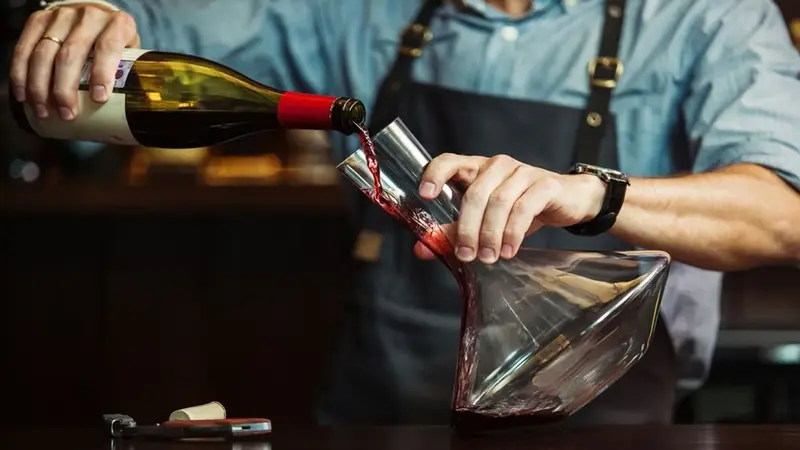
After understanding what a wine carafe does, you may be wondering how to choose one that suits your needs. Below are several important criteria to consider before making the right decision.
Choose Based on Wine Type
This is one of the most important factors when buying a carafe. As mentioned above, each wine style requires a different aeration approach.
- Young wine: Usually has a strong structure and needs longer breathing time and stronger oxidation to soften tannins. You should choose a carafe with a wide base and flared opening, as this shape is optimal for young wine and increases the surface area exposed to air.
- Aged wine: Usually more sensitive to oxygen and does not need long breathing time. You should choose a wine carafe with a narrow neck and stopper to control oxidation and preserve the wine’s distinctive aromas.
- White wine: Does not require much oxidation and mainly needs to stay chilled and be enjoyed immediately. You should choose a slim-shaped carafe that can easily be placed in an ice bucket for effective chilling.
Small tip: For premium wines or complex bottles, using a crystal wine carafe not only enhances the experience but also creates an elegant highlight on the dining table.
Choose Based on Size and Shape
Besides wine type, the shape and appearance of a wine carafe also affect the user experience.
- Size: The larger the carafe, the harder it can be to handle. A large carafe offers greater contact surface, but it may spill easily if you are not careful. If you are not very skillful, avoid choosing oversized models, no matter how beautiful they look. Choose a capacity that suits the amount of wine you usually use, typically 750ml to 1500ml.
- Shape: Carafes come in many different shapes, each designed to suit specific wine styles.
– Wide-base carafes with large surface areas are ideal for red wine, allowing the wine to have more contact with air and supporting stronger oxidation.
– Tall and slim wine carafes are often used for white wine and Champagne, helping maintain temperature and prevent excessive oxidation.
– Artistic wine carafes, such as swan, snail or U-shaped designs, are suitable for those who love unique and decorative styles.
Choose Based on Wine Carafe Material
Wine carafes are usually made from glass or crystal. So should you choose a crystal or glass wine carafe? Does the material affect the wine’s flavor? The answer is no. The material does not affect the aroma or taste of the wine. The only differences come from aesthetics, personal feeling and price.
- Glass wine carafe
– Advantages: Reasonable price and easy to find.
– Disadvantages: Less brilliant and less luxurious than crystal.
- Crystal wine carafe
– Advantages: Elegant, beautifully catches light and suitable for parties or gifting.
– Disadvantages: Higher price and requires careful maintenance.
If you love wine and want the carafe to also function as a beautiful decorative object, you may choose a crystal carafe, even though it costs more. But if aesthetics are not your top priority, a glass wine carafe will fully meet your needs.
Final Thoughts,
Understanding what a wine carafe does, as well as knowing the right breathing time for each wine style, will help you fully unlock the potential of every bottle. A wine carafe is not only a supporting tool but also an important element that elevates the wine tasting experience. Using it correctly not only softens tannins and releases aromas, but also brings completeness to every sip. For wine lovers, understanding and using a wine carafe is a step toward refinement in the art of wine appreciation.