


 Tiếng Việt
In the world of wine, aging vessels play the role of a “silent nurturer”, transforming simple grape juice into a work of art with depth and character.
Thousands of years ago, people used clay Amphorae to age wine. However, the true turning point came when the Romans discovered that wooden barrels were lighter, more durable and easier to transport. More importantly, they realized something revolutionary: aging wine in wooden barrels helped the wine become better over time.
1. How Is a Wine Barrel Made?
The process of crafting an oak wine barrel is a combination of traditional craftsmanship and material science.
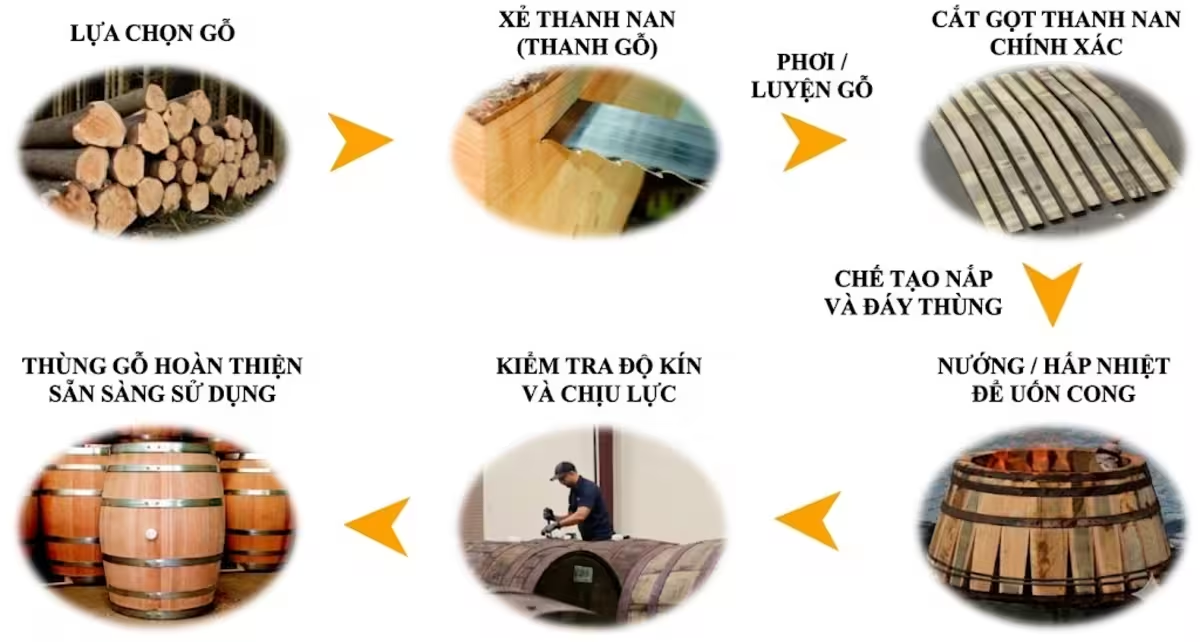
- Strict selection of raw wood: Not every tree can be used to make a barrel. The selected oak must come from mature trees between 80 and 150 years old. Their slow growth over an entire century gives oak an extremely dense and tight grain structure, ensuring that wine does not leak out. Moreover, the trees are usually felled only in winter, when they are “dormant”, and the water and sap content in the trunk is at its lowest, reducing the risk of cracking or mold later on.
- Cutting and shaping: Different oak species require different cutting methods. For French oak, coopers must split the wood along the heart of the tree, following the grain, to prevent leakage. This process is extremely costly and results in high wood loss, making French oak barrels very expensive. In contrast, American oak naturally seals its internal capillary tubes, allowing it to be sawn by machine in a more conventional way, which significantly lowers the cost.
- Natural seasoning: After cutting, the staves are never made into barrels immediately. They are stacked outdoors and exposed to sun, rain, mist and wind for 1 to 3 years. This stage not only dries the wood, but also allows rainwater and natural microorganisms to wash away some of the harsh, bitter tannins inside the wood grain, helping the barrel later give wine a smoother and more pleasant taste.
- Toasting: Finally, the wooden staves are assembled by skilled craftsmen using metal hoops. To bend the body of the barrel, they use hot steam combined with fire inside the barrel. This is the most magical stage. The toasting process chars the inner surface of the barrel at different levels: light, medium or heavy. Just like toasting a slice of bread, heat transforms the sugars and organic compounds in the wood, creating wonderful aromas such as vanilla, honey, caramel, toast and smoke, ready to blend beautifully into the wine.
2. What Happens When Wine Ages in a Barrel?
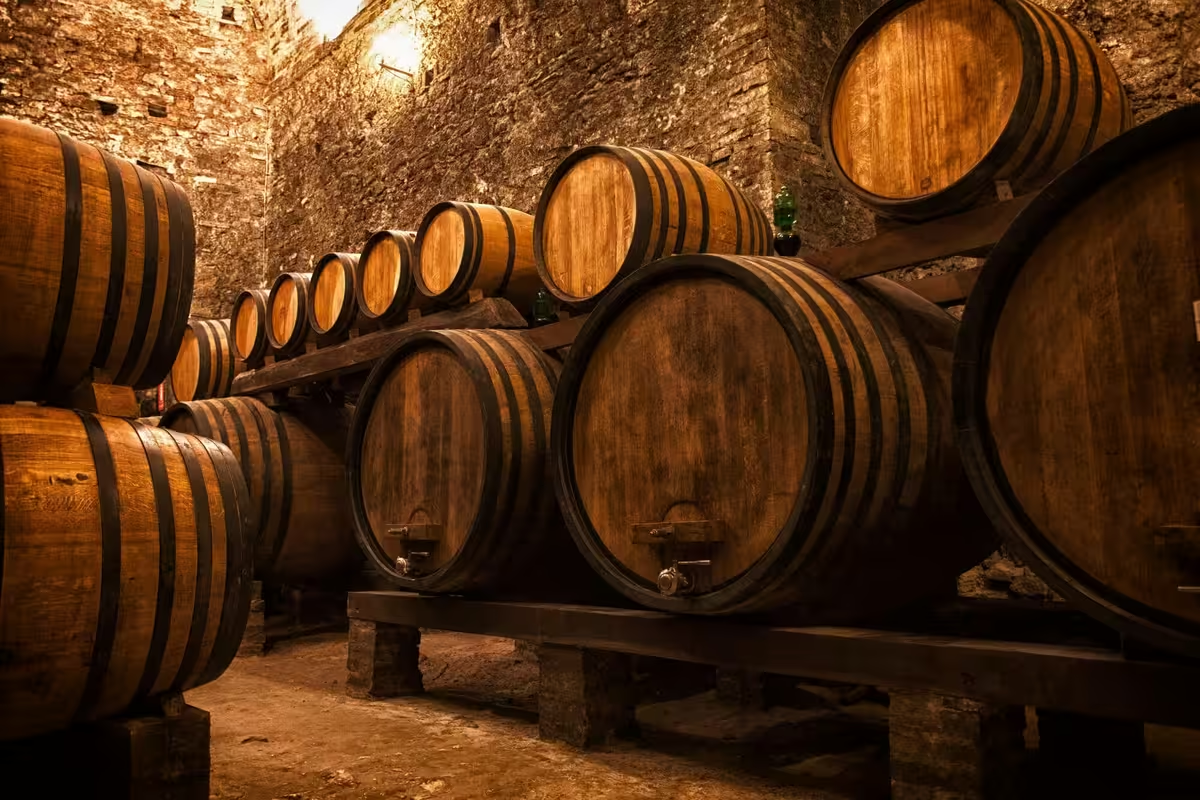
When wine is aged, wooden barrels work through 3 main mechanisms:
- Flavor exchange: Wine contains alcohol, and alcohol acts as an ideal solvent. When it comes into contact with the toasted oak surface, the wine slowly dissolves and extracts aromatic compounds hidden deep within the wood grain. As a result, the barrel gives your glass of wine notes that grapes naturally do not have: the sweetness of vanilla, the richness of toasted coconut, the warmth of spices such as clove and cinnamon, caramel candy and a gentle touch of smoke. At the same time, the barrel also adds a certain amount of tannin, the compound that creates a slightly dry and astringent sensation on the tongue, helping the wine develop a stronger structural backbone.
- Micro-oxygenation: What makes oak barrels superior to plastic or glass tanks is their ability to “breathe”. The micro-porous structure of the joined oak staves allows an extremely small and steady amount of oxygen to pass from the outside into the barrel. This tiny amount of oxygen is not enough to spoil the wine or turn it into vinegar. Instead, it acts as a catalyst. It helps harsh tannin molecules link together into larger chains, making the astringency softer, rounder and smoother on the palate. This “breathing” process also helps red wine stabilize its color, shifting from the bright purple of youth to a deeper, shimmering ruby red.
- Evaporation: Although wooden barrels are sealed and do not leak, at a molecular level, water and alcohol still slowly evaporate through the wood surface into the cellar air. Each year, a wine barrel may lose around 2% to 5% of its volume. Winemakers poetically call this evaporated portion the “Angel’s Share”. This loss creates a beautiful result: as the amount of water decreases, the remaining wine in the barrel becomes more concentrated, with flavor compounds becoming richer, sharper and much deeper.
3. Common Types of Wine Aging Vessels
3.1 Oak Barrels for Wine Aging
Oak is the undisputed “king” of the aging world, but the origin of the oak tree creates completely different wine personalities.
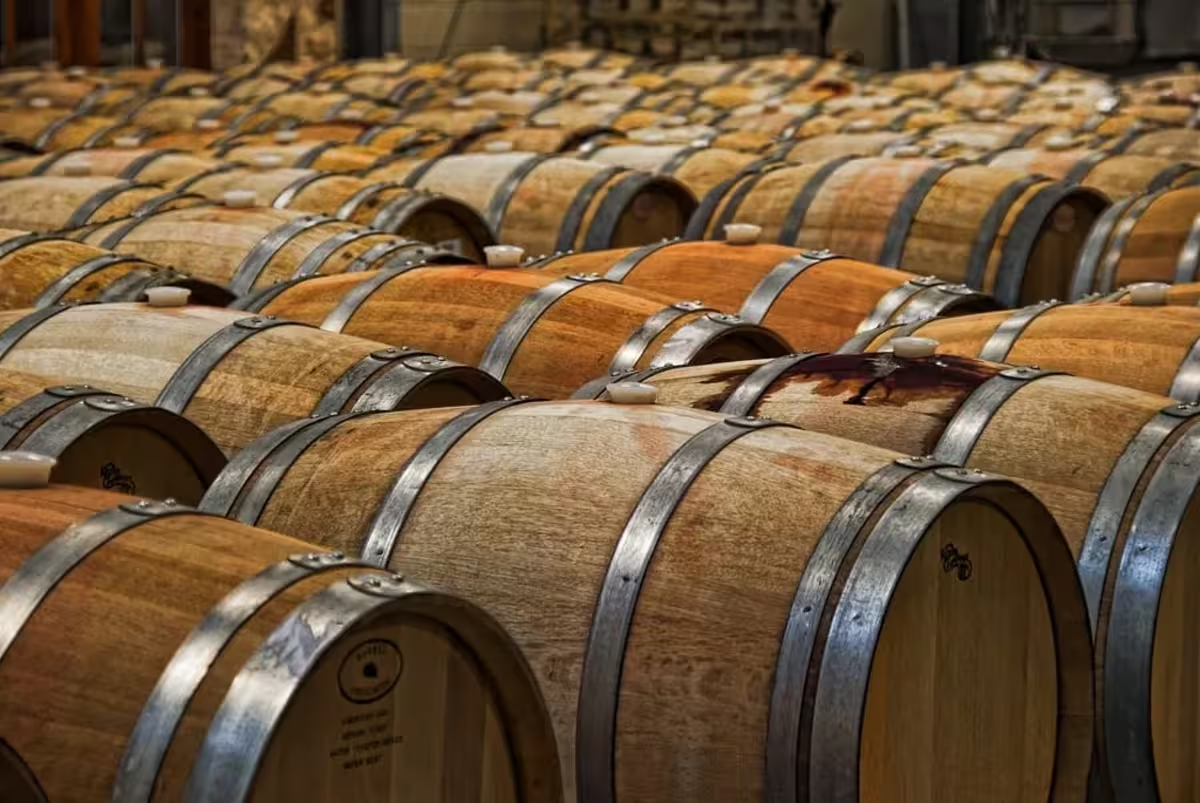
- French oak barrels: These are considered the pinnacle of refinement and elegance. French oak grows in a cool climate and develops very slowly, creating an extremely dense and fine grain. As a result, French oak barrels release flavors into wine very gradually and delicately. They do not overpower the fruit aromas, but gracefully add notes of sandalwood and elegant spice, while bringing very smooth tannins. Due to their high cost, French oak barrels are often reserved for premium wines, especially delicate grape varieties such as Pinot Noir or white Chardonnay.
- American oak barrels: If French oak is an elegant aristocrat, American oak is like a bold and powerful cowboy. American oak has a looser and more open grain, so it releases flavor into wine much more dramatically, up to 40% faster than French oak. American oak barrels are known for delivering intense vanilla notes, toasted coconut, sweet candy and bold spices. They are a perfect choice for taming and enhancing grape varieties with strong structure, high alcohol and firm tannins, such as Cabernet Sauvignon or Syrah.
- Hungarian oak barrels: This is a “rising star”, offering a perfect balance between the two worlds. Hungarian oak often grows in volcanic soils, producing a fine grain comparable to, or even finer than, French oak. Hungarian oak barrels bring subtle aromas of dried flowers, aromatic wood, herbs and a gentle touch of vanilla, along with very smooth tannin structure. The greatest advantage is that they offer quality close to French oak but at a much lower investment cost, which is why many winemakers are increasingly choosing them.
3.2 Stainless Steel Tanks
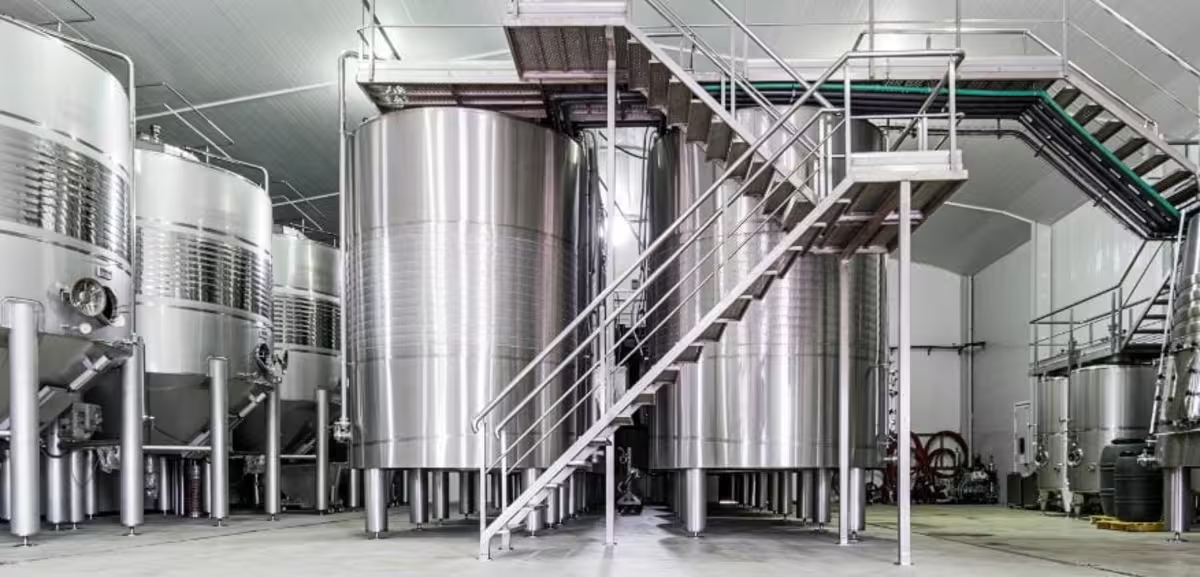
Not every wine is born to rest in oak. With the development of modern technology, stainless steel tanks have emerged as an excellent solution for wines that emphasize freshness.
Completely different from oak, the core characteristic of stainless steel wine tanks is their absolute neutrality. Stainless steel seals the wine completely, preventing oxygen from entering, and it does not release any vanilla, oak or wood aromas. As a result, it helps “freeze” and preserve the natural fruit flavors and bright freshness of freshly harvested grapes.
Moreover, stainless steel tanks are equipped with smart temperature-control systems, making it easy to cool the fermentation process. They are ideal vessels for producing crisp, refreshing white wines designed for early drinking, such as Sauvignon Blanc, as well as rosé wines and fresh red wines served slightly chilled.
3.3 Concrete Tanks
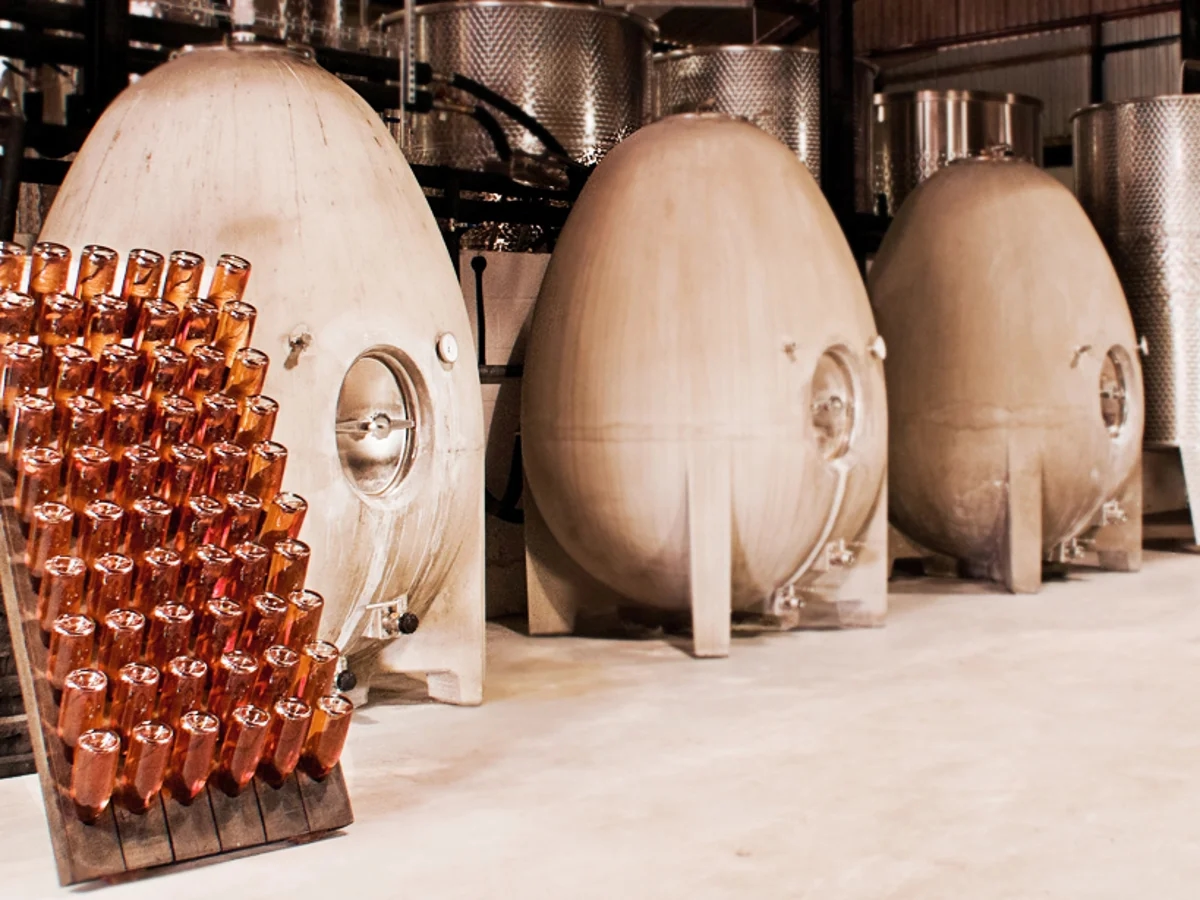
Are you surprised to hear that concrete can also be used to age wine? In fact, concrete wine tanks are a classic heritage that is experiencing one of the strongest revivals in modern winemaking. Concrete tanks are a fascinating intersection, combining some of the best advantages of both oak barrels and stainless steel tanks.
Structurally, concrete has millions of tiny pores on its surface. Just like oak barrels, these pores allow wine to receive micro amounts of oxygen, helping soften tannins and making the drinking sensation rounder and smoother. However, the key advantage is that concrete remains completely neutral like stainless steel, without adding any external flavor to the wine. Wine aged in concrete tanks preserves the purity of the fruit and highlights the natural mineral character of the vineyard’s terroir.
In particular, concrete tanks have excellent insulation, naturally keeping wine cool and stable. Modern egg-shaped concrete tanks can also create internal convection currents, helping stir the lees and making white wines creamier, smoother and more textured.
Final Thoughts,
Wine aging vessels are not merely containers. They are decisive elements that shape the style and soul of wine.
- Oak barrels create depth and complex aromas.
- Stainless steel preserves freshness.
- Concrete helps achieve natural balance.
Once you understand the magical role of each type of wine aging vessel, it becomes easier to choose wine that matches your taste and to appreciate every precious drop even more when raising a glass with friends.