


 Tiếng Việt
Aged wine has always held a special fascination for collectors. But is long-aged wine really good? Does wine always taste better the longer it is kept? This article will help you understand the true nature of aged wine while exploring 6 of the oldest wines in the world.
1. Is Long-Aged Wine Good?
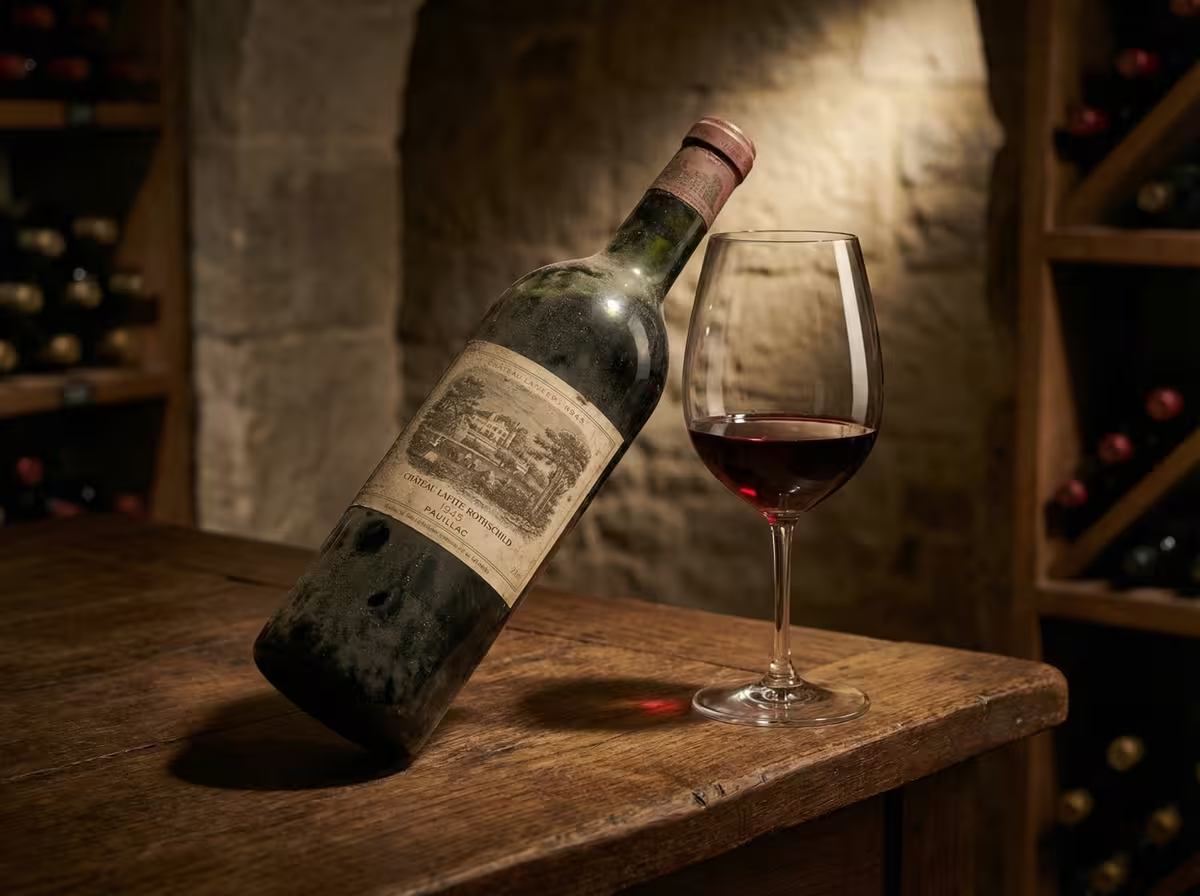
One of the most common misconceptions among wine beginners is: “If I buy a bottle of wine and store it in a cellar for ten or twenty years, it will surely become a masterpiece.” From a scientific perspective, however, this idea is completely misleading.
In reality, 95% – 99% of the wines produced in the world today are meant to be consumed immediately or enjoyed at their best within the first few years after bottling. These young wines offer fresh fruit flavors and are easy to drink, but they do not have enough structure to withstand the test of time. If you deliberately keep a mass-market wine for many years, it will not become better. Instead, it will lose flavor, become dull and may even turn into sour vinegar.
Only around 1% to 5% of premium wines in the world truly have the ability to develop over time and become age-worthy wines.
The aging process of wine is similar to a human lifespan, following a bell-shaped curve. Wine slowly matures, reaches its “peak” condition, when flavor is most complete and balanced, and then begins to decline and deteriorate. For wine to age well, it needs the following elements:
- Acidity: Acidity helps preserve the wine and keeps it from becoming flat.
- Tannins: These compounds are extracted from red grape skins. When young, they create a harsh, drying sensation, but they also act as a shield that protects wine from oxidation.
- Sugar: Sugar is an excellent natural preservative, helping sweet wines survive for a very long time.
- Alcohol content: Alcohol also acts as a protective element for the liquid inside the bottle.
In short, time does not make wine better. It only helps good wine become exceptional.
2. What Makes Aged Wine Different?
If you ever have the chance to taste an aged wine, you will immediately notice a remarkable difference compared with young wine. Years of aging in a sealed bottle create magical changes in color, aroma, flavor and mouthfeel.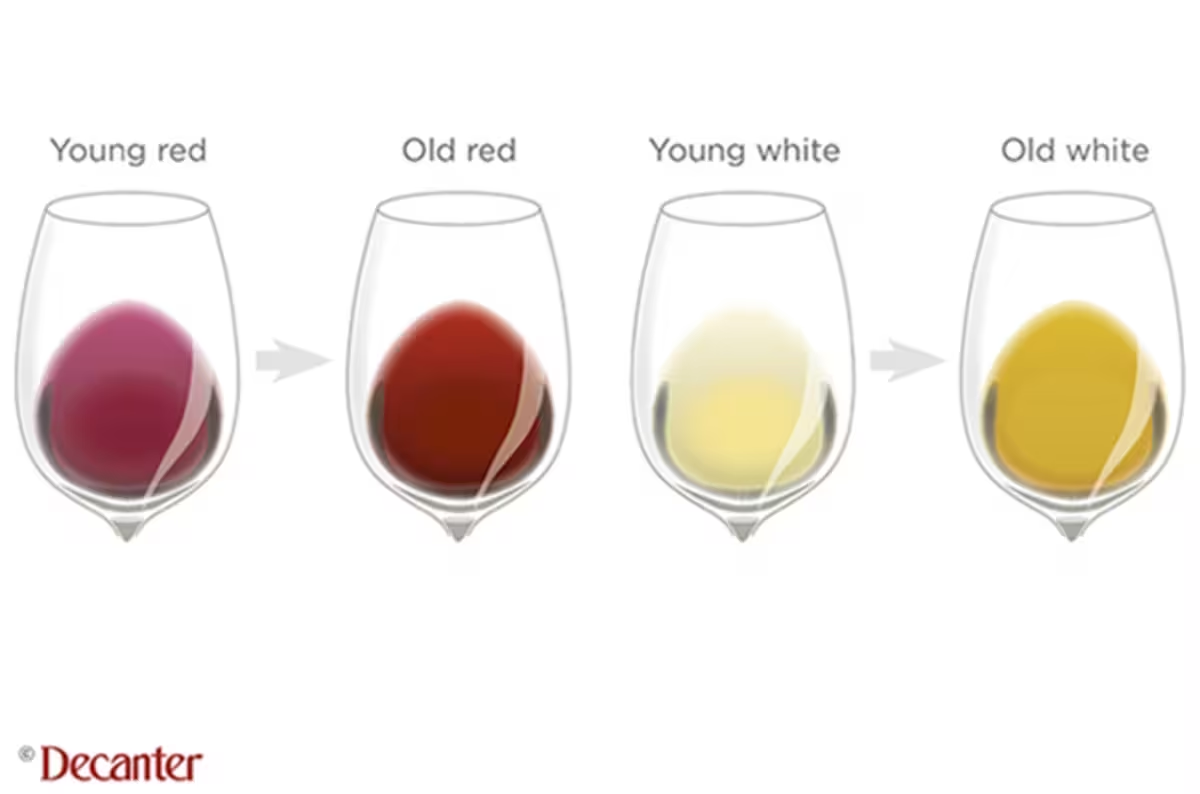
Silky texture
The most recognizable change in aged red wine is its tannin structure. When young, tannin particles float in the wine, creating a dry and astringent sensation in the mouth. Over time, these particles gradually bind together into larger and heavier chains, eventually falling to the bottom of the bottle as sediment. With fewer suspended tannins, aged wine feels incredibly smooth, soft and rounded on the palate, almost like velvet.
Flavors of time
The aroma of wine changes in a truly fascinating way. You will no longer smell bright, fresh fruit as clearly as in young wine. Instead, deeper and more mature layers begin to appear. The wine develops aromas of dried fruit and jam, combined with highly prized tertiary notes such as damp earth, autumn leaves, straw mushrooms, leather, cigar box, honey and caramel. This is a multidimensional aromatic experience that no young wine can fully replicate.
Clear color changes
- For red wine: The color gradually becomes lighter. From deep ruby red or dark purple, the wine shifts toward garnet, brick red, with orange or light brown tones appearing at the rim of the glass.
- For white wine: In contrast to red wine, white wine becomes darker with age. From pale lemon yellow, it slowly turns deep yellow, golden and eventually shimmering amber due to micro-oxidation.
3. Types of Wine That Can Age for Many Years
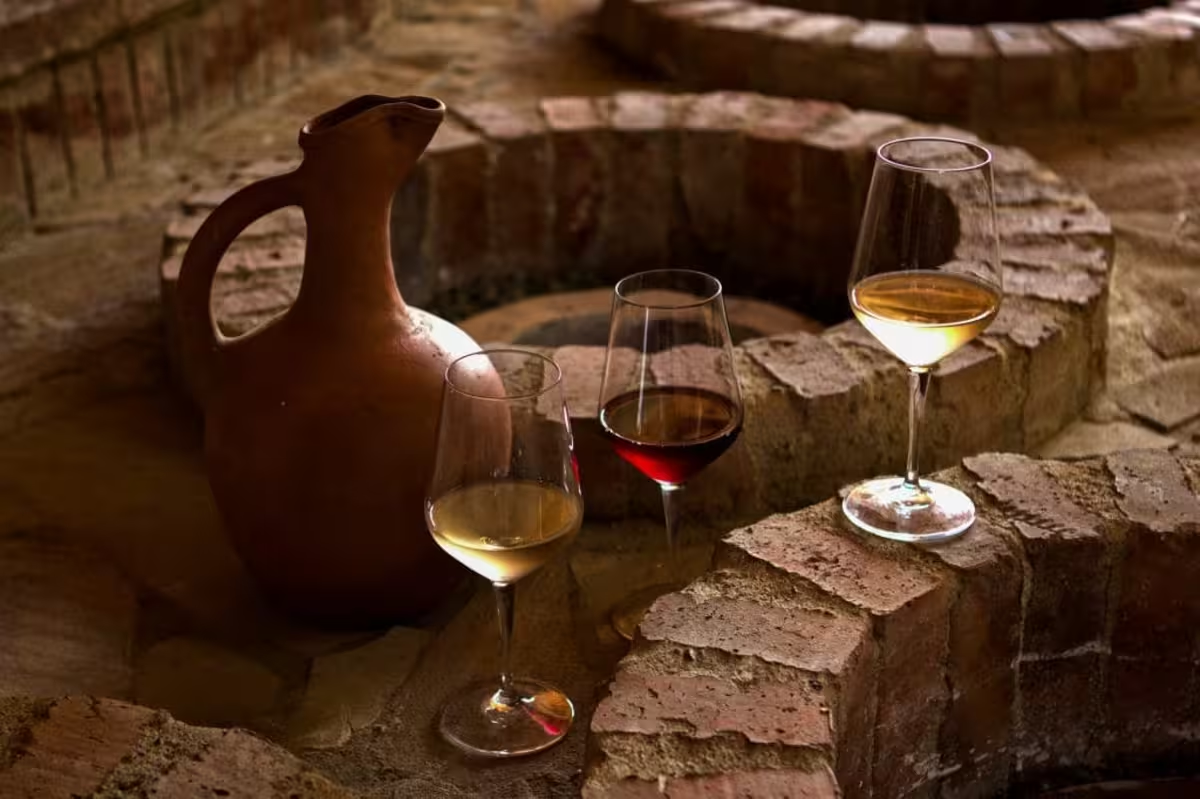
Red wine
Red wine dominates the world of collectible wine thanks to its abundant tannin content from grape skins.
- Cabernet Sauvignon: This is the “king” of age-worthy wines. With dense structure and good acidity, Cabernet Sauvignon wines, especially those from Bordeaux, France, can easily age for 10 to 20 years or even longer.
- Merlot and Sangiovese: Offering greater balance, these two grape varieties can produce wines capable of aging for 7 to 15 years.
- Nebbiolo and Aglianico: These Italian representatives are famous for their intense tannins and acidity when young. In return, their aging potential is extremely impressive, often exceeding 20 years.
- Pinot Noir: Although it has thin skins and relatively low tannins, Pinot Noir, especially from Burgundy, France, relies on its finesse and excellent acidity to age gracefully. After about 10 years, it can develop captivating aromas of earthy mushrooms and dried leaves.
White wine
Although white wine does not have the tannin shield found in red wine, it relies on acidity and minerality to stand the test of time.
- Riesling and Chardonnay: Wines made from these two grape varieties, especially Chardonnay from Burgundy or Riesling from Germany, can develop beautifully over 10 to 15 years, revealing unique flavors of butter, toasted nuts and honey.
In addition, sweet wines and fortified wines, such as Port, Tokaji and Madeira, are true masters of longevity. Their high natural sugar content and elevated alcohol levels help protect them from spoilage, allowing them to age for decades or even centuries.
4. Top 6 Oldest Wines in the World
These aged wines have become witnesses to history, carrying stories from ancient times to headline-making auctions.
Carmona Wine – More Than 2,000 Years Old
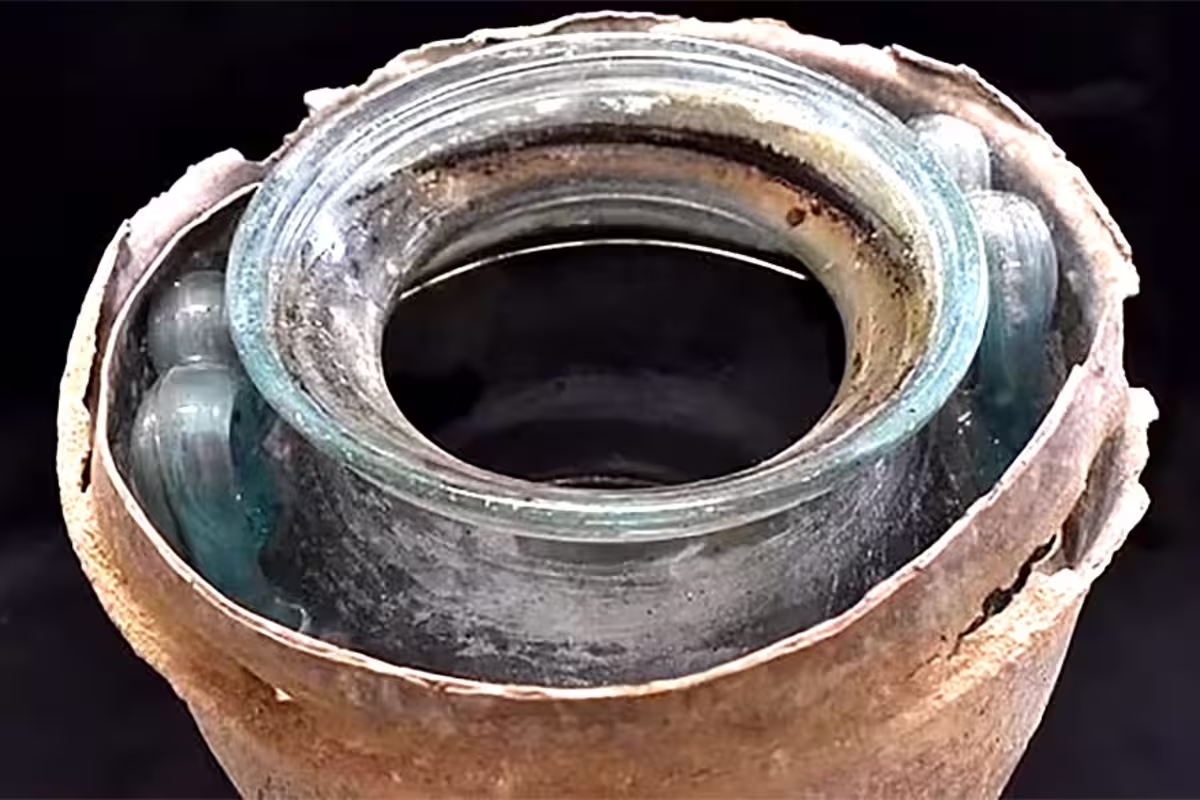
In 2024, an archaeological announcement shocked the world when scientists discovered the oldest liquid wine ever found, dating back to the 1st century AD.
The ceramic urn containing around 5 liters of liquid was found intact in an untouched Roman tomb in Carmona, Spain. Although the liquid has now turned dark red due to oxidation over two millennia, advanced chemical analysis confirmed that it was originally a white wine. This extraordinary preservation was made possible by the airtight tomb structure and remarkably stable temperature conditions.
The Speyer Wine Bottle – Around 350 AD
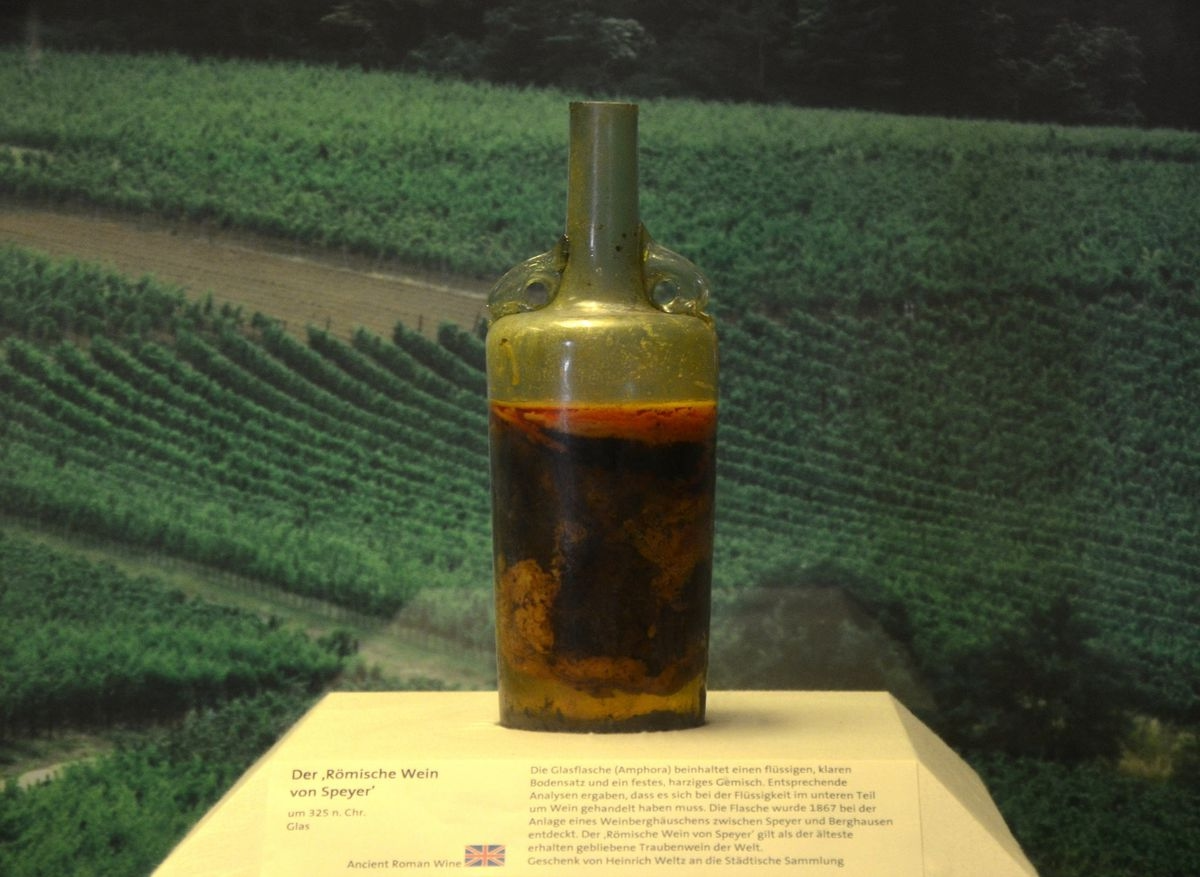
Before the Carmona wine was discovered, the Speyer wine bottle, also known as Römerwein, had held the record as the oldest wine bottle for more than 150 years.
It was excavated in 1867 from a Roman nobleman’s tomb in Germany. To protect the wine, ancient people did not use cork. Instead, they poured a thick layer of olive oil over the surface of the wine to isolate it from air, then sealed the bottle with melted wax. Although only a mixture of wax and sediment remains inside, it is still considered a priceless treasure in Germany.
Strasbourg Wine – 1472
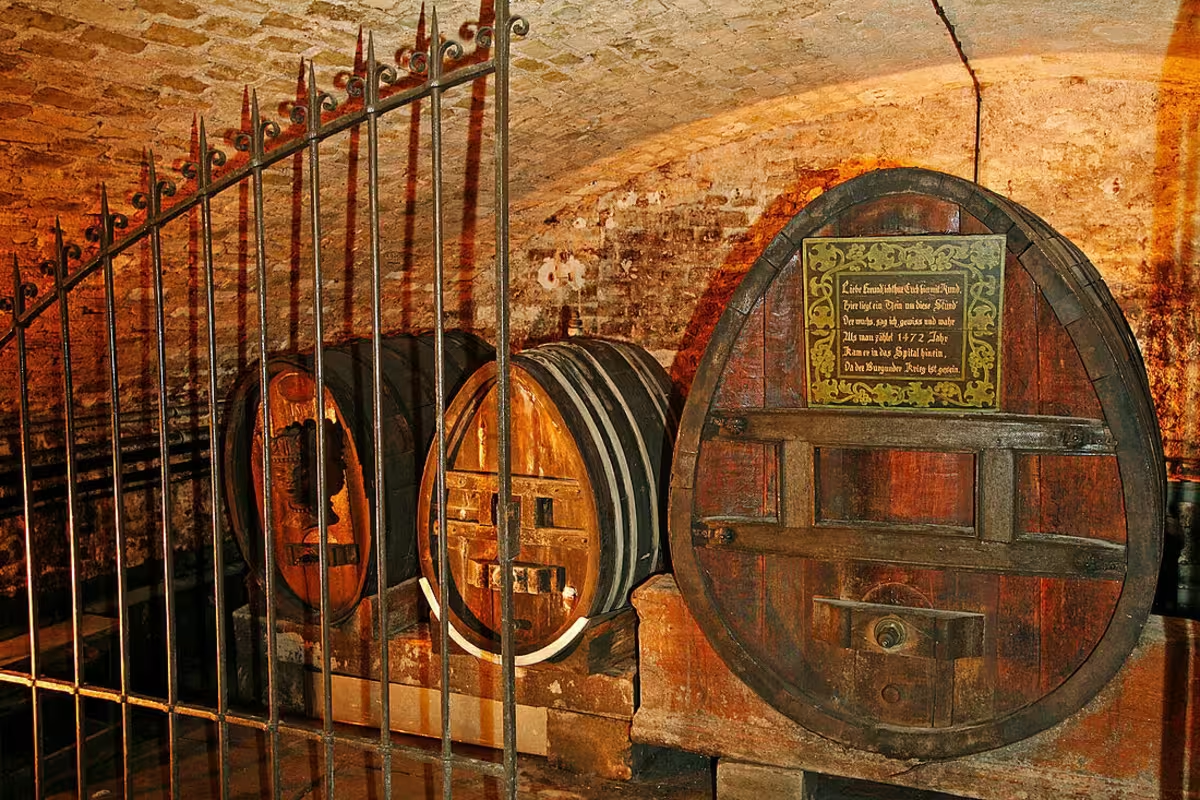
This is the oldest wine in the world still stored in an oak barrel, preserved in the cellar of the historic hospital in Strasbourg, France. In the past, wine was often used as a pain-relieving medicine for patients. Over more than 500 years, this barrel has only been opened for tasting 3 times during major historical events, in 1576, 1716 and 1944. Although it still retains aromas of honey and beeswax, its acidity has now become as sharp as vinegar.
Rüdesheimer Apostelwein – 1727
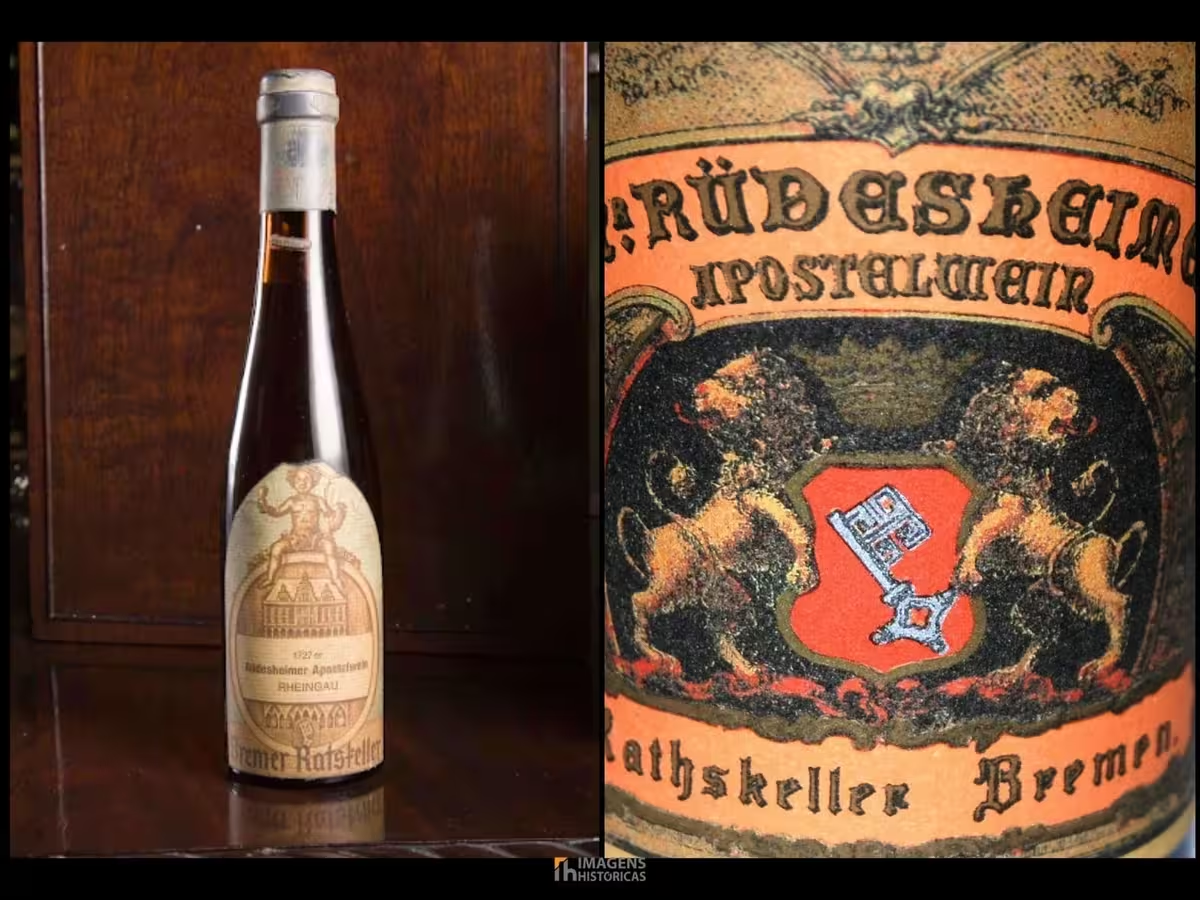
When experts talk about very old wines that are still drinkable, Rüdesheimer Apostelwein 1727 is often mentioned. It is carefully stored in the cellar of the Bremen Town Hall in Germany. As a premium sweet wine, its enormous sugar content has acted as an exceptional preservative throughout nearly 3 centuries. A few rare bottles that have been drawn from the barrel can be valued at up to USD 200,000.
Château Lafite Rothschild – 1787
This bottle is associated with one of the most sophisticated wine fraud scandals in history. In 1985, a collector claimed to have found outstanding 1787 Bordeaux bottles engraved with the initials “Th.J”, believed to stand for Thomas Jefferson, the former President of the United States. Trusting the story, a billionaire bought the Lafite 1787 bottle for a record price at the time: USD 156,450. However, later investigations discovered that the engraving had actually been made with a modern dental drill, turning the bottle into an expensive lesson for collectors.
Château Margaux – 1787
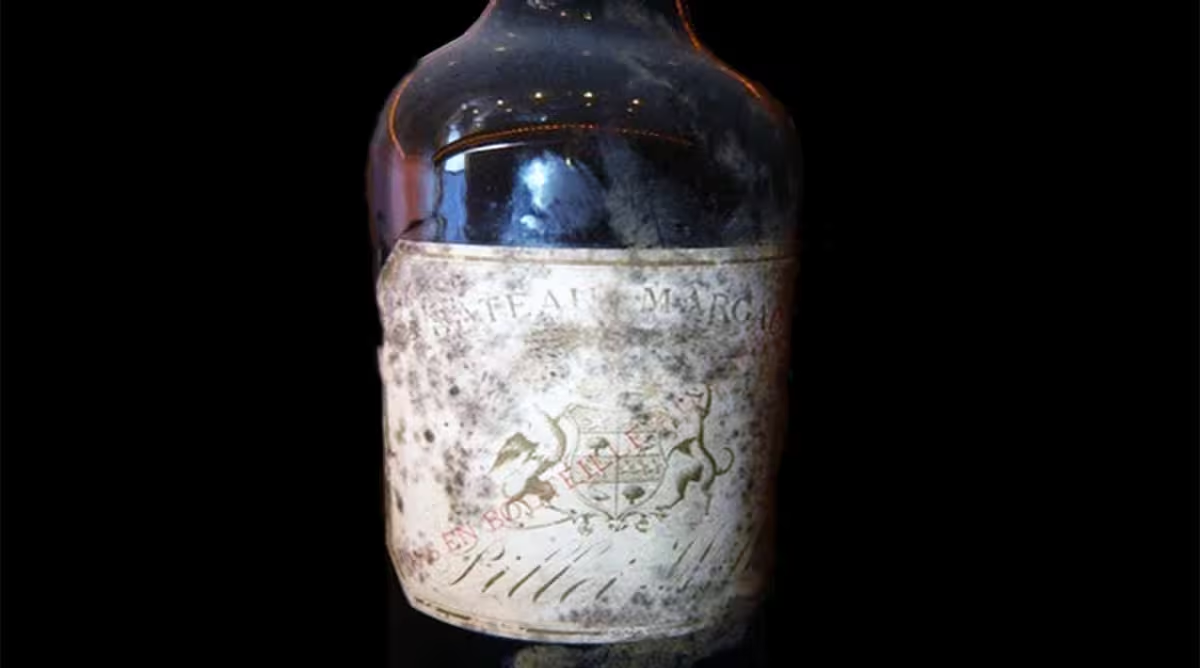
Sharing the same origin as the Thomas Jefferson “Th.J” engraved bottles, this 1787 Margaux suffered a disastrous fate. Valued at up to USD 500,000, wine merchant William Sokolin proudly brought it to an elegant dinner party in New York in 1989. Due to a moment of carelessness, he accidentally knocked the bottle against a metal edge. The puncture in the bottle caused the more-than-200-year-old liquid to spill onto the floor, creating what was called the “world’s most expensive puddle”. Fortunately, the insurance company later compensated him USD 225,000.
5. How to Store Aged Wine
5.1 How to Enjoy Aged Wine Properly
- Stand the bottle upright: Old red wines always contain sediment. Before drinking, stand the bottle upright in a cool place for 24 to 48 hours. This allows gravity to pull all suspended sediment down to the bottom of the bottle, ensuring that the wine pours clear and without grainy particles.
- Open the bottle with a specialized wine opener: Never use an ordinary spiral corkscrew for old wine. Corks that have been soaked for many years become fragile, porous and very easy to break into the wine. Use a two-prong opener, often called an Ah-So, or a more advanced device to grip and remove the cork intact.
- Decant for sediment, not for breathing: Pouring young wine into a decanter is usually done to let it “breathe” and open up its aromas. But with aged wine, the structure is already old and delicate. You should decant only to separate the wine from sediment. Pour very gently while observing the wine against light, and stop as soon as you see sediment approaching the neck. If old wine is exposed to air for too long, it will quickly oxidize and lose its delicate flavors.
- Signs of spoiled wine: If you open the bottle and the red wine has turned cloudy brown, or the white wine has become very dark, accompanied by aromas of wet cardboard, mold and a sharp sour taste that bites the tongue, it means the wine is over the hill or damaged by poor storage. Do not try to drink it, as bacteria in spoiled wine may cause food poisoning.
5.2 How to Store Aged Wine at Home
Vietnam’s tropical climate, with heat, humidity and unstable temperature changes, is extremely harsh for wine. You need to follow 3 key principles:
- Stable temperature: Wine should rest quietly at an ideal temperature of 13 to 15°C. The biggest mistake beginners make is putting wine in a household refrigerator. A household fridge vibrates constantly and is too cold, so it should only be used for temporary storage of 3 to 6 months. If wine is stored there for longer, the compressor can damage the wine’s structure. You should invest in a dedicated wine cooler.
- Balanced humidity: The environment should maintain around 70% humidity, with a safe range of 50% – 80%. If the environment is too dry, the cork will lose moisture and shrink. Outside air will then enter through the gap and immediately oxidize the wine.
- Horizontal position and light control: Always store wine bottles horizontally so the liquid stays in contact with the inner side of the cork, preventing it from drying and cracking. At the same time, wine must be stored in darkness, away from direct sunlight or strong fluorescent light, because UV rays can degrade the beneficial compounds in wine.
Final Thoughts,
The world of aged wine is not only about tasting. It is also a journey into history and art. If you are wondering whether long-aged wine is good, remember this: only wines with sufficient quality are worthy of time. Take your time to explore, appreciate every flavor of time in the glass, and you will discover just how magical the world of wine can truly be.