
 Tiếng Việt

Have you noticed that some wine producers use different closures from the cork or screw cap you often see? A wine closure is not simply an object used to seal a wine bottle. It also plays an important role in preserving wine and expressing its quality. Depending on the wine style, producer and intended use, a suitable closure will be chosen.
1. Overview of Wine Closures
Wine closures are one of the most important components of a wine bottle. They have existed for thousands of years and have protected wine effectively for centuries. The most common wine closure is cork, which has been used to seal wine bottles for more than 400 years. Cork contains a natural waxy substance called suberin, making it an ideal material for wine closures. Cork also has properties that are hard to find in any other natural material: it is lightweight, rot-resistant, fire-resistant, termite-resistant, impermeable to air and liquid, soft and buoyant. In recent years, several alternative wine closures have entered the market. However, traditional cork remains the most popular choice among producers.
2. 12 Types of Wine Closures You Should Know
Natural Cork Wine Closure
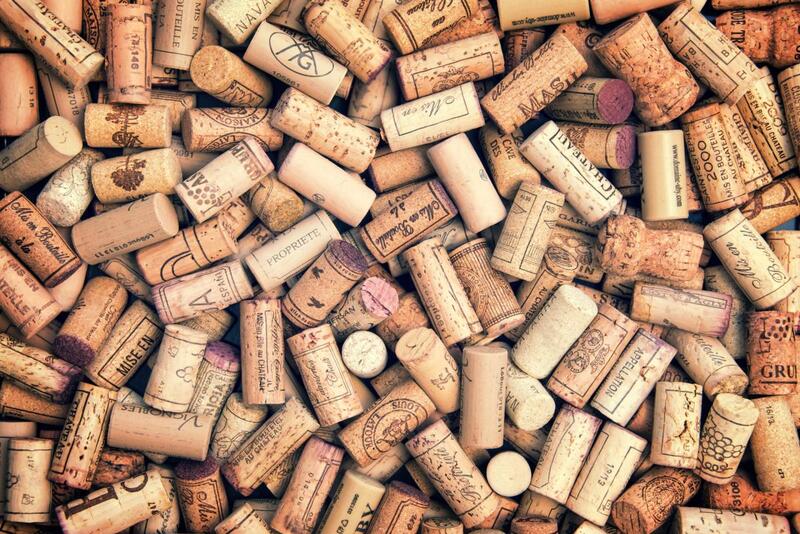
Natural cork is the most commonly used closure for wine bottles. It offers excellent sealing ability and is also recyclable and biodegradable. Natural cork is usually made from the outer bark of the cork oak tree. After the outer layer is removed, it is compressed into blocks of different sizes. High-quality cork can support refined and complex flavors in wine during long aging.
Advantages:
- Traditional: This is the oldest and most widely used type of wine closure.
- Breathability: Cork is porous, allowing wine to come into contact with oxygen slowly and helping wine develop flavor over time.
- Preservation: Cork can create a protective layer that shields wine from the effects of outside air.
Disadvantages:
- TCA: Some corks may be affected by TCA, 2,4,6-trichloroanisole, which can cause a moldy smell in wine.
- Inconsistency: Cork quality can vary, affecting its ability to preserve wine.
Agglomerate Cork Wine Closure
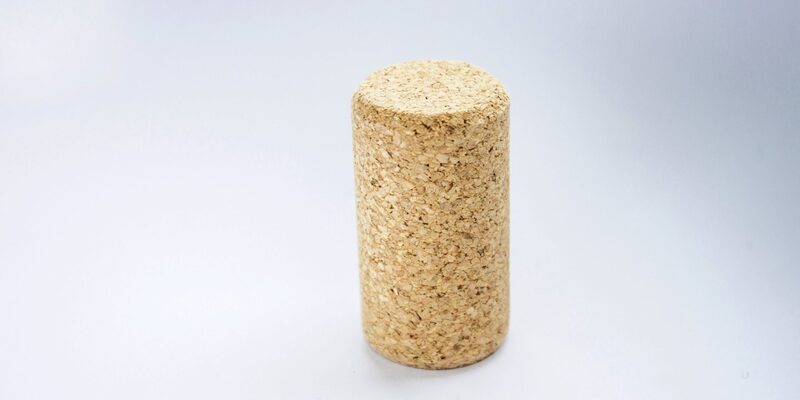
Agglomerate cork, also known as composite cork or recycled cork, is made from small cork granules pressed together, usually with a binding agent. It is an alternative to natural cork in the wine industry, especially for wines intended for short-term storage or lower price segments.
Advantages:
- Low cost: Agglomerate cork costs much less than natural cork, helping producers save costs, especially for wines meant for quick consumption or lower retail prices.
- Lower risk of TCA, cork taint: One common issue with natural cork is TCA, Trichloroanisole, which causes an unpleasant musty smell in wine. Agglomerate cork has a lower risk of TCA because it does not use whole natural cork bark.
- Stability: Agglomerate cork has good stability and is less likely to deform over time, helping protect wine from air and maintain wine quality during short-term storage.
- More environmentally friendly: Because it is made from recycled cork pieces, agglomerate cork is somewhat more eco-friendly than harvesting whole cork bark for natural corks.
Disadvantages:
- Limited ability to let wine “breathe”: Agglomerate cork does not allow wine to “breathe” like natural cork. This means it does not allow a small amount of oxygen to interact with the wine, so flavor development does not happen naturally. Therefore, agglomerate cork is not suitable for wines that need long-term storage and flavor evolution.
- Short storage period: Agglomerate cork is only suitable for wines meant to be consumed quickly, with a maximum storage period usually around 2 years. For wines with long aging potential, natural cork remains the superior choice.
Synthetic Cork Wine Closure
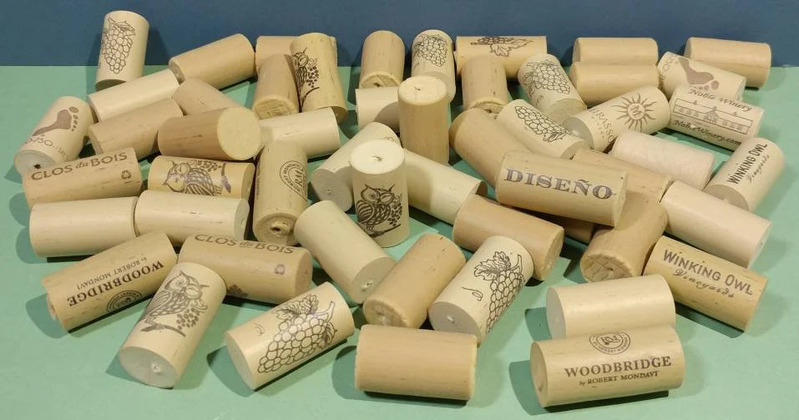
Synthetic cork is a type of bottle closure made from synthetic materials, mainly artificial rubber or synthetic plastic, designed to replace natural cork. This closure is often used for wines intended for quick consumption or lower-value bottles.
Advantages:
- Low cost: Synthetic cork is cheaper than natural cork and agglomerate cork.
- No TCA, cork taint: Synthetic cork cannot be affected by TCA, Trichloroanisole, the main cause of musty odors in wine when natural cork is used.
- Easy to use: Synthetic cork is easy to use and can seal bottles quickly without requiring special bottling techniques. This helps optimize the production process.
Disadvantages:
- Does not allow wine to “breathe”: One major disadvantage of synthetic cork is that it does not let wine “breathe” like natural cork. Wine cannot interact with oxygen through the closure, which limits flavor development over time.
- Imperfect sealing ability: Although synthetic cork can create a tight seal, its resistance to leakage cannot match natural cork in some cases. Under unstable storage temperatures, synthetic cork can easily expand or contract, allowing oxygen to enter the bottle and spoil the wine.
Capped Cork
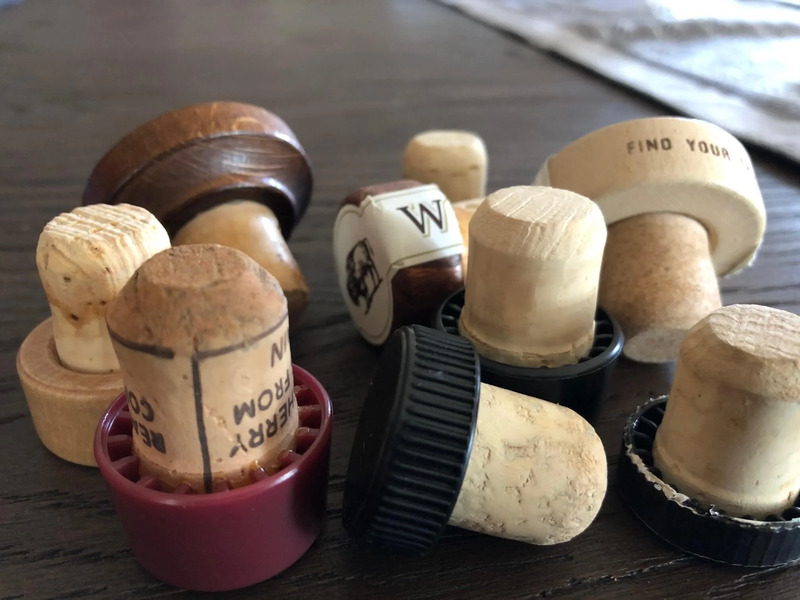
Capped cork is a closure that combines traditional cork with an added cap, usually made of metal or plastic, attached to the top of the cork. This type is designed to provide tighter protection for wine and may improve storage or preservation in certain cases.
Advantages:
- Better sealing ability: The cap helps create a tighter protective layer for wine, minimizing air entry and reducing the risk of oxidation. This is very useful for short-term wine storage or protecting wine from temperature changes.
- Helps ensure wine quality and lifespan: The cap helps protect wine from direct air contact during storage. This is especially useful when wine needs stable storage and protection from external factors such as changing temperature or humidity.
- Convenient and easy to use: Capped corks are often easier to open than natural corks because the cap can be twisted or removed easily without special tools. This can improve convenience when consuming wine.
Disadvantages:
- Difficult to control cap quality: The cap may not have consistent quality. If it is not tight enough or has defects, it may reduce preservation ability and affect wine quality. Quality control for both the cork and cap is important during production.
- Weaker consumer experience: Although capped cork has practical advantages, in some cases it may not provide the traditional and elegant feeling of opening a natural cork. Lovers of premium wine often appreciate natural cork because it is connected with style and history.
Helix Cork
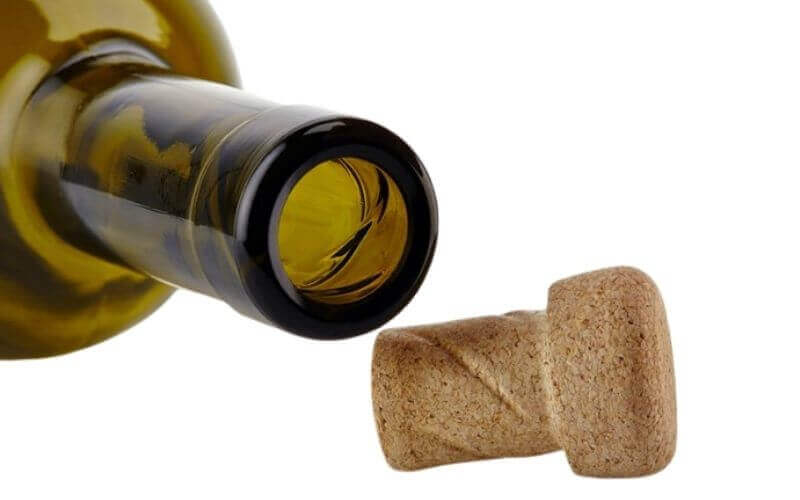
Helix Cork is a relatively new type of wine closure designed to replace traditional corks or screw caps. It has an opening mechanism similar to a screw cap, but is made from natural cork. Its top has a spiral design, making it easy to open by hand without a wine opener.
Advantages:
- Easy to open: Compared with traditional cork, Helix Cork is much easier to open because it can be twisted by hand like a screw cap, without needing a wine opener. This brings speed and convenience.
- Combines the advantages of cork and screw cap: Helix Cork combines the strengths of natural cork and screw cap. It retains the natural characteristics of cork, helps preserve wine well and avoids TCA, Trichloroanisole, the compound that causes musty odors in wine, while still being easy to open and reseal without a corkscrew.
- Convenient for preservation: Thanks to its spiral design, it is less likely to leak and can be resealed after opening, helping preserve wine better than some other closures.
Disadvantages:
- Not suitable for wines that need long aging: Helix Cork does not allow wine to “breathe” like natural cork. This gas exchange is important for wines that require long aging, helping develop complex flavors. Therefore, it is not suitable for premium wines that need long-term storage.
- Limited production: Due to its special design, Helix Cork is not widely used and not every producer can supply or make this type of closure. This may make it more expensive or unavailable for all wine types.
Sparkling Wine / Champagne Closure, Mushroom Cork

Mushroom cork, also known as a mushroom-shaped cork, is a special closure mainly used for sparkling wines such as Champagne, Prosecco, Cava, Crémant and other bubbly wines. This closure has a mushroom-like shape, with a wide top and a longer narrow body, helping ensure a tight seal for bottles containing CO₂. Mushroom cork is made from natural cork or synthetic materials with high elasticity. Its top is wide and mushroom-shaped, while the body is usually longer and narrower, creating an airtight seal.
Advantages:
- High airtight sealing: Sparkling wine needs to maintain very high pressure inside the bottle to keep CO₂ bubbles. Mushroom cork creates a tight seal, keeps pressure stable and prevents gas from escaping, preserving the wine’s sparkle.
- Good elasticity: Thanks to high elasticity, mushroom cork can expand and press tightly against the bottle mouth, creating the necessary seal to protect the wine and prevent gas leakage.
- Suitable for sparkling wine: Mushroom cork is specifically designed for sparkling wines, where a special seal is needed to maintain carbonation. Without such a tight closure, the wine would lose its signature bubbles.
Disadvantages:
- Difficult to open: Although mushroom cork is very effective at keeping gas sealed, opening the bottle can be harder than with other closures. Especially when pressure is present in the bottle, opening must be done carefully to avoid overflowing wine or bottle breakage.
- Requires a metal cage: Mushroom cork usually needs to be secured with a wire cage. This can be inconvenient in some cases and adds production cost.
- Limited use: Mushroom cork is mainly used for sparkling wines and is not suitable for regular still wines. Therefore, its application is quite limited.
- May deform under high temperature: If mushroom cork is exposed to excessive heat or rapid temperature changes, it may deform or lose elasticity, affecting the quality of the wine inside.
See the sparkling wines currently available at Hedon WineHub:
Tasting Corks
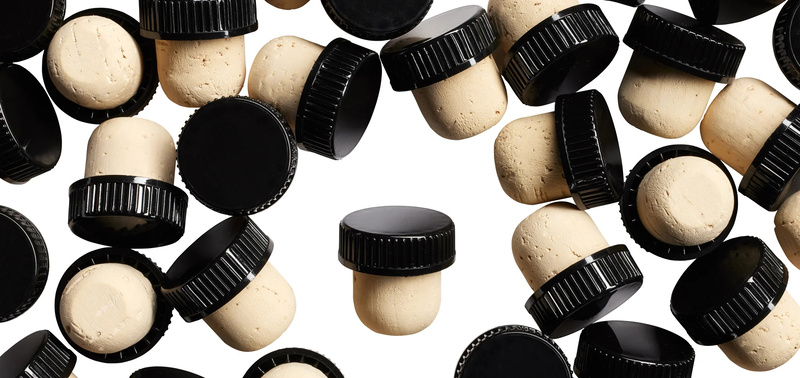
A tasting cork is a natural cork with a plastic cap. This closure is a perfect choice for short-term wine storage. It is very easy to use and can be found in most local wine shops, grocery stores or online retailers at a very low price. If you have wine bottles that have lost their original corks, try using tasting corks to preserve them.
Advantages:
- Helps maintain wine quality and lifespan: Tasting corks help protect wine from direct air contact during storage. This is especially useful when wine needs to be kept in stable conditions and protected from external factors such as temperature changes or humidity.
- Convenient and easy to use: Tasting corks are very easy and convenient to use.
Disadvantages:
- Weak consumer experience: They mainly provide value in wine preservation and do not offer much aesthetic appeal.
Hermetic Corks
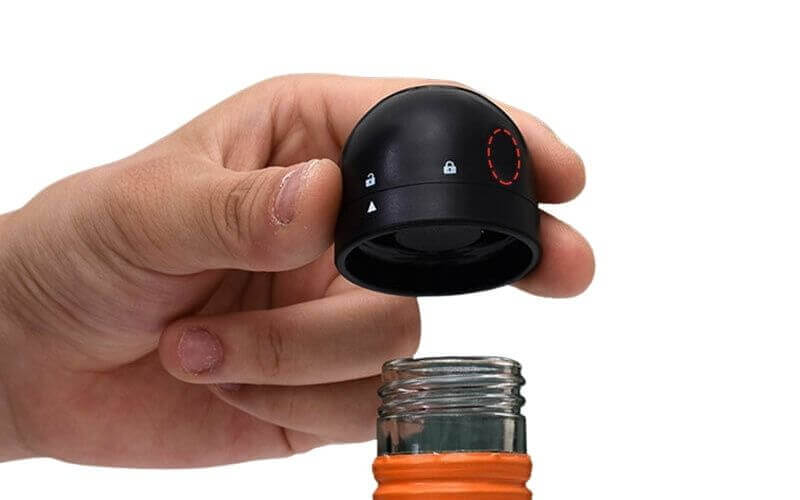
Hermetic corks are made from various materials, including metal or plastic combined with wood, and even silicone. These are airtight, reusable closures that are often used to reseal bottles after part of the wine has been consumed. This type of closure has become popular in recent years, especially for wines meant to be enjoyed young and not aged for long.
Advantages:
- Minimizes air entry: Hermetic corks prevent air from entering, helping preserve wine in a stable environment. This helps maintain freshness and structure, especially for wine.
- Protects wine from harmful factors: Hermetic corks help prevent bacteria, mold and other external agents from entering and damaging wine quality.
Disadvantages:
- High cost: Hermetic corks may cost more than other closures because they require strong quality and tight sealing ability.
Screw Cap Wine Closure

Screw caps have become a popular wine closure choice in recent years in countries such as New Zealand thanks to their unique benefits. Screw caps allow little or no oxygen contact with wine, helping maintain the wine’s original characteristics and protect it from oxidation. A screw cap is an alternative to traditional cork, designed to be opened and closed easily by hand without special tools. This closure looks like a metal cap with a twisting mechanism that seals the wine bottle.
This closure is suitable for fresh wine styles such as Sauvignon Blanc or Pinot Noir. For wines that need development over time, it is not an ideal choice.
Advantages:
- Convenience: Easy to open and close.
- Preservation: Prevents air from entering and ensures wine is well preserved.
- No TCA: Completely eliminates the risk of TCA contamination.
Disadvantages:
- Lack of tradition: Many people believe screw caps reduce the beauty and elegance of a wine bottle.
- Does not allow wine to breathe: Wine has no chance to interact with oxygen, which may affect the flavor of some red wines.
Vinoseal / Vinolok Glass Closure
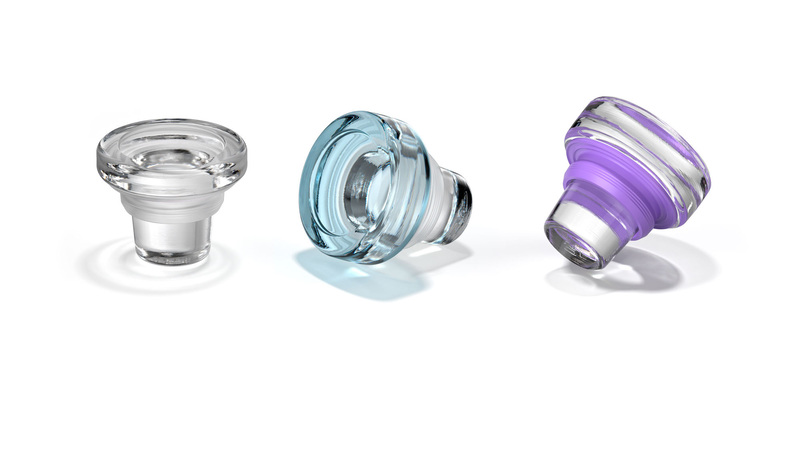
Vinoseal / Vinolok glass closure has a unique design, with a glass body and a rubber or silicone seal at the base to ensure tight closure. When inserted into the bottle, this rubber or silicone layer creates a perfect airtight bond between the closure and the bottle neck. These closures give wine bottles a more elegant and luxurious appearance. They are reusable and environmentally friendly.
Advantages:
- Perfect airtight seal: One of the standout advantages of Vinoseal is its ability to create a perfect airtight seal, preventing air and external elements from entering and protecting wine quality inside the bottle.
- Does not affect wine flavor: Vinoseal glass closure has no effect on wine flavor because glass is a neutral material. It does not absorb or release chemical compounds that could affect flavor, which can sometimes happen with cork or other closures.
- High aesthetic value: Vinoseal glass closure gives the wine bottle a luxurious and modern appearance. It creates a premium feeling, especially for higher-end wine lines or luxury products, helping the bottle stand out and increasing its visual value.
Disadvantages:
- High cost: Vinoseal costs more to produce than regular corks or screw caps because of the glass material and complex manufacturing process. This can increase the price of the bottle, so it is mainly used for premium wines.
- Risk of breakage: Although glass is durable, if not stored properly, the closure can break or crack under strong impact. This can create difficulties in storage and transportation.
Zork Wine Closure
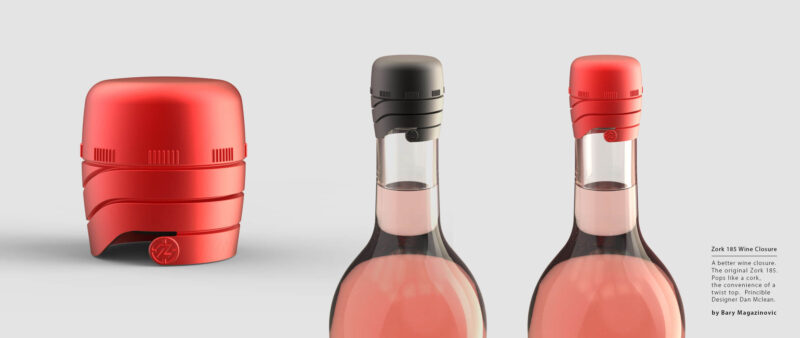
Zork is a closure style that combines cork and screw cap features. It includes 3 main components: a plastic plug, a foil barrier and a pull tab. The plastic plug is designed to create a tight seal at the bottle neck. The foil barrier protects the wine from oxidation. The pull tab is used to remove the closure. This type of closure allows you to open a bottle without a corkscrew. It fits most standard 750ml wine bottles. After opening, it becomes a reusable tasting-style closure.
Advantages:
- Easy to use: One of the biggest advantages of Zork is that it is easy to open and reseal without a complicated wine opener. Its mechanism is simple and only requires pulling or light pressure to open the bottle.
- Does not affect wine flavor: Zork does not contain compounds that can affect wine flavor, such as TCA in cork, so it helps protect wine quality and preserve freshness.
- No mold issue: Because Zork does not contain natural cork, it does not have the mold-related TCA issue found in traditional corks. This makes it a reliable choice for wine preservation.
Disadvantages:
- Lack of luxury: Although Zork has good preservation features, it does not create the luxurious and traditional feeling of natural cork, especially at premium events.
- Difficult to reuse: Although Zork materials may be recyclable, reusing the closure after opening may not be convenient or practical. This may be inconvenient for consumers who want to reuse the wine bottle after opening.
Crown Caps
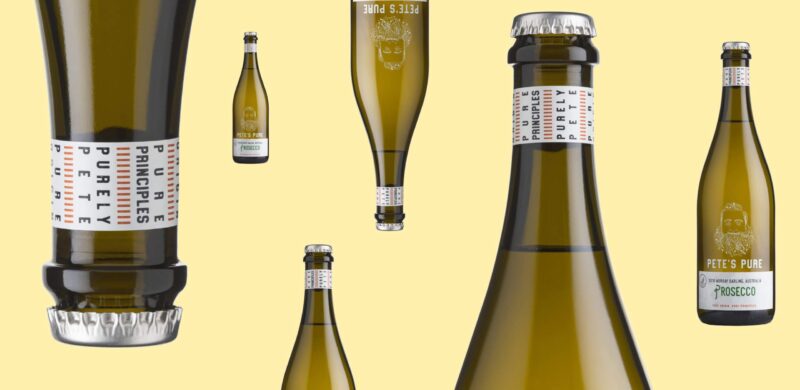
Crown caps are special closures commonly used for carbonated drinks such as beer, soft drinks and sparkling wines. They are among the simplest, most effective and most cost-saving closures. Crown caps are designed to create a tight seal, protecting the quality of the drink inside, keeping it fresh and preventing leakage or loss of bubbles. Crown caps are usually made from metal, often nickel-plated steel or aluminum, combined with a liner material, usually plastic or flexible plastic, on the underside. This liner creates an airtight seal, preventing air contact and protecting the quality of the beverage inside the bottle.
Advantages:
- Excellent sealing ability: One of the biggest advantages of crown caps is their excellent sealing ability. The ridges and plastic liner create a secure connection, preventing air or bacteria from entering the bottle and protecting drink quality.
- Cost-saving: Crown caps have a relatively low production cost, making them an economical choice for beverage producers. This helps reduce product cost while still ensuring quality and effective sealing.
- Easy and convenient to use: Although crown caps require a bottle opener, bottling is simple and fast, helping increase production efficiency.
Disadvantages:
- Not reusable: One disadvantage of crown caps is that they cannot be reused. Once opened, they deform and cannot be used again. This can be wasteful and inconvenient for consumers who want to preserve unfinished drinks in the bottle.
- Requires a bottle opener: Consumers need a bottle opener to open the bottle. This can be inconvenient for those who do not have one available, especially in situations where quick use is needed.
- Not suitable for premium wines: Although crown caps can be used for some sparkling wines, they are not ideal for premium wines or wines that need long aging. Cork remains the traditional and preferred choice for premium wines because it allows the gas exchange necessary for aging.
Although many modern wine closures have appeared, natural cork remains the most popular choice. If you have natural corks, you can recycle them. Compost them, cut them into small pieces and place them at the bottom of plant pots to improve drainage. You can also recycle corks into DIY items such as pinboards or use them to hold sewing needles. Now, try checking which closures your wine bottles at home use and share them with Hedon!
Visit Hedon’s Promotion page to update yourself on great wines currently available at good prices: https://hedon.com.vn/en/promotion/