
 Tiếng Việt

Why do people distill many spirits such as Whiskey and Brandy, but almost never distill wine itself? Would doing so create a kind of “super wine” with more concentrated and refined flavor? What makes wine such a special exception?
1. What Is Alcohol Distillation?
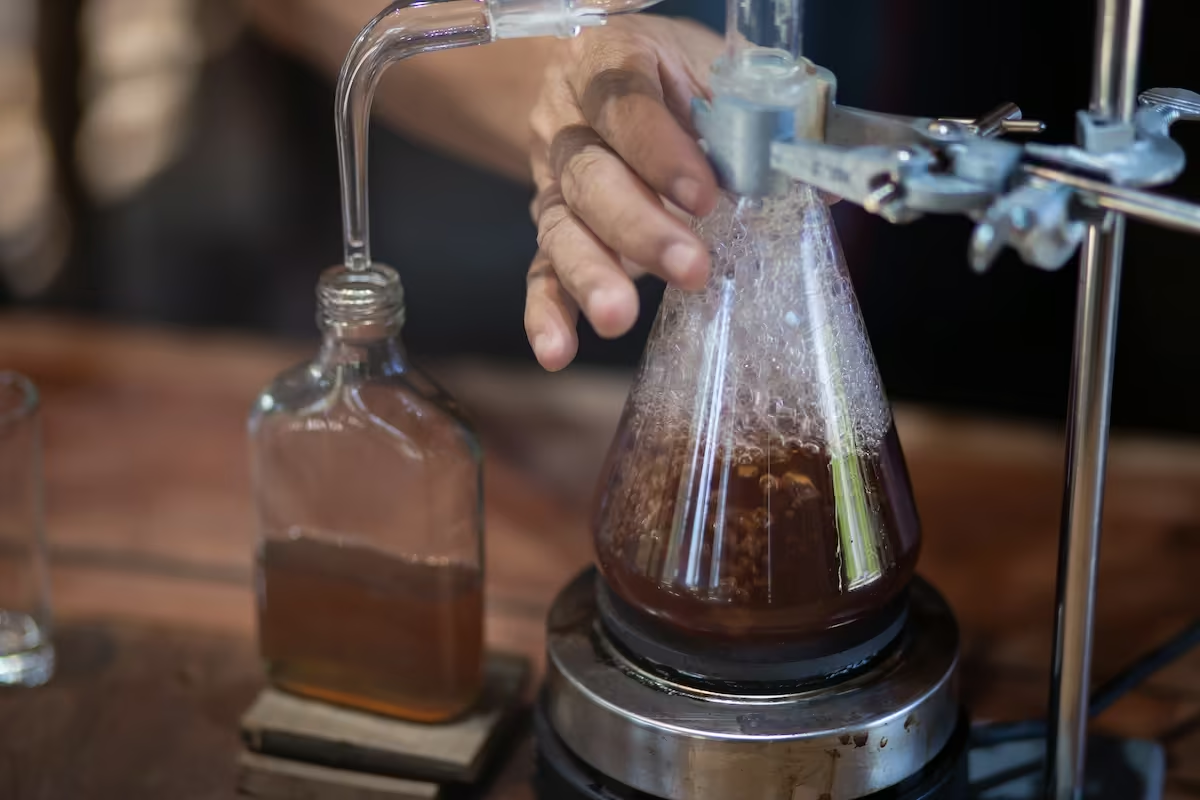
Alcohol distillation is the process of separating components in a liquid mixture based on differences in volatility, or more specifically, differences in boiling points at the same pressure. This is a physical method in which the original liquid, a fermented alcoholic solution often called “wash” or base wine, is heated until it turns into vapor. That vapor is then cooled and condensed back into liquid.
In a fermented alcoholic solution, the main components are water and ethanol. Ethanol has a lower boiling point than water, around 78.3°C compared with 100°C. When heated, ethanol evaporates faster and becomes more concentrated in the vapor stream. Condensing this alcohol-rich vapor produces the final product: a spirit with a significantly higher alcohol level than the original mixture.
The main goal of distillation is to increase alcohol content, or ABV, from the low level after fermentation, usually around 8-15% ABV, to the level of spirits, generally 38% ABV or higher.
2. Popular Types of Distilled Spirits
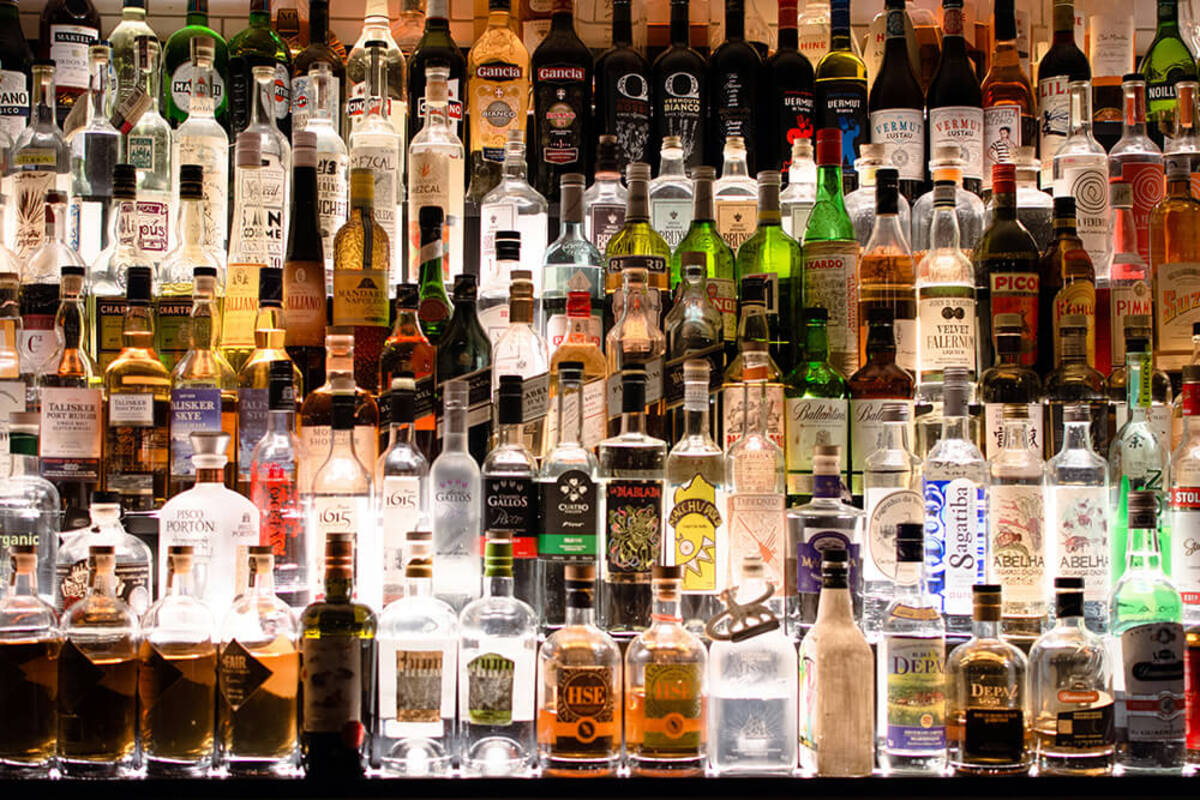
Distillation is the “magic” behind many famous and beloved spirits around the world. Below are the most representative examples.
2.1. Brandy
Brandy is a general name for spirits distilled from wine or other fermented fruits. The word “brandy” comes from the Dutch term “brandewijn”, meaning “burnt wine”. After distillation, Brandy is usually aged in oak barrels for at least two years to develop color and complex flavor. Cognac and Armagnac from France are two of the most prestigious Brandies in the world, both distilled from grape wine.
2.2. Gin
Unlike many other spirits, Gin begins with a highly purified neutral alcohol, usually distilled from grain. This spirit is then redistilled with botanicals, among which the mandatory and essential ingredient is juniper berry. Gin’s flavor is determined by its botanical recipe, which may include citrus peel, coriander, angelica root and many other spices.
2.3. Rum
Rum is the soul of the Caribbean, a spirit distilled from sugarcane products, mainly molasses or fresh sugarcane juice. There are many different Rum styles. White Rum, or light rum, is usually gentle and clear, and is the key ingredient in tropical cocktails such as Mojito. Gold Rum and dark Rum are aged in wooden barrels, bringing richer flavors of caramel, vanilla and spice.
2.4. Tequila
As Mexico’s national spirit, Tequila can only be produced in certain designated regions and must be distilled from fermented juice of the blue agave plant. Tequila carries the distinctive character of the land where it is born, with herbal aromas, agave sweetness and a touch of peppery heat.
2.5. Vodka
Vodka is known as one of the purest spirits. It can be distilled from almost any agricultural ingredient rich in starch or sugar, most commonly potatoes or grains such as wheat and rye. Vodka is typically distilled multiple times and carefully filtered, often through activated charcoal, to remove almost all flavor and color, creating a neutral, crystal-clear and smooth spirit.
2.6. Whiskey/Whisky
Whiskey, or Whisky in Scotland, Canada and Japan, is a general name for a group of spirits distilled from fermented grains, such as barley, corn, rye and wheat, then aged in oak barrels. The world of Whiskey is extremely diverse, with famous styles such as Scotch Whisky, Irish Whiskey, American Whiskey, Bourbon and Canadian Whisky. Aging in oak barrels is the key factor that gives Whiskey its signature amber color and complex flavors of vanilla, caramel, smoke and oak.
>> Do you know all the names and meanings of different alcoholic drinks?
3. So Why Don’t People Distill Wine?
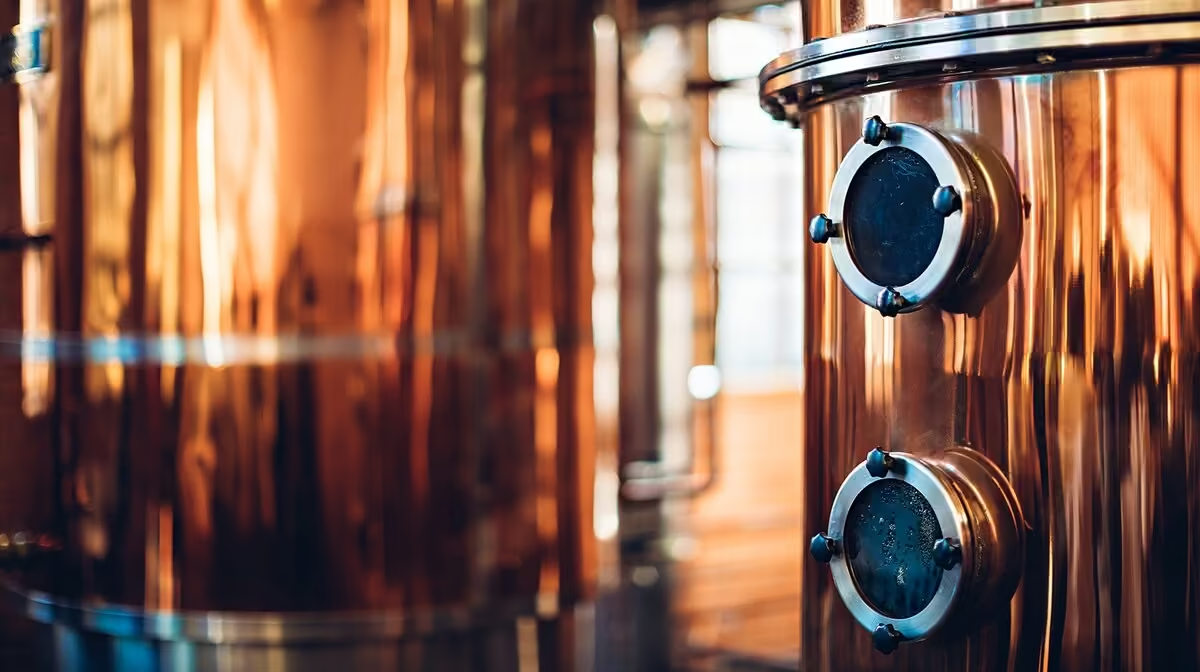
This seemingly simple question opens up an entire world of winemaking philosophy. Clearly, Brandy is made by distilling wine. So why is it not simply called “distilled wine”, and why is wine distillation not widely used to “upgrade” wine?
The answer lies in the soul and delicate nature of wine itself.
Wine is not simply an alcoholic drink. It is the result of a subtle combination of grape variety, tannin structure, the unique imprint of terroir, climate, fermentation technique and time. Wine contains hundreds of organic compounds that create its signature aromas and flavors, such as fruit, including plum, cherry, apple and citrus; flowers, including rose, lavender and violet; spices, including cinnamon, clove and pepper; and minerals, including wet stone, clay and limestone. These compounds are highly sensitive to high temperature.
If wine is exposed to high heat during distillation, the perfect balance between acidity, sweetness and tannin is broken. The process removes or significantly changes the delicate flavor nuances that define the value of a fine bottle of wine. Boiling wine strips away fresh fruit notes, complex earthy and mineral layers, and the soft tannin structure.
Therefore, for a bottle of wine that is already high-quality from the beginning, distillation is unnecessary and may even destroy its original value. You do not get a more concentrated aroma. Instead, you get an altered aroma that has lost its original freshness and vitality.
When is wine distilled?
Wine distillation does happen, but not to upgrade wine. It is done to create an entirely different category of drink.
Wine is distilled when producers want to change its purpose, creating a product with higher alcohol content and concentrating the core flavors of grapes before long-term aging. Brandy was created to serve as a spirit, completely different from light wine.
So people do not distill wine because the purpose of wine is to preserve and enjoy its subtle complexity, not to transform it into something else.
In short:
- Wine: Produced and enjoyed to preserve delicate, fresh flavors and express the characteristics of grapes and terroir.
- Brandy: The result of distilling wine to create an independent spirit with a different structure, alcohol level and drinking purpose.
4. The Most Common Distillation Methods Today
In the world of spirits, there are two main distillation methods. Each creates spirits with a distinctive style.
4.1. Pot Still Distillation
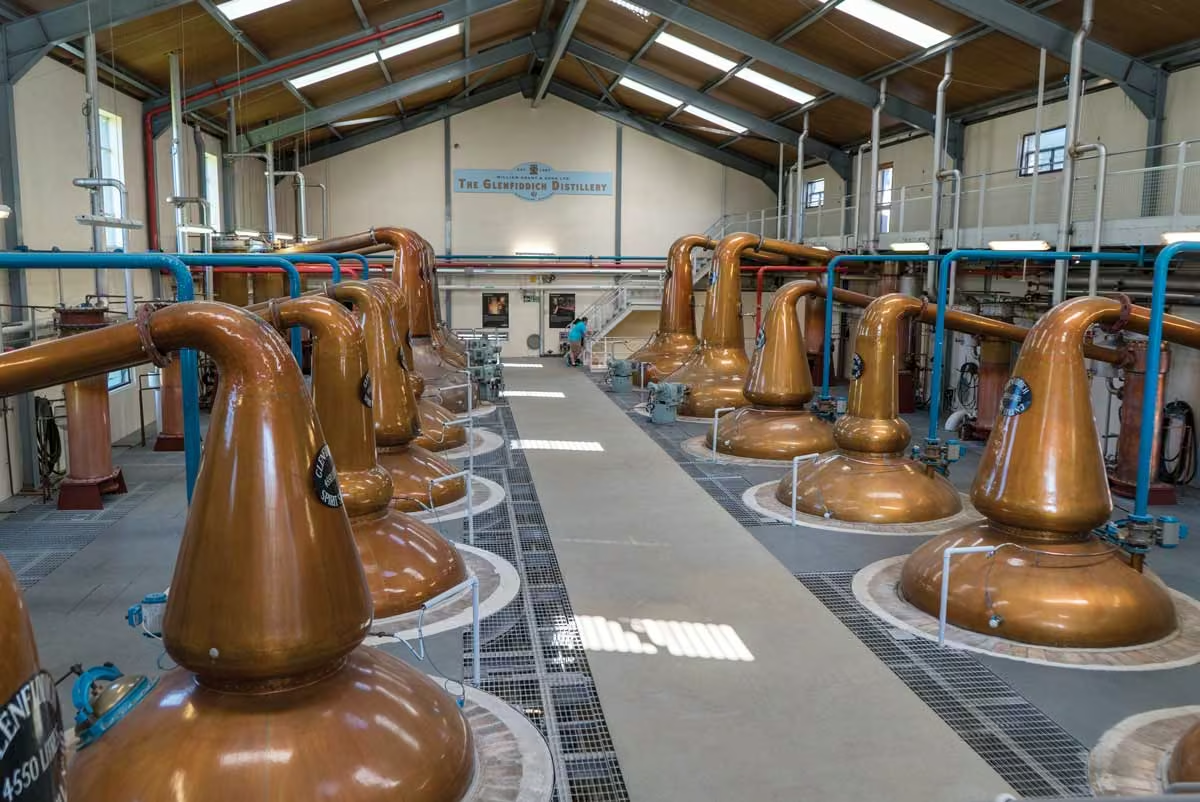
This is the oldest and most traditional distillation method, using copper stills with a characteristic onion-like shape.
- How it works: A Pot Still works in separate batches, known as batch distillation. The base alcohol is placed inside the pot and heated. Alcohol vapor rises through the curved neck, often called the swan neck, and is then condensed. To reach the desired alcohol level and purity, the process is usually repeated two or three times.
- Spirit character: This method is less efficient at separating alcohol from other compounds. However, this “weakness” is also its strength, because it preserves many rich flavors from the original ingredient. Spirits distilled in Pot Stills are usually full-bodied, complex and full of personality.
- Spirits made this way: Single Malt Scotch Whisky, Cognac, Armagnac and many artisanal Rums and Tequilas.
4.2. Column Still Distillation
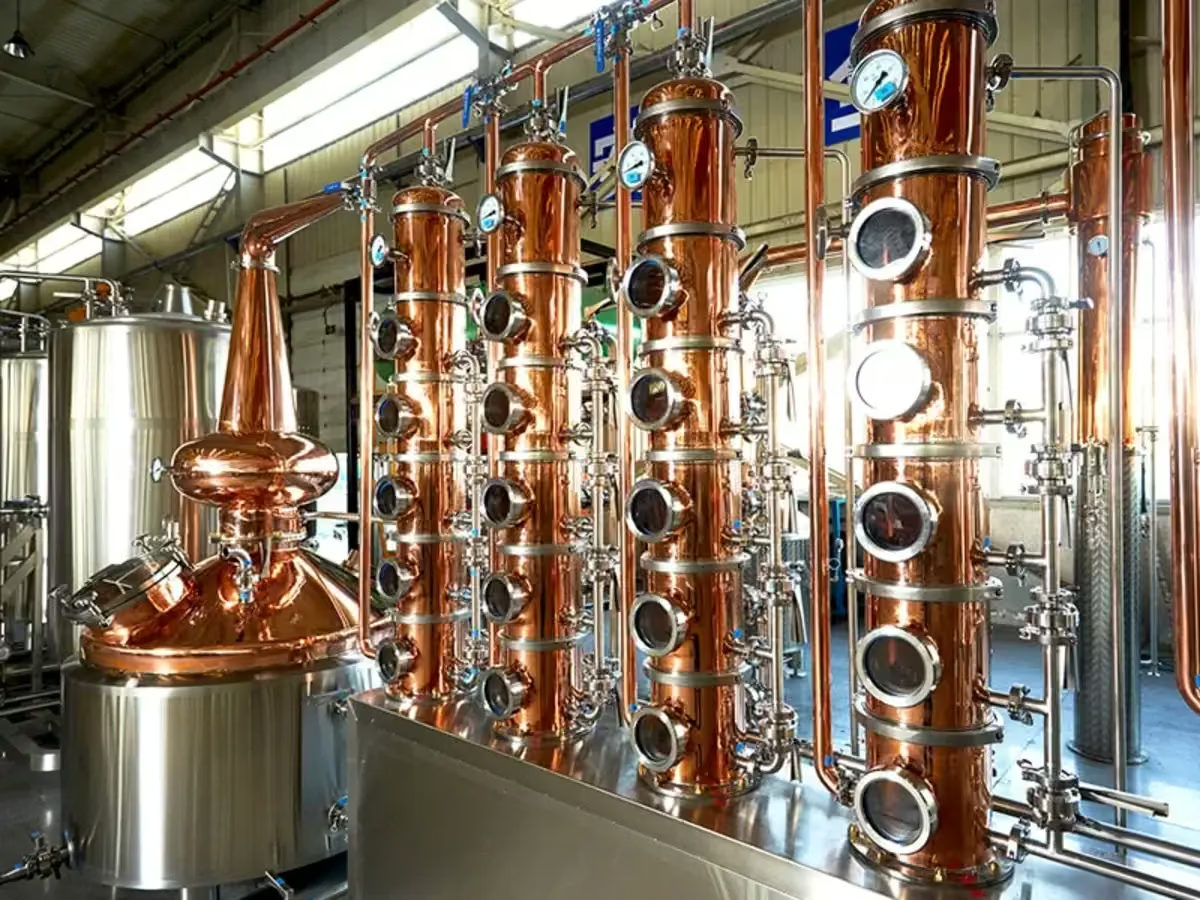
Also known as Coffey Still or Patent Still, this method was invented in the 19th century and revolutionized the spirits industry by allowing continuous and much more efficient distillation.
- How it works: A Column Still is a system of tall columns with many plates inside. The base alcohol is continuously pumped into the column from the top, while hot steam is introduced from the bottom. As the liquid flows downward, it repeatedly evaporates and condenses across the plates. This works like countless small distillations happening in sequence, separating alcohol extremely efficiently.
- Spirit character: This method creates alcohol with very high strength, sometimes up to 96% ABV, and excellent purity. The final spirit is usually lighter, smoother and more neutral than spirits from Pot Stills.
- Spirits made this way: Vodka, Gin, Bourbon, grain whisky, industrial Rum and more.
Final Thoughts,
Hopefully, this article has given you a clear answer to the question: “Why don’t people distill wine?” Clearly, distilling wine is not impossible, but it does not fit the purpose, nature or art of wine appreciation. Wine is born for us to sip its delicate aromas and complex evolution in the mouth, a beauty that the high heat of distillation would completely destroy.
Wishing you wonderful experiences on your journey through the colorful world of drinks.