
 Tiếng Việt

Correctly pronouncing the names of famous wines can sometimes be difficult for beginners. Many wine labels are written in foreign languages, making them hard to pronounce correctly if you are not familiar with those languages. Do not worry. In this article, we will help you pronounce famous wine names correctly so you can feel more confident when communicating in the world of wine.
1. Famous White Wine Names
Sauvignon Blanc
(pronunciation: Saw-vee-nyon Blahnk / Sô-vi-nhông Blăng)
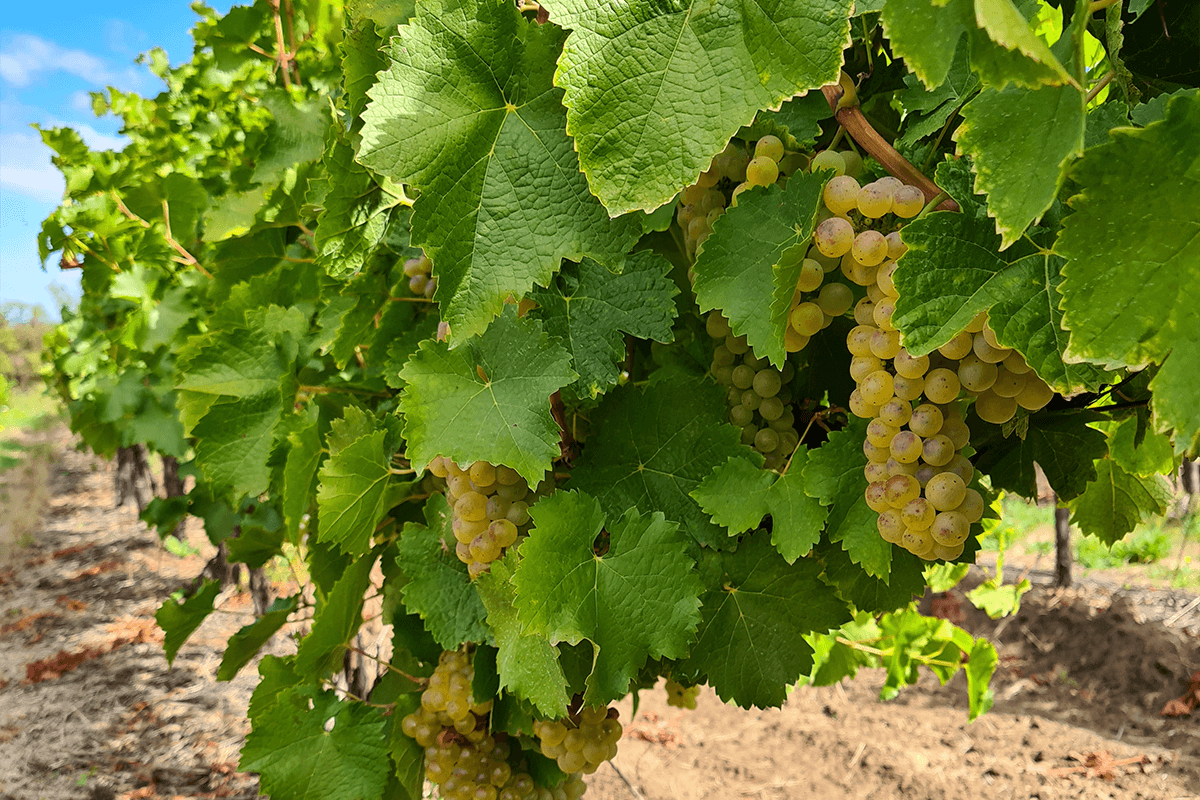
One of the most popular white wines in the world is Sauvignon Blanc. It is grown in many places, but the most famous wines come from France’s Loire Valley, its homeland, and New Zealand, where this grape variety stands out with intense and explosive aromas as soon as the bottle is opened. Perhaps one of the most interesting facts about this white grape is that Sauvignon Blanc is one of the parent grapes of the famous Bordeaux and Napa Valley red grape – Cabernet Sauvignon!
Depending on where it is grown, Sauvignon Blanc wine can show flavors of lemon, freshly cut grass, minerals or slate, gooseberry, grapefruit, passion fruit and melon. Sauvignon Blanc usually suits cool climates, although it can also be found in temperate regions. This wine has distinctive aromas and lively acidity, making it a wonderful companion for creamy goat cheese or seafood.
Chardonnay
(pronunciation: Shar-doh-nay / Chạc-đô-nây)
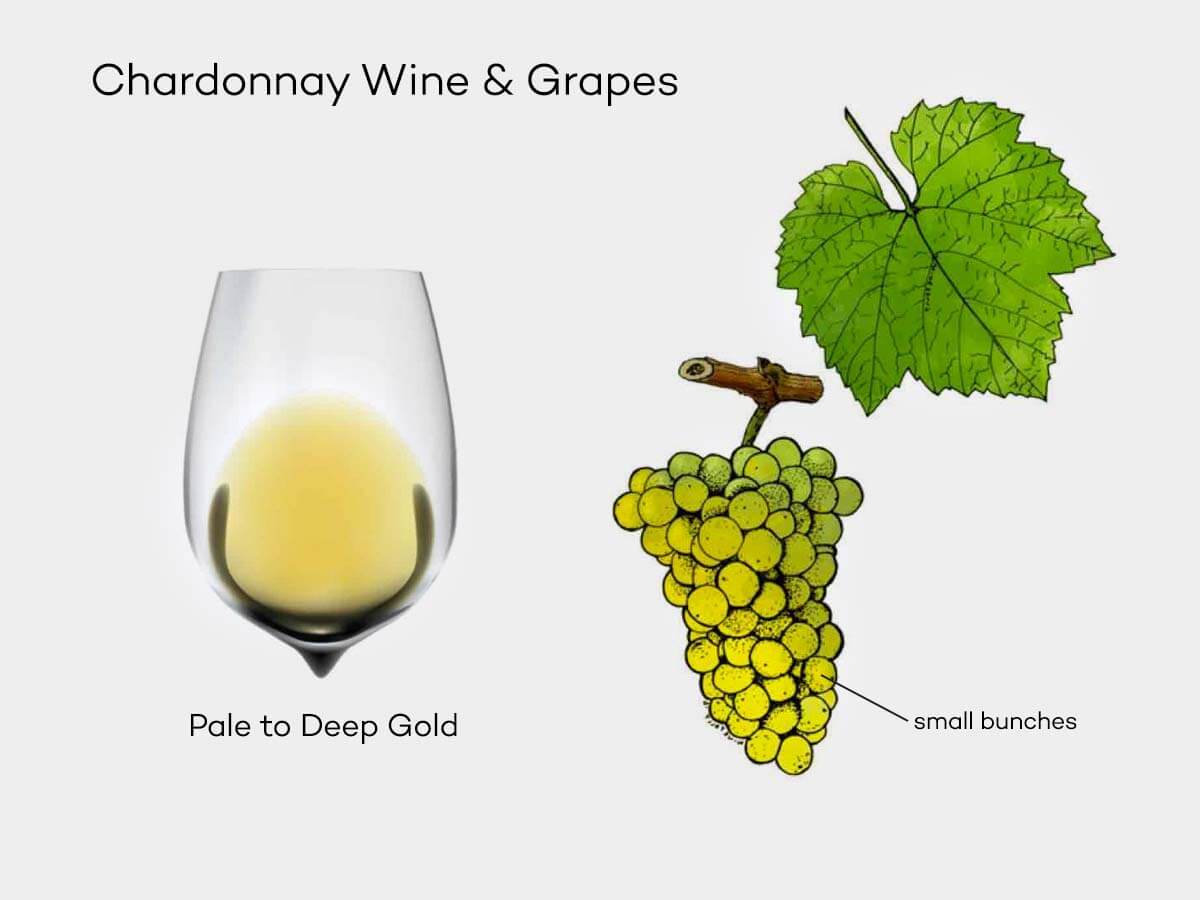
Chardonnay is a famous white grape variety that produces fresh and easy-drinking wines. Chardonnay wines express notes of apple, pear, citrus, cream and butter, especially due to malolactic fermentation. Chardonnay can adapt to many climates, from cool to temperate, creating a wide range of rich wine styles.
Chenin Blanc
(pronunciation: Sheh-nin-Blahnk / Sơ-nanh-Blăng)
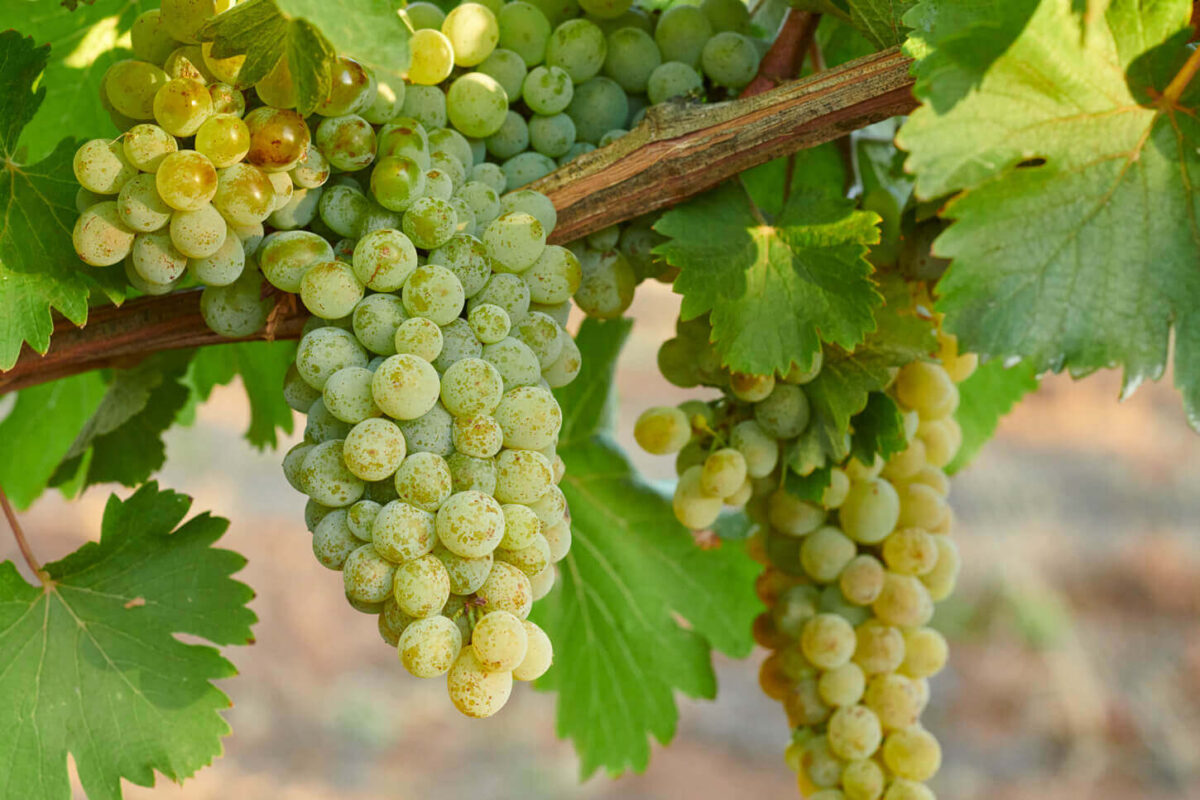
Chenin Blanc is a star of the Loire Valley and has become popular around the world. Although wines are often made in a dry style, when affected by botrytis, Chenin Blanc grapes can also produce excellent dessert wines. A honeyed flavor is a common characteristic, combined with apple, pineapple, pear and spice. Chenin Blanc wines have bright floral aromas, high acidity and a gentle structure.
Pinot Gris
(pronunciation: Pee-noh Gree / Pi-nô Gri)
Also known as Pinot Grigio, pronounced Pee-noh Gree-joh / Pi-nô Gri-giô, this is the name of a grape variety originating from France and Italy. In France, it is mainly grown in Alsace. Wines made from Pinot Gris often have many flavors, with notes of cinnamon and fennel, combined with tropical hints such as ginger and banana. Common fruit aromas in this wine include pear, apricot, peach and apple. In Italy, Pinot Gris is often made in a lighter and more delicate style, with aromas of pear and citrus. This wine is usually enjoyed young, although richer versions can be stored for a few years.
2. Famous Red Wine Names
Pinot Noir
(pronunciation: Pee-noh Nwahr / Pi-nô Noa)
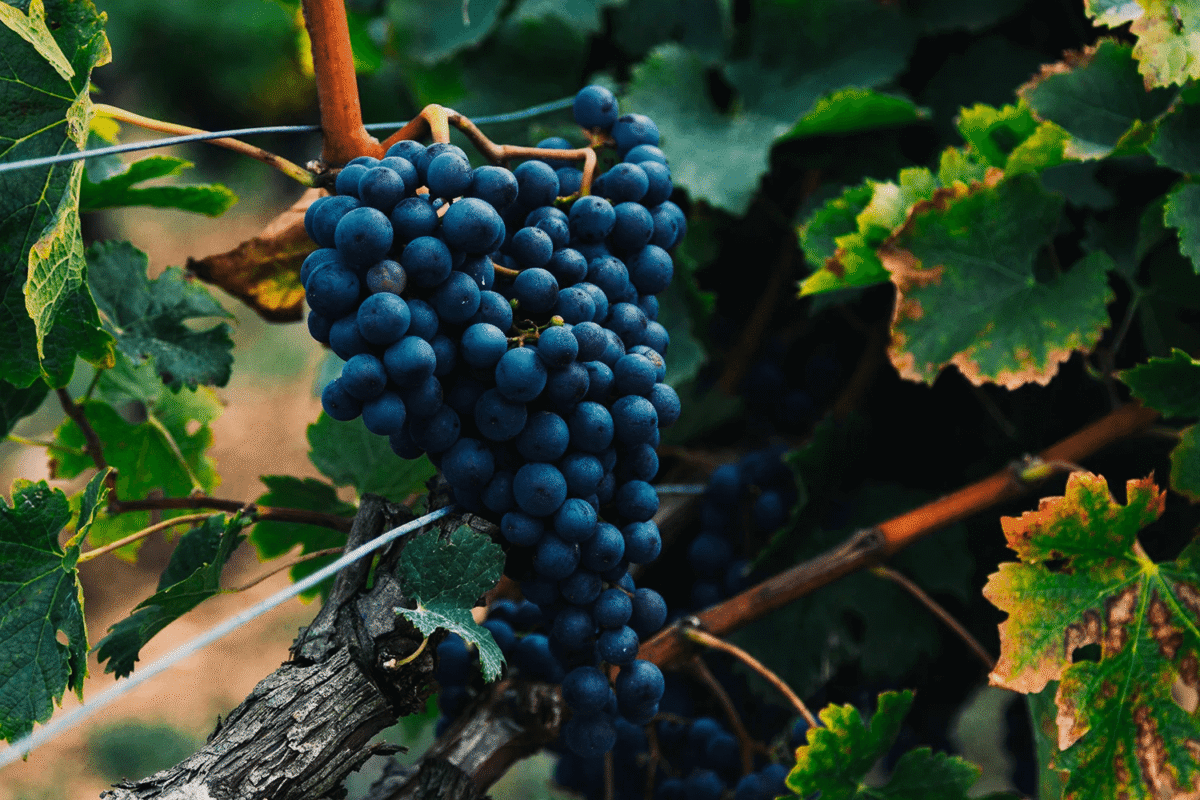
Ask any winemaker and they will tell you that Pinot Noir is a difficult grape to grow. It is famously demanding and requires very specific vineyard conditions to truly thrive. Its homeland is Burgundy, France, where some of the most expensive and sought-after wines in the world are produced. However, brave growers around the world, from California to Chile, also produce excellent Pinot Noir wines at much more approachable prices.
Pinot Noir stands out with delicate floral aromas and thin grape skins, creating a pale ruby color. The wine has bright acidity and is easy to pair with food thanks to soft tannins and flavors of cherry, raspberry, strawberry, truffle and sometimes rose petals.
Cabernet Sauvignon
(pronunciation: Ka-ber-nay Saw-vee-nyon / Ca-béc-nê Sô-vi-nhông)
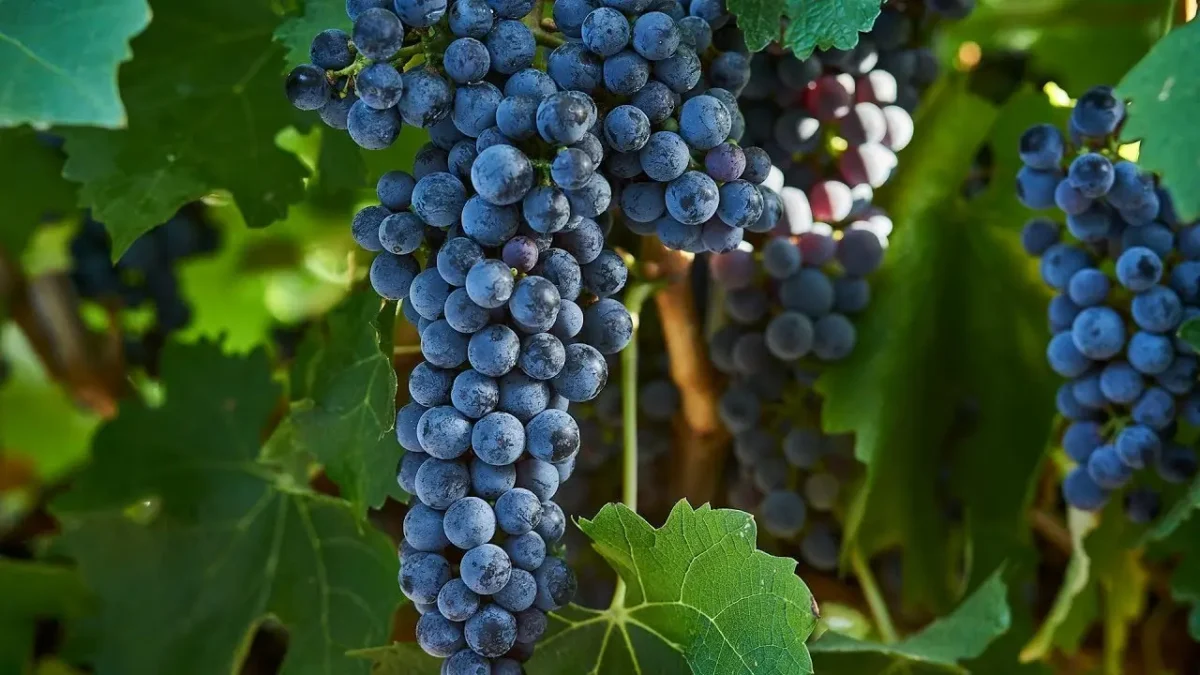
This is one of the most loved red wines in the world. We already know that one of its parent grapes is Sauvignon Blanc, while the other is Cabernet Franc. The thick grape skin is responsible for Cabernet’s deep color and powerful tannins. Depending on where it is grown, Cabernet Sauvignon offers fruit flavors of red and black currant, blackberry, black cherry, plum and green bell pepper. Cabernet Sauvignon wines are often aged in oak barrels to soften tannins and add new notes such as cedar and tobacco.
Cabernet Sauvignon usually ripens in temperate or warm climates, where it produces full-bodied and firmly structured wines. It has high acidity and high tannin content, making it suitable for wines with long aging potential.
Merlot
(pronunciation: Mer-loh / Méc-lô)
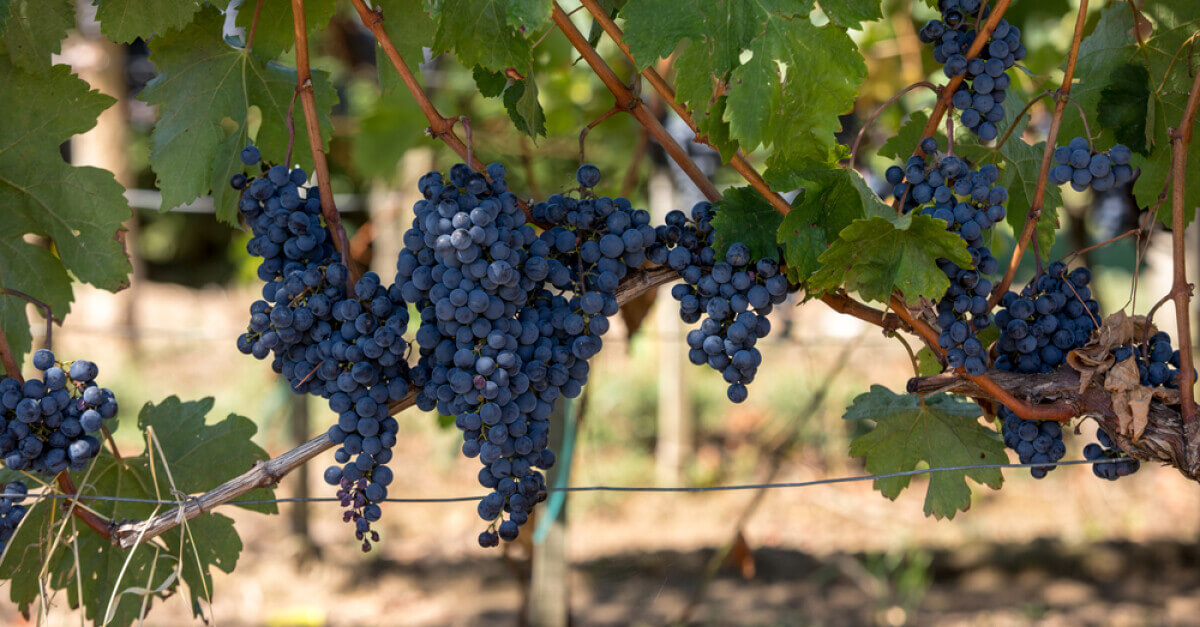
Merlot is the ideal companion to Cabernet Sauvignon, especially in Bordeaux, where both grapes originate. Merlot brings roundness and richness to wine. In warm climates, Merlot wines stand out with aromas of blackberry, plum and black cherry. These characteristics come from soft tannins and higher alcohol levels. As Merlot matures, its signature fruit and chocolate notes begin to appear. In temperate regions, Merlot shows more freshness and refinement, with flavors of red berries and mint, along with higher tannins and acidity that provide long aging potential.
Syrah
(pronunciation: See-rah / Shi-ga)
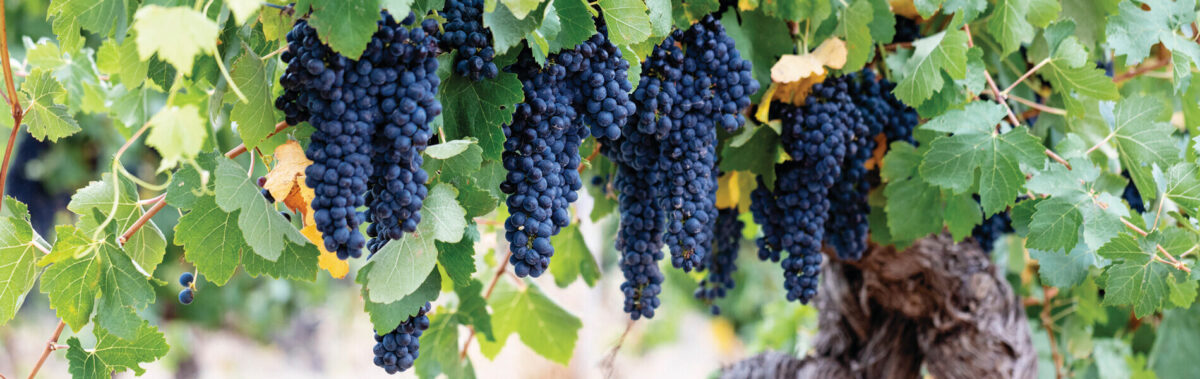
Quality wines from this grape are mainly found in France and Australia, where it is also known as Shiraz. Shiraz wines are very deep in color, with moderate acidity and soft but noticeable tannins. Syrah develops fascinating nuances in various climates, except very cool ones. In temperate climates, it brings vegetal and herbal aromas combined with smoked meat and spices such as black pepper. In warmer climates, Syrah offers ripe black fruit flavors combined with sweet spice and licorice, creating its distinctive identity.
3. Common Mistakes When Pronouncing Famous Wine Names
- Mispronouncing sounds in French words
French wine is among the most famous in the world, but its names can be difficult for non-native speakers to pronounce. Even long-time wine lovers may make mistakes when pronouncing wine names. One common mistake is stressing the wrong syllable or pronouncing the sounds unclearly.
French has silent letters and stress patterns that are very different from Vietnamese or English. For example:
❌ “Sâu-vin-non bờ-lanh” → ✅ Sô-vi-nhông Blăng
❌ “Chát-đô-nay” → ✅ Chạc-đô-nây
- Pronouncing wine names inaccurately
Most grape varieties used for winemaking originate from France or other European countries. If you pronounce them like ordinary English words, misunderstandings can easily happen. This not only reduces the quality of the conversation but may also lead others to misunderstand which wine you are referring to.
Correct pronunciation not only helps you communicate more effectively but also shows respect for the culture behind each wine.
Final Thoughts,
Learning how to correctly pronounce the names of famous wines not only helps you feel more confident at parties, but also shows respect for winemaking culture. Hopefully, this article will help improve your pronunciation and make your time enjoying your favorite wines more complete. Wishing you many exciting experiences in the wine world. We believe you are ready!