
 Tiếng Việt

Choosing the right wine is not always easy, especially when it comes to sweet wines. Many people are captivated by their soft, sweet and refreshing flavors, along with rich layers of fruit aromas. However, to truly enjoy the refinement of sweet wines, it is important to understand the characteristics of each type, as well as the right food pairings. So, without making you wait any longer, let Hedon explore the fascinating world of sweet wines in the article below.
1. How Is Sweet Wine Made?
Sweet wine is wine that contains a high level of residual sugar after fermentation, usually from 12 to 45 grams of sugar per liter. Unlike dry wine, the sweetness in sweet wine does not come from added artificial sugar. Instead, it is the result of a special production process.
Residual sugar is the natural sugar found in grape juice that has not been converted into alcohol during fermentation. This is the key factor that creates the sweet, fresh flavor often associated with tropical fruit notes such as peach, apricot and pineapple, along with touches of honey or spice.
>>> Learn more about how to choose sweet wine that best suits each taste preference.
2. Famous Sweet Wines Around the World

So, what types of sweet wine are there? Below is a list of the best sweet wines, outstanding in quality, flavor and production tradition:
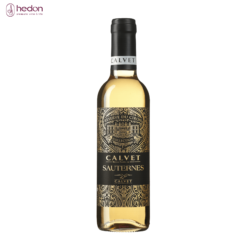
2.1. Sauternes, France
- Production region: Bordeaux, France
- Characteristics: Sauternes is one of the finest premium sweet wines, made from grape varieties such as Sémillon, Sauvignon Blanc and Muscadelle. The wine has a sweet flavor balanced by fresh acidity, with notes of honey, peach, apricot and herbs.
- Production process: Sauternes is made from grapes affected by Botrytis cinerea, also known as noble rot, which reduces water content in the grapes and concentrates sugar, creating a rich sweet wine.
2.2. Tokaji, Hungary
- Production region: Tokaj region, Hungary
- Characteristics: Tokaji is Hungary’s signature sweet wine, especially famous for Tokaji Aszú. This wine has a rich, sweet flavor with notes of honey, orange and dried peach. Tokaji Aszú is produced from grapes affected by Botrytis, which increases sweetness and flavor complexity.
- Production process: Botrytis-affected grapes are carefully harvested and fermented to create this famous sweet wine.
2.3. Moscato d’Asti, Italy
- Production region: Piedmont, Italy
- Characteristics: Moscato d’Asti is a sweet white wine with low alcohol content and a very easy-drinking style. This sweet Italian wine has signature aromas of jasmine, peach and citrus, along with freshness and gentle sweetness. In particular, Moscato d’Asti often has a light sparkle, adding a refreshing sensation when enjoyed.
- Production process: Moscato d’Asti is made from the Moscato Bianco grape and is usually produced through natural fermentation.
2.4. Port, Portugal
- Production region: Douro region, Portugal
- Characteristics: Port is a strong sweet wine, often made from grape varieties such as Touriga Nacional, Tinta Roriz and Tinta Barroca. Port has high alcohol content, rich sweetness and intense flavors of dried fruit, chocolate, spice and honey.
- Production process: Port is fermented and then fortified with brandy, helping preserve sweetness and increase alcohol content.
2.5. Ice Wine, Canada and Germany
- Production region: Ontario, Canada, and Mosel, Germany
- Characteristics: Ice Wine, also known as Eiswein, is made from grapes frozen naturally on the vine. This wine has a sweet and rich flavor with notes of tropical fruit, honey and fresh fruit. It has high acidity, which balances the sweetness and creates a refreshing sensation.
- Production process: Grapes are harvested while frozen on the vine in winter, then pressed to extract thick, sweet juice. Fermentation takes place at very low temperatures.
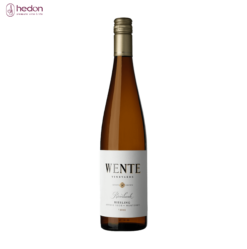
2.6. Riesling, Germany, France and the United States
- Production region: Mosel and Rheingau, Germany; Alsace, France; California, United States
- Characteristics: Riesling is a famous grape variety capable of producing many wine styles, from dry to sweet. Sweet Riesling has fresh fruit flavors such as apple, peach and honey, along with high acidity that balances the sweetness.
- Production process: Sweet Riesling is often made from grapes harvested at full ripeness or affected by Botrytis, creating a sweet and rich flavor profile.
2.7. Vin Santo, Italy
- Production region: Tuscany, Italy
- Characteristics: Vin Santo is an Italian sweet wine made from Trebbiano and Malvasia grapes. The wine has sweet flavors with notes of dried fruit, almond and honey. Vin Santo is often aged in small wooden barrels, creating a distinctive and complex flavor.
- Production process: Grapes are dried before fermentation to intensify sweetness and flavor.
2.8. Sherry, Spain
- Production region: Jerez, Spain
- Characteristics: Sweet Sherry, especially styles such as Pedro Ximénez, PX, is a fortified wine with flavors of dried fruit, chocolate, honey and spice. This Spanish sweet wine has an intense, dense and layered sweetness.
- Production process: Sherry is fermented and then fortified with brandy before being aged in wooden barrels. PX Sherry is a special sweet wine made from Pedro Ximénez grapes.
2.9. Vin Doux Naturel, France
- Muscat de Beaumes-de-Venise, Rhône Valley, France
This is one of the most famous Vin Doux Naturel wines, made from Muscat Blanc grapes. The wine has aromas of jasmine, citrus and tropical fruit, along with harmonious natural sweetness. It has a smooth structure and is a popular choice for parties or dessert pairings.
- Rivesaltes, Languedoc-Roussillon, France
This is a Vin Doux Naturel made from grape varieties such as Grenache or Mourvèdre, and it can be red, white or rosé. Rivesaltes has a powerful and rich flavor, with notes of dried fruit, honey and spice.
- Banyuls, Roussillon, France
Banyuls is a famous Vin Doux Naturel, especially bottles made from Grenache grapes. The wine has a deep red color and complex flavors with notes of fruit jam, chocolate and spice. This is a perfect sweet wine to pair with chocolate desserts.
- Maury, Roussillon, France
Like Banyuls, Maury is a Vin Doux Naturel made mainly from Grenache Noir. The wine has a sweet flavor with notes of berries, spice and chocolate. Maury is often aged in wooden barrels, giving the wine extra depth and complexity.
3. Guide to Serving Sweet Wine

Enjoying sweet wine can become a delightful experience if you follow a few basic steps. Below is a guide to enjoying sweet wine properly:
- Ideal serving temperature: Sweet wine should be served chilled, from 6-10°C. A cold temperature helps highlight the wine’s sweetness and makes it more pleasant to drink.
- Choose the right glass: Use a glass suitable for each type of sweet wine. For example, a Port glass is ideal for serving rich and sweet Port wines, while a Champagne flute is perfect for sparkling dessert wines such as Moscato d’Asti. Choosing the right glass not only enhances the wine’s aromas but also makes the tasting experience more complete.
4. What to Eat with Sweet Wine?
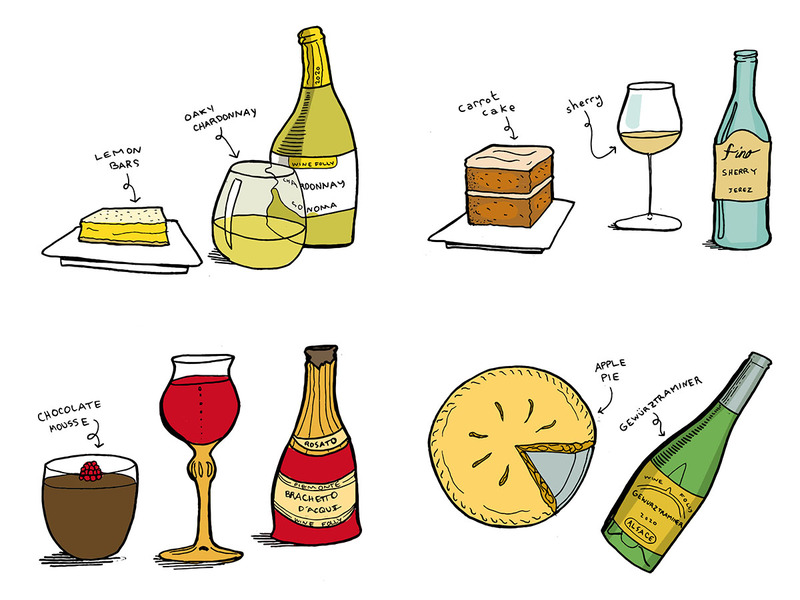
Because of the name, people often think sweet wine only pairs with sweet foods. Although sweet wines do pair well with many desserts, they can also show excellent pairing potential throughout a meal. The key is to ensure balance between acidity and sweetness so the palate is not overwhelmed by overly intense flavors.
It is best not to serve sweet wine before dry wine. If you plan to serve dry white wine or red wine, it is better to save sweet wine for dessert. However, you can absolutely enjoy sweet wine throughout the meal. Below are several pairing suggestions:
- Appetizers: Sweet wine is ideal for highlighting special dishes made with foie gras and toast.
- Main courses: A glass of sweet wine can surprise the palate when paired with strongly spiced Asian dishes or spicy foods. Its soft flavor and fruity character pair beautifully with dishes that are both sweet and savory, highlighting the wine’s smooth texture.
- Cheese: Sweet wine can stand alongside powerful red wines when paired with strong cheeses such as blue cheese, creating a satisfying tasting experience.
- Desserts: Prioritize fruit-based desserts to highlight the natural acidity in fruit. Chocolate dishes such as cakes or mousse also harmonize beautifully with the wine’s sweetness.
| Food | Suggested Sweet Wine Pairing |
|---|---|
| Foie gras, pâté | Sauternes, Tokaji |
| Spicy and bold Asian dishes | Riesling, Moscato d’Asti |
| Blue cheese | Port, Sherry PX |
| Fruit desserts | Ice Wine, Vin Doux Naturel |
| Chocolate, mousse | Banyuls, Maury |
Note: Sweet wine should be served at 9 or 10°C, slightly chilled and cooler than dry white wine. When served at the right temperature, sweet wine clearly expresses the character of the vineyard and offers a personality that is both refined and sweet.
Final Thoughts,
The world of sweet wines is not only diverse but also highly refined. From the gentle, easy-drinking character of Moscato to the rich depth of Sherry, each sweet wine has its own personality. When paired correctly with food and served properly, sweet wines become the perfect highlight for any party.
Are you ready to explore and enjoy wonderful sweet wines? Try them today and experience stylish sweetness in every drop.