Tiếng Việt

Riesling is a white grape variety that creates wines with a wide range of flavors. Riesling is usually easy to recognize thanks to its abundant fruit and fresh floral aromas – unlike Sauvignon Blanc, which often leans more toward herbal notes.
1. The Riesling Grape Variety
1.1. A Brief History of the Riesling Grape
The history of Riesling is somewhat unclear, but it is believed to have originated in Germany’s Rhine region. The first recorded mention of this grape dates back to 1435, in a transaction involving the purchase of Riesling vines for a German count. Riesling became increasingly popular, to the point that in 1787, the Archbishop of Trier ordered all inferior vines to be replaced with Riesling. By the 1850s, Riesling had become a fashionable and highly sought-after wine, commanding higher prices than Bordeaux and Champagne.
1.2 Characteristics of the Riesling Grape
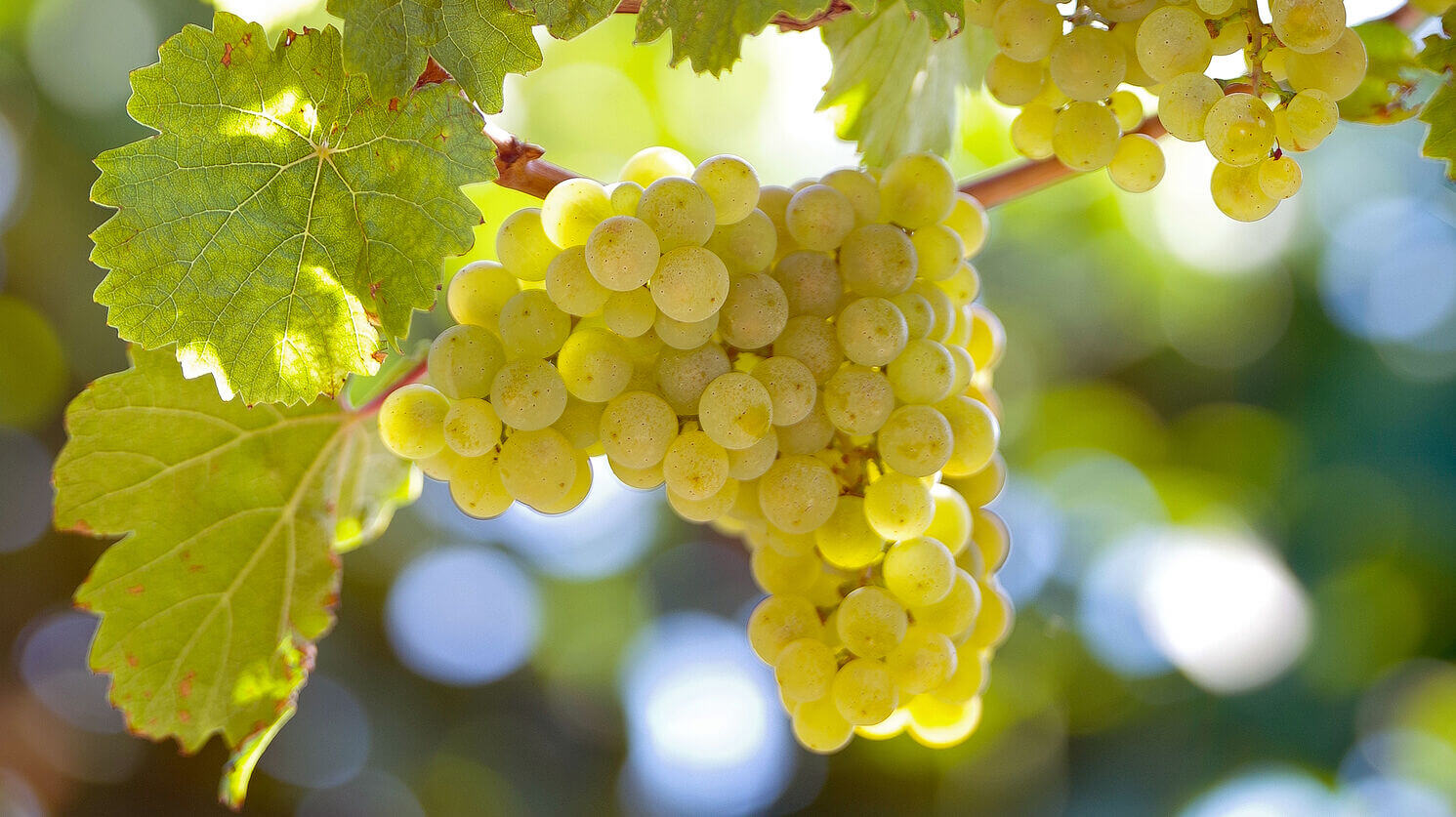
Riesling is a grape variety that ripens slowly while preserving acidity very well in the fruit. This makes it especially suitable for late harvest production in regions with sunny, dry autumns and stable temperatures. When harvested late, Riesling often develops aromas of tropical fruit such as mango, peach, apricot and pineapple. Late-harvest grapes can be used to produce wines ranging from sweet to dry. Riesling also responds very well to Noble Rot, when grapes are affected by Botrytis fungus, which further concentrates the sugar in the berries and creates a highly beloved style of sweet wine.
2. Wine Made from Riesling Grapes
2.1 Flavor Profile of Riesling Wine
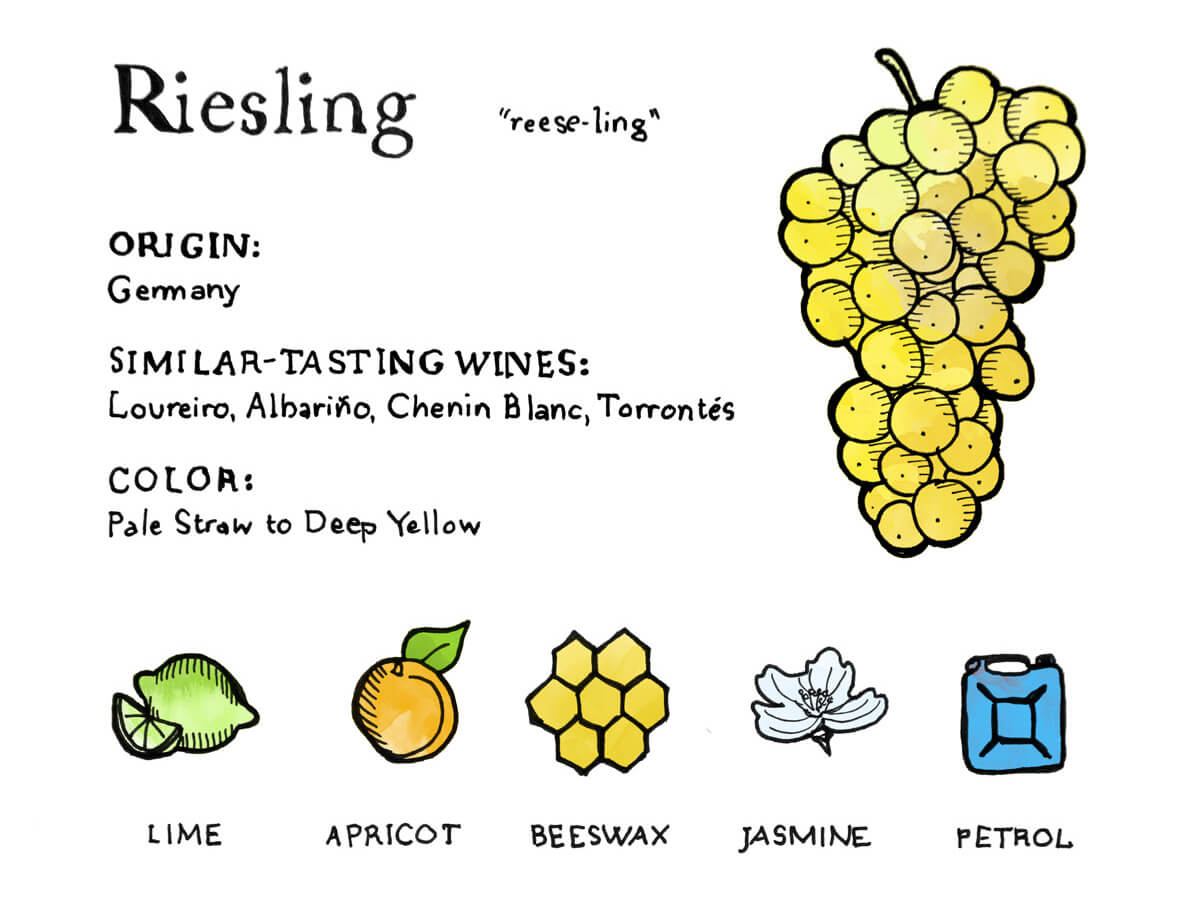
In cool-climate regions, if Riesling grapes are harvested just as they ripen, the wine often shows aromas of green fruits such as apple and grape, along with floral notes, and sometimes lemon or lime. In warmer climates, the main aromas are usually lemon and stone fruits such as peach. Some Rieslings from warmer regions show very intense aromas of fresh lemon and peach.
High acidity and concentrated fruit aromas allow Riesling to age in the bottle for a very long time without losing its distinctive character. On the contrary, aging can create signature aromas such as honey and toast. The petrol-like aroma, which is very distinctive, also often appears in high-quality Riesling wines.
2.2 Food Pairings with Riesling Wine
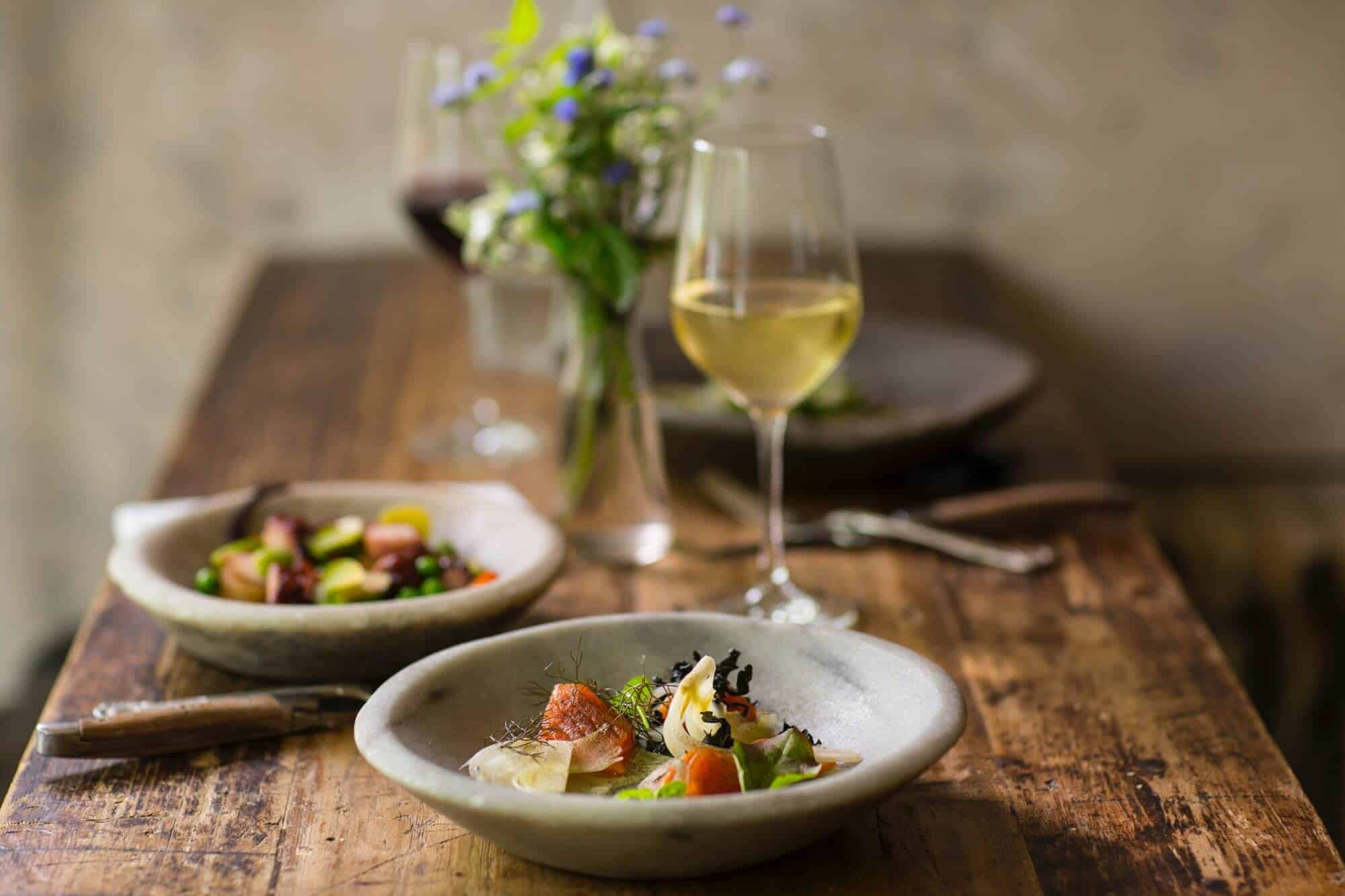
Because Riesling is highly versatile, it pairs easily with many different types of food. Its fresh flavor and pleasant acidity make it suitable with seafood such as shrimp, salmon, tuna and salads. In addition, lightly spiced Asian dishes such as sushi, sashimi, Chinese-style stir-fries and spicy Thai curry are also excellent choices. If you love desserts, do not hesitate to pair Riesling with sweet treats such as apple tart, caramel ice cream, panna cotta and fresh fruit.
3. The Best Riesling-Producing Regions in the World
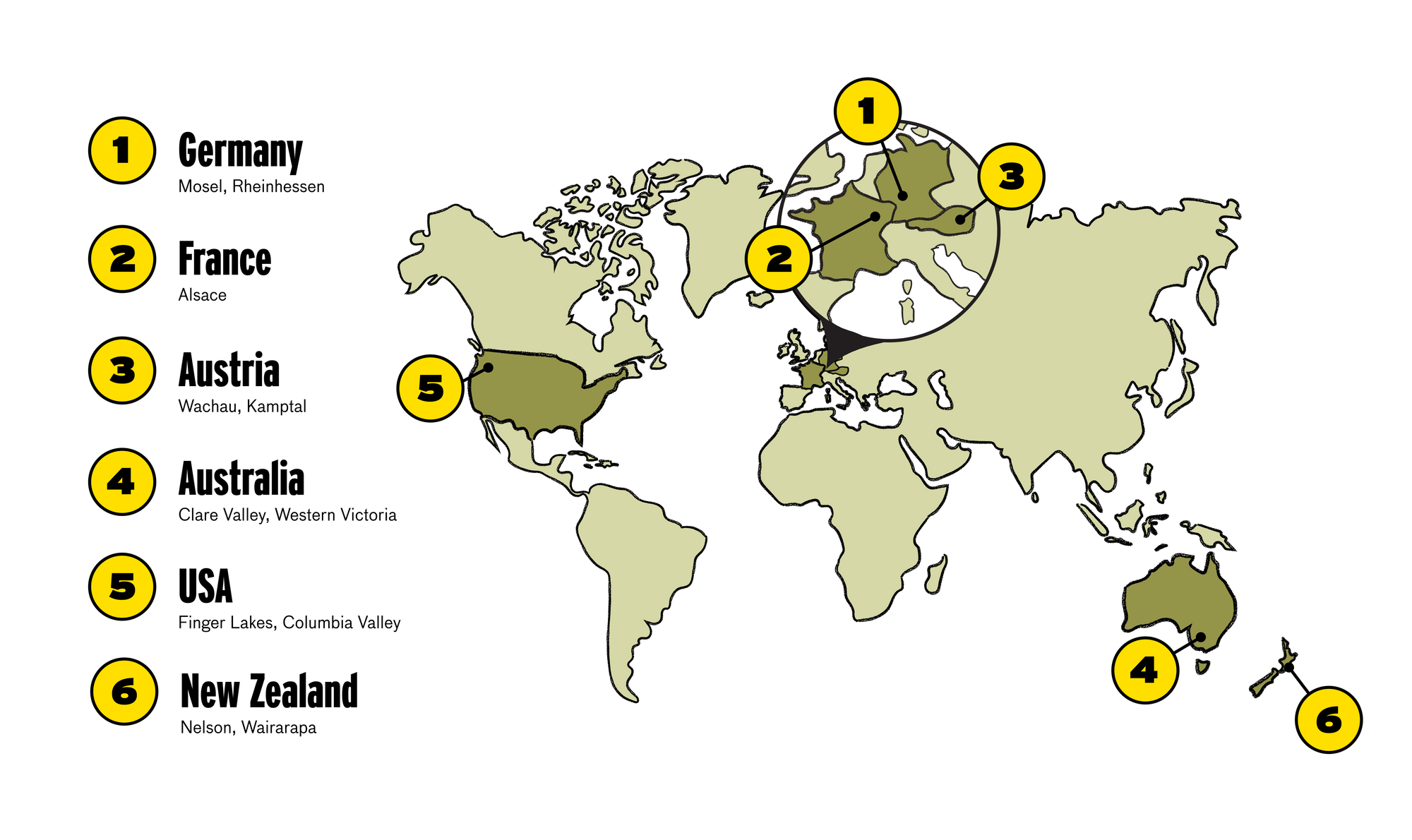
- Germany is the homeland of Riesling, producing many different Riesling styles. Basic Rieslings here are often made under the Qualitätswein classification – wines with lower alcohol, gentle sweetness, refreshing acidity and fresh fruit aromas – or under the higher Prädikatswein classification. Germany’s Mosel region produces some of the lightest Rieslings, with moderate sweetness and fairly high acidity. Rheingau is a smaller wine region whose Rieslings tend to have higher alcohol and less sweetness than Mosel. In southern Germany, Pfalz produces wines with moderate sweetness and medium alcohol. Rheinhessen, Germany’s largest wine region, often produces Rieslings with higher alcohol levels.
- Alsace, located in northern France, produces some of France’s most famous Rieslings. Here, vines are planted on east-facing hillsides, receiving sufficient sunlight and benefiting from a warm autumn climate. This allows the grapes to develop well and gives the wine aromas of lemon, lime and stone fruits. Alsace has complex terroir, with many different soil types across the region, allowing it to produce very different wines from the same grape variety. High-quality French Rieslings can age in the bottle for a long time and develop distinctive aromas of smoke, honey and sometimes aromatic petrol notes.
- Australia also produces many excellent Rieslings, especially from Clare Valley and Eden Valley. Wines from these regions are usually dry, high in acidity and medium in alcohol, with signature aromas of lemon and lime. As they mature, they develop the characteristic petrol note. Sweet Rieslings are also produced here in notable quantities.
- In New Zealand, high-quality Riesling is mainly concentrated in the southern part of the country. Wines from this region are diverse in style, ranging from sweet to dry, with high acidity and intense aromas of green apple, grape and lime. Most New Zealand Rieslings are best enjoyed young, although some develop honeyed aromas as they mature.
4. Quality Riesling Wines Available at Hedon
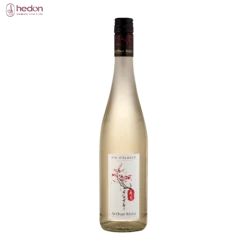
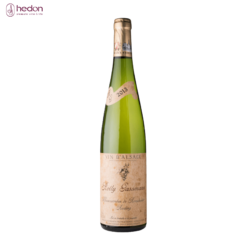
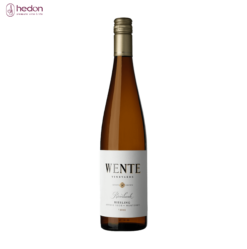
Below are several quality Riesling wines currently available at Hedon that you can explore. Readers can contact Hedon Wine Hub for more detailed wine consultation.