


 Tiếng Việt
Aging wine in oak barrels is not only a technical process, but also an art of nurturing and maturing wine. To many people, an oak barrel may simply be a container, but in the world of wine, it is considered a silent “artisan” capable of completely transforming the flavor of wine.
1. The History of Oak Barrels
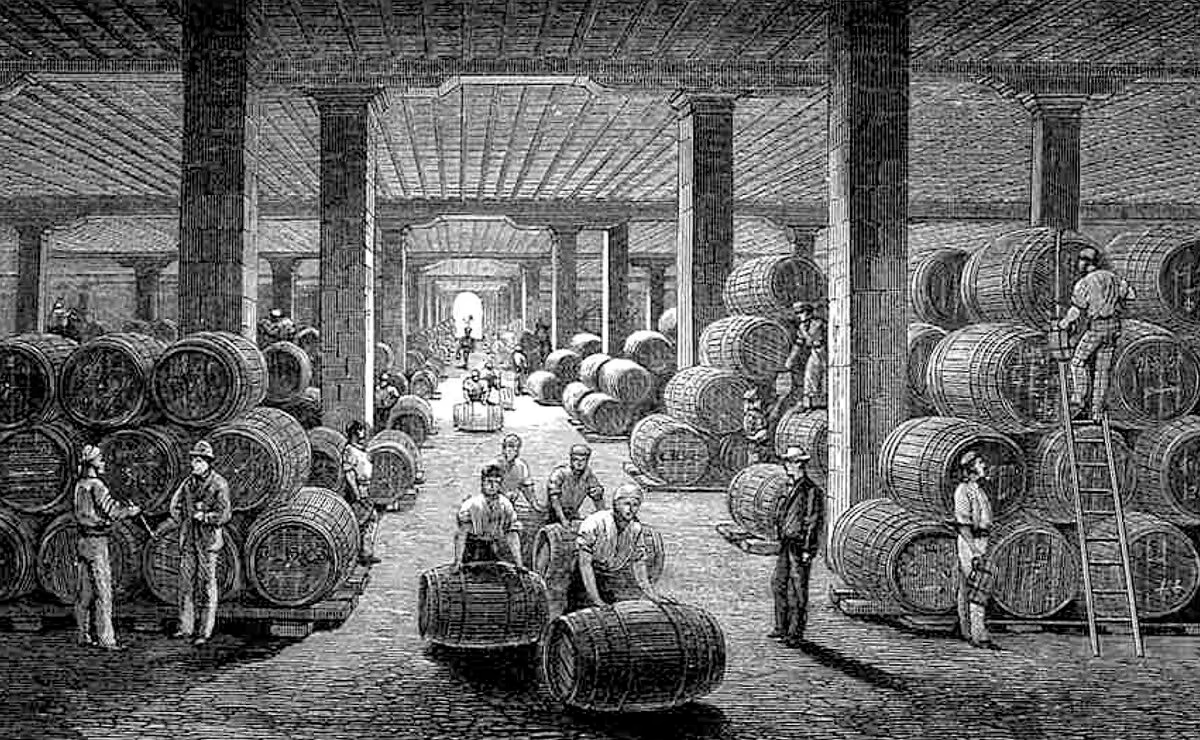
Few people know that using oak barrels to age wine was actually an accidental discovery. In ancient times, people initially used clay and terracotta vessels to store wine. However, these vessels were very fragile during transportation.
The Romans, while searching for more durable containers, learned from the Gauls, ancient people of France, how to use wooden barrels. They chose oak because this wood was durable, easy to find and easy to bend. Unexpectedly, wine was not only preserved better, but also became more aromatic, rounded and delicious. From there, the industry of aging wine in oak barrels was born.
2. Why Is Wine Aged in Oak Barrels?
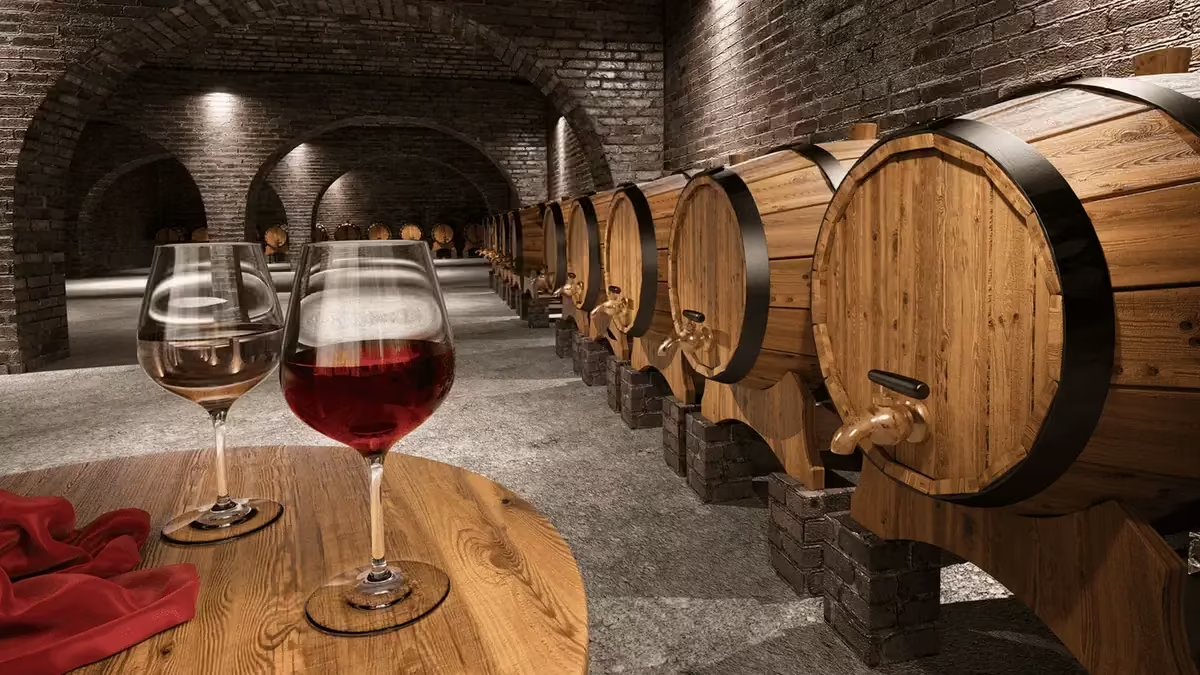
Aging wine in oak barrels affects wine in three main ways:
Adds Natural Flavors from Oak
This is the easiest benefit to notice. Oak barrels give wine distinctive complex aroma notes that grapes themselves do not have. When you see a bottle labeled “Oak Aged”, expect attractive and layered flavors such as vanilla, caramel, chestnut, coconut or light smoke.
Where do these flavors come from? They do not exist naturally in raw wood. They come from the process of toasting the inside of the barrel, which “caramelizes” compounds in the wood:
- Hemicellulose: These are natural sugars in wood. When heated, they break down and create flavors of caramel, toffee, chestnut and toasted bread.
- Lignin: When toasted, this compound releases vanillin, the beloved signature aroma of vanilla.
- Lactones: These compounds bring coconut aromas, especially noticeable in American oak, along with a hint of herbal character.
- Tannin from wood: Oak also adds its own tannins, contributing to structure and a sweetly astringent sensation. Do not confuse this with tannins from grape skins.
Transforms the Structure
This is the most magical and important effect on wine quality. Oak barrels are not 100% airtight. Wood has grain, allowing a tiny amount of oxygen to pass through and interact with the wine inside. This process is called micro-oxygenation.
This slow “breathing” process brings two priceless benefits:
- Softens tannins: Oxygen helps soften wine. It allows tannin molecules, which create harsh astringency in red wine, to bind together and settle, making the wine structure smoother and less drying.
- Creates creaminess: Oak barrels provide an ideal environment for a secondary fermentation process called malolactic fermentation. This process converts malic acid, sharp like green apple, into lactic acid, softer like milk, giving wine a creamy character. This is why many oak-aged Chardonnay wines taste rich and buttery.
- Stabilizes color: Micro-oxygenation also helps stabilize color compounds in red wine. For white wine, it makes the color shift toward deeper straw yellow or amber tones.
Purifies and Smooths the Wine
The charred layer created inside the oak barrel during toasting acts like a natural carbon filter, helping remove unwanted compounds.
This effect is especially important and obvious for spirits such as Whisky, Rum or traditional white spirits like rice wine and corn liquor. It helps reduce heat, soften harsh spice and, importantly, remove aldehydes and methanol. These are undesirable volatile compounds that cause sharp odors and discomfort.
For wine, this effect is less obvious but still contributes to a cleaner and more harmonious flavor. Some studies also suggest that organic compounds from oak help reduce free radicals, bringing potential benefits for heart health and skin beauty.
3. How to Recognize a Standard, High-Quality Oak Barrel
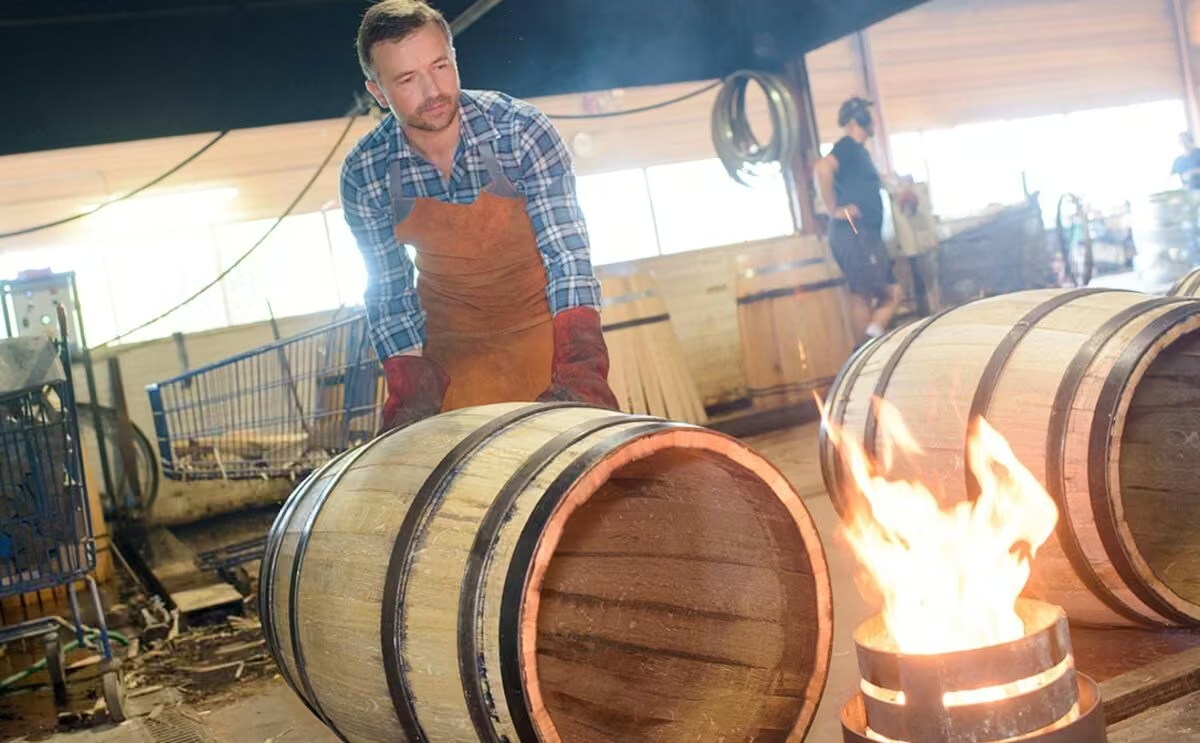
Wood origin, American oak vs French oak
This is the most important factor affecting flavor. The two types of oak that dominate the wine-aging world are American oak and French oak. They have completely different characteristics.
- American oak:
- Flavor: Bold and assertive. It is especially known for intense vanilla and distinctive coconut aromas.
- Structure: It has a coarser grain, allowing flavors to diffuse into the wine faster and more strongly.
- Best for: Bourbon, which must be aged in new American oak barrels, and powerful red wines such as Cabernet Sauvignon.
- French oak:
- Flavor: Subtle and elegant. It brings smooth fruit notes, gentle spices such as cinnamon and clove, chocolate and chestnut.
- Structure: It has very fine and tight grain, releasing flavors slowly and providing refined tannins. Micro-oxygenation also happens more slowly and in a more controlled way.
- Best for: Wines that require elegance, such as Pinot Noir and Chardonnay.
Toasting level
As mentioned above, oak flavor comes from toasting. The level of toasting determines the wine’s flavor profile. There are 3 main levels:
- Light toast: Preserves the most natural wood flavors. It usually gives delicate vanilla and coconut notes.
- Medium toast: This is the most common level, creating excellent balance. It releases caramel, toffee and baking spice aromas, such as cinnamon and clove.
- Heavy toast: Creates a thicker char layer, bringing stronger and deeper flavors. Smoke, cacao, coffee and black pepper are especially noticeable.
4. The 4-Step Process for Aging Wine in Oak Barrels
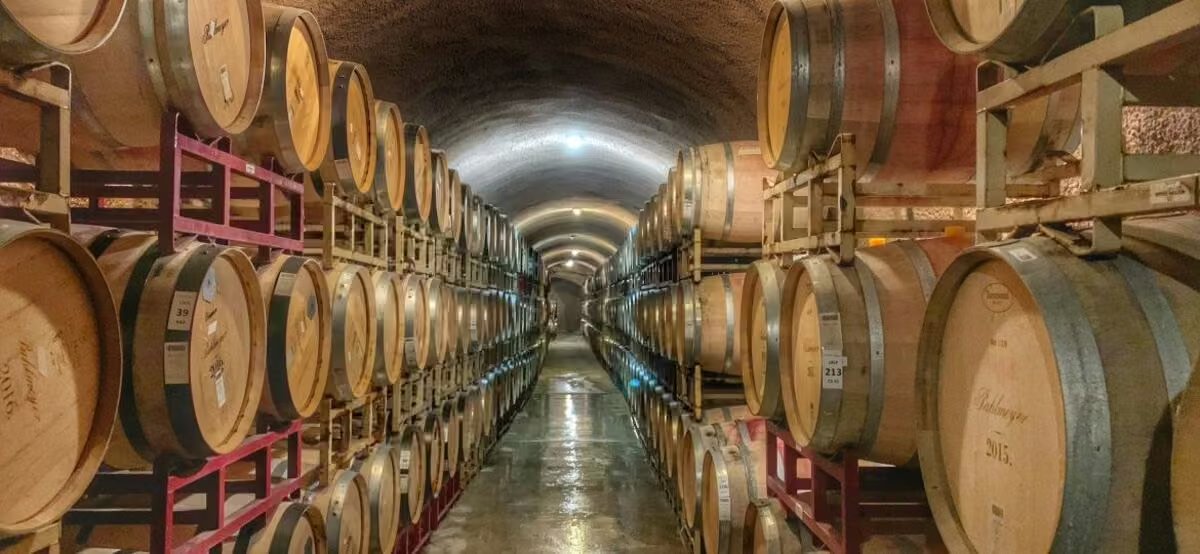
After choosing a proper barrel, the journey begins. Below is the basic 4-step process:
Step 1: Prepare the New Barrel
You cannot pour wine into a newly purchased barrel immediately. This step is essential to make sure the barrel is clean and watertight.
- Inspect the barrel: Use a flashlight to look inside the barrel and check for leftover wood fragments or cracks. Check whether the barrel hoops and tap are secure.
- Rinse the barrel: Rinse the barrel 3-4 times with cold water to remove dust and leftover sawdust.
- Soak with water: Fill the barrel with clean water, preferably filtered and chlorine-free water. Close it and soak the barrel for 2 to 4 days, or at least 2 to 3 days. Once the barrel becomes watertight, drain all the water and let it dry for about 1 hour.
Step 2: Create the Ideal Aging Environment
Wine is a “living” entity and is very sensitive. The aging environment, or cellar, is just as important as the quality of the barrel. You need a place that meets 4 criteria:
- Temperature: Ideally cool and stable, around 12°C to 15°C. Sudden temperature changes are the enemy of wine.
- Humidity: High humidity is needed, ideally 60-70%. If the air is too dry, the oak dries out, shrinks and causes leakage. High humidity also slows water evaporation from the wine, allowing alcohol to evaporate more gradually, which helps the alcohol level decrease slowly and the wine become smoother.
- Light: The darker, the better. Sunlight, especially UV rays, destroys flavor compounds and makes wine age too quickly.
- Stillness: Keep the barrel away from noise and vibration. Vibration disturbs natural sediment and affects the wine’s maturation process.
Step 3: Fill and Age the Wine
Pour the fully fermented wine into the barrel. Do not fill it 100%; leave a small headspace.
How long should wine be aged? Longer does not always mean better. Aging time depends on 2 factors: the type of wine, for example Pinot Noir is often aged for less than 1 year, while Scotch Whisky must age for at least 3 years, and the size of the barrel.
You may age wine in small barrels, such as 20L, 30L and 50L, or in standard 225L barrels.
- Small barrels, 20-30L: age for 3-6 months.
- Large barrels, 225L: age for 1-2 years.
Note: The principle behind small-barrel aging is this: the smaller the barrel, the higher the ratio of wood surface area in contact with each liter of wine.
- Result: The aging process happens much faster.
- Consequence: You can create a quality oak-aged batch in only 3 to 6 months. But if you forget it for 1-2 years, thinking longer is always better, you may create something over-oaked, bitter and dominated by wood, losing all fruit aromas.
- Therefore, with 20L-30L barrels, taste the wine every 2-3 weeks to adjust. When the flavor reaches the balance you want, it is time to transfer the wine into bottles.
Step 4: Clean and Store the Barrel
After transferring the wine out, clean the barrel immediately. Rinse it with warm water, then rinse again with cold water.
Never let the barrel dry out. An oak barrel is a living object and must always stay moist. Do not leave an unused oak barrel empty for more than 2 months. If the barrel dries out completely, the wood grain will shrink, the metal hoops will loosen and the barrel may be permanently damaged by leakage.
If you do not have the next batch of wine ready, fill the barrel with clean water and soak it for 48 hours, repeating every 2 months, to keep the wood swollen and the barrel ready for use.
Final Thoughts,
Aging wine in oak barrels is an artistic journey that requires patience, refined perception and experimentation. It is not only a technical process, but also a way of participating in the thousands-year history of wine. Understanding this technique also helps us build a more civilized drinking culture, where quality is valued over quantity, and where we appreciate the story and craftsmanship behind every premium bottle.