


 Tiếng Việt
Resealing a wine bottle properly is the key factor that determines whether the wine can retain its delicious flavor after opening. A standard 750ml bottle of wine is rarely finished in one sitting. If you do not know how to reseal a wine bottle correctly, the wine can easily oxidize, deteriorate and lose its original flavor.
So how can you reseal a wine bottle properly and preserve wine effectively at home? Let us explore 4 simple and effective ways to reseal a wine bottle at home below.
1. Why Do You Need to Know How to Reseal a Wine Bottle?
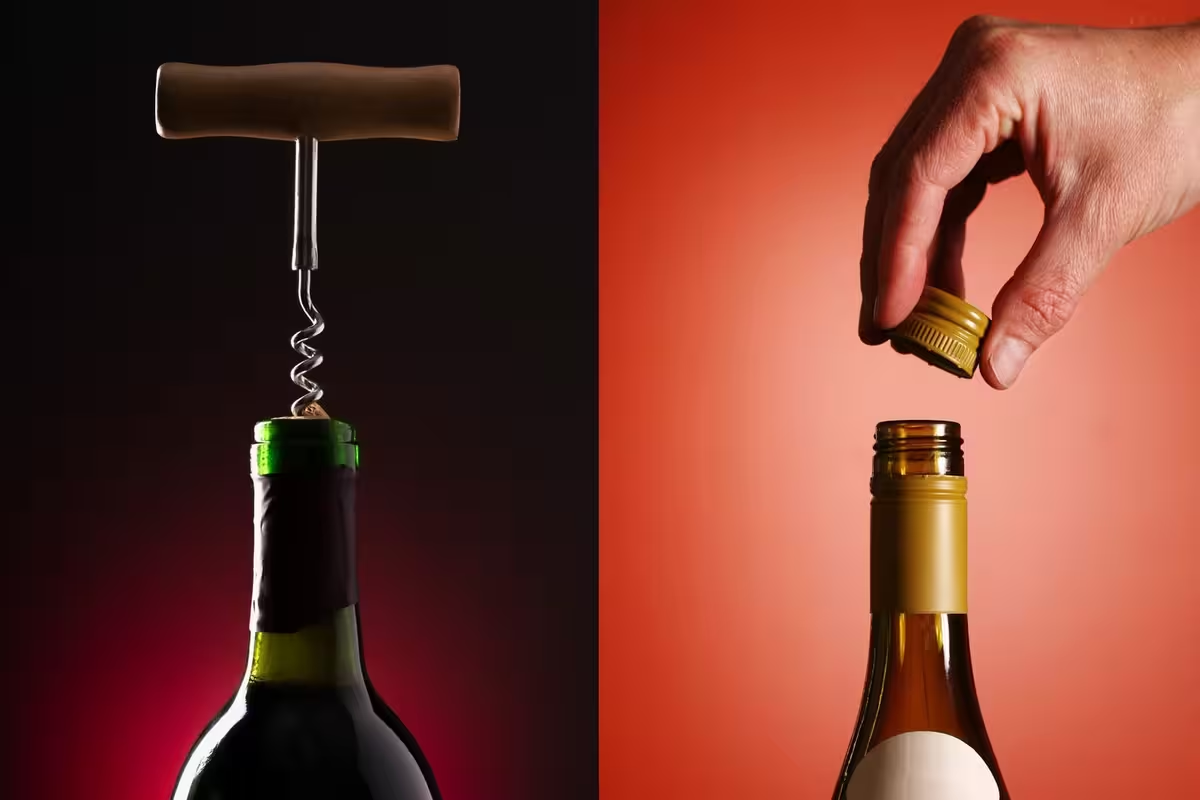
Resealing a wine bottle is not simply putting the cap back on. It is an important step that helps protect the quality of wine after opening. Below are 3 key reasons why you should not overlook this step:
- Prevent oxidation from damaging the wine
Air, especially oxygen, is both a friend and an enemy of wine. When a bottle is first opened, a little air helps the wine “breathe”, release attractive aromas and soften tannins. However, if wine is exposed to oxygen for too long and is not resealed, it will become over-oxidized. At this point, red wine turns brick-brown, white wine becomes dull and fresh fruit flavors disappear completely.
- Prevent wine from turning into sour vinegar
Natural bacteria are always present in the air. If an opened wine bottle is not sealed tightly, acetic bacteria can enter the bottle. They consume the alcohol in the wine and convert it into acetic acid. As a result, your expensive bottle of wine may develop a sharp smell and sour taste just like vinegar.
- Avoid absorbing odors from other foods
Wine is very sensitive and can easily absorb surrounding odors. If you place an opened bottle of wine uncovered in the refrigerator together with fish, meat, fish sauce or cheese, the wine may pick up unwanted smells. Resealing the bottle tightly creates a strong protective barrier, helping the wine preserve its original purity.
2. Simple Ways to Reseal Wine at Home
Depending on the condition of the cork and the tools available in your kitchen, you can apply the following ways to reseal a wine bottle.
2.1 Reuse the Natural Cork
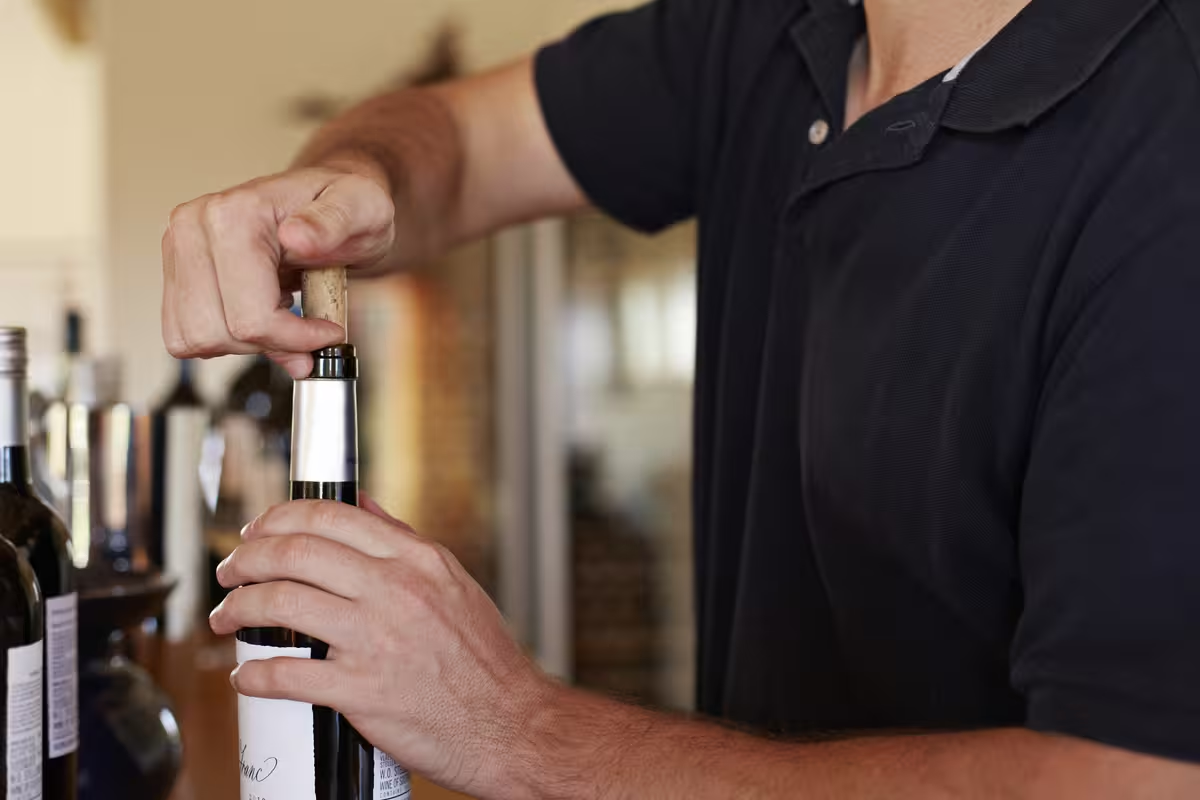
The fastest and most economical method is to reuse the natural cork that was just removed from the bottle. However, there is one golden rule that beginners should remember: always insert the end of the cork that has already touched the wine first.
Many people have the habit of putting the clean-looking upper end of the cork back into the bottle because it looks nicer and is easier to insert. However, that clean end has already been exposed to your hands, the corkscrew and the outside environment, so it may carry plenty of dust and bacteria. Inserting this end directly into the bottle can introduce bacteria into the wine. Moreover, the stained red or yellow end has already adapted to the wine environment, so returning it to the bottle is safer for flavor.
- Technique:
Because the lower part of the cork often expands after opening, pressing it straight down can be difficult. Use the “press and twist” method:
-
- Place the wine bottle upright on a stable flat surface such as a table.
- Position the cork vertically, or slightly tilted, over the bottle opening.
- Gently press down while slowly twisting the cork clockwise.
- Continue pressing and twisting until the cork goes about 1/2 or 2/3 into the bottle neck. Do not force it too hard, as this may break or crumble the cork.
2.2 Use Wax Paper to Help Reinsert the Cork
If the cork has expanded too much and you cannot push it back into the bottle by hand, wax paper, the type often used for lining baking trays, can be a useful helper. Its smooth surface significantly reduces friction between the oak cork and the glass bottle neck.
- How to do it:
-
- Use scissors to cut a piece of wax paper large enough to wrap around the part of the cork you plan to insert into the bottle.
- Wrap the wax paper around half of the cork surface. Do not wrap too many layers, as this will make the cork even larger.
- Place the wax-paper-wrapped end on the bottle opening and push it straight down by hand.
-
- Extremely important note: With this method, you should only press straight down and never twist the cork. If you twist it, the wax paper may wrinkle, tear and get stuck at the bottle opening, losing its lubricating effect.
2.3 Use Paper Towel If the Cork Is Lost
Sometimes an old cork may break apart when opened, or you may accidentally lose it during a party. In this case, you can create a temporary emergency stopper from paper towel.
- How to make an emergency stopper:
- Take a sheet of paper towel, preferably thick kitchen paper, fold it and roll it tightly into a cylinder slightly larger than the bottle opening.
- To keep it in place, you can wrap a small piece of tape around the outside of the paper roll.
- Critical step: Never insert the paper directly into the bottle, because it will absorb wine, become soggy and drop fibers into the liquid. You must wrap the paper roll completely with plastic wrap or wax paper.
- Slowly insert this homemade stopper into the bottle neck. The plastic wrap layer helps it slide in more smoothly, prevents liquid absorption and creates a temporary barrier against air until you can find a proper wine stopper.
2.4 Use Specialized Wine Tools
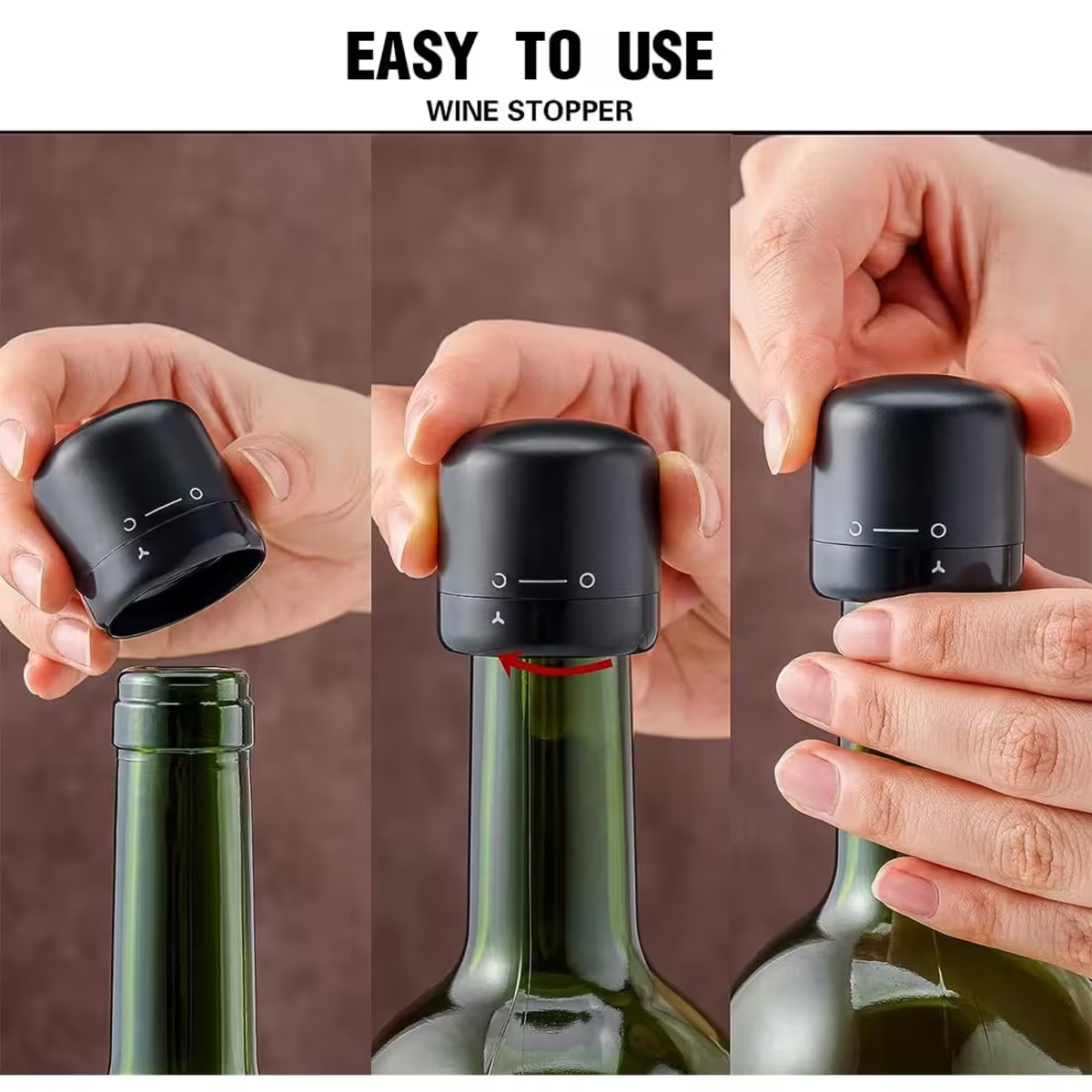
If you drink wine regularly, you should invest in specialized tools that make resealing wine easier and extend the wine’s life as much as possible.
- Vacuum wine stopper set: This usually includes a silicone stopper and a hand pump. After placing the silicone stopper on the bottle, you use the pump to remove some air from inside the bottle, creating a vacuum-like environment. This slows oxidation and can help red wine last up to one additional week. Note: Do not use this for sparkling wine, because the suction will remove the bubbles.
- Special Champagne stopper: Champagne and sparkling wines contain strong gas pressure. You cannot use the old cork or a regular silicone stopper because the pressure may push it out. You need a dedicated stainless steel or silicone stopper with locking clamps that grip the bottle rim tightly. This helps preserve bubbles and keeps the wine lively the next day.
- Argon inert gas spray: This is the most premium tool for expensive bottles. You spray Argon gas, which is heavier than oxygen, into the bottle. The Argon sinks and forms a protective layer over the wine surface, pushing oxygen away. Then reseal the bottle tightly. The wine’s flavor will remain almost unchanged.
3. How to Store Wine After Resealing the Bottle at Home
Knowing how to reseal wine is not enough. You also need to store it in the right environment.
- Always keep the bottle upright after opening
Many beginners mistakenly think that wine bottles should always be stored horizontally. The truth is: unopened bottles are stored horizontally to keep the cork moist. But once a bottle has been opened, you must store it upright. When standing upright, the surface area of wine exposed to air is minimized, significantly slowing oxidation.
- Store it in the refrigerator
Low temperature is the best way to slow down wine deterioration. After resealing the bottle, place it in the refrigerator.
-
-
- Red wine: Ideal temperature from 12°C to 19°C. Remember to take it out about 15 minutes before drinking so it warms slightly and releases its aromas.
- White wine: From 5°C to 12°C.
- Sparkling wine and sweet wine: From 5°C to 8°C.
-
- Transfer wine to a smaller bottle
When you have consumed half of a 750ml bottle, the empty space inside the bottle is filled with air. To solve this more effectively, prepare small glass or plastic screw-cap bottles, around 200ml – 300ml. Pour the remaining wine into the smaller bottle until it is filled up to the top, then screw the cap tightly. This removes almost all oxygen space and keeps the wine fresher much longer than leaving it in the original bottle.
- Remember the maximum storage time
No matter how carefully you reseal it, opened wine still has a limited lifespan. After this period, the wine will lose its quality:
-
-
- Sparkling wine: Best consumed within 1 to 3 days to preserve bubbles.
- White wine and rosé wine: Usually lasts around 3 to 5 days.
- Red wine: Best consumed within 3 to 5 days, or up to 1 week if vacuum-sealed.
-
- Avoid high heat and light completely
Never casually place leftover wine near a gas stove, microwave or on top of a refrigerator. Heat will “cook” the wine’s structure. Similarly, sunlight can severely destroy wine flavor. Always store wine in a cool, dark place.
> Have you ever wondered why wine bottles are always stored horizontally?
Final Thoughts,
Understanding and practicing the proper way to reseal a wine bottle is an essential skill for anyone who loves wine. Whether you choose a simple method such as reusing the cork or invest in a professional vacuum stopper, the ultimate goal is still to create a solid barrier against air.
By combining proper resealing techniques with refrigeration and upright storage, you can preserve the wine’s flavor for the next tasting. Wishing you many wonderful and delicious experiences in the colorful world of wine.