


 Tiếng Việt
In modern social culture, drinking etiquette, especially wine etiquette at the dining table, is no longer a complicated ritual reserved for Western nobility. Today, it has become an important soft skill that helps you make a good impression on partners, superiors and friends. Just one refined gesture or a well-timed toast can create strong goodwill. On the other hand, small mistakes at the table can sometimes make you lose points unnecessarily.
This article is a detailed and easy-to-understand guide that will help you master the art of communication and wine etiquette from basic to advanced levels.
1. Social Culture and Drinking Etiquette at the Dining Table
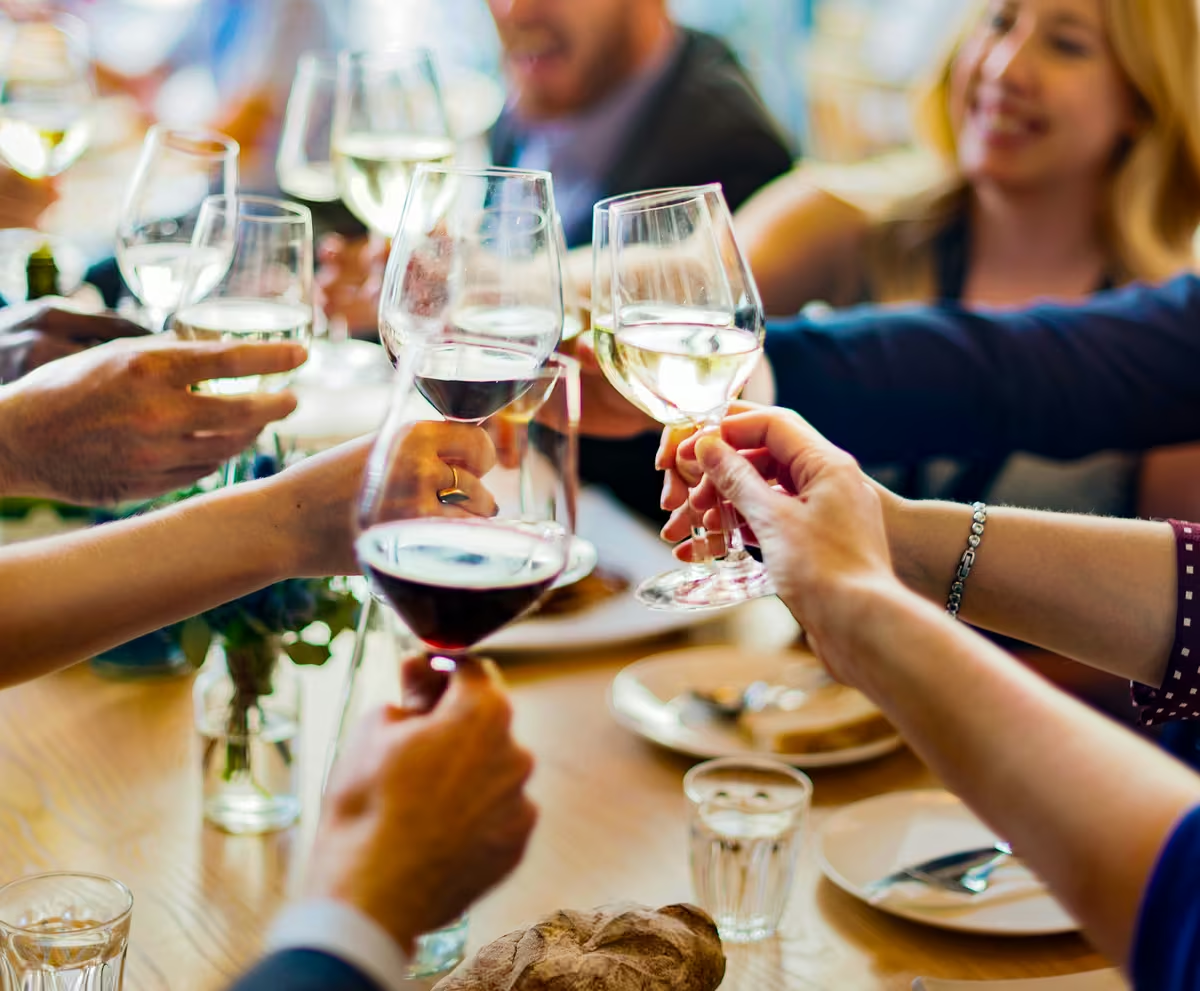
Vietnamese people have a saying: “No wine, no ceremony”. Since ancient times, the dining table has been where relationships begin, acting as a catalyst for connection and long-term cooperation.
However, along with international integration, drinking culture is also changing. In the past, enthusiasm was often shown through loud cheers and strong clinking of glasses. Today, wine etiquette at the dining table emphasizes politeness, refinement and mutual respect.
The dining table is a miniature society
When you sit at a dining table, you are not simply eating and drinking. You are participating in a social space where every seat has its own meaning:
- The host: Usually sits in the most central or commanding position, either at the head of the table or in the middle facing the entrance, to guide the conversation.
- VIP guests: Usually sit to the right of the host, according to Eastern left-right etiquette, or directly opposite the host.
- Supportive positions: Younger people or junior staff often sit near the entrance or at the end of the table so they can conveniently call service staff, pour wine and show attentiveness and flexibility.
Understanding your position helps you choose the right seat and behave appropriately, avoiding awkward situations caused by showing respect in the wrong way or at the wrong time.
2. Essential Wine Etiquette Rules at the Dining Table
Wine is different from beer or spirits. It is a “living” entity that needs to be treated carefully to reveal its best flavor. Therefore, the rules below are actually the science of enjoyment, not unnecessary formality.
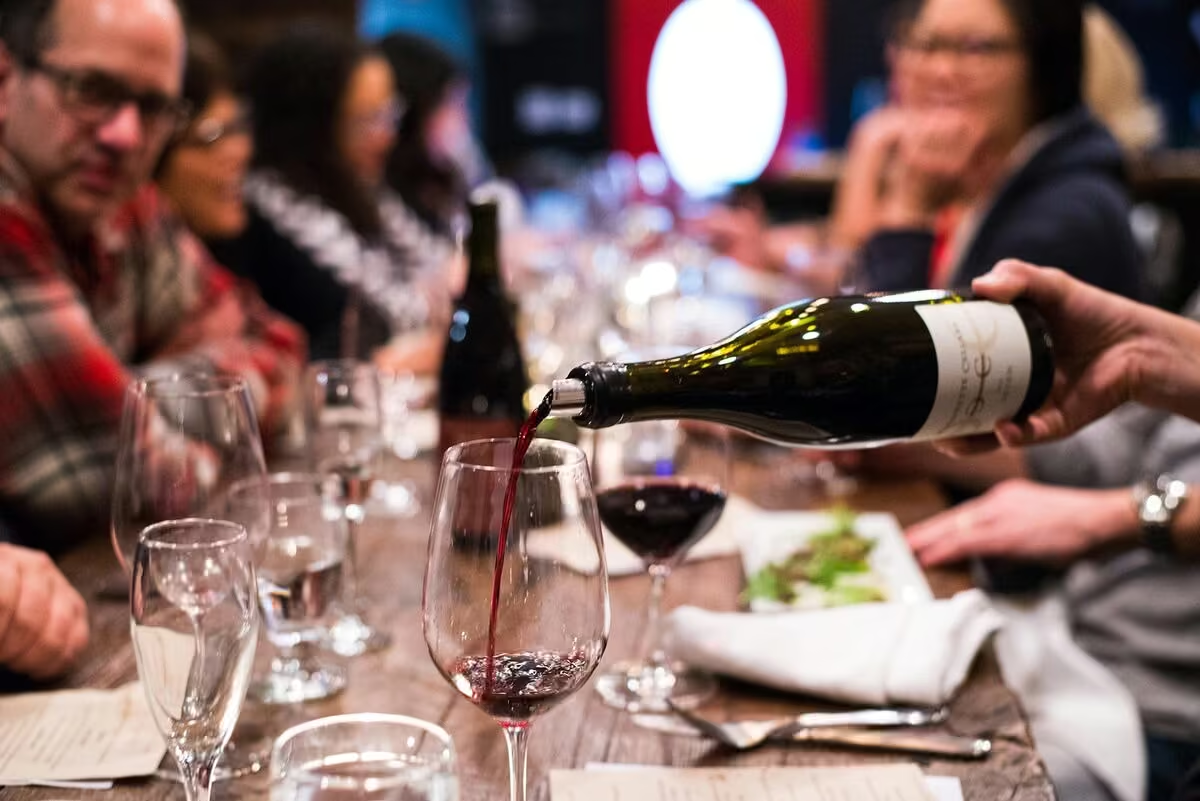
2.1. The Proper Way to Pour Wine
One of the most common mistakes beginners make is filling the wine glass too full. With beer, a full glass may show generosity. But with wine, filling the glass is like “killing” the wine.
Why should wine be poured only partly?
Wine needs to “breathe”. This means it needs contact with oxygen in the air to release layers of aroma, such as fruit and oak notes. If the glass is filled to the top, the wine has no room to interact with oxygen, and you also cannot swirl the glass to smell the aromas.
Standard wine pouring amounts:
- Red wine: Pour only 1/3 of the glass. Since red wine glasses usually have a large bowl, this level allows the wine to sit at the widest part of the bowl, creating the largest surface area for breathing.
- White wine: Pour about 1/2 of the glass. White wine should be served chilled, so pouring less helps you finish it before it warms up.
- Sparkling wine, such as Champagne or sparkling wine: Pour about 3/4 of a flute glass. Pour in two stages: first, let the bubbles rise and settle, then continue pouring to avoid overflow.
Small tip: After pouring, gently twist your wrist as you lift the bottle. This movement cuts off the stream and prevents the final drop from falling onto a clean white tablecloth.
2.2. The Rule of Clinking Glasses in Wine Culture
Clinking glasses is the most joyful gesture at the table, but it is also when broken glasses or impolite moments can easily happen.
- Safe clinking technique: Never clink the rim of the glass. This is the most fragile part of a crystal glass. Instead, slightly tilt the glass and clink at the bowl, the widest rounded part. The sound will be clear and resonant, and the glass will not chip.
- The “high-low” rule in Asian culture: This is extremely important in drinking etiquette in Vietnam, Korea and Japan:
- When clinking with friends or colleagues of equal status: keep the glass at the same height.
- When clinking with a boss, elder or important partner: you should lower the rim of your glass slightly below theirs. This gesture shows humility and respect for seniors.
Note: When clinking glasses, smile and look into the other person’s eyes, or at the triangle area of their face. Do not stare only at the glass or look away, as this can seem insincere.
>> The art of toasting at the dining table across different countries around the world!
2.3. The Order of Pouring Wine at the Table
If you are the person holding the bottle, remember the following pouring “map”:
- Wine tasting: Pour a very small amount for the host, or the person most knowledgeable about wine, so they can check whether the wine is faulty.
- Priority: After approval, pour for the VIP guest or the eldest person first. In Western culture, it is often “ladies first”, but in Vietnam, respect for elders and hierarchy usually takes priority.
- The round: Then pour clockwise around the table.
- Finally: Pour for yourself last. Never pour for yourself first before serving others.
2.4. How to Hold a Wine Glass Properly
The way you hold a wine glass immediately reveals whether you are a beginner or someone with experience.
- Wrong: Holding the bowl of the glass, the large part that contains the wine. Heat from your palm, around 37°C, transfers to the wine, warming it up, altering the ideal flavor and leaving messy fingerprints.
- Correct: Hold the stem or base of the glass. Use your thumb, index finger and middle finger to hold it gently. This keeps the wine temperature stable, makes swirling easier and gives you a much more elegant appearance.
3. How to Offer a Toast Politely and Professionally in Different Situations
Words cost nothing, but a skillful toast can win people over. Below are toast scenarios that help you feel confident in every situation.

3.1. Toasting a Boss or Elder: Respect and Gratitude
- Posture: Stand up if the occasion is formal, raise the glass with both hands and bow slightly.
- Examples:
“May I raise a glass to your health. Thank you for always guiding and supporting our team. I wish you continued strength and success in leading our company even further.”
“I would like to invite you to a toast and wish you great health, lasting happiness and many joyful moments with your family.”
3.2. Toasting Business Partners: Building Trust and Cooperation
- Timing: Choose the moment when the atmosphere is most positive, or right after a difficult discussion has been resolved.
- Examples:
“It is a great honor to welcome you today. I would like to raise a glass to a strong beginning between our two sides. I hope we will move forward together and achieve many successes.”
“Thank you for your enthusiastic support throughout the recent project. This glass is to the growing friendship and long-term cooperation between our two companies.”
3.3. Toasting Colleagues and Friends: Sharing and Relaxing
- Timing: Keep the atmosphere relaxed and cheerful, while still staying moderate.
- Examples:
“Come on team, 1…2…3… Cheers! Congratulations to us for surviving deadline season. This glass is for stress relief and new energy for tomorrow.”
“Here’s to easygoing bosses, steady salary increases, generous bonuses and no one being called out on the weekend. Cheers!”
3.4. Toasting in the Family: Warmth and Togetherness
- Timing: During year-end meals or family gatherings, the atmosphere should feel warm. Always toast the eldest family member first, then grandparents, parents, aunts and uncles, and older siblings.
- Example:
“Today, on this happy occasion when our whole family is gathered together, I would like to invite everyone to raise a glass. I hope our family will always stay harmonious, loving and supportive of one another.”
>> Watch the guide to choosing wine as a gift for your boss on special occasions here!
4. Taboos in Wine Etiquette
To become a refined drinker, avoid these basic mistakes immediately:
- Adding ice to wine: This is a major taboo with premium wine. Melted ice dilutes the wine and breaks its flavor structure. If you want chilled wine, place the whole bottle in an ice bucket for about 15-20 minutes before drinking.
- Shaking the wine bottle: Do not shake a wine bottle like a soft drink or soju bottle. Wine, especially aged red wine, often has natural sediment at the bottom. Shaking it makes the wine cloudy and creates a gritty texture when drinking.
- Pressuring others to drink: Modern civilized culture has no place for forcing beer or wine on others. Never say things like “If you do not drink, you do not respect me.” Always respect other people’s limits.
Final Thoughts,
Wine etiquette at the dining table is not meant to make things difficult. It helps you become more confident, polite and professional in social communication. A good drinker is not the person who drinks the most, but the one who knows how to use a glass of wine to connect people.
Remember: hold the glass properly, pour just enough wine, clink lower than elders and always include a sincere wish. With just these small details, you can already become a master of dining table communication.
Wishing you wonderful wine experiences and successful relationships.