


 Tiếng Việt
Soft-shell turtle cooked in wine is a unique combination of traditional Vietnamese cuisine and Western culinary influence, elevated by the refined harmony of European-style red wine. A premium and nourishing ingredient, soft-shell turtle becomes a dish rich in nutritional value when paired with wine, often appearing on the menus of upscale restaurants.
1. How to cook restaurant-style soft-shell turtle in wine
1.1. Preparing the ingredients
Choosing fresh, high-quality ingredients is the key to a successful soft-shell turtle cooked in wine. Prioritize a live, healthy soft-shell turtle with firm meat and no unusual odor, along with pork belly that has a balanced ratio of lean meat and fat to give the dish just the right level of richness.
- Soft-shell turtle: 1 turtle, about 1.5 kg – Choose a healthy one that swims actively
- Pork belly: 100g – 200g
- Pork bones: 500g – Used to simmer a naturally sweet broth
- Red wine: 250ml – Use dry red wine
- Carrot: 1 – Cut into bite-sized chunks
- Potatoes: 2 small ones – Cut into bite-sized chunks
- Tomatoes: 3 – Diced to add color and flavor to the sauce
- Onion: 1 – Cut into wedges
- Shiitake mushrooms: 100g – Soaked until softened, then rinsed clean
- Shallots: 3 – Finely minced
- Garlic: 5 cloves – Finely minced
- Fresh ginger: 1 small piece – Partly minced and partly crushed
- Unsalted butter: 30g
- Seasonings: Fish sauce, salt, seasoning powder, pepper
- Fresh herbs: Piper lolot leaves, perilla leaves, sliced into thin strips, coriander, spring onions
1.2. Preparing the ingredients
Cleaning and preparing the soft-shell turtle is the most important step to remove its distinctive fishy odor. If not handled properly, the odor can ruin the flavor of the entire dish.
- Step 1: Bleeding: Use a firm stick for the soft-shell turtle to bite onto, pull the head out firmly, then use a sharp knife to cut decisively. The blood can be mixed with wine and enjoyed, depending on preference.
- Step 2: Cleaning: Dip the soft-shell turtle into hot water at around 80°C for 4-5 minutes, then remove it and scrape off the outer membrane from the skin and shell.
- Step 3: Butchering: Use a knife to make an incision around the soft edge of the shell to separate it. Carefully pull the turtle’s neck downward toward the tail to remove all the internal organs.
Note: This step requires great care to avoid rupturing the intestines or gallbladder, as the fluids from these organs can make the meat bitter and unpleasant-smelling. Remove all internal organs, keeping only the eggs if there are any.
- Step 4: Thoroughly removing the odor:
Carefully remove all the yellow fat around the four legs of the soft-shell turtle, as this is the main source of the fishy smell.
Do not rinse the turtle meat with cold water after butchering, as this will make it smell fishier. Instead, use a clean towel to pat the meat completely dry.
Rub the entire turtle with crushed ginger and a little white wine to fully remove the odor and help firm up the meat. Finally, chop the meat into bite-sized square pieces.
1.3. Steps to cook soft-shell turtle in wine
After preparation, follow these steps in order to create a rich, flavorful and beautifully thickened pot of soft-shell turtle cooked in wine.
- Step 1: Prepare the broth and sauté the aromatics: Blanch the pork bones in boiling water, then transfer them to a fresh pot of water with a few slices of ginger. Simmer over low heat for about 45 minutes to create a naturally sweet broth. In another large pot, sauté minced shallots, garlic and ginger with unsalted butter until fragrant.
- Step 2: Sear the turtle meat: Increase the heat to high, add the turtle meat and stir-fry quickly until firm and lightly golden. Season with a little fish sauce and seasoning powder, then continue stir-frying for another 5-7 minutes so the meat absorbs the flavors.
- Step 3: Build the wine sauce base: Lower the heat, add the diced tomatoes and cook until softened, creating a beautiful red color for the sauce. Slowly pour in about 150ml of red wine, stir well and let it simmer gently for 2-3 minutes so the alcohol evaporates, leaving only the wine’s signature aroma.
- Step 4: Braise with vegetables: Pour in enough simmered bone broth to cover the meat. Add the carrots, potatoes and shiitake mushrooms, cover and braise over low heat for 30-40 minutes until the turtle meat and vegetables are tender.
- Step 5: Finish the dish: Adjust the seasoning to taste. Add the onion and cook for another 2-3 minutes to retain a slight crunch. Finally, sprinkle in the sliced piper lolot and perilla leaves, stir gently and turn off the heat immediately so the herbs release their distinctive aroma.
2. The finished soft-shell turtle cooked in wine
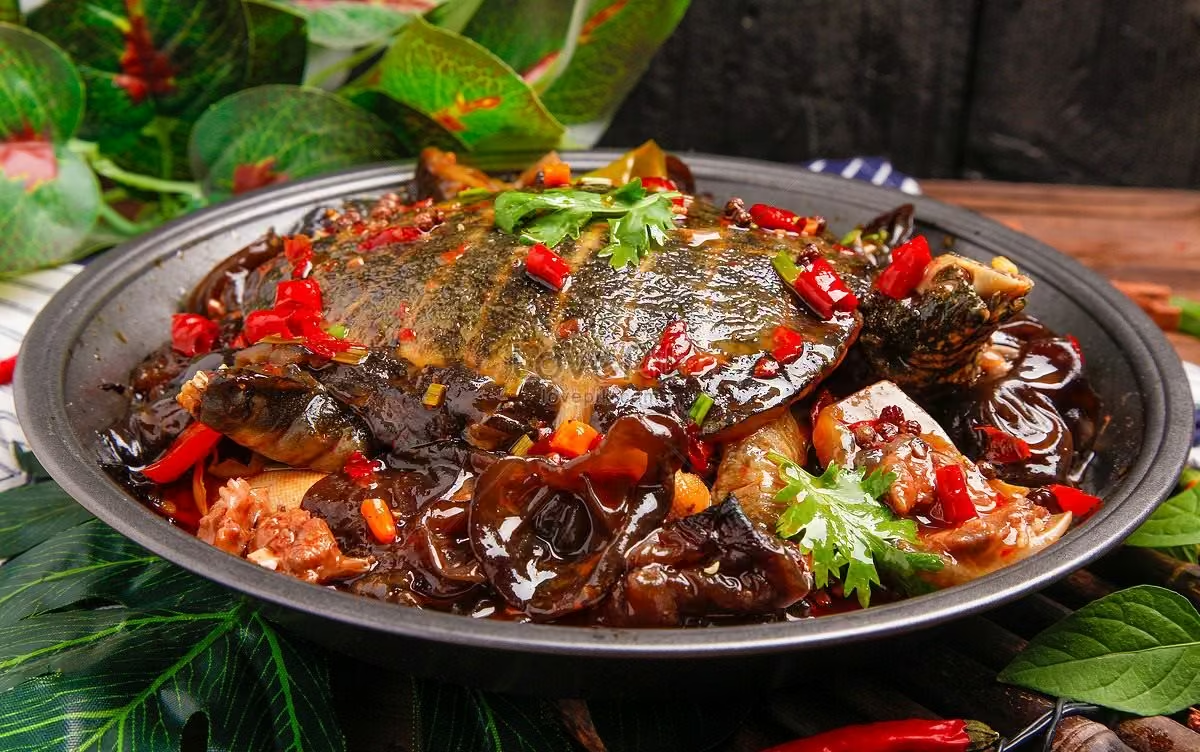
When finished, soft-shell turtle cooked in red wine is a culinary creation that captivates every sense. The sauce has a glossy reddish-brown color, accented by the orange of carrots and the green of fresh herbs. The aroma is a harmonious blend of warm red wine notes, the natural sweetness of turtle meat and the rustic herbal fragrance of piper lolot and perilla. When enjoyed, each piece of turtle meat is tender, sweet and deeply infused with flavor, while the skin and cartilage offer a pleasantly springy texture. The broth is rich and lightly thickened, with a lingering, full-bodied wine finish. This dish is best served hot with fresh rice vermicelli or bread.
3. How to choose the best wine for cooking soft-shell turtle
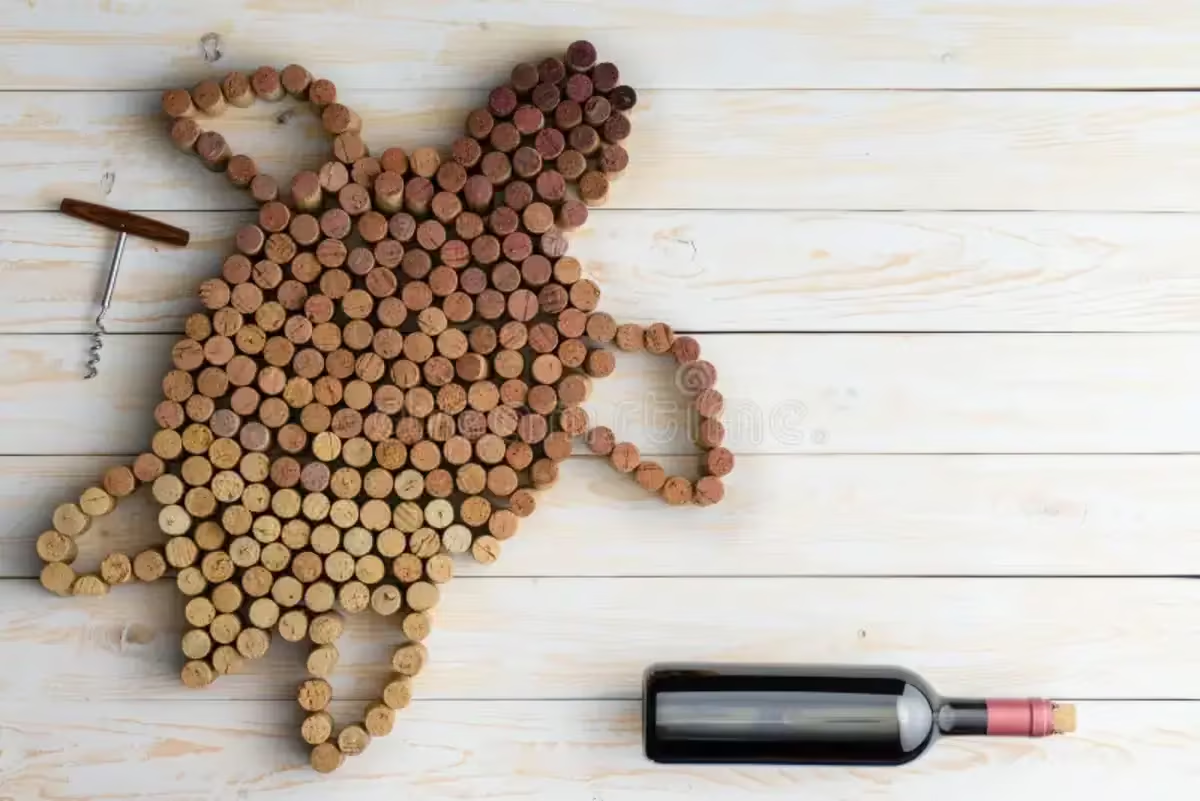
Choosing the right wine is the key to elevating the dish. For beginners, simply keep the following basic principles in mind:
- The golden rule is to use dry red wine.
- Avoid sweet wine, as its sweetness can disrupt the balance of the dish.
Recommended wine styles:
- Cabernet Sauvignon: A classic choice for stews and braised dishes, adding depth to the sauce with notes of black fruit and vanilla.
- Merlot: Softer in style, with aromas of cherry and plum, making it a safe and harmonious choice.
- Syrah (Shiraz): Adds bold flavor with spicy notes such as black pepper, giving the dish a distinctive personality.
Note: You do not need to use an expensive bottle for cooking, but it should still be a wine you would be happy to drink. A mid-range bottle is an ideal choice.
4. Nutritional value and notes when eating soft-shell turtle cooked in wine
Soft-shell turtle cooked in wine is not only delicious but also highly nourishing, recognized by both modern nutrition and traditional medicine.
Nutritional value:
Soft-shell turtle meat is rich in protein, about 16.5g per 100g, as well as important vitamins such as A, D, E and B-group vitamins, along with essential minerals including calcium, iron and zinc.
In Eastern medicine, soft-shell turtle is regarded as a precious ingredient believed to nourish yin, support the body and enhance vitality.
Health benefits:
This dish helps stimulate the appetite and make meals more enjoyable, while also supporting relaxation, reducing fatigue and improving sleep.
It is also traditionally believed to help support the treatment of certain respiratory conditions.
Notes when enjoying:
Although this is a nourishing dish, soft-shell turtle meat should still be enjoyed with a few health considerations in mind:
- Do not eat too much: Soft-shell turtle meat contains a certain amount of fat, and excessive consumption may lead to weight gain and increase the risk of cardiovascular issues.
- Cook it properly: Always ensure the turtle meat is carefully prepared and fully cooked to eliminate potential bacteria or parasites.
- Cases requiring caution: People with a history of allergies to seafood or other meats, as well as those with digestive conditions such as diarrhea or enteritis, should avoid eating soft-shell turtle meat to prevent worsening their condition.
Final thoughts,
Soft-shell turtle cooked in wine is a richly flavored and highly nutritious dish, worthy of becoming the “star” of family gatherings or special occasions. With this detailed guide, we hope you now feel confident enough to master a restaurant-level dish in your own kitchen, turning every meal into a memorable experience.