


 Tiếng Việt
Understanding the standard pour for one glass of wine not only helps you feel more confident at elegant gatherings, but also provides the foundation for optimizing the flavor of every glass. The article below will help you understand wine serving standards in different situations in the most practical and easy-to-follow way.
1. What Is the Standard Pour for One Glass of Wine?
The concept of wine serving volume was established to create a perfect balance between aesthetics, flavor experience and the body’s ability to absorb alcohol. This is a standard widely recognized around the world.
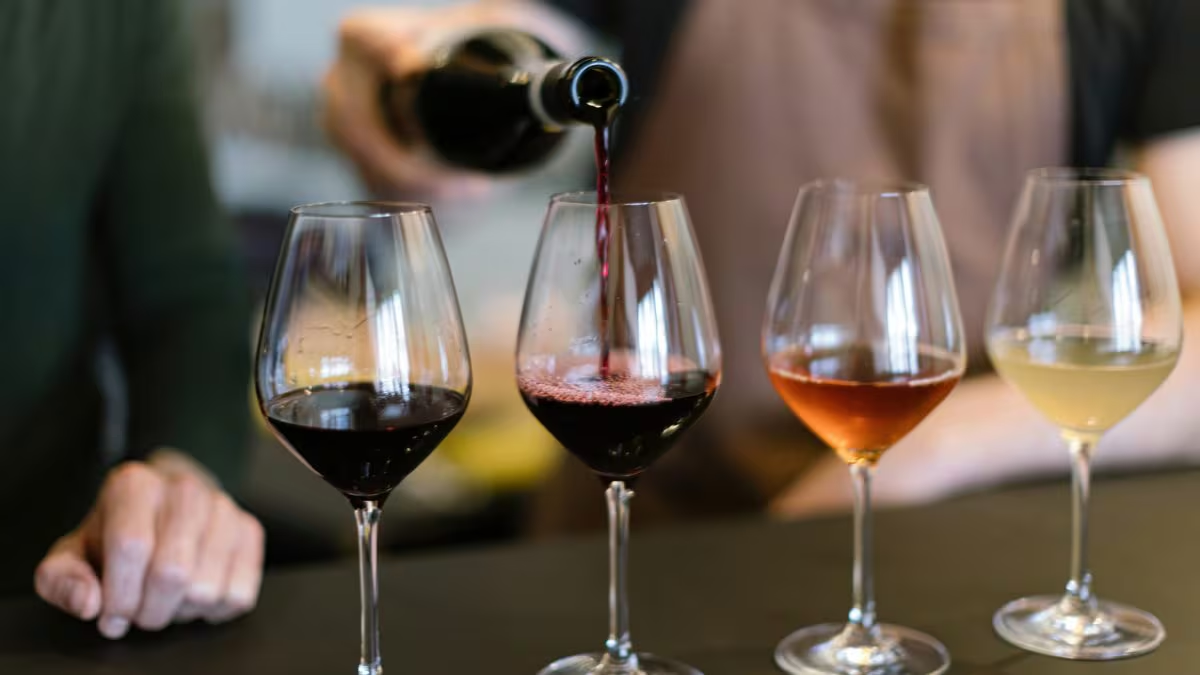
How many ml are in one glass of wine?
According to international serving standards and common practice in most high-end restaurant systems, the standard pour for one glass of wine is set at 150ml, equivalent to about 5 ounces (oz).
Completely different from beverages such as water or beer, which are often poured full, the 150ml limit for wine carries deeper meaning.
- The first and most important reason for the 150ml standard lies in the design of the glass and the space needed for wine to “breathe”. When poured at 150ml, the surface of the wine usually reaches the widest part of the bowl. This amount often takes up only about 1/3 to less than 1/2 of the total capacity of the glass. Leaving this large empty space is a technical requirement to create an “aroma collection chamber”.
- Wine, especially red wine, needs contact with air. When you gently swirl the glass, the thin layer of liquid coating the glass interacts with oxygen. This process softens harsh tannins and releases the most delicate floral and fruity aromas.
- If the glass is filled to the brim, the wine becomes “suffocated”, and you cannot swirl the glass without spilling the liquid.
Moreover, a 150ml pour is equivalent to exactly one standard alcohol unit, helping drinkers control their alcohol intake more easily.
How many glasses can one bottle of wine pour?
The combination of bottle size and serving volume creates a simple but very important calculation for preparing parties. A standard wine bottle produced around the world has a fixed volume of 750ml.
Based on the standard wine pour of 150ml per glass, a simple division shows that a 750ml bottle of wine can pour exactly 5 full glasses. The “5 glasses from 1 bottle” rule is a classic guideline that helps you accurately estimate how much wine to buy. However, depending on bottle format, the number of glasses may vary:
- Half Bottle – 375ml: Pours about 2 to 3 glasses. Suitable for individuals or couples on a date.
- Standard Bottle – 750ml: Exactly 5 glasses. The global standard, ideal for small gatherings of 3 to 5 people.
- 1-Liter Bottle – 1000ml: Around 6 to 7 glasses. Often used for house wines served by the carafe in casual dining venues.
- Magnum Bottle – 1500ml: Around 10 glasses. Designed for banquets, major celebrations and also helps wine age better over time.
This is an important rule that makes party planning much easier.
2. Wine Pour Size in Different Situations
Although 150ml is the standard, the actual pour for one glass of wine may vary depending on the purpose of use. The art of wine appreciation values flexibility. The amount poured should reflect the nature of the event, the drinking environment and the goal of the participants.
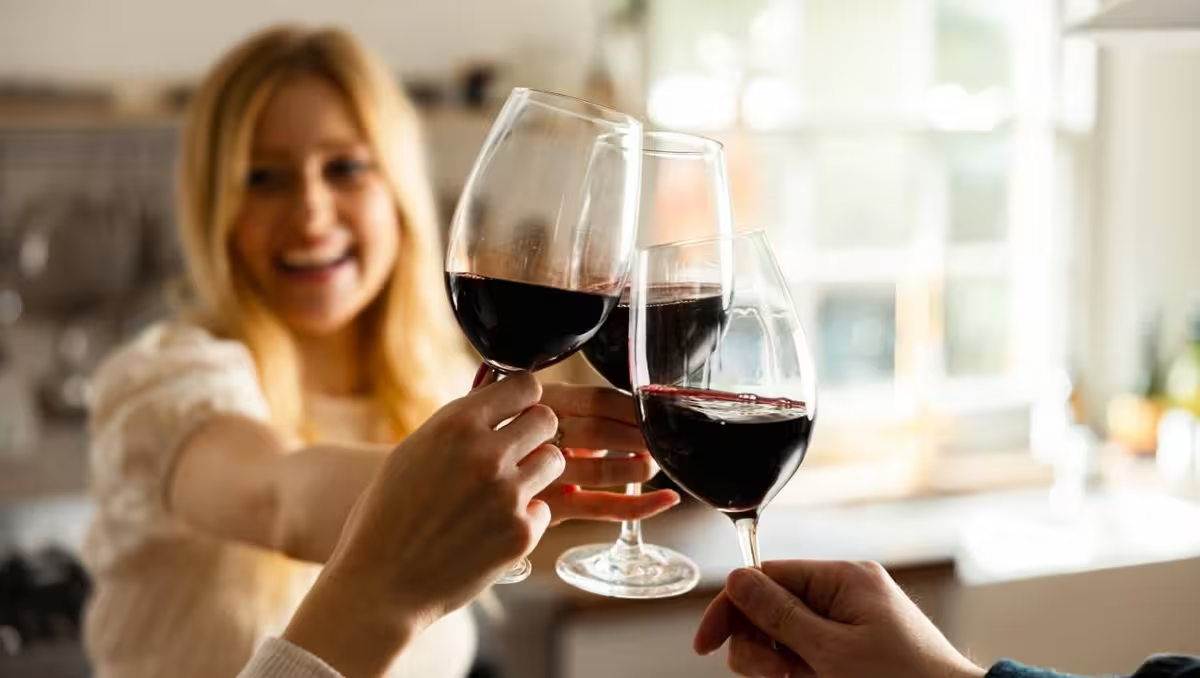
2.1 Pour Size for Wine Tasting
A wine tasting event is an academic setting, where the main goal is not to drink for intoxication but to analyze and evaluate the wine’s sensory characteristics, such as color, aroma, structure and finish. In this context, the serving amount for one glass of wine is significantly reduced, usually around 60ml per pour.
Maintaining a 60ml pour brings several practical benefits.
- It helps participants avoid becoming intoxicated or consuming too much alcohol when tasting many wines.
- It keeps the palate sensitive when tasting 6 to 10 different wine samples in succession.
- At the same time, a small amount of liquid in the glass quickly reaches the ideal temperature, helping aromatic molecules open up more strongly so tasters can easily evaluate differences.
2.2 Pour Size for Family Meals
In contrast to the discipline of tasting sessions, the atmosphere of family meals or intimate private gatherings calls for a more generous pour to create warmth and connection. In this setting, the serving amount for one glass of wine often goes beyond 150ml, reaching around 175ml to 200ml per glass.
This larger pour carries a psychological meaning of hospitality. When each 750ml bottle is divided into only 3 to 4 generous glasses, the host does not need to constantly interrupt the conversation to refill guests’ glasses. Even with a generous pour, basic elegance should still be maintained:
- For white wine, pour only about 1/3 of the glass to maintain the ideal chilled temperature.
- For red wine, the pour should still stop below 1/2 of the glass so the wine has enough space to “breathe”.
2.3 Pour Size in Restaurants and Bars
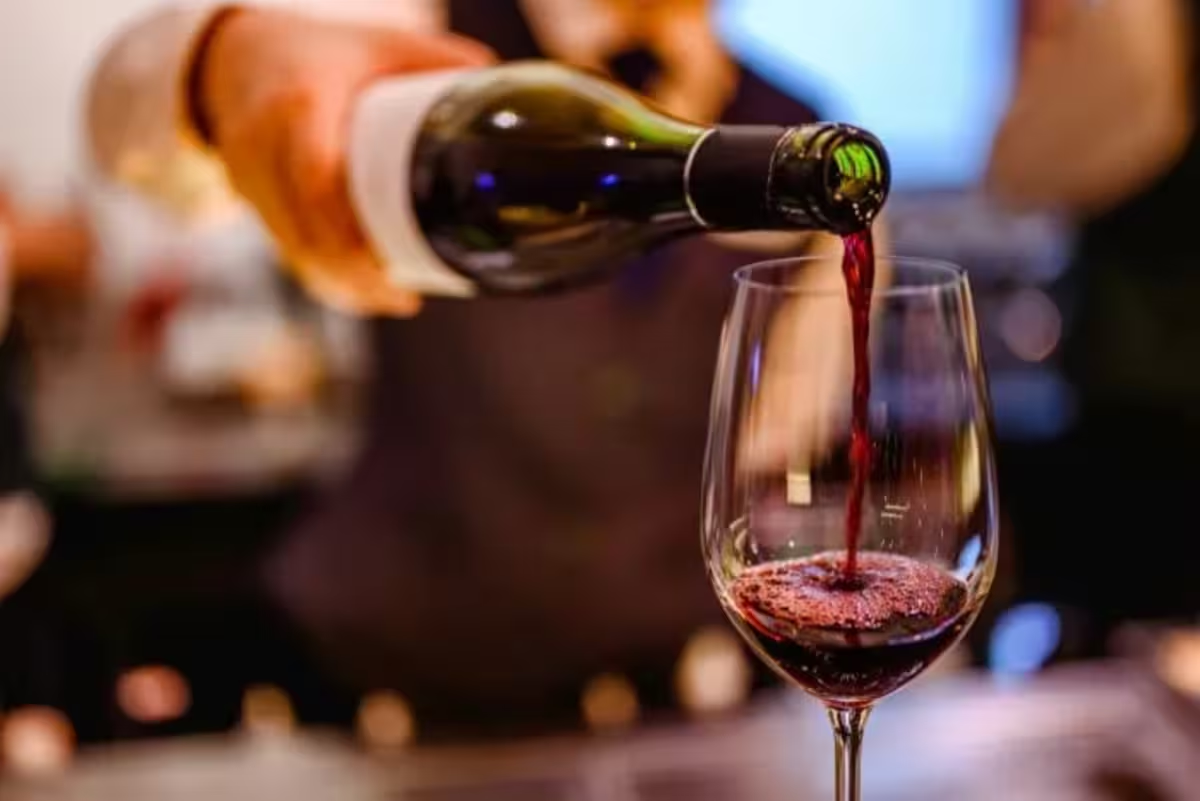
High-end restaurants and bars are where the art of service meets business management. Here, the pour size for one glass of wine is standardized and closely controlled, usually fixed at 150ml to 180ml. This standard is often maintained by sommeliers in order to:
- Deliver a complete and consistent experience for every guest.
- Control operating costs.
Service standards in these spaces also require skillful pouring techniques. The wine professional will present the bottle label for the guest to check before opening, offer the cork for confirmation and always pour from the guest’s right side. When pouring, they usually hold the bottle by the base to avoid transferring body heat to the wine, and gently twist the bottle neck at the end to prevent dripping onto the tablecloth.
2.4 Pour Size at Parties and Large Events
When the scale of an event expands to hundreds of guests, such as weddings, corporate conferences or buffet parties, the organizer’s top priorities shift toward risk control, waste prevention and budget management. At these events, the standard pour for one glass of wine is usually more modest, around 100ml per glass.
By reducing the pour to 100ml, a 750ml bottle of wine can serve 7 to 8 people. This amount is enough for guests to raise a toast and enjoy wine with food, while also slowing down overall alcohol consumption and minimizing incidents caused by intoxication. Having service staff pour wine in advance according to a standard amount, instead of letting guests pour freely, is also an effective way to maintain elegance and refinement throughout the event.
Final Thoughts,
Understanding the standard pour for one glass of wine is not simply about remembering dry numbers such as 150ml or 5 ounces. It is about decoding a rich system of knowledge where the science of preserving flavor meets the art of elegant etiquette. Whether you are enjoying a small 60ml sip during an afternoon tasting, relaxing with a generous 200ml glass beside loved ones at home, or raising a proper 100ml toast at a large banquet, each pour size has its own purpose in optimizing your experience.
We hope this guide has given beginners the confidence and foundational knowledge they need. The next time you hold a bottle of wine, you will know exactly how to pour its essence into each crystal glass, turning every tasting moment into a true art of living.