


 Tiếng Việt
To truly master your alcohol tolerance and learn how to drink wine without getting drunk, you need to understand what is happening inside your body from the very moment the first drop of wine touches your tongue.
This article does not share baseless folk tips. Instead, it approaches the issue from a scientific perspective, helping you control intoxication actively and intelligently.
1. Can Drinking Too Much Wine Make You Drunk?
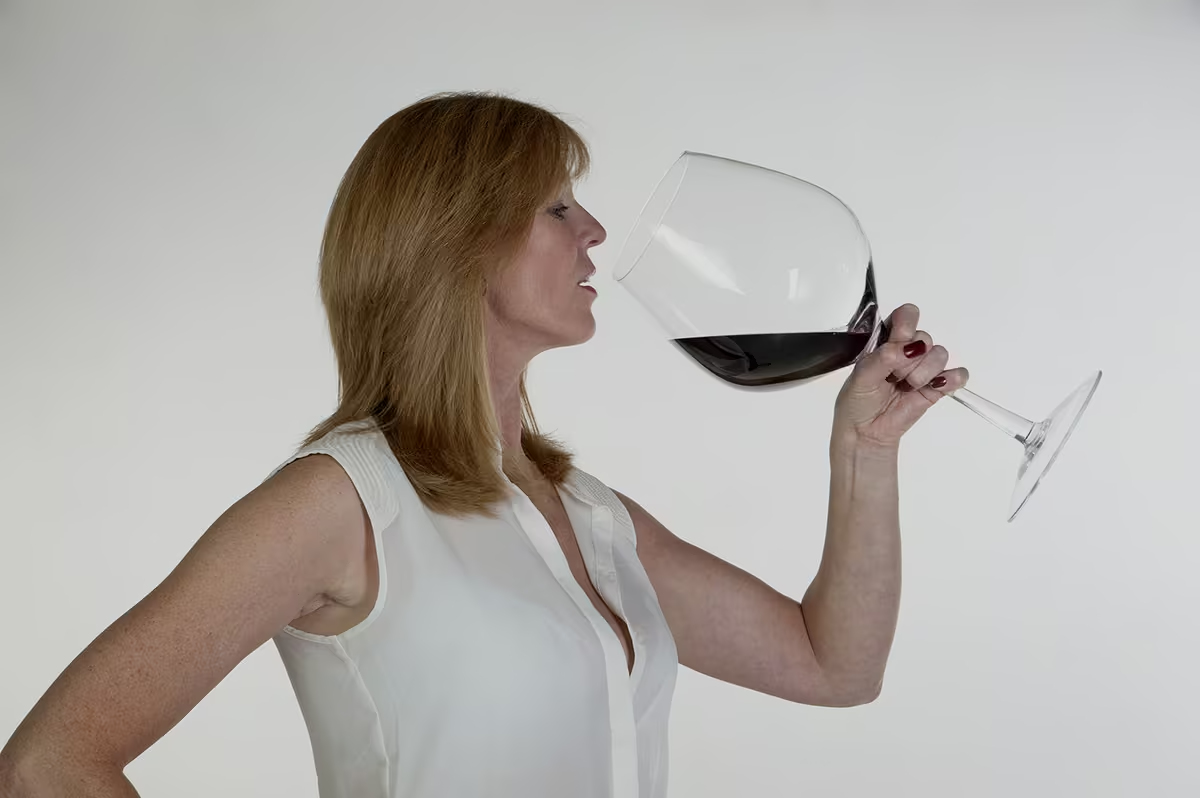
The short answer is: YES.
No matter how elegant or expensive it is, wine is still an alcoholic beverage. Many beginners mistakenly think wine is “light like fruit juice”, so it is hard to get drunk from it. This is a serious mistake. To understand clearly, we need to look at ABV, Alcohol by Volume:
- Light white wines, such as Moscato: Around 5.5% – 9% ABV.
- Medium wines, such as Sauvignon Blanc and Pinot Noir: Around 11.5% – 13.5% ABV.
- Full-bodied wines, such as Cabernet Sauvignon and Shiraz: Can reach 14% – 15.5% ABV.
- Fortified wines, such as Port and Sherry: Up to 20% ABV.
To make this easier to imagine, one standard glass of wine, around 150ml, contains roughly the same amount of pure alcohol as a 330ml can of beer or a 40ml shot of spirits. The adult liver can process only about 1 unit of alcohol per hour. If you drink faster than this, the excess alcohol enters the bloodstream, reaches the brain and causes intoxication.
Therefore, do not be fooled by the gentle appearance of a glass of wine. If you drink too much and too quickly, you can absolutely get drunk, even deeply drunk.
2. Wine, Beer and Spirits: Which Gets You Drunk Faster?

This is an endless debate at drinking tables. However, science has an answer based on the speed at which alcohol is absorbed into the bloodstream:
- Spirits, such as Vodka and Whisky: These are the speed “destroyers”. When drinking spirits, especially when mixed with carbonated beverages such as Rum Coke or Gin Tonic, your blood alcohol concentration can peak very quickly, in around 36 minutes. It can knock you down before you even realize you are drunk.
- Beer: Beer has lower alcohol content and contains more water. It fills the stomach quickly, making you feel full and slowing your drinking pace. Beer’s alcohol peak usually arrives after around 62 minutes.
- Wine: Wine sits in the middle, reaching its peak after around 54 minutes.
Conclusion: Wine is absorbed more slowly than spirits but faster than beer. This creates a “golden window”. If you use this time to adjust your drinking speed, you can control intoxication much better than when drinking spirits.
Special note: Sparkling wines, such as Champagne and sparkling wine, are exceptions. CO2 bubbles in sparkling wine increase pressure in the stomach and push alcohol into the small intestine faster, making you feel drunk faster and more intensely than with still wine.
3. Red Wine or White Wine: Which Gets You Drunk More Easily?
Many people feel that red wine makes them drunk and tired more easily than white wine, even when they drink the same amount. There are two main reasons for this:
Alcohol content
Red wine generally has a higher alcohol content than white wine. Grapes used for red wine are often harvested later to achieve full ripeness in sugar and skins, resulting in higher alcohol after fermentation. A glass of red wine at 15% ABV will certainly make you feel lightheaded faster than a glass of white wine at 11%.
Natural “extra” compounds
Red wine is fermented together with grape skins and seeds, while white wine usually is not. This process brings more complex compounds into the wine:
- Tannins: Compounds that create astringency and dryness in the mouth.
- Histamine: A compound that can dilate blood vessels and may cause facial flushing, nasal congestion and headaches in sensitive people.
- Congeners: Byproducts formed during fermentation and oak aging. Red wine contains more congeners than white wine.
These compounds are why red wine intoxication is often accompanied by a heavier head, stronger fatigue and a more intense hangover the next morning compared with the lighter feeling of white wine.
4. How to Drink Wine Without Getting Drunk
This is the most important section. To become a “master” at the dining table, you need a strategy with two stages: preparation before drinking and control while drinking.
4.1. Before Drinking Wine
The biggest mistake people make is keeping the stomach empty so the wine “tastes better”. When the stomach is empty, the pyloric valve, the gate between the stomach and small intestine, opens wide. Wine flows straight into the small intestine and is absorbed into the bloodstream extremely quickly. You need food to help close that gate.
So what should you eat? Prioritize the following 3 food groups around 45-60 minutes before the party:
Foods rich in healthy fats
Fat digests very slowly, keeping the stomach active for longer.
- Avocado: This is a “superfood” for drinkers. It contains healthy fats and is rich in potassium, helping replenish electrolytes.
- Salmon: Provides omega-3 to reduce inflammation and vitamin B12 to support the liver.
Small tip: One spoon of olive oil or a thick slice of buttered bread can create an excellent stomach coating.
Protein
- Eggs: Eat 1-2 boiled or fried eggs. Eggs contain plenty of cysteine, an amino acid that helps break down acetaldehyde, the toxic compound responsible for drunkenness and headaches. Eating eggs before drinking is like sending reinforcements to your liver in advance.
- Greek yogurt: Contains twice as much protein as regular yogurt. Combined with fat and probiotics, it helps protect the gut microbiome from alcohol’s impact and reduces the risk of digestive discomfort the next day.
Complex carbohydrates and fiber
- Oats, sweet potatoes and nuts: These provide steady energy and fiber, helping maintain blood sugar and preventing shakiness or alcohol-induced hunger while drinking.
- Bananas: The king of potassium and fiber. Eating one banana before drinking is the simplest way to prepare electrolytes in advance.
Absolutely avoid: Overly salty foods, which make you thirsty and cause you to drink more alcohol, or very sugary foods, which can worsen hangover symptoms later.

4.2. While Drinking Wine
Once you are at the dining table, the way you raise your glass determines whether you look refined or end up drunk.
The 1:1 golden rule, one wine – one water
This is the rule you must remember: after each sip of wine, take a sip of water. Alcohol causes serious dehydration, thickening the blood and raising blood alcohol concentration. Water helps dilute alcohol in the stomach and replace lost fluids. In addition, drinking water between wine sips naturally keeps your wine glass in your hand less often, slowing your drinking pace.
The sipping technique
- Do not drink wine in a “bottoms up” style. Take small sips.
- Hold the wine in your mouth for 3-5 seconds.
- Breathe in the aromas of oak, fruit and spices.
When you focus on analyzing flavor, your brain becomes engaged and you naturally drink much more slowly. Remember, the liver needs 1 hour to process 1 glass of wine, so give it time to work.
Hold the glass properly
Hold the stem or base of the glass, not the bowl.
Reason: Heat from your palm warms the wine. Warm wine makes the alcohol aroma rise more strongly, making you feel intoxicated by smell and uncomfortable more easily. Chilled wine is always easier to drink and helps you stay more alert.
The culture of spitting at wine tastings
If you attend a wine tasting with dozens of wines, finishing every glass is impossible. Spitting wine is professional and encouraged.
- Take a sip, move it around your mouth to experience the full flavor, then spit neatly into a spittoon or separate cup.
- Although a small amount of alcohol can still be absorbed through the mouth lining, spitting removes most of the ethanol, allowing you to taste many wines while staying alert enough to evaluate them accurately. Do not feel embarrassed – this is a sign of experience.
>> Spittoon: An essential tool in wine tasting sessions
Do not leave your glass empty
An empty glass is an invitation for others to pour more. Always leave a little wine in the glass, around 1/3. This helps you politely refuse pressure to drink and control the total amount of alcohol you consume.
Avoid mixing drinks randomly
Do not drink red wine, then switch to beer, then finish with a sweet cocktail. This chaos overstimulates the stomach and shocks the liver, leading to faster intoxication and a terrible hangover.
5. What to Do When You Get Drunk from Wine

Even with careful preparation, a joyful atmosphere may sometimes make you drink too much. If you start feeling dizzy or unsteady, take these steps immediately:
Stop drinking immediately
The first signs include numb lips, talking more than usual or feeling slightly dizzy. Stop right away and switch to water or non-carbonated soft drinks. Do not push yourself to drink “one last glass”.
Replenish electrolytes and fructose
- Fresh coconut water: This is one of the best natural hangover drinks, containing potassium and sodium to balance electrolytes.
- Lemon honey ginger drink: Ginger soothes the stomach and reduces nausea. Honey provides fructose, which may help the liver metabolize alcohol slightly faster.
Do not take Paracetamol, such as Panadol or Tylenol
This is a potentially deadly mistake. When the liver is busy processing alcohol, taking Paracetamol can create toxic compounds that seriously damage the liver. If your headache is severe, consider Ibuprofen only if you do not have stomach problems, or apply a cool towel to your forehead.
The next morning breakfast: “detox”
- Hot soupy foods: Mung bean porridge, beef pho or hot chicken soup are excellent choices. They are easy to digest and help replenish salt and fluids.
- Eggs: Eggs again. The cysteine in eggs helps clean up remaining toxins from the night before.
Absolutely do not drink more alcohol
Drinking beer or alcohol the next morning only numbs your senses temporarily and prolongs intoxication.
6. Common Misconceptions About Drinking Without Getting Drunk
In today’s chaotic information world, many folk “tips” are actually unscientific.
Myth: “Coffee helps you sober up”
=> Truth: Caffeine is a stimulant, so it may make you feel mentally more awake, but it does not reduce blood alcohol concentration. Worse, this false alertness may make you believe you are able to drive or continue drinking, leading to dangerous consequences. Coffee is also a diuretic, which can worsen dehydration.
Myth: “A cold shower helps you sober up”
=> Truth: A cold shower can cause thermal shock. When you drink alcohol, blood vessels dilate to release heat. Cold water makes blood vessels suddenly constrict, which may increase the risk of stroke or chills, and it does not help the liver detoxify faster.
Myth: “Vomiting means you are no longer drunk”
=> Truth: Vomiting only removes alcohol still sitting in the stomach and not yet absorbed. Alcohol that has already entered the bloodstream, which is what causes drunkenness, cannot be vomited out. However, if your body naturally wants to vomit, let it happen to remove remaining toxins. Do not force vomiting by sticking fingers into your throat, as this may damage the esophagus.
Final Thoughts,
Drinking wine without getting drunk is not magic. It is a combination of science and discipline. Wine exists to make life more beautiful, connect people and elevate food flavors. Do not let a lack of knowledge turn wonderful glasses of wine into a burden on your health. Drink responsibly and stay clear-headed so every glass becomes a complete and refined experience.