


 Tiếng Việt
Are you on a diet but still want to enjoy wine? So which wine has the least sugar, and how can you choose the right one? This article will help you understand the nature of sugar in wine, how sweetness levels are classified and practical tips for choosing wine accurately and easily.
1. Does Wine Contain Sugar?
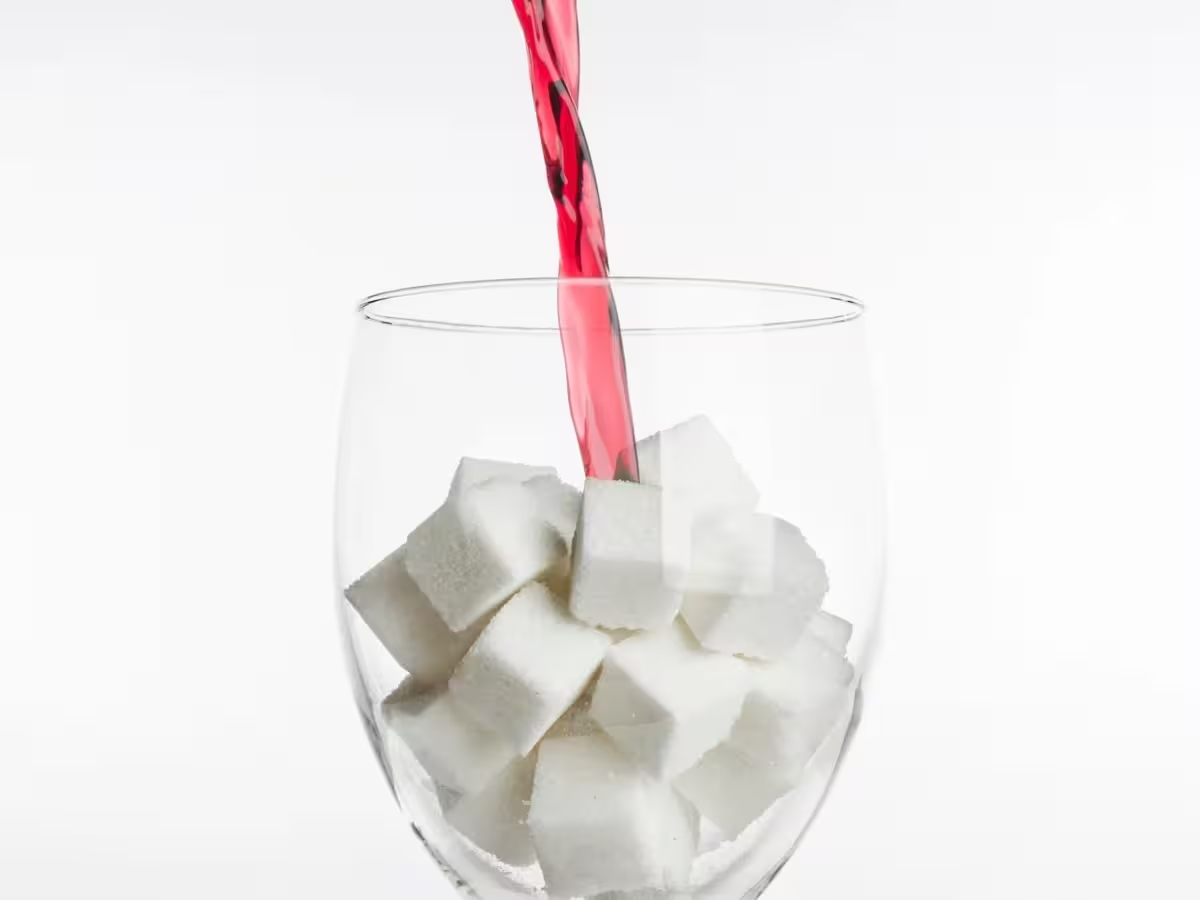
The answer is yes, but the amount varies greatly. To answer this question, we need to go back to the origin of wine. Wine is made from grapes, a ripe fruit that naturally contains a large amount of sugar. After harvest, grapes are pressed to extract juice, creating a very sweet mixture.
However, grape juice only becomes wine through a natural transformation called fermentation. During this process, winemakers add yeast to the juice. Yeast acts like hungry “worker bees”, consuming the natural sugar in grapes and converting it into alcohol and CO2.
If the yeast is allowed to fully ferment and consume all the sugar, the amount of sugar left in the mixture becomes almost zero. However, in some cases, winemakers want the wine to taste sweet, so they deliberately chill the wine to “put the yeast to sleep” before it consumes all the sugar. The remaining sugar is called residual sugar.
In short, most wines contain a certain amount of sugar, but the level can range from extremely low, almost none, to very sweet like syrup.
2. Which Wine Has the Least Sugar?
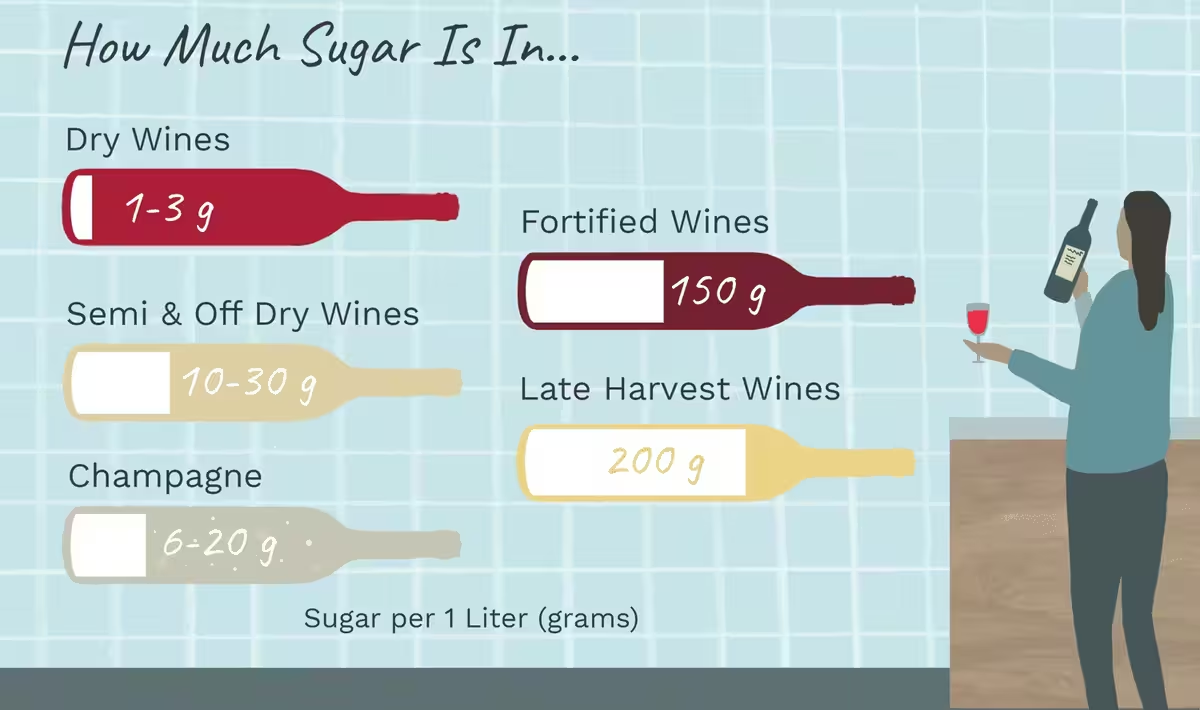
To find out which wine has the least sugar, we need to classify wine by sweetness level. Below are 5 main categories, arranged from the lowest to the highest sugar content:
2.1 Dry Wines
Dry wines are the best answer for anyone looking for the wine with the least sugar. This is the most suitable choice for dieters.
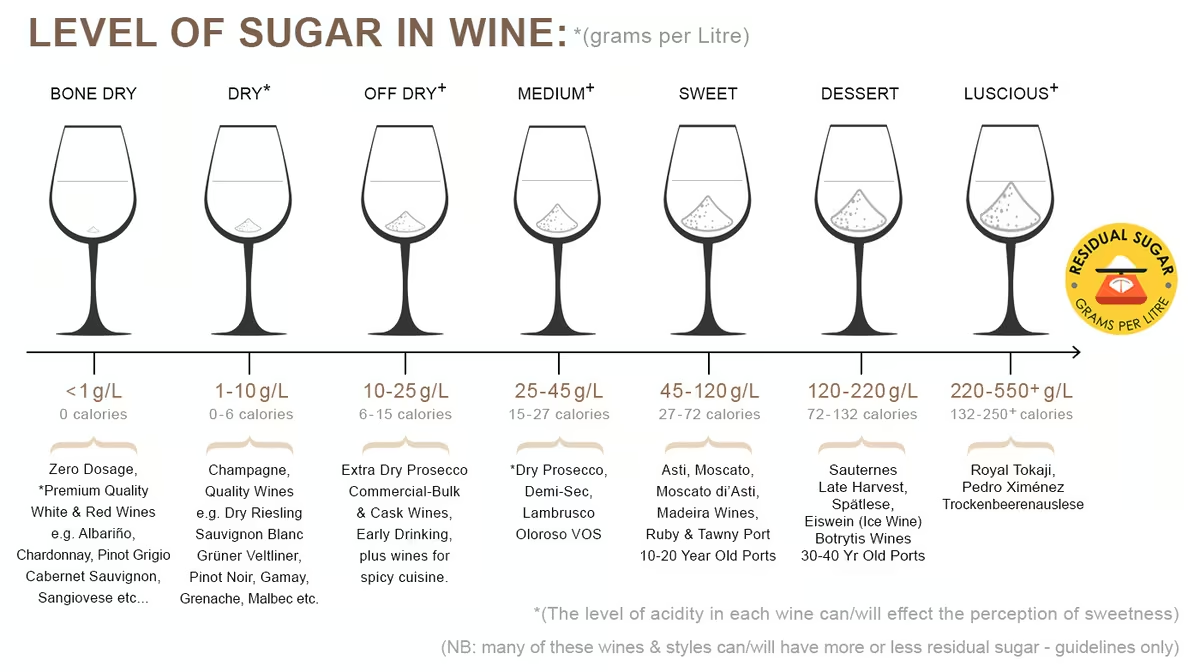
In this style, fermentation is completed, and the yeast has consumed almost 100% of the sugar. As a result, residual sugar in dry wine is usually below 10g per liter. In fact, many premium red and white wines contain less than 1g of residual sugar per liter. This means that in a standard glass of wine, around 150ml, you consume less than 1 gram of sugar, an ideal number for a diet.
Popular types:
- Dry red wines: Notable grape varieties include Cabernet Sauvignon, Merlot, Pinot Noir and Syrah.
- Dry white wines: Look for Sauvignon Blanc, Chardonnay or Pinot Grigio. These wines are not only low in sugar but also offer a crisp, refreshing sensation.
> If you ask which wine has the least sugar, dry wine is the number 1 answer.
2.2 Semi-Dry and Off-Dry Wines
In the middle of the sweetness scale are off-dry or semi-dry wines. They contain residual sugar from around 10g per liter to 35g per liter, equivalent to about 1.5g to 5g of sugar per 150ml glass.
This subtle sweetness is created by stopping fermentation slightly earlier. A typical example is German Riesling. This delicate touch of sweetness helps soften the wine’s acidity, making it easy to drink and especially suitable for beginners who are not yet used to the tannic taste of dry wines.
> Suitable for beginners, but not ideal for a strict diet.
2.3 Champagne and Sparkling Wine
Sparkling wine has its own sweetness scale, determined during the final step of production when winemakers add a small mixture of wine and sugar to the bottle.
If you want low-sugar Champagne, prioritize bottles with the following terms on the label:
- Brut Nature / Zero Dosage: No added sugar, 0-3g per liter. This is the driest and lowest-sugar sparkling style.
- Extra Brut: Extremely low in sugar, 0-6g per liter.
- Brut: The most common level, containing only a very small amount of sugar, under 12g per liter, equivalent to less than 1.8g of sugar per glass.
Note: Despite its name, “Extra Dry” is actually sweeter than “Brut”. Therefore, if you are limiting sugar, stay loyal to Brut or Brut Nature.
2.4 Fortified Wines
Fortified wines, such as Port and Madeira, are wines with added spirits, usually Brandy, during fermentation. The addition of high-alcohol spirits immediately kills the yeast, locking in a large amount of natural grape sugar.
The sugar content in fortified wines is very high, often ranging from 50g per liter to more than 150g per liter. A small glass of Port can contain up to 20g of sugar. Therefore, if you care about health and weight control, this is a wine style you should avoid.
>> Not suitable if you are losing weight or managing blood sugar.
2.5 Late Harvest Wines
As the name suggests, grapes used for this wine are left to ripen and shrivel on the vine for a long time, sometimes becoming almost like raisins to concentrate natural sugar, as seen in wines such as Sauternes or Ice Wine. Late harvest wines are dessert wines with a rich, honey-like sweetness. They are definitely not the right choice for anyone looking for low-sugar wine.
3. Tips for Choosing Low-Sugar Wine
It can be difficult to find a “nutrition facts” label showing the exact grams of sugar on imported wine bottles. Therefore, to confidently choose the wine with the least sugar, beginners can apply these 4 practical label-reading tips:

- Tip 1: Look at the alcohol content, or ABV
Alcohol and sugar are inversely related during fermentation. The more sugar yeast consumes, the more alcohol it produces. Therefore, a standard wine with an alcohol content from 13.5% to 15% is usually dry wine, meaning the sugar has been fully fermented. In contrast, wines with lower alcohol content, around 8% – 11%, such as Moscato or sweet Riesling, often contain more residual sugar.
- Tip 2: Look for keywords that indicate “dry”
Each country uses different terms to indicate dryness on the bottle label. Remember these keywords that usually suggest low sugar:
-
- France: Sec for still wine or Brut for Champagne.
- Italy: Secco.
- Spain: Seco.
- Tip 3: Prioritize wines from the Old World
Old World wine countries, such as France, Italy and Spain, often follow strict traditional winemaking regulations and tend to favor classic dry styles. Meanwhile, some affordable commercial wines from the New World, such as the United States or Australia, may retain a slight sweetness to make them easier to drink.
If you want to be more confident about choosing low-sugar wine, red Bordeaux from France or Chianti from Italy are excellent candidates.
- Tip 4: Do not rely only on taste
Sweetness can be masked by acidity or tannins. A wine with high acidity may feel dry and refreshing even if it still contains a little sugar. On the other hand, a bold red wine with strong tannins may make your mouth feel dry, while its sugar level may actually be close to zero. Combine tasting experience with reading the alcohol level on the label for the most accurate assessment.
4. Some Low-Sugar Wines Worth Trying at Hedon WineHub
Hedon WineHub is a trusted distributor of authentic imported wines, known for offering high-quality products and in-depth consultation for Vietnamese consumers. If you are looking for the wine with the least sugar, fewer calories and a more health-friendly profile, below are some excellent suggestions from Hedon’s collection:
- Refreshing Sauvignon Blanc white wine: This white wine style is famous for its extremely low residual sugar and crisp acidity.
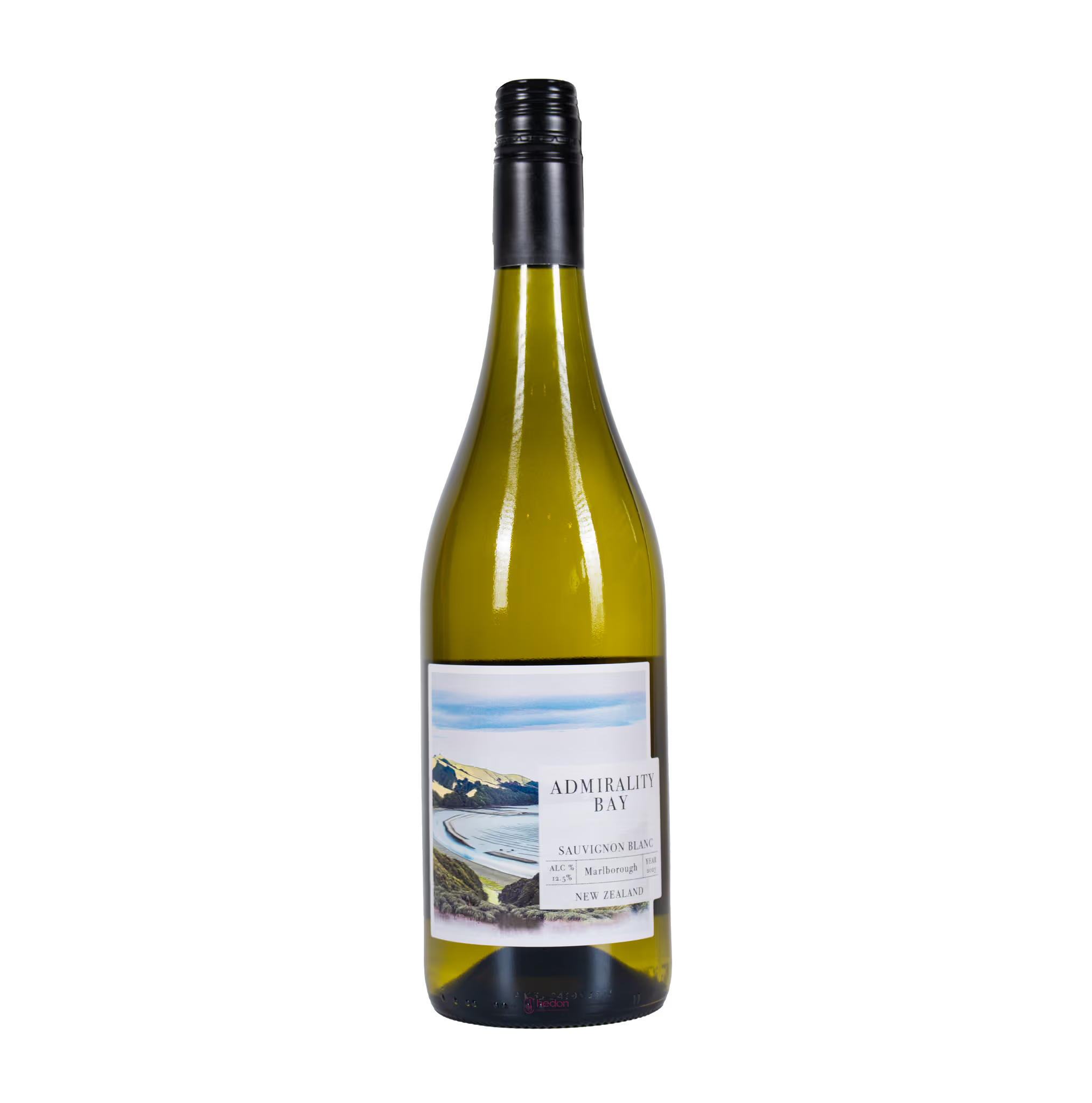
You can try Admirality Bay Sauvignon Blanc from New Zealand, with refreshing aromas of green grass and grapefruit.
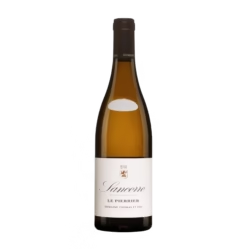
A more premium choice is Domaine Thomas et Fils Sancerre Pierrier from France, offering a perfectly dry experience with refined minerality.
- Rounded Chardonnay white wine: If you do not enjoy very sharp acidity, Chardonnay is a great alternative, with sugar still below 1.5g per glass.
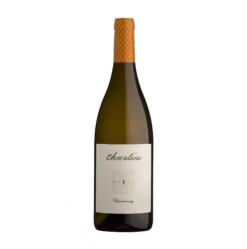
Christina Trousseau Chardonnay from South Africa is a wonderful suggestion to pair with seafood or salads in a diet-friendly meal.
Bold Cabernet Sauvignon red wine: For red wine, La Palma Cabernet Sauvignon from Chile is an affordable choice that still delivers firm structure, deep tannins and almost no residual sugar.
- Chandon Sparkling Brut: You do not need to worry too much about sugar during celebrations. Chandon Brut, with 12.5% alcohol and aromas of citrus and green apple, brings freshness and elegance while keeping carbohydrate intake to a minimum.
At Hedon WineHub, with showrooms in Hanoi and Ho Chi Minh City, our expert team is always ready to help you read labels and choose wines that suit your taste and personal nutrition goals.
Final Thoughts,
Pursuing a healthy lifestyle does not mean you have to give up the refined pleasures of food and drink. To answer the question of which wine has the least sugar, the answer is clearly dry wines such as Cabernet Sauvignon and Sauvignon Blanc, as well as Brut sparkling wines.
With extremely low residual sugar, these wines not only help you maintain your body shape and support stable blood sugar, but also deliver the most authentic and refined flavors of the grape. Apply these label-reading tips about alcohol content and international dryness terms to become a smarter wine consumer. And if you are still unsure when choosing wine for the first time, feel free to visit Hedon WineHub for consultation and to experience excellent low-sugar wines.