

 Tiếng Việt
Can mothers drink alcohol while breastfeeding? This is a question that worries many postpartum mothers. Does one glass of wine pass into breast milk? Is it safe to drink alcohol while breastfeeding if it is only a small amount? And how can mothers relax while still keeping their babies safe?
Breastfeeding is a joyful journey, but it can also come with a lot of pressure. After a long period of restriction during pregnancy, many mothers want to return to family gatherings or simply enjoy a glass of wine to relax. The good news is: mothers can still drink alcohol, if they understand it correctly and do it the right way.
1. Can a Mother Drink Alcohol and Still Breastfeed?
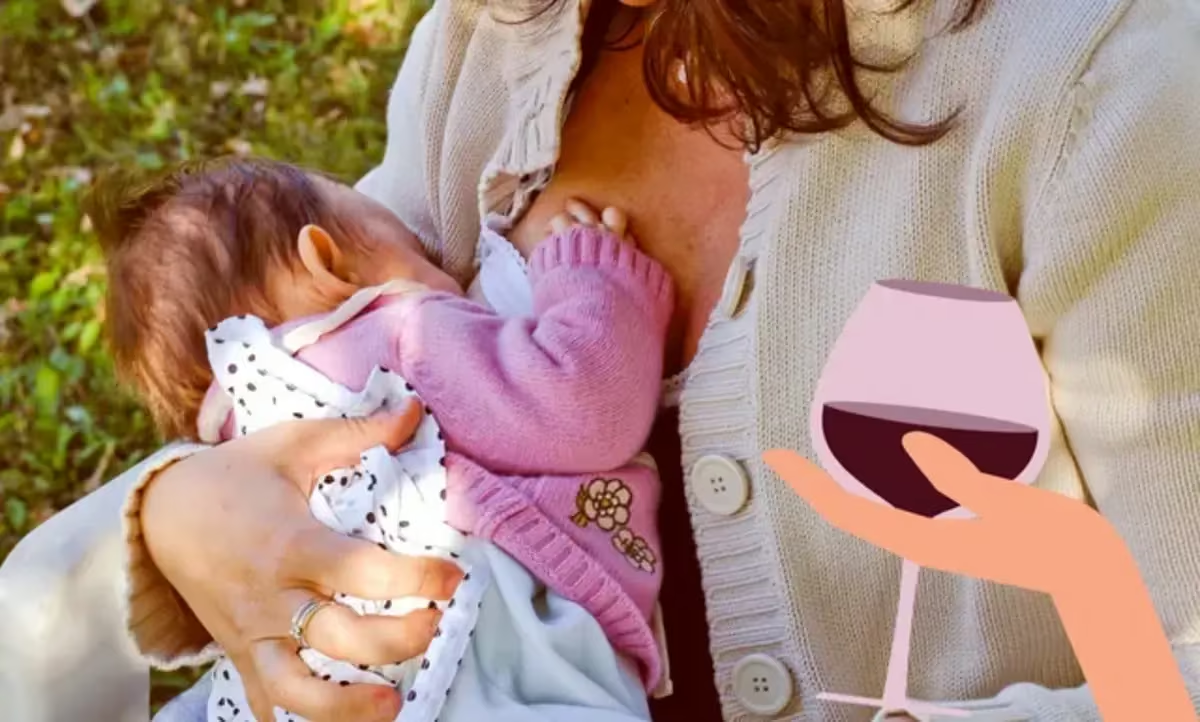
This is the most important question, and the short answer is: possibly, but you need to understand the rules and follow safety guidelines.
According to guidance from the Centers for Disease Control and Prevention, CDC, and the American Academy of Pediatrics, AAP, complete alcohol avoidance is the safest option. However, moderate alcohol consumption, defined as up to 1 standard drink per day, is not necessarily a reason to stop breastfeeding, as long as the mother strictly follows timing rules.
To understand this correctly, mothers need to know the following biological mechanism:
- The alcohol level in breast milk is almost the same as the alcohol level in the mother’s blood, close to a 1:1 ratio. This means alcohol moves freely back and forth between blood and milk.
- When a mother drinks alcohol, alcohol enters the bloodstream and then passes into breast milk.
- When the mother’s liver metabolizes alcohol and the alcohol level in the blood decreases, alcohol from the milk diffuses back into the blood to be eliminated.
This leads to an important truth that many people misunderstand: the “pump and dump” method does not remove alcohol from breast milk. Pumping milk while the mother is intoxicated only helps relieve breast engorgement. New milk produced afterward will still contain alcohol if alcohol remains in the mother’s blood. Only time can make breast milk “clean” again.
2. How Does Alcohol Affect Mothers During Breastfeeding?
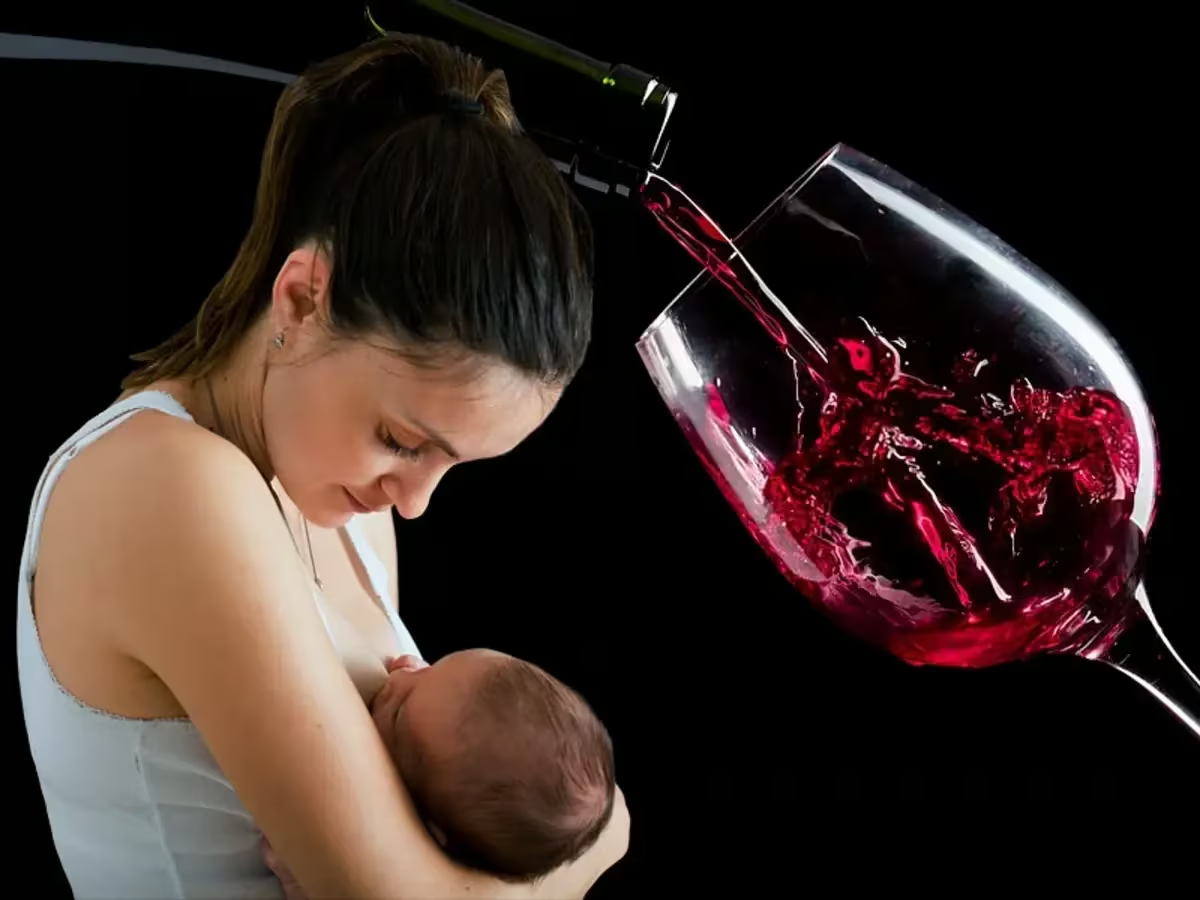
Alcohol does not only affect breast milk. It also directly affects a mother’s caregiving ability and the body’s milk letdown mechanism.
Many mothers think a little alcohol may help them sleep better during the exhausting months of caring for a baby. It is true that alcohol can help mothers fall asleep faster because of its sedative effect, but it disrupts sleep structure, making sleep shallower and more fragmented. As a result, mothers may feel even more tired the next morning.
More importantly, alcohol reduces reflexes and judgment. The risk of accidents while holding the baby, especially accidentally suffocating the baby when bed-sharing, increases significantly if the mother has consumed alcohol.
3. Effects of Alcohol on Fetuses and Newborns
It is important to clearly distinguish between the effects of alcohol during pregnancy and during breastfeeding. The level of risk in these two stages is completely different.
3.1 Harmful Effects of Alcohol on the Fetus
During pregnancy, alcohol passes directly through the placenta into the fetus’s bloodstream. Because the fetal liver is not fully developed, alcohol can cause permanent damage. The most serious condition is Fetal Alcohol Spectrum Disorders, FASD, which can cause facial abnormalities, intellectual developmental delay and behavioral problems.
Advice: During pregnancy, there is no safe level of alcohol consumption. Pregnant mothers should avoid alcohol completely.

3.2 Harmful Effects of Alcohol on Newborns Through Breast Milk
When a baby breastfeeds, they may consume milk that contains alcohol. This alcohol passes through the baby’s digestive system before entering the bloodstream. Although the concentration is much lower than during pregnancy, newborns, especially babies under 3 months old, have very immature livers. Their ability to metabolize alcohol is only about half that of adults.
If a mother drinks alcohol and breastfeeds immediately afterward, when alcohol concentration is at its peak, the baby may experience the following problems:
- Sleep disturbances: The baby may become very sleepy right after feeding, but sleep may be short, restless and followed by fussiness.
- Delayed motor development: Some studies suggest that babies frequently exposed to alcohol through breast milk may experience delays in gross motor skill development.
- Refusing to breastfeed: Alcohol can change the smell and taste of breast milk, making the baby unfamiliar with it and more likely to refuse feeding.
4. Frequently Asked Questions and Safe Solutions

4.1 Can Mothers Drink Non-Alcoholic Wine?
As healthy living becomes more popular, non-alcoholic wine is a perfect solution for mothers who want to join the celebration without worrying about affecting breast milk.
- 0.0% wine: Completely alcohol-free. Absolutely safe for both pregnant and breastfeeding women. It is often produced using vacuum distillation or reverse osmosis technology to remove alcohol while preserving flavor.
- Wine under 0.5%: Contains a very small amount of alcohol, similar to the amount found in ripe bananas or fermented bread. Physiologically, this amount is not enough to affect blood alcohol levels or breast milk alcohol levels. Therefore, it is still considered safe for breastfeeding women.
Popular non-alcoholic wine brands in Vietnam, such as Nozeco, still preserve the flavor of real wine. It is an affordable and common choice for non-alcoholic sparkling wine, suitable for parties thanks to dealcoholization technology that removes the risk.
4.2 How to Drink Alcohol Safely While Breastfeeding
If a mother chooses to drink real alcohol, follow the “2-Hour Rule”:
- Breastfeed before drinking: Feed the baby fully or pump milk for storage right before the mother starts the first drink.
- Eat well: Eating before and while drinking helps slow alcohol absorption into the bloodstream.
- Wait long enough:
- On average, the body needs about 2 hours to eliminate 1 alcohol unit, equivalent to 1 glass of wine, 150ml at 12% ABV.
- If the mother drinks 2 glasses, the waiting time should be 4-5 hours.
Note: The lighter the mother’s body weight, the longer alcohol elimination may take compared with someone heavier.
- Use breast milk alcohol test strips, if available: There are now test strips on the market that help mothers check whether breast milk is safe, giving extra reassurance instead of relying only on estimated time.
Final Thoughts,
Being a mother does not mean you must completely give up personal preferences or relaxing moments at gatherings. The answer to “Can mothers drink alcohol while breastfeeding?” lies in balance and knowledge, as long as the mother understands the facts and drinks responsibly.
You can enjoy a glass of wine, as long as you understand the timing rules and make smart choices, such as non-alcoholic wine. Your baby’s safety depends on your knowledge and planning, not necessarily on extreme absolute restriction.
If you accidentally drink a glass of wine, stay calm and wait at least 2 hours so your body can clear the alcohol before breastfeeding again. Do not forget to choose low-alcohol bottles or explore modern non-alcoholic wine options so you can relax while protecting your little angel as fully as possible.