


 Tiếng Việt
Are you wondering what to mix with wine to bring something new to your gatherings? Do not think wine is only meant to be enjoyed on its own. With a little creativity, you can easily transform it into attractive, easy-to-drink cocktails suitable for every occasion.
In this article, we will explore different ways to mix wine and the important notes to keep in mind when pairing wine with food.
1. Basic Principles When Mixing Wine

Before deciding what to mix with wine, you need to understand the characteristics of each wine style. For example:
- Red wine: Has a fairly noticeable tannic taste and aromas of dark berries. Therefore, red wine often needs ingredients with sweetness or fruitiness to soften this astringency.
- White wine: Offers refreshing acidity and gentle tropical fruit aromas. This freshness makes white wine a perfect base for summer refreshment drinks.
- Sparkling wine or Champagne: Its beautiful bubbles are the “secret weapon” that helps lift and spread the aromas of mixed ingredients more powerfully.
The most important principle: balance flavors through contrast.
- If your wine tastes too sharply acidic, add a little sweetness.
- If the alcohol level feels a little light for your taste, a touch of vodka, rum or another spirit can add more depth.
Once you master this simple secret, you can confidently become a true “home bartender”.
2. What Can You Mix with Wine?
2.1 Mix Wine with Fruit
If you are wondering what to mix with wine that is delicious, safe, easy and almost always successful, fresh fruit is an ideal choice. The combination of wine and fruit is one of the oldest and most famous methods in the world. When fruit is soaked in wine, alcohol and acidity extract natural sugars and essential oils, creating a softer, more harmonious and very approachable flavor.
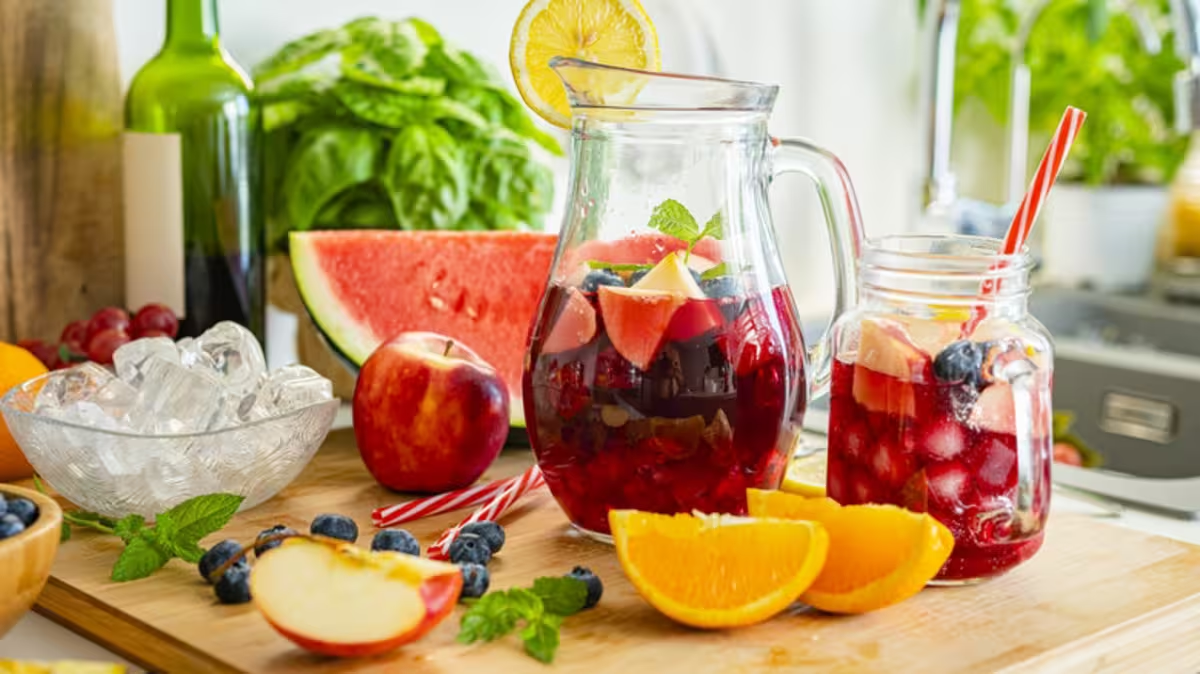
- Sangria
The finest representative of this style is Sangria, the iconic drink of vibrant Spanish parties.
A classic red Sangria pitcher usually includes red wine, preferably a light and low-tannin style, a little brandy to add depth, sugar syrup and plenty of sliced fruits such as orange, apple, lemon and strawberry. The secret to making delicious Sangria is to mix it and chill it in the refrigerator for 2 to 24 hours. This cold maceration time allows the fruit to release its natural sweetness and blend deeply with the wine, creating an exceptionally smooth drink.
- Mimosa
If you love sparkling wine, try Mimosa, the “queen” of weekend brunch.
The recipe is extremely simple: mix Champagne or sparkling wine with freshly squeezed orange juice at a 1:1 ratio. The bubbles from the wine carry the refreshing orange essential oils upward, creating a wonderfully uplifting sensation. You can also get creative by replacing orange juice with pineapple juice, cranberry juice or even apple cider with a touch of cinnamon for cool autumn days.
- Mulled Wine
On cold winter days, Mulled Wine is the perfect choice.
Simply simmer red wine gently with honey, fresh orange slices, cinnamon, star anise and cloves. You will have a warm, sweet and comforting drink. A small note: keep the heat very low and never let it boil vigorously, because high heat will evaporate the alcohol and make the wine taste bitter.
2.2 Mix Wine with Soft Drinks
Many people wonder whether mixing wine with soft drinks tastes good. The answer is: yes, it is delicious and extremely popular. Adding carbonated soft drinks not only reduces alcohol intensity and brings refreshment through bubbles, but the sugar in soft drinks also masks the harsh tannins of inexpensive wines.
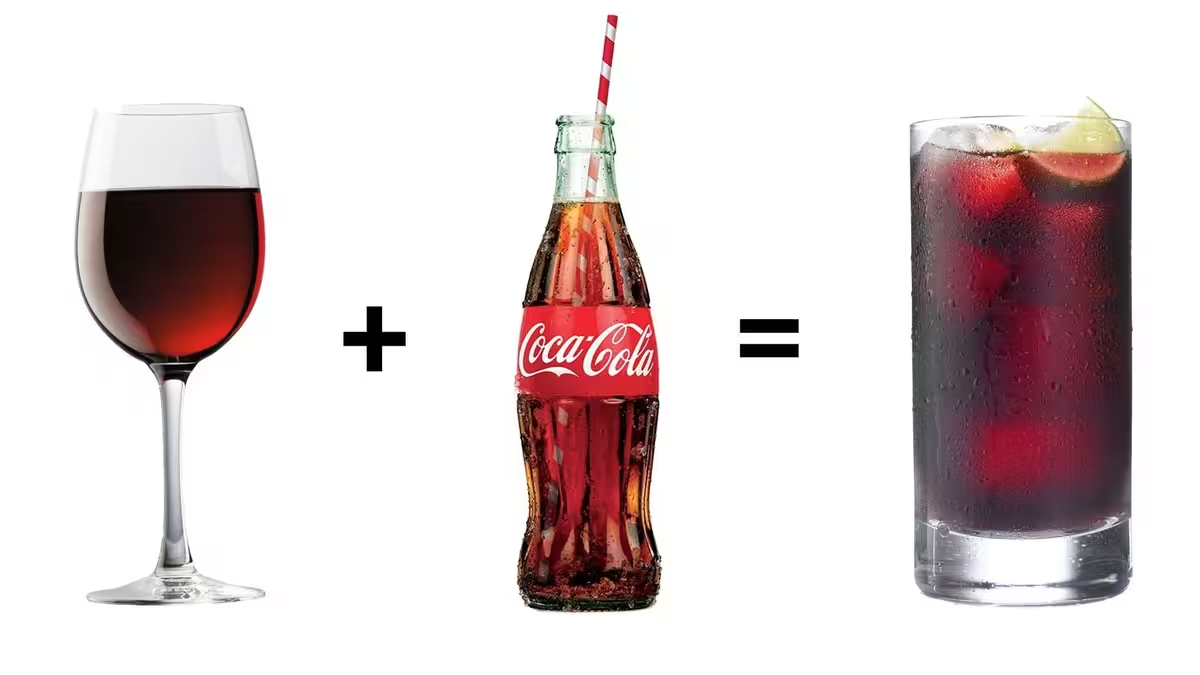
- Kalimotxo
When talking about what to mix with wine that is both tasty and affordable, Kalimotxo, pronounced Calimocho, cannot be missed. This is a very famous street drink that originated in Spain in the 1970s.
The recipe is super simple: mix 50% red wine with 50% Coca-Cola, pour over a full glass of ice and add a slice of fresh lime. The caramel flavor and rich sweetness of Cola blend perfectly with the acidity of red wine, creating an extremely easy-to-drink beverage that does not make you feel tipsy too quickly and is ideal for large parties.
- Tinto de Verano
If Kalimotxo has a casual street-style character, Tinto de Verano, or “summer wine”, is a more elegant version. Spaniards even drink Tinto de Verano more often than Sangria during hot weather.
You only need to mix red wine with lemon-lime soda, such as Sprite or 7Up, and plenty of ice. The refreshing sweet-and-sour lemon flavor blends with red wine to create a highly thirst-quenching drink, perfect for sipping with light snacks.
- Spritzer
If you are on a diet or want to avoid sweetness, try a Spritzer.
Take well-chilled white wine, pour it into a glass and add a little unsweetened sparkling water, soda water or club soda. The bubbles from the soda enhance the natural aromas of white wine without changing the calorie or sweetness level of the drink, bringing an elegant and refined experience.
2.3 Mix Wine with Spirits
If you want to upgrade the experience at a more professional mixology level, try mixing wine with spirits such as vodka, rum or tequila.

- Vodka
Vodka is considered the ideal companion. Because vodka is neutral, colorless and without a strong aroma or flavor, it increases the alcohol level of a cocktail without covering the original taste of the wine. A wonderful suggestion is the Vodka Lemonade Spritzer:
Combine lemon-flavored vodka, fresh lemon juice and a little sugar, then top up with sparkling Prosecco. This drink delivers three layers of flavor: crisp acidity, gentle sweetness and vibrant bubbles. You can also try mixing 60ml white wine, 30ml vodka and tonic water for a more complex and floral drink than a regular Vodka Tonic.
- Rum
If you enjoy a rustic tropical flavor, try combining wine with white rum.
Modern bartenders often reinterpret the classic Daiquiri by using a little white wine, especially one with sharp acidity, to replace or support lime juice. This gives the drink a smoother, deeper and more layered acidity.
- Liqueur
Finally, do not overlook liqueurs made from spirits. Orange liqueurs such as Cointreau or Triple Sec bring smooth sweetness and concentrated orange aromas that blend deeply into the drink’s structure.
Try mixing 10ml orange liqueur, 10ml white wine, a few slices of pineapple and strawberry, then topping everything with sparkling wine. You will immediately have a royal-style drink, an excellent answer to the question of what to mix with wine for a delicious and elegant result.
3. What Should You Avoid Eating When Drinking Wine?
Besides learning what to mix with wine, you should also know which foods do not pair well with wine. Below is a list of foods you should be careful with when enjoying wine:
- Sushi and raw seafood do not go well with tannic red wine
This is considered one of the most classic rules. If you eat raw fish, salmon or tuna with a bold red wine, you may immediately notice a strong fishy smell and a metallic, astringent taste clinging to your palate, almost like holding a piece of aluminum foil in your mouth. The scientific reason is that iron ions and tannins in red wine react with Omega-3 fatty acids in fish, creating this unpleasant fishy sensation. With seafood, it is best to choose crisp white wine or Champagne.
- Asparagus and artichoke are “enemies” of wine
These two vegetables are always on the “blacklist”. Artichoke contains a compound called Cynarin, which tricks the receptors on your tongue and makes everything you taste afterward, including wine, seem strangely sweet. Asparagus contains many sulfur compounds, making wine smell like dried grass or rusty metal. If you must eat these two ingredients, choose a very high-acid unoaked white wine, such as Sauvignon Blanc, to cut through the unpleasant flavors.
- Spicy food clashes with high-alcohol red wine
When eating Thai hotpot, curry or heavily chili-spiced dishes, do not choose a bold red wine. Alcohol acts like a solvent, amplifying the heat of chili and making your mouth burn even more. In return, the spiciness also strips away the wine’s fruit sweetness, making it taste bitter. Instead, choose a slightly sweet white wine served very cold, such as Moscato or Riesling, to soothe the palate.
- Highly acidic foods, such as vinegar salad and tomato sauce
The principle here is: acidic food can overpower wine. If you eat a heavily vinegared salad and then drink a low-acid wine, the wine may suddenly taste flat, like diluted alcohol. Remember this rule: acidic dishes should be paired with wines that have equal or higher acidity.
- Chocolate and sweet desserts clash with dry red wine
Many people have the habit of finishing the red wine from the main course with dessert. This is a mistake. When the food is sweeter than the wine, it covers all the wine’s fruit flavors. In particular, the bitter tannins in cacao combined with tannins in dry red wine can strip away the creamy feeling on the tongue, leaving a dry, harsh and bitter sensation. The correct principle is: wine should always be sweeter than the dessert. Choose dedicated sweet wines, dessert wines or Port wine, to pair with cakes and sweets.
Final Thoughts,
We have taken an exciting journey to discover what to mix with wine, as well as the essential notes when pairing wine at the dining table. Today, wine has become more approachable and open-minded than ever.
Do not be afraid to break old rules. Open your refrigerator and create a drink that reflects your own personal style. What to mix with wine is ultimately up to your creativity. As long as you remember the basic principles of balance and avoid foods that clash with wine, every combination can become a valuable culinary experience. Wishing you relaxing and delicious wine moments. Share this article if you find it useful.