


 Tiếng Việt
This article is a complete guide that takes readers through the most common ways to classify wine, from color and texture to origin, helping them not only master the knowledge but also apply it when choosing the right bottle for their own taste.
1. Classifying Wine by Color and Winemaking Method
This is the most basic and intuitive way to classify wine. It clearly reflects the grape type used and the initial production method, creating clear differences in color, flavor and structure. The color of wine is mainly determined by the grape variety and the amount of time grape skins stay in contact with grape juice during fermentation.
1.1. Red Wine
Red wine is made from red grapes or other dark-skinned grape varieties. Its distinctive color comes from natural pigments in grape skins, extracted during fermentation and aging in oak barrels or other vessels.
Characteristics of red wine
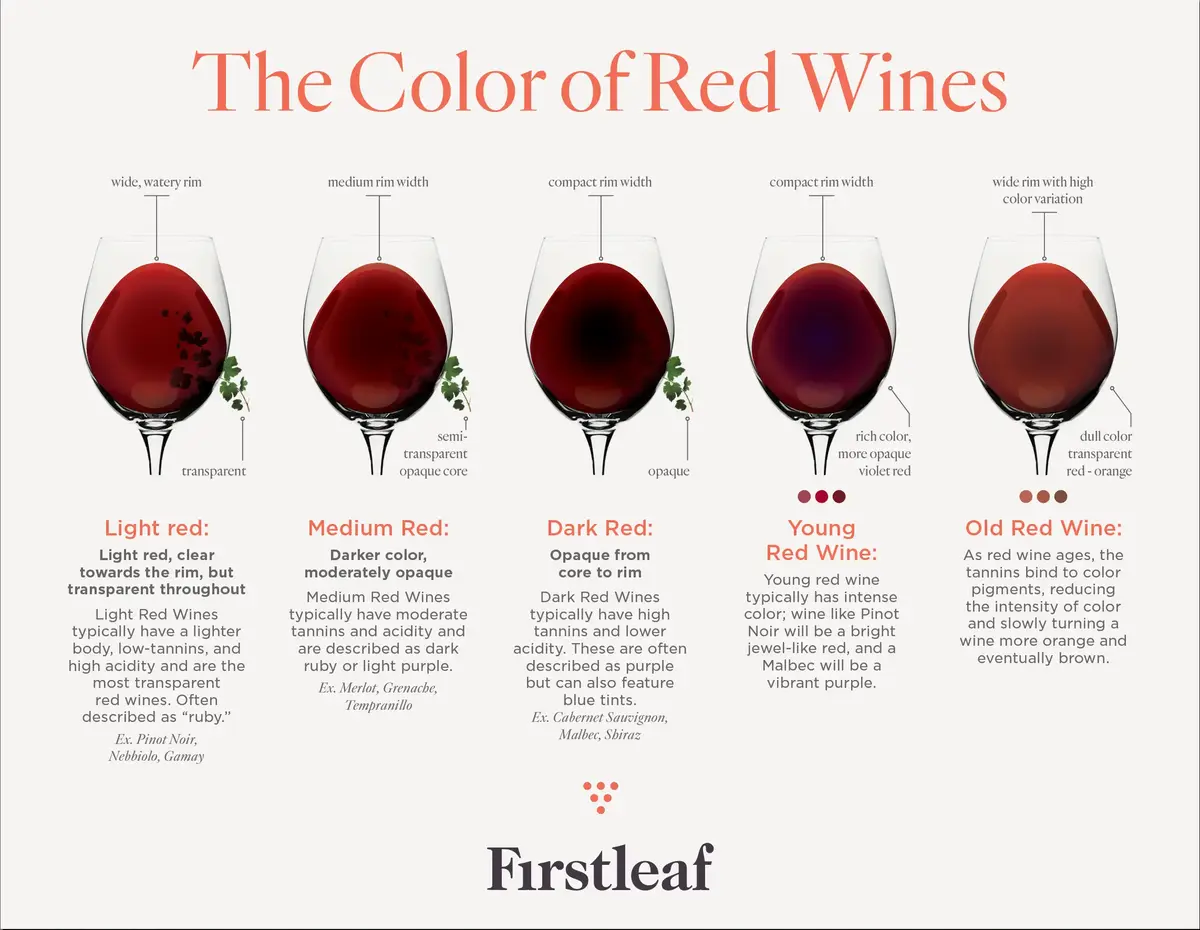
- Color: From pale ruby red to deep purple-red, depending on the grape variety and age of the wine. Young red wines usually have bright, fresh colors, while older wines tend to shift toward brick red or brown. This color evolution reflects the wine’s maturation process.
- Flavor: Red wine is known for bold and powerful flavors. Drinkers may notice notes of dark fruits such as blackberry, cherry, plum, blueberry and blackcurrant. Depending on grape variety, geography and production technique, red wine may also show more complex aromas of spice, such as black pepper and cinnamon, earth, leather, tobacco, vanilla, mocha or even floral notes such as violet, lilac, rose and lavender.
- Tannin: This is one of the most important characteristics of red wine, creating a dry or “heavy” sensation in the mouth. Tannin is a natural compound found in grape skins, seeds and stems, as well as in oak barrels used for aging. High tannin levels provide firm structure and long aging potential for red wine.
Basic production process
The production process for red wine differs clearly from white and rosé wine because the grapes are fermented together with their skins. After careful harvesting and sorting, where harvest timing determines the final flavor of the wine because grapes picked too early can taste sour while grapes picked too late can taste harsh, the grapes are gently crushed so the skins remain in contact with the juice. Fermentation then takes place. During this process, carbon dioxide is continuously produced, pushing the grape skins to the surface, which requires winemakers to regularly punch down the skins by hand to extract color, tannin and flavor.
An interesting point in red winemaking is that the grapes are pressed after fermentation, unlike white and rosé wines. After fermentation, the wine is aged in different vessels such as oak barrels, which have the strongest influence on flavor by adding notes of vanilla, mocha and oak, as well as concrete, glass or stainless steel. Finally, the wine may be blended, filtered to remove sediment, impurities and elements that could affect the wine, then bottled for aging.
1.2 White Wine
White wine is made from white or green grape varieties. During production and fermentation, winemakers remove grape skins and seeds, then age the wine in oak barrels or stainless steel tanks.
Characteristics of white wine
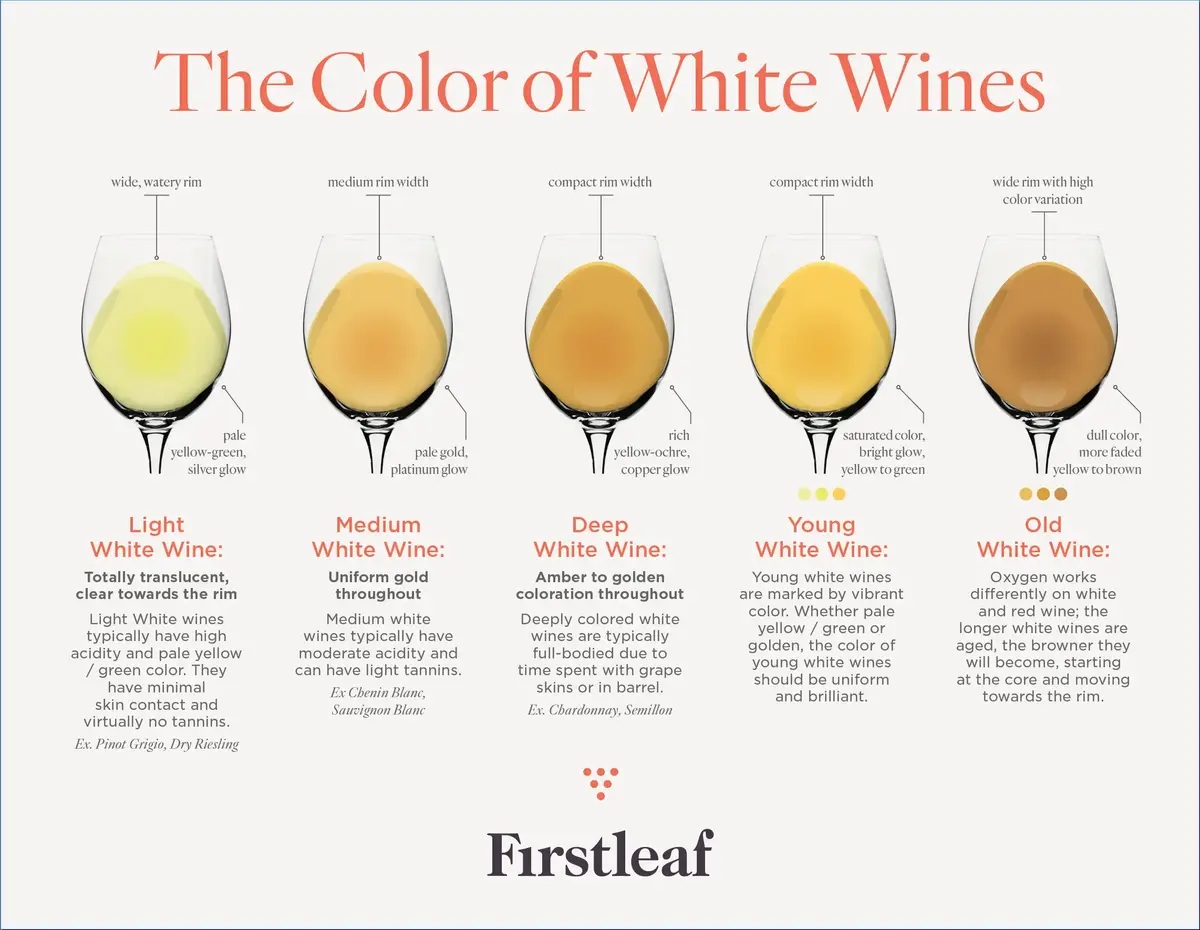
- Color: Because skins and seeds are not used during production, white wine can range from clear white and pale straw yellow to golden yellow or amber, depending on grape variety and aging process.
- Flavor: White wine usually has a light, fresh and refined flavor profile, bringing a refreshing sensation. Drinkers can often notice notes of tropical and citrus fruits such as orange, tangerine, lemon, pineapple, pear, apple and melon, along with floral notes, herbs, honey, butter and sometimes vanilla or oak if the wine is barrel-aged.
- Acidity: White wine often has strong acidity, creating a crisp and fresh feeling when properly chilled.
Basic production process
The core difference between white winemaking and red winemaking is that grapes are pressed before fermentation, and the skins and seeds are completely removed. This prevents tannin and color extraction, keeping the wine pale and elegant in flavor. Fermentation usually happens at a lower temperature than red wine fermentation to preserve as much natural fruit aroma as possible. The steps include harvesting grapes, crushing and pressing, settling to remove impurities, adding yeast, alcoholic fermentation, and in some cases secondary malolactic fermentation, which converts malic acid into lactic acid to create a creamy, buttery texture, although this is not required. The process may also include lees stirring, optional blending and final filtration to ensure clarity before bottling.
1.3 Rosé Wine
Still rosé wine is made from red grapes and has an attractive pale pink color.
Characteristics of rosé wine
- Color: Rosé wine comes in a wide and charming range of colors, from delicate pale pink to vivid deep pink, sitting between red wine and white wine. This distinctive pink color comes from a very short period of contact between red grape skins and grape juice during production, usually under 24 hours.
- Flavor: Rosé wine offers fresh, soft flavors and often gentle fruit aromas. Drinkers may notice notes of fresh red fruits such as strawberry, raspberry, cherry, blueberry and sour cherry, along with floral notes such as rose, citrus and melon. The finish of rosé is usually smooth, creating a light and refreshing experience. Although many rosé wines have a slight sweetness, there are also dry rosé styles with high acidity, creating balance and freshness on the palate.

Basic production process
Rosé wine is made from red grapes, but the key difference is that grape skins stay in contact with the juice for only a short time. There are three main methods for producing rosé:
- Direct pressing: Grapes are crushed and pressed immediately, or the juice is left with the skins for only a few hours to a few days. The juice is then separated from the skins and fermented. This method creates rosé wines with delicate color and light flavor.
- Saignée: This method involves “bleeding off” a small portion of juice from a red wine fermentation tank after the red grapes have been crushed. This juice is then fermented separately to make rosé. The remaining juice continues to be used for red wine. The saignée method usually creates rosé with deeper color and richer flavor.
- Blending: This method simply blends red wine and white wine. However, it is less common and is generally not considered the traditional way to make high-quality rosé. It is mainly used for certain rosé sparkling wines.
Table: Comparison of wine characteristics by color
| Criteria | Red Wine | White Wine | Rosé Wine |
| Typical color | Red to deep purple, brick red, orange-brown | Clear white to straw yellow, golden yellow, amber | Attractive pale pink to deep pink |
| Production process, key difference | Fermented with grape skins to extract color, tannin and flavor | Pressed first, skins and seeds removed; fermented at lower temperature | Red grape skins are macerated briefly, under 24 hours, then separated before fermentation; may use direct pressing, saignée or blending |
| Main aromas and flavors | Dark fruits, such as blackberry, cherry and plum, spice, such as black pepper, earth, leather, tobacco, vanilla, flowers, such as violet | Tropical and citrus fruits, such as orange, tangerine, lemon, pineapple, pear and apple, floral notes, herbs, honey, butter | Red fruits, such as strawberry, raspberry, cherry and blueberry, floral notes, such as rose, citrus and melon |
| Distinctive taste profile | Tannic, slightly acidic, sometimes sweet, lightly bitter; bold and powerful | Fresh, refined, refreshing, high acidity | Fresh, soft, high acidity, smooth and refreshing; may be slightly sweet or dry |
| Common grape varieties | Cabernet Sauvignon, Pinot Noir, Merlot, Syrah/Shiraz, Malbec, Grenache, Sangiovese, Zinfandel/Primitivo | Chardonnay, Sauvignon Blanc, Sémillon, Riesling, Moscato, Pinot Gris/Pinot Grigio, Gewurztraminer, Viognier | Blends, Pinot Noir, Sangiovese, Grenache, Syrah/Shiraz, Tempranillo, Cabernet Sauvignon, Zinfandel, Mourvèdre, Provence |
| Ideal serving temperature | 16 – 18°C | 8 – 12°C | 8 – 12°C |
| Main food pairing suggestions | Grilled red meat, smoked meat, pizza, stews, hard cheeses | Seafood, salad, grilled chicken, poultry, light cheeses, fried or stir-fried dishes, pizza, sushi, pasta | Seafood, salad, grilled chicken, poultry, light cheeses, Italian dishes, tapas, grilled vegetables, spicy dishes |
2. Classifying Wine by Texture
This way of classifying wine is based on the amount of carbon dioxide, CO2, in the wine, an important factor that determines the tasting sensation. Based on this, there are three main types of wine: still wine, sparkling wine and sweet wine, which is often classified separately by sugar content but also has a major influence on texture.
2.1. Still Wine
Still wine is the most common type of wine on the market today. Its defining characteristic is that it has no carbonation or very low carbon dioxide pressure, below 0.05 MPa at 20°C, so it produces almost no bubbles when poured into a glass. This is the type of wine most people think of when they talk about regular wine.
Still wine includes red, white and rosé wines. It is usually enjoyed at specific temperatures to optimize flavor and structure, such as red wine at 16 – 18°C and white wine at 8 – 12°C.
2.2. Sparkling Wine
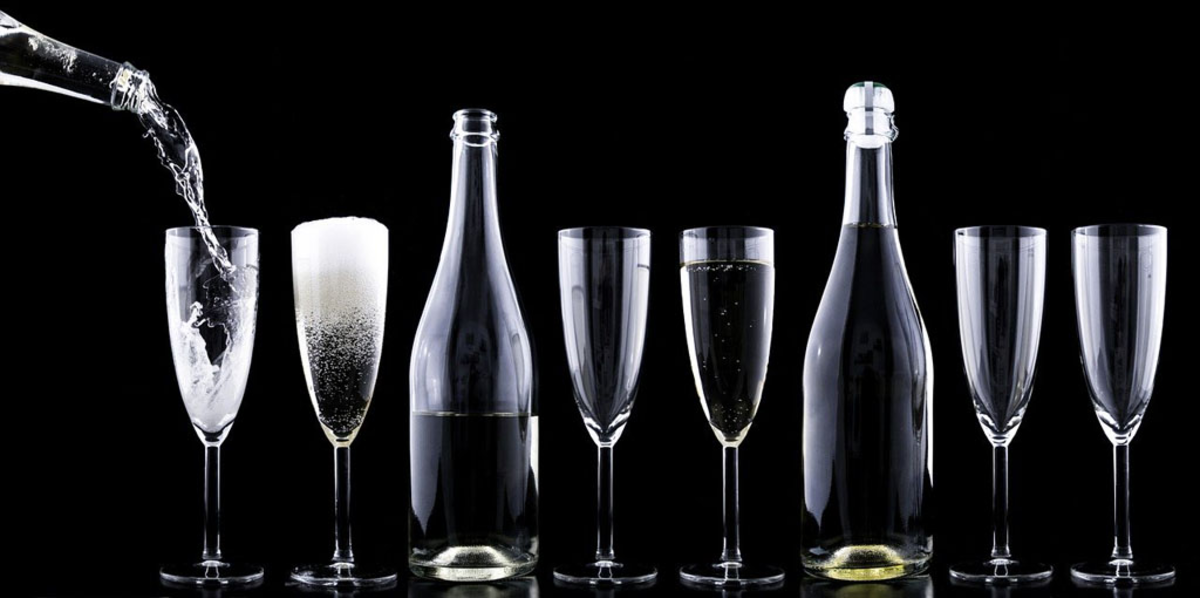
Sparkling wine has CO2 pressure greater than or equal to 0.05 MPa at 20°C, creating many fine bubbles when poured into a glass. This type of wine is popular during holidays, important events, parties and celebrations because of the joyful pop when the cork is opened.
Characteristics of sparkling wine
- Color: Sparkling wine often has an elegant golden hue, while some styles may appear white or pale pink.
- Flavor: When tasting, drinkers feel fresh fruit aromas and a delightful tingling sensation on the tongue thanks to the bubbles. Typical flavor layers may include apple, pear, citrus, strawberry, cream, vanilla, often in the finish, yeast and hazelnut.
- Ideal serving temperature: 6 to 10°C, after chilling in the refrigerator for about 2 – 3 hours.
- Food pairing: Suitable with seafood, vegetable salads, sushi and pizza.
Production methods
There are two main methods for producing sparkling wine:
- Methode Traditionnelle, traditional method: This is the method where secondary fermentation happens directly in the bottle. The process takes more time but creates fine bubbles, toasted bread aromas and high complexity. Champagne and Cava are classic examples that use this method.
- Charmat, tank method: This method carries out secondary fermentation in large stainless steel tanks before bottling. Charmat is faster than the traditional method and creates fresh, youthful, easy-drinking and affordable wines, ideal for parties. Prosecco is a famous example of this method.
Common grape varieties used to produce sparkling wine include Chardonnay, Pinot Noir and Pinot Meunier.
Famous examples of sparkling wine include Champagne from France, Prosecco from Italy, Cava from Spain, Crémant from France and Sekt from Germany.
2.3. Sweet Wine
Sweet wine has high sugar content and is often produced from grapes with high natural sugar levels or through special aging and production methods. By definition, if a wine contains more than 30 grams of sugar per liter, it is considered sweet wine; if it has less than 10 grams per liter, it is considered dry, and the range in between is considered off-dry. Sweet wine has a sweet flavor and often higher alcohol content.
Characteristics of sweet wine
Sweet wine offers rich and sweet flavors of ripe fruits such as grape, peach, plum, pear, tangerine, orange and flowers. Its flavor is usually fresh, refined and very captivating. Sweet wine has a light and refreshing structure, usually around 5 – 8% alcohol, making it very suitable as an aperitif or for sweet parties.
Production methods
There are many ways to create a sweet wine, mainly by concentrating sugar in the grapes or stopping fermentation before all the sugar has converted into alcohol. Common methods include:
- Late harvest: Grapes are left to ripen longer on the vine, increasing natural sugar.
Passito/Appassimento, drying grapes: Grapes are dried after harvest to concentrate sugar. This technique is popular in Italy, especially in Puglia, creating wines with raisin aromas and a sweet finish.
Noble Rot/Botrytis Cinerea: This fungus removes water from grapes, concentrating sugar and creating unique flavors. Sauternes from France and Tokaji from Hungary are famous examples made using this method. - Ice Wine/Eiswein: Grapes are left frozen on the vine in winter, below -7°C. When pressed, only the concentrated sugary juice is extracted, then fermented into wine.
- Fortified Wine: Wine is made stronger by adding spirit, increasing alcohol level and often preserving sweetness. Port is a classic example of sweet fortified wine.
>> Continue to Part 2 here!
Final Thoughts,
The world of wine is a colorful, diverse and constantly evolving picture. Classifying wine by color and texture is not only a way to systematize knowledge, but also the key to opening deeper tasting experiences.
Hopefully, this guide, Part 1, has provided a comprehensive and easy-to-understand overview of wine classification, helping readers feel more confident on their journey to explore and enjoy the refined beauty of this wonderful drink.