
 Tiếng Việt

Discover the difference between Old World and New World wine. This detailed guide covers flavor, label reading, pricing and style, helping even beginners choose the right bottle with confidence.
1. What Is Old World Wine?
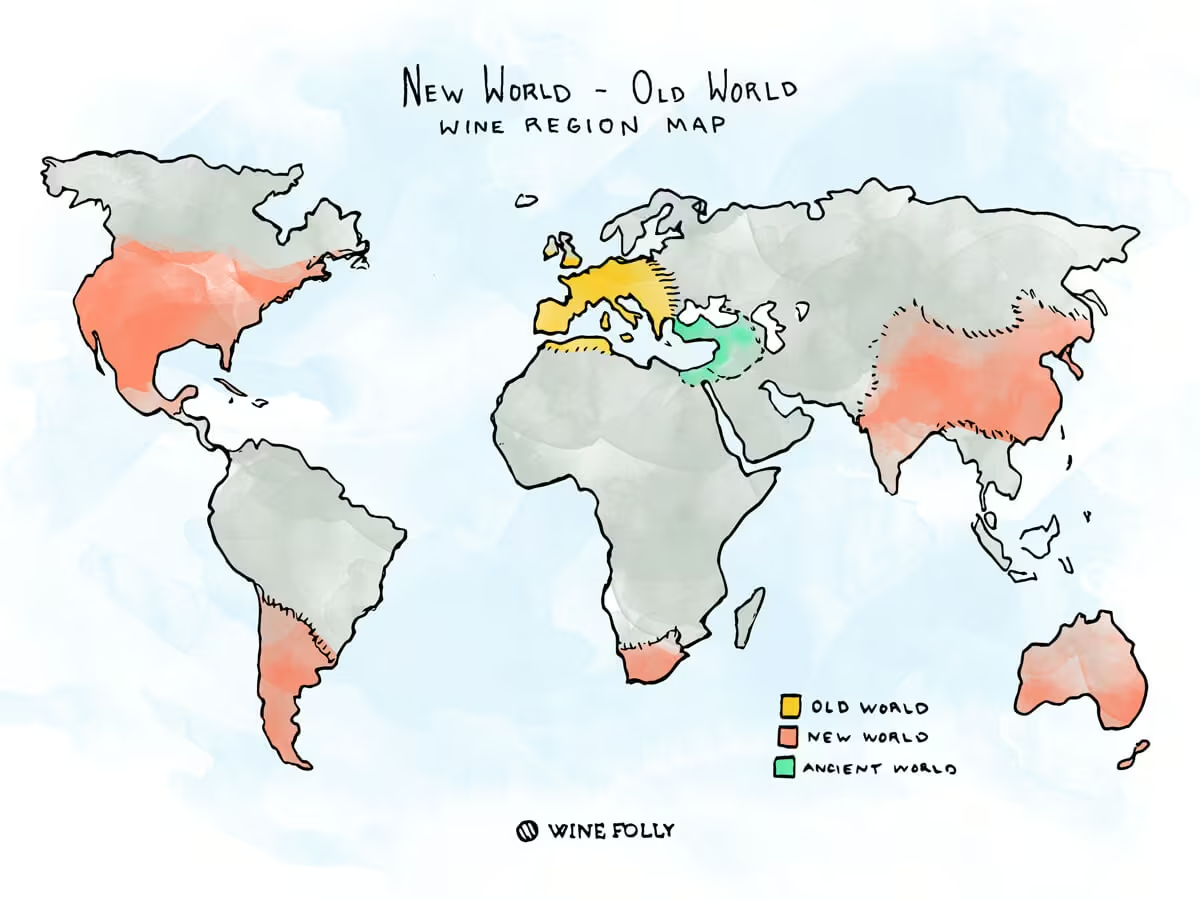
Old World wine refers to wines from countries considered the historical “cradles” of winemaking. These are regions with thousands of years of wine tradition, where wine grapes were first domesticated and cultivated. Typical countries include France, Italy, Spain, Portugal, Germany, Austria, Greece and several countries in the Middle East.
Old World Winemaking Philosophy: Honoring “Terroir”
A core concept in Old World wine is “terroir”, a French term. Terroir is the total combination of all natural and human factors in a specific wine-growing area: soil type, climate, topography, hillside slope and even the long-standing local winemaking tradition. The highest goal of Old World winemakers is to express the “soul” of that land as honestly as possible in every glass of wine.
Characteristics of Old World Wine
- Subtle and complex flavors: Instead of intense fruit aromas, Old World wines often lean toward notes of earth, minerals, herbs and gentle spices.
- Elegant structure: Because the climate is often cooler, grapes ripen more slowly, creating wines with lower alcohol, higher acidity and lighter body.
- Strict regulations: To protect terroir, Old World countries have very strict wine production systems, such as AOC, Appellation d’Origine Contrôlée, in France or DOC/DOCG, Denominazione di Origine Controllata/Garantita, in Italy. These regulations control everything from permitted grape varieties to production methods.
2. What Is New World Wine?
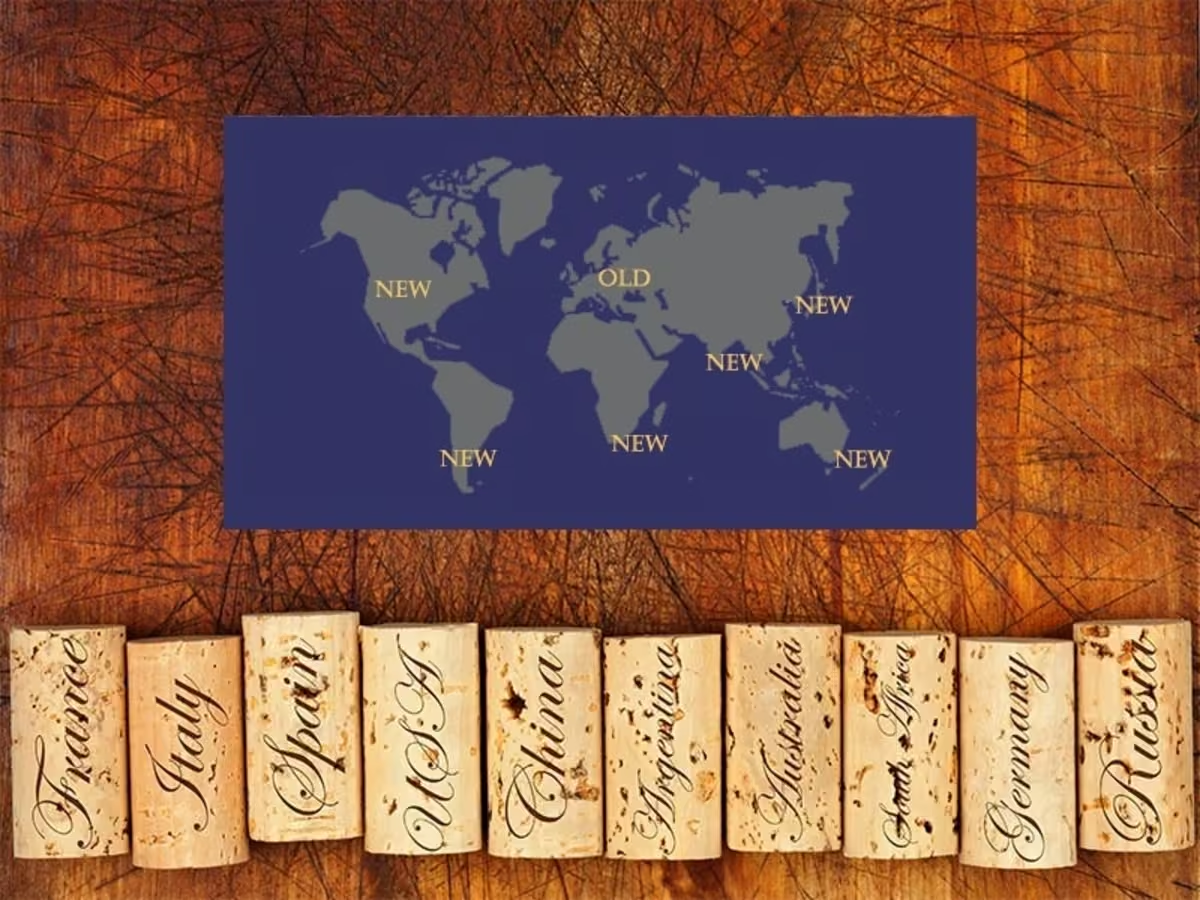
In contrast to the long tradition of the Old World, New World wine comes from countries and regions with a more modern winemaking history, usually after the Age of Exploration in the 15th century. Typical countries include the United States, Australia, New Zealand, Chile, Argentina and South Africa.
New World Winemaking Philosophy: Creativity and Technology
If terroir is the star in the Old World, then grape variety and creative flexibility are the main characters in the New World. Their philosophy focuses on expressing the best characteristics of a specific grape variety, while giving winemakers freedom to innovate and apply modern technology. They are not bound by strict traditional rules, allowing them to experiment and create styles that match consumer preferences. As a result, New World wine carries a more open and modern personality.
Characteristics of New World Wine
- Bold and easy-to-recognize flavors: Because the climate is often warmer, grapes ripen more fully, creating wines with ripe, generous and easily identifiable fruit flavors.
- Fuller structure: Riper grapes also mean New World wines often have higher alcohol, lower acidity and a fuller, rounder mouthfeel.
- Easy-to-understand labels: Instead of emphasizing the production region, New World wine labels usually show the grape variety clearly and prominently, such as Cabernet Sauvignon, Chardonnay or Shiraz. This makes the wine easier for consumers around the world to understand and remember.
- Modern and approachable style: Easy to drink, suitable for beginners or for enjoying on its own.
3. Key Differences Between New World and Old World Wine
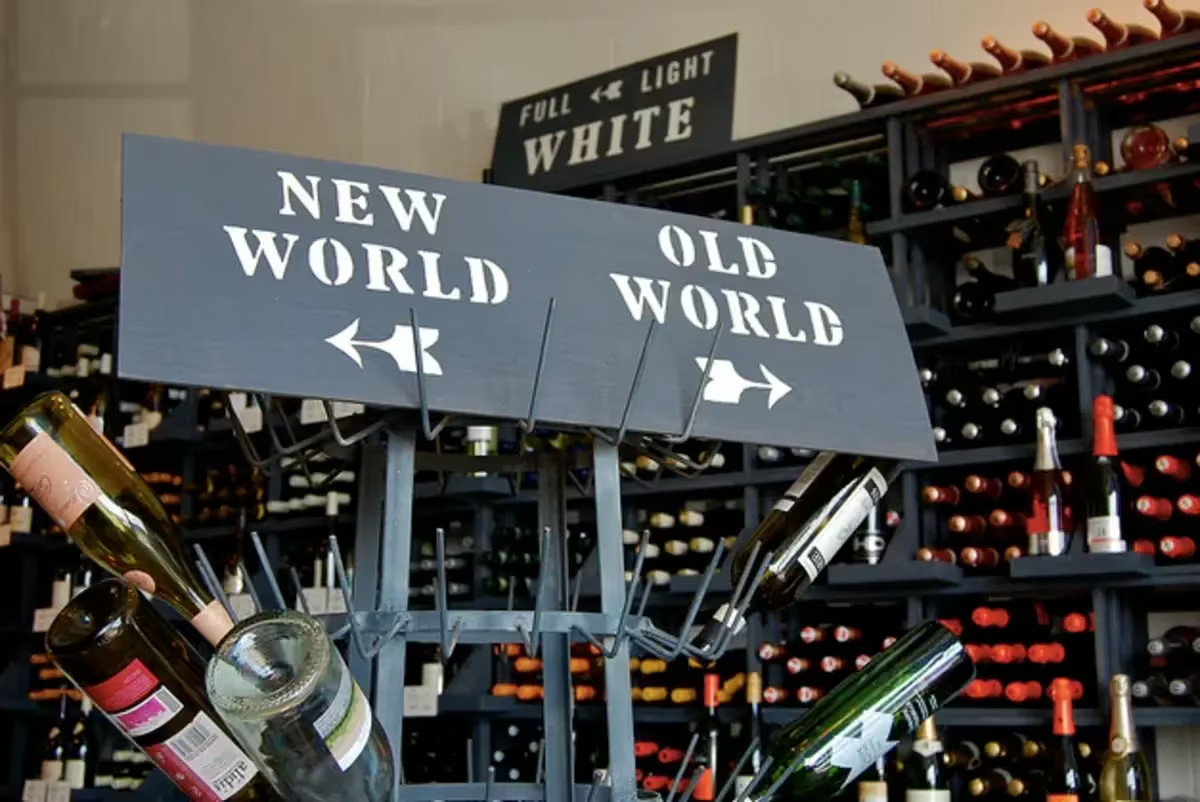
So, when comparing these two styles side by side, we can summarize the most important differences. Remember that neither style is “better” than the other. They are simply different and serve different tastes and occasions.
|
Factor |
Old World Wine |
New World Wine |
| Origin | Europe and the Middle East, such as France, Italy, Spain and Germany | Other continents, such as the United States, Australia, Chile and Argentina |
| Philosophy | Terroir is central, expressing the character of the land | Grape variety and technology are central, expressing creativity |
| Climate | Often cooler, with slower grape ripening | Often warmer, with faster and fuller grape ripening |
| Main flavors | Minerals, earth, herbs, spices and subtle fruit | Ripe fruit, bold flavors, oak and vanilla |
| Structure | Lighter body, higher acidity and lower alcohol | Fuller body, lower acidity and higher alcohol |
| Regulations | Very strict and traditional, such as AOC and DOCG | Flexible, less restricted and technology-focused |
| Labeling style | Emphasizes the PRODUCTION REGION, such as Bordeaux or Chianti | Emphasizes the GRAPE VARIETY, such as Cabernet Sauvignon |
| Food pairing | Often made to be enjoyed with food, with high acidity to balance dishes | Easy to drink on its own like a cocktail, more flexible in pairing |
> Watch the video below to discover more interesting differences between these two wine schools:
4. Old World Wine Prices: Expensive or Worth It?
The pricing of Old World wine is a complex story, where value is inherited across generations. The price of a bottle does not only reflect the quality inside, but also history, reputation and scarcity.
- Appellation prestige: This is the most important factor. A wine from Bordeaux, Burgundy in France or Barolo in Italy usually starts at a much higher price than a wine from a lesser-known region.
- Vintage: Because Old World wines depend heavily on nature, quality can vary significantly from one harvest year to another. A vintage considered “excellent” can cause wine prices to rise sharply.
- Producer and heritage: The name and history of the producer play an extremely important role, creating very high brand value.
- Common price range in Vietnam: The market is very diverse. You can find basic Old World wines from Italy or France at around VND 300,000 – 500,000. Mid-range bottles often cost around VND 1,100,000 – 1,800,000. Meanwhile, premium bottles from famous regions, such as Bordeaux Grand Cru or Barolo, can reach several million or even tens of millions of VND.
5. New World Wine Prices: Accessible and Diverse
Unlike the Old World, the value of New World wine is often “created” through modern factors rather than “inherited” from history. New World wines usually have more approachable prices thanks to larger production volumes, lower production costs and a stronger focus on consumer taste and marketing.
- Brand and marketing strategy: Brand power is a key factor. New World producers invest heavily in marketing to create value and recognition in the global market.
- Critic scores: Scores from respected wine critics such as Robert Parker have a major influence on pricing. A wine rated 95-100 points can rise significantly in price and become highly sought after by wine lovers.
- Production scale: New World wineries are often larger in scale, allowing them to produce everyday wines at very competitive prices. However, they also create limited-production “Icon wines” with very high prices.
- Common price range in Vietnam: New World wines, especially from Chile and Australia, are famous for accessible starting prices, from around VND 250,000. The most popular and well-loved segment is usually around VND 500,000 – 800,000. Premium bottles or Icon wines may cost from VND 1,600,000 and above.
6. Should You Choose Old World or New World Wine?
The journey of exploring the differences between Old World and New World wine shows us that no style is “better”. There is only the style that better suits each person’s taste and preference.
- Choose Old World wine if you:
- Love subtlety, complexity and elegance;
- Want a bottle that pairs beautifully with food;
- Care about the story and culture of the land.
- Choose New World wine if you:
- Love bold, explosive and easy-to-recognize fruit flavors;
- Want a bottle that can be enjoyed immediately without waiting;
- Are interested in the creativity and bold experimentation of modern winemakers.
Final Thoughts,
The world of wine is an endless adventure. New World vs Old World – each wine style carries its own beauty and story. Do not hesitate to try both styles to discover your true favorite. Your journey has only just begun, and the most exciting part is the discoveries still waiting ahead.