


 Tiếng Việt
We often see both appearing at elegant parties, but how exactly are wine and Champagne different? In this article, we will break down 9 key differences between wine and Champagne, helping you distinguish these two drinks clearly. Whether you are new to wine or simply want to strengthen your knowledge of Champagne and wine, this journey of discovery will surely be interesting.
1. Production Region
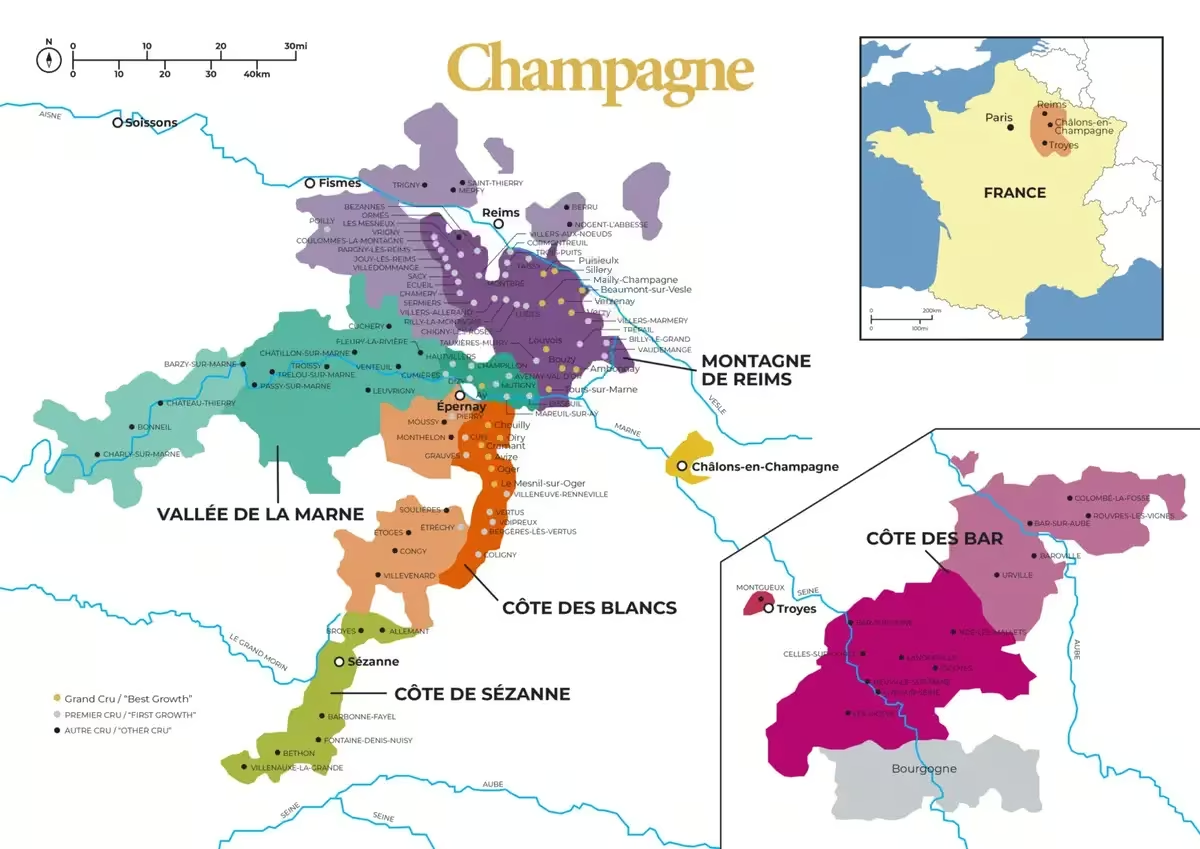
- Champagne: The name “Champagne” is legally protected under European Union law. This means that a bottle of sparkling wine may only be labeled “Champagne” if it is produced 100% in the Champagne region of northeastern France. This region is located about 150km east of Paris. Any sparkling wine, even if made using the exact same production method, but produced outside this geographic boundary, even just a few kilometers away, cannot use the name Champagne. This exclusive geographic origin is the core factor behind Champagne’s value and luxury brand identity.
- Wine: In contrast, wine is produced all over the world. It comes from famous Old World regions such as Bordeaux and Burgundy in France, Tuscany in Italy and Rioja in Spain, as well as dynamic New World countries such as Napa Valley in the United States, Marlborough in New Zealand, Barossa in Australia and Central Valley in Chile.
👉 Key difference: Champagne is about exclusive origin, the Champagne region of France. Wine is a global story.
2. Grape Varieties
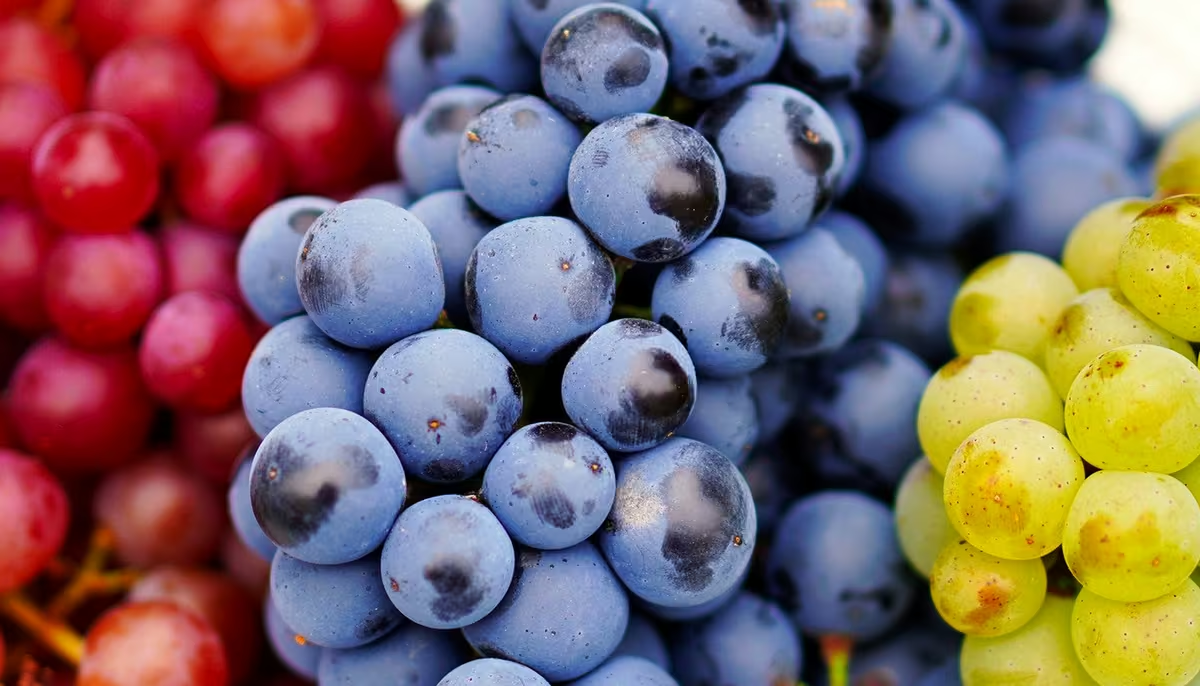
The difference in raw ingredients creates unmistakable flavor characteristics.
- Champagne: Champagne regional law strictly regulates which grape varieties may be used. Although 7 grape varieties are permitted, in practice, 99% of Champagne is made from three main grapes:
- Chardonnay, a white grape: brings elegance, floral aromas, citrus notes and refreshing acidity.
- Pinot Noir, a red grape: adds structure, richness and red fruit flavors such as strawberry and cherry.
- Pinot Meunier, a red grape: brings generous fruitiness and softness, making the wine easier to drink when young.
- Wine: The wine world is a symphony of thousands of different grape varieties. Each grape has its own character, from globally popular varieties to rare indigenous grapes. This diversity allows consumers to choose wine based on personal preferences for body, tannin and fruit flavor.
- Red wines: Cabernet Sauvignon, Merlot, Syrah, Malbec and more.
- White wines: Sauvignon Blanc, Riesling, Pinot Grigio, Viognier and more.
👉 Key difference: Champagne is limited to a small group of specific grape varieties, while wine has almost unlimited diversity in raw materials.
3. Production Method
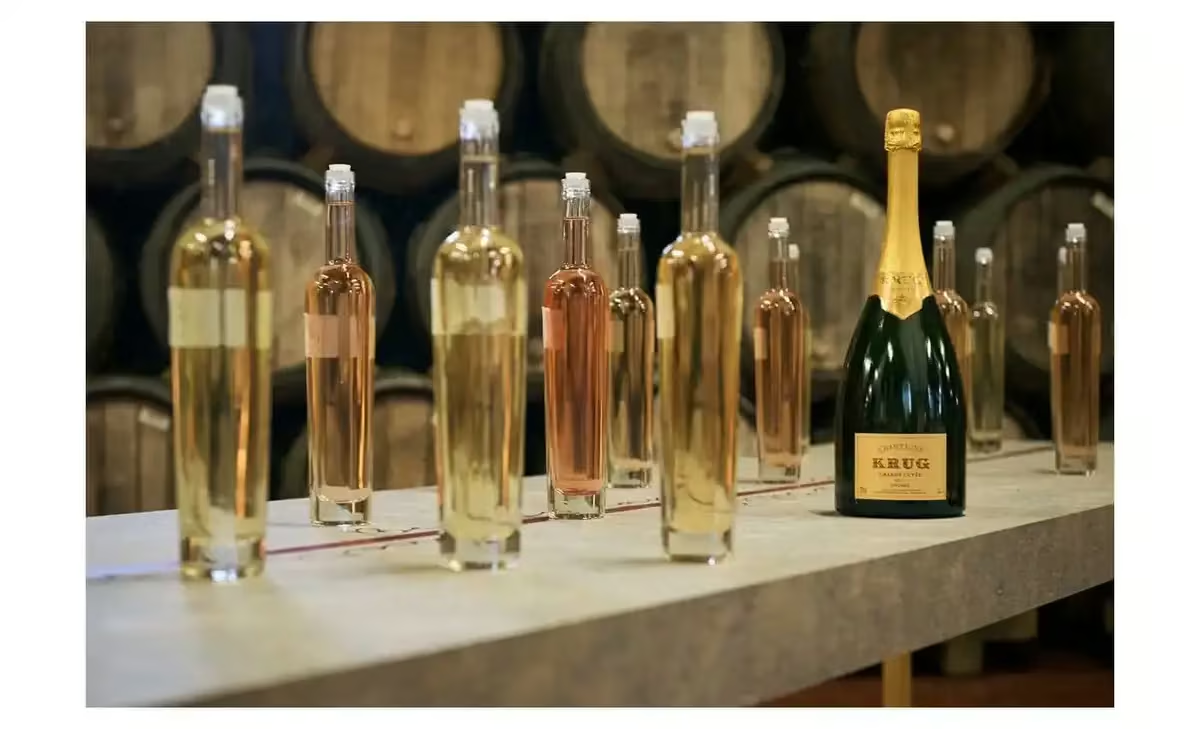
The biggest difference between these two drinks lies in how they are made, especially how bubbles are created.
- Wine: Wine goes through one fermentation. The basic process is: grape juice is fermented by yeast, the yeast “eats” the sugar in the grape juice and converts it into alcohol and carbon dioxide, CO2. In still wine production, this CO2 is allowed to escape. The result is a “still” wine with no bubbles.
- Champagne: Champagne goes through two fermentations using a complex and costly process called Méthode Champenoise or Méthode Traditionnelle, meaning the traditional method.
- First fermentation: This happens just like still wine production, creating a dry, high-acid, low-alcohol base wine.
- Second fermentation, in the bottle: Producers blend different base wines, then add a mixture of sugar and yeast before sealing each individual bottle. This second fermentation happens inside the bottle. Because the bottle is sealed, the CO2 produced cannot escape. It dissolves into the wine, creating Champagne’s famous fine bubbles.
- Aging and removing sediment: After fermentation, the wine ages on lees for many months, sometimes many years, to develop complex flavors. The bottles are then gradually rotated so the yeast sediment moves toward the neck, before the sediment is removed by freezing the neck and ejecting the yeast plug.
👉 Key difference: Still wine ferments once, and CO2 escapes, so it does not sparkle. Champagne ferments twice, with the second fermentation happening in the bottle to retain CO2 and create natural bubbles.
4. Wine Style
– Bubbles: This is the easiest difference to see with the eyes.
- Champagne: Always sparkling wine. Its identifying feature is the presence of CO2 bubbles, creating beautiful streams of fizz when poured into a glass.
- Wine: Usually refers to still wine. It does not contain dissolved CO2, so the surface of the wine in the glass remains calm and bubble-free.
Besides Champagne, there are many other sparkling wines such as Cava from Spain, Prosecco from Italy and Sekt from Germany. They also sparkle, but they are not Champagne.
– Style classification:
- Wine: Still wine is mainly classified by color, such as red, white and rosé, by tannin level and by the lightness or richness of body. For example, Merlot red wine usually has medium body with moderate tannin, while Pinot Noir red wine is light to medium-bodied.
- Champagne: Champagne styles are often based on grape composition and vintage:
- Non-Vintage, NV: Makes up most Champagne production. It is a blend of grapes from multiple vintages, created to maintain the house style and consistent quality year after year.
- Vintage: Made only from grapes from a single harvest year, usually in years of exceptional quality.
- Blanc de Blancs: Means “white from white grapes”. This style is made 100% from white grapes, usually Chardonnay. It is known for elegance, refinement and high acidity, and is most commonly associated with Côte des Blancs.
- Blanc de Noirs: Means “white from black grapes”. This style is made 100% from black grapes, Pinot Noir and/or Pinot Meunier. Although the wine still has a pale golden color, it usually brings stronger structure and more obvious red fruit flavors such as strawberry and raspberry.
5. Sweetness Level
Both wines and Champagne range from dry to sweet, but Champagne uses its own very specific scale.
- Champagne: Champagne sweetness is determined by dosage, a small amount of wine and sugar added to the bottle right before the final cork is inserted, after sediment removal. The scale from driest to sweetest is:
- Brut Nature / Zero Dosage: No added sugar, very dry.
- Extra Brut: Extremely dry.
- Brut: Dry. This is the most popular, versatile and easy-to-drink style.
- Extra Dry / Extra Sec: Slightly sweet, but still leaning dry.
- Sec: Medium sweet.
- Demi-Sec: Sweet, often served with desserts.
- Doux: Very sweet, rarely seen.
- Wine: The terminology is simpler and usually determined by the residual sugar left after the first fermentation.
- Dry: Almost all sugar has been converted into alcohol.
- Off-Dry: A slight touch of sweetness remains.
- Medium-Sweet / Sweet: Clear sweetness can be tasted.
- Dessert Wine: Very sweet.
👉 Key difference: When choosing Champagne or wine, pay attention to terms such as “Brut”, dry and common, or “Demi-Sec”, sweet, on the label to match your taste.
6. Flavor and Characteristics
- Champagne: Thanks to the second fermentation and lees aging, Champagne develops signature flavors that still wine does not have.
- Primary flavors from grapes: green apple, pear, citrus and lemon.
- Secondary flavors from lees aging: toast, biscuit, yeast, hazelnut and almond. These are classic signs of high-quality Champagne.
- Mouthfeel: high, sharp acidity, fine bubbles and a refreshing sensation.
- Wine: Flavor is extremely diverse, depending on grape variety, terroir and aging technique.
- Red wine: Often shows red fruit, such as cherry and strawberry, or black fruit, such as blackcurrant and blackberry, along with spice, tobacco and leather. Its defining feature is tannin, the compound that creates astringency and structure.
- White wine: Often shows citrus, tropical fruits such as pineapple and mango, white flowers and mineral notes. Its defining feature is acidity, but without the yeasty flavor found in Champagne.
👉 Key difference: Champagne has toasty notes and bubbles, while red wine stands out for tannin and white wine focuses on fresh fruit aromas.
7. Serving Temperature and Alcohol Content
The way these drinks are chilled and their alcohol levels also differ clearly.
– Alcohol content, ABV:
- Champagne: Relatively stable, mostly around 12% – 12.5% ABV.
- Wine: Has a very wide alcohol range. Light white wines, such as German Riesling Kabinett, may be only 8-9%. Meanwhile, bold red wines, such as California Zinfandel or Australian Cabernet Sauvignon, can reach 14.5% – 15.5%.
– Serving temperature:
- Champagne: Should be served very cold, ideally at 6°C – 8°C. Serving it cold helps preserve bubbles longer and highlights refreshing acidity.
- Wine:
- White wine and rosé: Serve chilled, around 8°C – 12°C.
- Red wine: Serve at cool room temperature, around 16°C – 18°C. If served too cold, tannins may feel harsh and bitter.
👉 Key difference: Champagne needs to be chilled more deeply to preserve its bubbles and freshness.
8. Glassware and Enjoyment
Glass shape and food pairing are designed to optimize the unique experience of each drink.
– Glassware
- Champagne: Often served in a flute, a tall and narrow glass that preserves bubbles and showcases the beautiful stream of fizz. A tulip glass, with a slightly wider bowl and narrower rim, can also be used to concentrate aromas better. Avoid coupe glasses, which are wide and shallow, because they make bubbles disappear too quickly.
- Wine:
- Red wine glass: Needs a large, wide bowl so the wine can contact more oxygen, or “breathe”, helping aromas open up and tannins soften.
- White wine glass: Uses a smaller U-shaped bowl to keep the wine cool and concentrate delicate fruit aromas.
– How to enjoy:
- Champagne: A master of food pairing. It is often served as an aperitif. Its high acidity and bubbles help cut through richness extremely well. Champagne pairs beautifully with raw oysters, sushi, caviar, cheese and especially fried foods such as fried chicken and French fries.
- Wine: Pairing needs to be more specific. The classic rule is:
- Red wine: “Red meat” – pairs well with steak, grilled lamb and rich stews.
- White wine: “Fish and chicken” – pairs well with seafood, poultry, salad and light cream sauces.
9. Price
- Champagne: In general, Champagne has a high price floor. Truly cheap Champagne is rare.
Reason: The production region is limited, and land in Champagne is extremely expensive. The production method, Méthode Champenoise, is elaborate, time-consuming and labor-intensive, with minimum aging of 15 months and many bottles aged for years, including manual riddling for some producers. On top of that, Champagne carries luxury branding and marketing costs.
- Wine: Has an extremely wide price range.
You can find everyday still wines at very affordable prices.
You can also find premium still wines, such as Burgundy Grand Cru or Bordeaux First Growth, costing tens or even hundreds of millions of VND, far more expensive than many Champagnes.
👉 Key difference: Cheap Champagne is hard to find, while wine offers diverse choices for every budget.
Final Thoughts,
Hopefully, this article has helped you understand how wine and Champagne are different, from origin, grape varieties and production method to drinking style. Whether you choose wine or Champagne, the most important thing is choosing the bottle that suits your taste and your moment.