


 Tiếng Việt
In the world of modern gastronomy, a cold cut platter for wine pairing is no longer just a simple dish. It has become a symbol of refinement, sophistication and creativity. The harmonious combination of cold cuts and wine elevates the overall flavor experience, delivering a complete and memorable culinary journey right in your own home.
1. What are cold cuts and why should they be paired with wine?
Cold cuts, also known as cold meats or deli meats, are pre-prepared foods that are usually served cold. They may include cured meats, smoked meats, or cooked items that are conveniently preserved. A cold cut platter paired with wine is not merely a combination of ingredients, but also a reflection of the diner’s aesthetic taste and culinary understanding.
1.1 The basic components of a cold cut platter for wine pairing include:
- Cold meats (Charcuterie): The soul of the platter, including traditional Vietnamese pork rolls, fermented pork rolls and meatloaf, ham, smoked meat, salami, prosciutto, pastrami, and premium jamón such as Ibérico or Serrano.
- Sausages: Chinese sausage, chorizo with its bold spice, smoked bierwurst, and soft, rich mortadella.
- Cheese: Soft and creamy cheeses such as brie, mozzarella and goat cheese, rich hard cheeses such as cheddar and parmesan, and blue cheese.
- Breads and crackers: Bread, such as sliced baguette and garlic butter bread, along with crackers including savory biscuits and crisp crackers.
- Fruits and nuts: Grapes, apples, strawberries, oranges, pears, pineapple, mango, bananas, dried fruits such as raisins, dried apples, dried apricots and dried cranberries, and nutritious nuts such as cashews, walnuts, almonds, macadamias and pistachios.
- Jam and honey: Add natural sweetness and delicate aroma, enhancing the overall flavor of the platter.
- Dips and sauces: Sauces such as garlic chili mayonnaise, fruit sauce, mustard sauce, pesto or balsamic sauce.
- Olives or pickled vegetables: Help balance richness and effectively prevent palate fatigue.

1.2 Reasons to pair a cold cut platter with wine
- Elevates the flavor of the wine: Properly pairing a cold meat platter with suitable wines can highlight the subtle notes in the wine, while softening or balancing strong characteristics such as tannins or acidity.
- Balances the palate and prevents heaviness: Cold cuts often have distinctive salty and fatty flavors. Wine with the right acidity or tannin plays a neutralizing role, cleansing the palate so diners do not feel overwhelmed and can fully appreciate each flavor.
For example, the acidity in white wine can balance the saltiness of cold cuts: high-acid white wines pair well with salty cheeses or spicy sausages.
Meanwhile, tannins in red wine can soften proteins and enhance the flavor of fat in red meat: red wines with moderate tannins pair beautifully with richly flavored red meats.
- Creates a complete and diverse culinary experience: A good wine pairing platter can combine multiple layers of flavor and texture, such as crunchy, soft, rich, sour, spicy and sweet, creating an experience similar to a “culinary work of art”.
- Convenient and flexible: Without complicated cooking, a cheese and wine platter can be prepared in just 15 minutes, making it perfect for home parties, picnics or relaxing evenings.
To achieve optimal harmony, it is essential to understand the basic principles of flavor pairing:
- Flavor intensity: Wine and food should have a similar level of flavor intensity so neither overpowers the other. Rich dishes suit full-bodied red wines, while lighter dishes pair better with lighter white wines.
- Acidity: The wine should have higher acidity than the food to create balance. Acidity in wine is especially useful for balancing the saltiness of cold cuts and cheese. White wines with characteristic acidity also help reduce the fishy aroma of seafood.
- Sweetness: When pairing with sweet dishes, the wine must be sweeter than the food to avoid making the wine taste sour. Sweet wines are ideal for sweet desserts.
- Saltiness: Salty foods should be paired with acidic wines to create balance on the palate.
- Fat: Wines with bitterness, such as red wines, are best balanced with fatty foods. Wines with high acidity also help balance fat effectively.
- Spice: Spicy dishes should be paired with slightly sweet wines, and if choosing red wine, it should have smooth tannins rather than harsh astringency. Avoid highly tannic wines with spicy food, as the combination can feel unpleasant.
- Sauce: The key factor in choosing the right wine is often the accompanying sauce, rather than the meat or fish itself.
1.3 Principles for pairing wine with cold cut platters
| Food characteristic | Wine pairing principle |
| Richly flavored dishes | Choose wine with a matching structure |
| Sour foods | Wine should have higher acidity |
| Sweet dishes | Wine must be sweeter than the food |
| Salty foods | Best paired with acidic wine |
| Fatty foods | Choose wine with tannins or high acidity |
| Spicy dishes | Slightly sweet wine, smooth tannins, avoid highly tannic wines |
| Sauce | Choose wine based on the sauce served with the main dish |
2. Delicious cold platter ingredients to enjoy with wine
2.1 Bread and crackers
They help “support” the other components. Garlic butter bread or thinly sliced baguette pairs well with light white wines such as Sauvignon Blanc or Chardonnay.
However, note that the starch in bread can make diners feel full or tired of the platter more quickly, so you should not include too much bread in your cold cut selection.
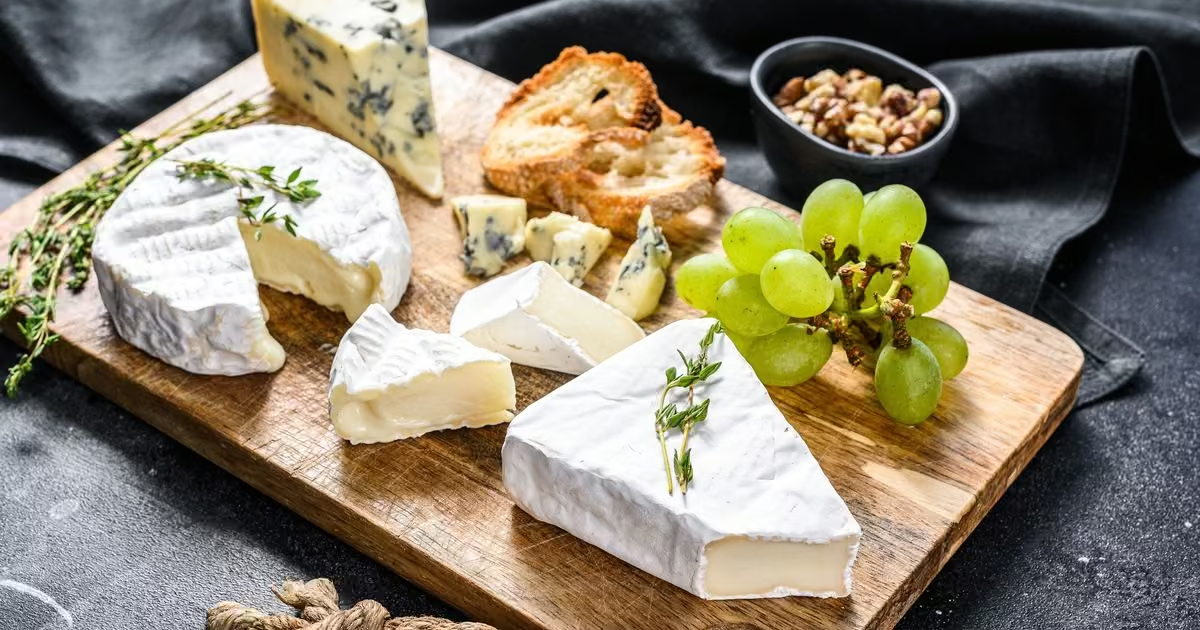
2.2 Cheese
Cheese is the “golden key” when pairing with wine. Here are a few classic suggestions:
- Soft cheese, such as Brie or goat cheese: Pairs well with lightly acidic white wines such as Sauvignon Blanc.
- Hard cheese, such as Parmesan or aged Cheddar: Goes well with full-bodied red wines such as Cabernet Sauvignon.
- Blue cheese, such as Roquefort: Pairs perfectly with sweet wines such as Sauternes.
2.3 Sausages
Sausages are an important component, bringing rich flavor and varied texture to a cold cut platter. Popular types include Chorizo, spicy and distinctive with paprika, Salami, mildly spicy, aromatic and rich, Mortadella, sweet, soft and creamy, and Bierwurst, smoky, savory and slightly sweet.
Chorizo or salami pairs well with fruit-forward red wines such as Pinot Noir. Soft and gently sweet Mortadella suits rosé or light white wine.
2.4 Cold meats
These are the “soul” of a cold meat platter for wine pairing:
- Prosciutto/Jamón: Pairs well with dry white wine or Rosé.
- Pastrami: Works well with medium-tannin red wine such as Merlot.
- Smoked ham: Best enjoyed with sparkling wine such as Champagne for balance.
2.5 Fruits and nuts
They add freshness and balance salty, fatty flavors. Suggested pairings:
- Tart fruits: Pair with white wine or Rosé.
- Sweet fruits: Pair with sweet wines such as Moscato or Riesling.
- Nutritious nuts: Walnuts, almonds and macadamias add texture and nutrition.
3. Ideal suggestions for a cold cut platter with wine
A cold cut platter for wine pairing is not simply about arranging ingredients. It is the process of creating a distinctive and refined culinary experience. Below are suggestions and detailed guidance to help you easily prepare an elegant wine pairing platter suitable for every occasion and preference.
3.1 Suggested cold cut platters by theme or preference
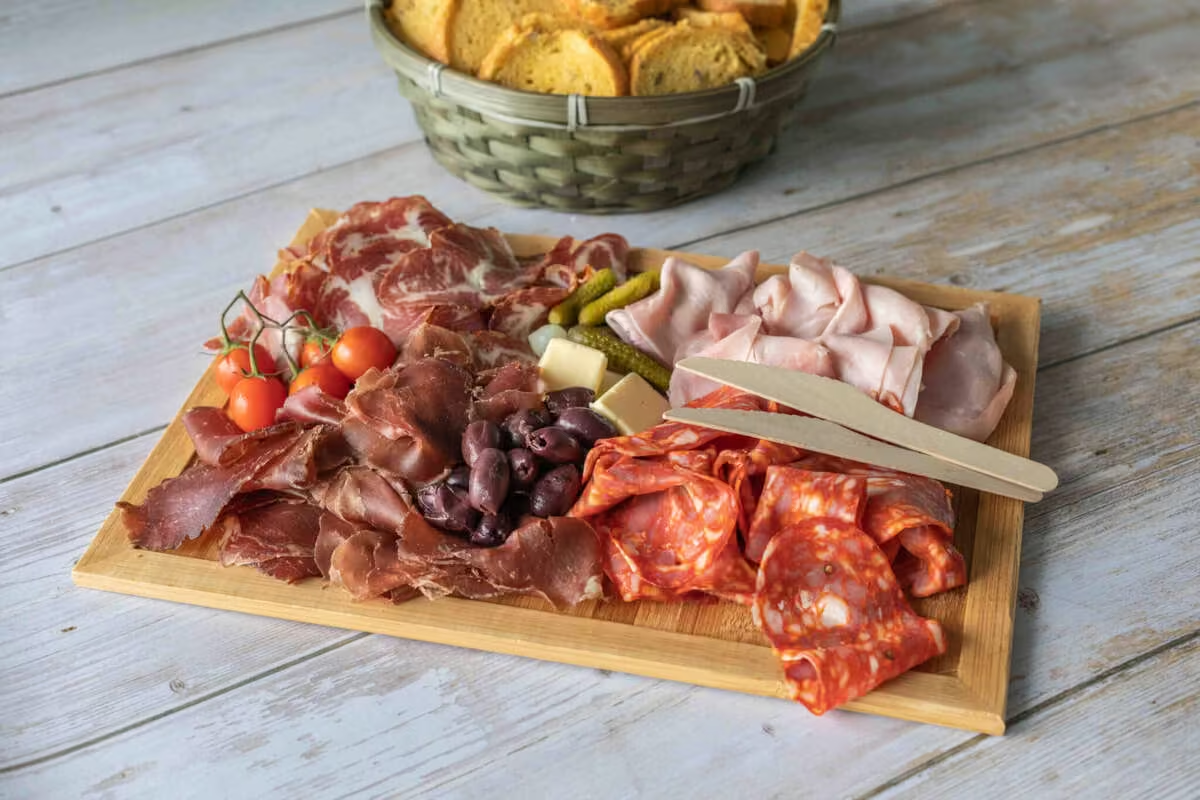
To suit different tastes and occasions, you can consider the following themed cold cut platter ideas for wine pairing:
- Healthy cold cut platter: Suitable for those who care about health and skin. This set includes cured pork or salami, whole wheat bread, cherry tomatoes, fresh cheese, nuts, fruits and vegetables.
Wine suggestion: A gently sweet Italian white wine helps balance richness and enhances freshness for a delightful experience.
- Cheese and wine platter: Designed for those who love the creamy, savory richness of cheese. This platter combines cold cuts, cheese and other ingredients such as raisins and walnuts, making it ideal for small gatherings at home.
Wine suggestion: A light red wine such as Pinot Noir or Rosé to highlight the rich creaminess of the cheese.
- Mediterranean-style cold meat platter for wine pairing: This set has a classic European style and is perfect for a date night. It includes salami, smoked meat, string cream cheese, along with green grapes or olives to enhance the flavor.
Wine suggestion: A full-bodied red wine such as Amarone della Valpolicella Classico creates a powerful impression.
- Assorted cold cut platter: A platter for gatherings with diverse tastes. Essential components include cold meats, cheese, bread, nuts and dips.
Wine suggestion: Choose a wine with good acidity to balance salty-rich-sweet flavors, such as Sauvignon Blanc or Pinot Noir.
3.2 Reference portions for 4 people
A basic cold cut platter for wine pairing may include:
| Ingredient | Quantity |
| Brie cheese | 125g |
| Edam cheese | 100g |
| Crackers | 60g |
| Salami | 100g |
| Cold meats, such as prosciutto, ham, etc. | 80g |
| Dried apricots and dried cranberries | 35g |
| Mixed nuts, such as almonds, walnuts and macadamias | 40g |
| Green kiwi | 1 fruit |
| Cherry tomatoes | 60g |
| Green olives | 15g |
| Le Fruit jam | 30g |
Small tip: Always calculate portions appropriately to avoid waste and keep ingredients fresh.
4. Recommended wines for cold cut platters
4.1 Red wine
- Pinot Noir: A light red wine with low tannins and ripe red fruit flavors. It pairs beautifully with pork cold cuts, Gruyère cheese and Camembert.
- Cabernet Sauvignon: A full-bodied red wine with high tannins and ripe black fruit flavors. It pairs perfectly with beef cold cuts, aged Cheddar and Parmigiano-Reggiano.
- Syrah (Shiraz): A bold red wine with high tannins and flavors of black fruit, spice and black pepper. Ideal for cold sausages and richly flavored red meats.
- Tempranillo: Offers deep berry flavors and moderate tannins. It pairs very well with Chorizo, lamb, pork and hard cheeses such as Manchego and Idiazabal.
- Malbec: With velvety fruit flavors, Malbec pairs well with Edam cheese.
- Merlot: Known for smooth tannins and distinctive aromas, it pairs especially well with plums.
4.2 White wine
- Chardonnay: Popular, with white fruit flavors and subtle buttery, creamy notes. Suitable for turkey cold cuts, Brie, Camembert and pineapple.
- Sauvignon Blanc: Offers green fruit flavors, purity, gentle acidity and tropical fruit aromas. It pairs beautifully with ham, salmon, goat cheese, mango and coconut.
- Riesling: Fresh, slightly sweet, pleasantly acidic and marked by stone fruit aromas. Suitable for pâté, Raclette, Gruyère and spicy Indian or Asian dishes.
- Pinot Grigio: Light and refreshing, with flavors of lemon, green apple and peach blossom, making it very suitable for light dishes.
- Vermentino: Has a slightly oilier texture and citrus aromas, pairing very well with Fiore Sardo cheese.
4.3 Rosé wine
- Rosé has gentle acidity and fresh fruit flavors, making it easy to pair with a wide variety of foods, especially appetizers, salads, seafood soups and mixed dishes.
- It pairs well with most cold meat platters and cheese platters for wine pairing. It can also be enjoyed with strawberries, melon, watermelon, oranges, mandarins and bananas.
- The distinctive minerality of Provence rosé creates a beautiful contrast with the soft, creamy texture of Havarti cheese.
4.4 Sparkling wine/Champagne
- Defined by the absence of tannins and high acidity, helping cleanse the palate.
- Often served as an aperitif to stimulate the appetite.
- Pairs very well with fresh seafood.
- Cava, a type of sparkling wine, pairs wonderfully with salty fried dishes or richer slow-cooked meats.
- Full-bodied sparkling wines pair well with red meat and heavily spiced dishes; standard sparkling wines suit seafood, steamed dishes, fatty dishes and poultry; light sparkling wines pair well with delicate foods.
- Pairs well with strawberries, pears, apples and oranges.
- Champagne is especially delicious with many types of cheese, particularly Brie.
4.5 Sweet wine/Dessert wine
- Offers a refined, gentle sweetness and is often served with desserts.
- Suitable for many fruits such as peaches, pears, apples, plums, oranges, mangoes and strawberries.
- Pairs well with stronger, more aromatic cheeses such as Stilton and Roquefort.
Final thoughts,
Although there are many principles and suggestions for pairing wine with cold cut platters, the most important factor is still personal exploration and perception. Everyone has their own palate, and the pairing that feels most “right” is the one that satisfies you most after trying it yourself.
A cold cut platter for wine pairing is vivid proof that gastronomy is not only about nourishment, but also a multi-sensory experience and a refined form of art. This combination brings convenience in preparation, beauty in presentation, and the ability to elevate the flavor of both the food and the wine.