


 Tiếng Việt
“What is sparkling wine?” Sparkling wine, also known as bubbly wine or sparkling wine with bubbles, is a special type of wine that stands out thanks to dissolved CO₂ bubbles, creating an irresistibly refreshing sensation when enjoyed. It is not only a familiar drink for festive occasions, but also contains many fascinating facts you may not know. This article will give you an overview of what sparkling wine is, along with 10 surprising and little-known facts about this captivating wine style, bringing you useful knowledge and exciting discoveries.
1. What Is Sparkling Wine? How Is Sparkling Wine Made?

What is sparkling wine? Sparkling wine, also called bubbly wine, is a type of wine that contains dissolved CO₂, creating fine bubbles and a refreshing feeling when enjoyed. Interestingly, sparkling wine was created by accident in history, and the story behind its birth is truly fascinating.
In the 17th century, winemakers in Champagne, France, encountered a strange phenomenon: some wine bottles exploded because fermentation continued inside the bottle. When wine was bottled in winter, fermentation did not finish because of the cold temperature. But when spring arrived and the weather warmed up, fermentation resumed in the bottle, creating CO₂ and causing the wine to become “bubbly”, sometimes even making bottles explode.
It was not until the late 17th century that a French monk named Dom Pérignon, who worked at Hautvillers Abbey, found a way to control this phenomenon. He discovered that when wine was made from different grape varieties, it was possible to create a perfect blend for delicious sparkling wine. Dom Pérignon not only developed this method, but also improved bottling techniques and used oak corks to keep CO₂ inside the bottle. This helped create the distinctive character of sparkling wine and made the wine more stable and delicious.
Although Dom Pérignon could not fully control and create sparkling wine as we know it today, his contributions laid the foundation for the later development of bubbly wine. Over time, sparkling wine production techniques became increasingly refined, and Champagne became a world-famous symbol of sparkling wine.
2. Are Sparkling Wine and Champagne the Same?

Champagne is a special type of sparkling wine, but not all sparkling wine is Champagne.
By law, only sparkling wines produced in the Champagne region of France and made according to strict standards for grape varieties, geographic conditions and production techniques can be called Champagne. Champagne is produced using the “Méthode Champenoise”, in which the wine undergoes a second fermentation in the bottle to create its signature bubbles.
Although all Champagne is sparkling wine, sparkling wine is a general term for all wines with bubbles, regardless of production region or fermentation method. Therefore, sparkling wines produced outside Champagne are sparkling wines, but cannot be called Champagne. Examples include Prosecco from Italy and Cava from Spain.
>>> Learn more about 5 differences between Champagne and sparkling wine
3. Sparkling Wine Names by Production Region

“Sparkling wine” is the general name for bubbly wines. However, in each country, sparkling wine has its own specific names, reflecting the production region and traditional winemaking method.
In France, besides Champagne, the most famous region, sparkling wines made in other regions such as Alsace, Bordeaux, Bourgogne, Die, Jura, Limoux, Loire and Savoie are collectively called Crémant. Each type of Crémant has its own distinctive flavor, shaped by climate, soil and local grape varieties.
Similarly, in Spain, Cava is the sparkling wine mainly produced in Catalonia, known for freshness and fruit aromas. Meanwhile in Italy, Prosecco, made from the Glera grape in the northeast, is a popular sparkling wine with a light and easy-drinking style.
Linking wine names to production regions not only protects the brand but also ensures quality and unique differences. Factors such as climate, soil and production methods in each area create distinctive flavors that are difficult to confuse. Names like Champagne, Crémant, Cava and Prosecco not only express geographic origin but also symbolize cultural value, pride and reputation of each wine region.
4. The Secret Behind the Tiny Bubbles in Sparkling Wine

One of the most charming elements of sparkling wine is its signature tiny bubbles. They not only create a refreshing sensation when drinking, but also help highlight the wine’s fresh flavor and smooth texture.
So what is the secret behind the bubbles in sparkling wine?
The bubbles in sparkling wine are formed during fermentation, when microorganisms, yeast, convert sugar into alcohol and CO₂. This process can happen inside a sealed bottle or in a large fermentation tank, depending on the production method.
When the second fermentation happens in bottle, as in the Champenoise method, CO₂ cannot escape, so it dissolves into the wine. When the bottle is opened, CO₂ is released and forms tiny bubbles. These small bubbles not only bring an enjoyable drinking sensation, but also contribute to the fresh, lively flavor and smooth texture of sparkling wine.
Another factor that affects bubble size and distribution is the surface of the bottle or fermentation tank. This surface may contain tiny impurities, such as dust or small particles, which help CO₂ escape more easily and form bubbles. The more of these tiny particles there are, the smaller and denser the bubbles become, creating the fine foam effect typical of sparkling wine.
These tiny bubbles are an important factor that creates the distinctive character and appeal of sparkling wine, making it an exciting and inspiring experience for drinkers.
5. The Flute Glass Is Not the Traditional Way to Enjoy Sparkling Wine

When talking about sparkling wine, the image of a tall and narrow flute glass often appears as the symbol of how this wine is enjoyed. However, this is not the traditional way, and it is not necessarily the best way to fully experience the flavor of sparkling wine.
The flute glass is designed to keep bubbles in the wine for longer, helping drinkers easily observe the tiny bubbles that define sparkling wine. However, in reality, with its small rim and long body, the flute limits aroma diffusion, making it harder for drinkers to sense the wine’s complex aroma layers.
To optimize the tasting experience, many experts and wine lovers today prefer other glass types such as tulip glasses or white wine glasses. A tulip glass has a slightly curved shape with a gently wider opening, helping aromas spread more fully while retaining complex scents, thereby enhancing enjoyment. Similarly, a white wine glass, with a wider surface and lower shape than a flute, also allows the wine to interact better with air, increasing aroma expression.
Choosing the right glass not only improves the tasting experience but also helps sparkling wine show its full character, from fresh fruit aromas to complex notes formed during fermentation. Therefore, using the right glass not only enhances enjoyment but also allows sparkling wine to fully express its refined flavors and aromas.
6. Not Every Bottle of Sparkling Wine Has a Vintage

In the wine world, “vintage” refers to the harvest year of the grapes used to make the wine. However, not all sparkling wines show a vintage year on the label. Bottles without a vintage are often marked “NV”, Non-Vintage, meaning the wine is blended from grapes harvested in different years. This is a common strategy among producers, especially in Champagne, to ensure consistent quality and flavor year after year.
By blending grapes from previous years, already aged, with newly harvested grapes, producers can adjust the flavor according to their house style and control quality, even in years when grapes do not reach the highest standard.
Non-Vintage does not mean low quality. On the contrary, it demonstrates flexibility and creativity in sparkling wine production. Not showing the harvest year allows brands to maintain a consistent style and signature flavor profile, meeting consumer expectations around the world.
7. A Tip to “Revive” Bubbles in Sparkling Wine

Have you ever opened a bottle of sparkling wine, failed to finish it and left it overnight? Do not throw it away too quickly. There is still a way to partially “revive” the remaining CO₂ bubbles in the wine. A simple trick is to add a little sugar to the glass before pouring in the sparkling wine.
When sugar comes into contact with the wine, it creates a chemical reaction with the remaining CO₂ bubbles, helping awaken the signature tiny bubbles. Although it cannot fully return the wine to the condition of a freshly opened bottle, this method helps bring back some of the refreshing sensation. This small tip not only reduces waste but also shows the flexibility of storing and using sparkling wine at home, something wine lovers should know.
8. How Does Light Affect Sparkling Wine Quality?

Few people expect that light, especially sunlight or fluorescent light, can seriously damage the quality of sparkling wine. This is why sparkling wine is often produced and stored in dark environments, such as wine cellars.
Sparkling wine is very sensitive to light, and direct exposure to light for a long time can reduce its quality. This explains why sparkling wine is often produced and stored in dark cellars to protect it from the negative effects of light. Strong light can trigger chemical reactions in wine, leading to flavor changes, loss of freshness and impact on natural bubbles. Light can also damage delicate aromatic compounds, making sparkling wine taste dull and less appealing.
When buying sparkling wine, you should prioritize bottles taken from storage areas or unopened cartons, instead of bottles displayed directly on shelves under light. This helps ensure the bottle you buy keeps its best quality, as if it had just left the cellar.
9. Sparkling Wine Should Not Be Stored Long-Term in the Refrigerator

A common mistake when storing sparkling wine is keeping it in the refrigerator for too long. Refrigerators have low humidity, causing the cork to gradually dry out over time. This reduces the cork’s sealing ability and allows CO₂, the bubbles, to escape, making the wine lose its sparkle. In addition, air and food odors in the refrigerator can also enter the bottle through a dried cork, changing the wine’s original flavor.
The best way to store sparkling wine is to lay it horizontally in a wine cellar or in a dark, cool place with stable humidity and limited exposure to temperature changes and light. If you do not have a wine cellar, you can store the wine at the back of a cabinet or in a dark kitchen shelf so the cork stays moist and airtight. When preparing to enjoy it, simply place the bottle in an ice bucket or chill it in the refrigerator for a short time, about 1-2 hours, before opening to maintain the best quality.
10. Sabrage – The Art of “Slicing” the Neck of a Wine Bottle
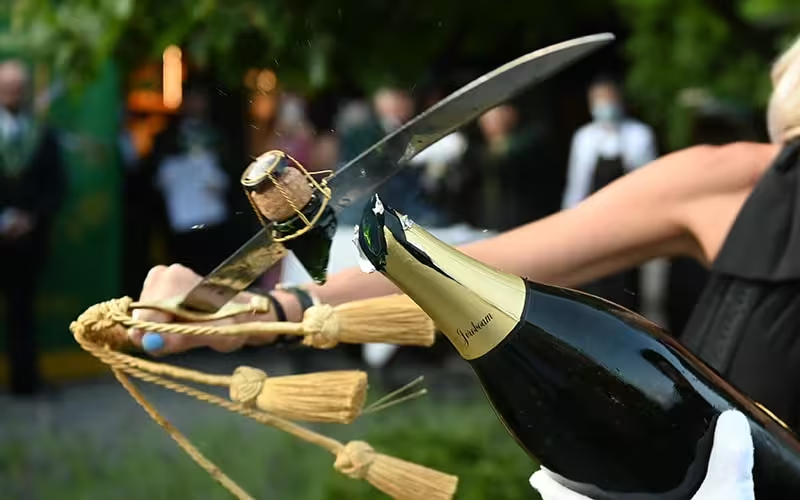
Sabrage is a unique and impressive technique for opening a sparkling wine bottle with a short sword called a saber. Instead of opening the bottle by hand in the usual way, this technique uses the blade to strike the neck of the bottle, making the cork pop off together with a thin ring of glass from the bottle mouth in a safe and visually striking way. This technique originated in Napoleonic France, when soldiers celebrated victory by opening Champagne with their blades, turning it into a symbol of grandeur and celebration.
To perform sabrage, you need to hold the bottle at about a 45-degree angle with the neck pointing away from people. Then identify the seam on the bottle, the weakest point, slide the blade along the seam and strike firmly at the neck. The pressure inside the bottle will make the cork pop off cleanly. However, this technique must be performed carefully in a safe place to avoid danger, and the wine should be chilled before opening to ensure proper pressure.
Sabrage is not only a way to open wine, but also a unique artistic performance, often used at special events to create an impressive and luxurious atmosphere.
>>> Learn more about the special French tradition of Champagne sabering.
Final Thoughts
Now that you understand what sparkling wine is, you can surely see that this is not only a wine reserved for festive occasions. Sparkling wine is also a perfect choice for everyday enjoyment, thanks to its diverse flavors and excellent ability to pair with many dishes. Understanding what sparkling wine is not only helps you choose the right bottle, but also opens the door to a fascinating world of winemaking art.