


 Tiếng Việt
Why is the bottom of a wine bottle concave? This is a question that makes many wine lovers curious. The concave design at the bottom of the bottle may seem simple, but it carries many purposes related to function, aesthetics and marketing. This article will explain in detail why the bottom of a wine bottle is concave, from technical perspectives to user experience.
1. The concave bottom helps balance the wine bottle
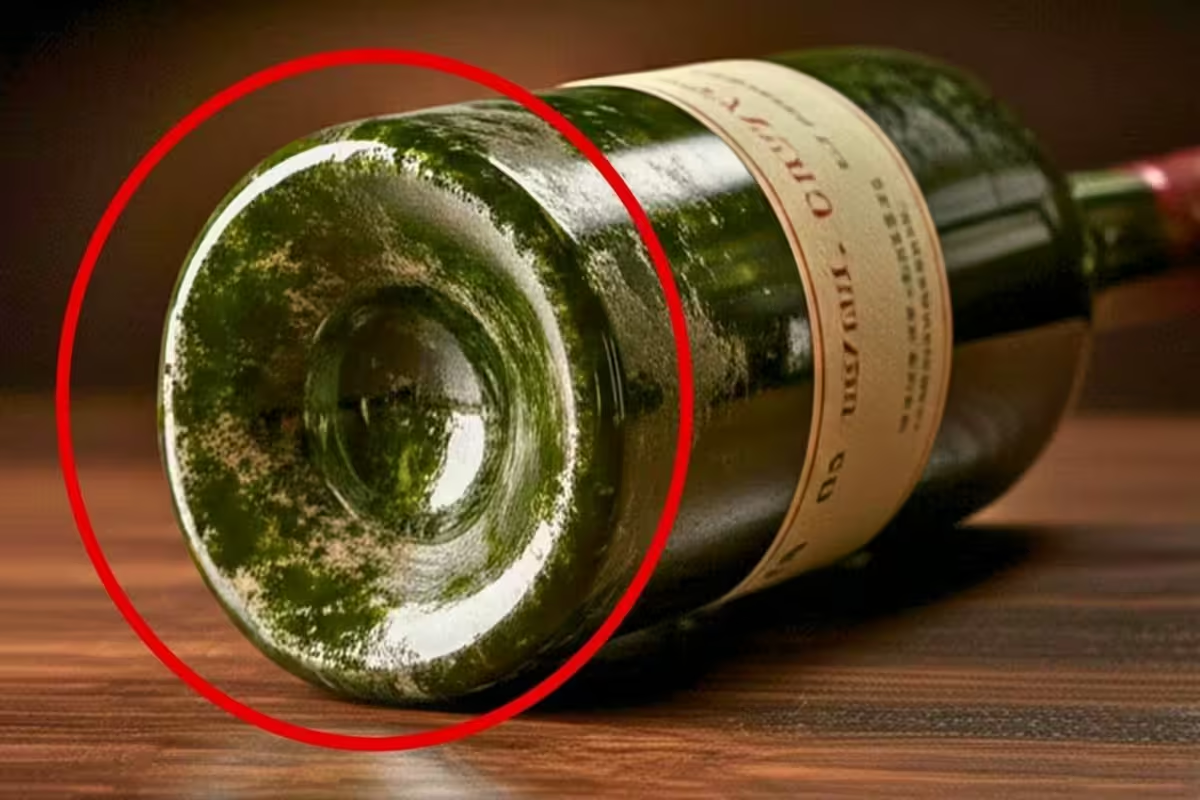
One of the most common explanations for why the bottom of a wine bottle is concave is that it helps support balance and increase stability when the bottle is placed on uneven surfaces. Compared with a flat base, the concave bottom works much like the base of a rice bowl, helping the bottle stand more firmly while reducing shaking and the risk of tipping over. Both large and small bottles with a concave base are more stable and safer when placed on different types of surfaces. Even when there is no wine inside, a concave-bottom wine bottle can still maintain good balance.
2. The concave bottom makes pouring wine easier and more professional
The concave bottom of a wine bottle also makes pouring more convenient. This intentional design allows a server to hold the bottle securely by placing the thumb into the indentation while the remaining fingers support the base. This grip is not only firm, but also helps limit heat transfer from the hand to the wine, which is important for proper wine storage and service. Especially with large and heavy bottles, this concave base design makes lifting and pouring wine with one hand much easier and safer.
3. The concave bottom helps wine sediment settle more effectively
If you pay attention, most premium wine bottles have a concave bottom. This design helps concentrate sediment particles in a fixed area, usually around the center of the base, thereby minimizing the chance of sediment being disturbed during pouring. This is especially important for red wine, which often contains more sediment than white wine and is usually bottled with a deeper punt.
Aged wines, especially red wines made using traditional methods, inevitably form fine layers of sediment over time. The inward-curving bottom helps these sediments settle more easily and remain at the base of the bottle. This ensures that the wine retains its clarity and original flavor when poured into a glass. Drinkers can avoid a gritty sensation, resulting in a smoother tasting experience.
4. The concave bottom helps wine chill faster
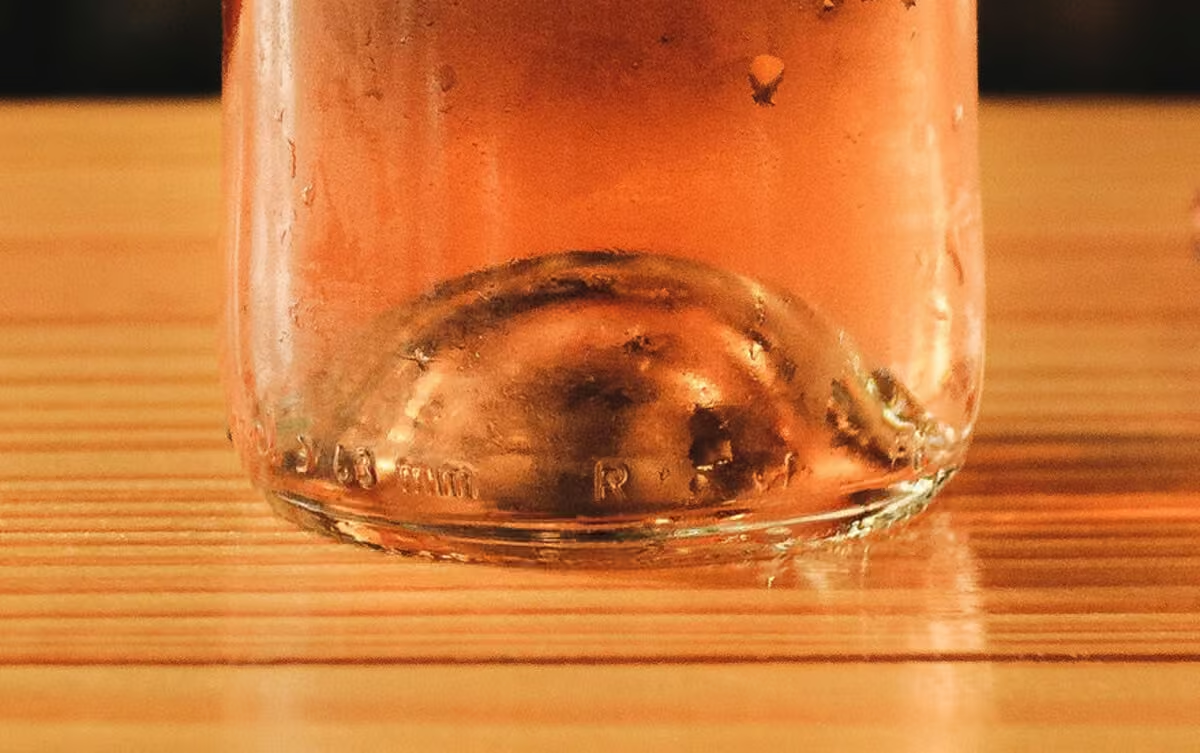
One practical benefit of a concave wine bottle base is that it can help the wine chill more quickly. By increasing the contact area between the bottle and ice or a cooling surface, the temperature inside the bottle can drop faster. When you place a bottle in an ice bucket, the base is the first area to come into direct contact, so the wine begins cooling from there. As a result, the entire bottle chills more quickly, bringing a refreshing experience after only a short wait.
In today’s busy world, this seemingly small detail can make a meaningful difference by helping wine become ready to enjoy sooner.
5. The concave bottom creates the impression that the bottle contains more wine
The indentation at the bottom of the bottle helps create the illusion that the bottle contains more liquid than it actually does. This design gives the visual impression that the bottle holds more wine, even though the real volume does not change. This happens because the concave base alters the overall shape of the bottle, making it appear fuller and taller.
When placed next to a flat-bottom bottle, even if both contain 750ml, the concave-bottom bottle still looks larger and more substantial. This optical illusion is used by many wine producers as a subtle marketing technique. It is a clever marketing approach commonly applied in the bottling industry to increase the perceived value of the product.
6. The concave bottom makes bottles easier to clean
Cleaning wine bottles, especially those with long necks, can be quite challenging. However, the concave design at the bottom of a wine bottle can support this process effectively. When rinsing, water can swirl more easily around the base, helping remove dirt and sediment quickly. As a result, the bottle can be cleaned more thoroughly without requiring many specialized tools. This is one of the small yet useful details in the winemaking process, saving time and cost for producers.
7. The concave bottom supports easier stacking and storage

If you are a wine collector, you have probably noticed that the concave bottom offers many practical benefits. This design helps bottles be arranged more efficiently and saves space, making it especially useful for transportation, display and wine storage. When bottles are placed upright, the indentation at the bottom can “fit” with the neck of the bottle below, helping stacked bottles remain stable and preventing them from slipping or falling during storage or transport.
8. The concave bottom increases bottle strength and pressure resistance
Finally, the inward-concave bottom of a wine bottle plays a clear role in increasing durability and pressure resistance. This is especially important for sparkling wines such as Champagne or Prosecco, which contain many bubbles and therefore have high internal pressure. These bottles often need to withstand significant pressure from fermentation. The concave base helps increase thickness at the pressure-bearing point, protecting the bottle from the risk of explosion when pressure rises during fermentation or transportation. As a result, the bottle is less likely to burst during secondary fermentation, especially when stored in a wine cellar.
Conclusion,
It is no coincidence that the bottom of a wine bottle is concave. From technical function and aesthetics to practical convenience and marketing strategy, this design reflects the sophistication of wine culture. The next time you raise a glass, take a look at the bottom of the bottle – you will see an entire world of meaning hidden behind this seemingly small detail.