


 Tiếng Việt
Have you ever wondered why red wine with red meat has become a golden rule in cuisine? Is it merely a habit among food lovers, or are there truly fascinating chemical reactions that make the dish taste many times better?
This article will help you fully understand the perfect pairing mechanism between red wine and red meat, while also answering common questions such as which wine to drink with beef and what wine goes best with red meat.
1. Why Does Red Wine Pair with Red Meat?
The shortest answer to the question “why does red wine pair with red meat” lies in chemical interaction. But to understand it more deeply, imagine your mouth as a stage, and the two main actors are tannin in wine and protein in meat.
1.1 A Wonderful Harmony of Flavors
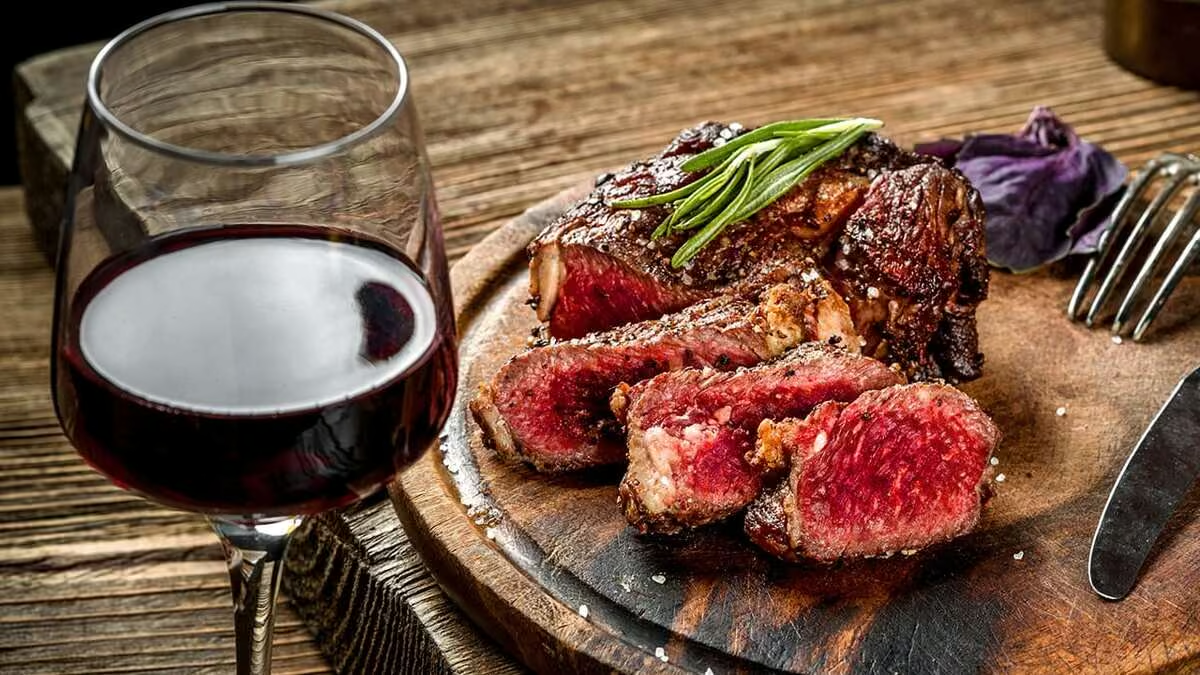
When you drink a sip of bold red wine, such as Cabernet Sauvignon or Shiraz, you often feel your mouth become slightly dry and your tongue tighten a little. That is caused by tannin, a natural compound found in grape skins and seeds. For beginners, this astringent sensation can feel a bit harsh and difficult to enjoy when drinking wine on its own.
In contrast, red meat, such as beef, lamb and buffalo, contains plenty of juicy protein. When these two meet, a kind of “magic” happens:
- Instead of clinging to your tongue and gums and causing dryness, tannin molecules are immediately attracted to and bind tightly with protein molecules in the meat.
- This combination neutralizes the harsh astringency of the wine and softens the texture of the meat.
As a result, the wine no longer feels too tannic, and the meat no longer feels too rich. Instead, a velvety smooth sensation spreads through the mouth. That is the harmony that no other drink can create in quite the same way.
1.2 Balancing Flavors
In cuisine, balance is key. Imagine a grilled steak, especially a cut with plenty of marbling. It often creates a rich, fatty feeling and may leave a layer of fat in the mouth after swallowing. If you drink plain water or soft drinks, that fat layer may feel heavier and more unpleasant.
Red wine acts like a talented “cleaner”:
- Tannin works like a broom, sweeping away the fat coating on the tongue.
- The alcohol and acidity in the wine help cut through richness and wash away greasiness.
Thanks to this balance, after each sip of wine, your palate becomes clean and refreshed again, ready to enjoy the next bite of meat as deliciously as the first. This is the core reason why red wine with red meat makes you eat more comfortably and enjoy the meal more fully.
1.3 Enhancing Natural Flavor
Red wine does not simply “fix” the palate. It also acts as a catalyst that makes the flavor of meat explode.
- Umami, or savory meat sweetness: The gentle acidity of red wine stimulates saliva production, highlighting the natural sweetness and juiciness of meat.
- Aromatic resonance: Common notes in red wine, such as blackberry, black pepper, oak, smoke or leather, pair beautifully with the aroma of charred grilled meat or seasoned marinades.
For example, a Syrah with spicy black pepper notes will make black pepper beef taste richer and deeper than ever.
2. Similar Nutritional Components
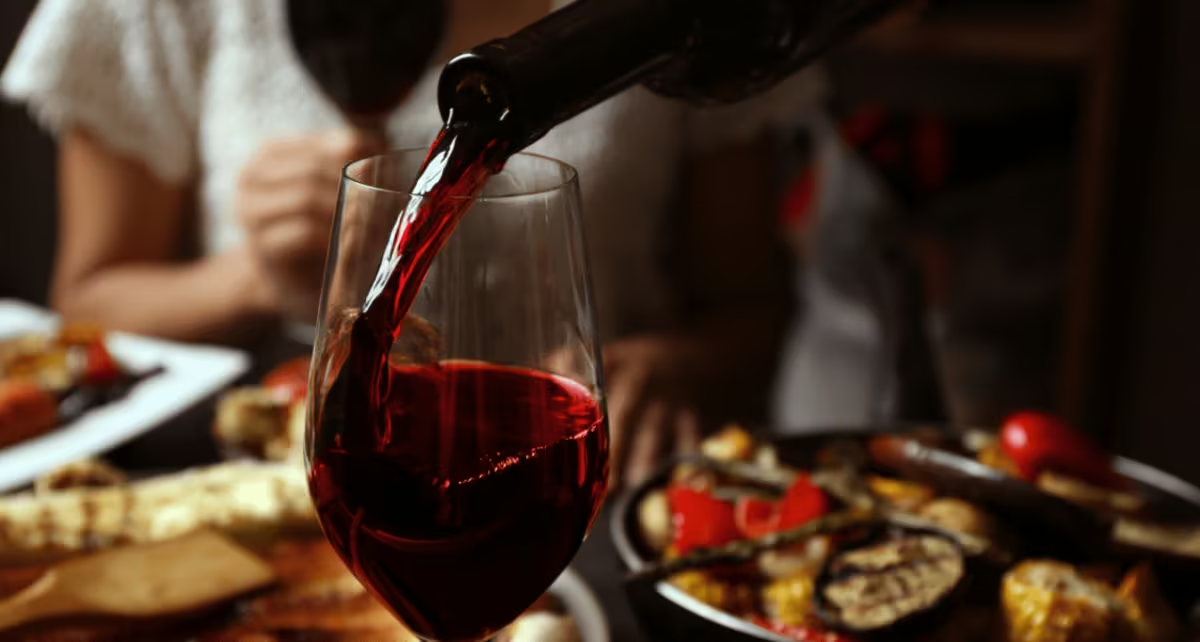
Few people know that this pairing is not only delicious, but also scientifically meaningful from a nutritional perspective. Both red wine and red meat contain components that can support each other.
2.1 Protein
Although wine does not contain protein like meat does, it seems born to handle protein. As explained above, digesting red meat requires the stomach to work actively to break down complex protein chains.
Compounds in red wine help this process feel smoother right from chewing and swallowing. The interaction between tannin and protein does not only happen in the mouth, but also continues in the stomach, helping meat digestion feel lighter and reducing the heavy fullness that can follow a protein-rich meal.
2.2 Fat
Red meat provides saturated fat, a rich energy source but also a concern when it comes to cholesterol. This is where red wine shines. Scientific studies have shown that when the stomach digests fat from meat, it may produce harmful oxidation compounds, such as Malondialdehyde, or MDA, which can enter the bloodstream and affect blood vessels.
However, when red wine is consumed with the meal, the antioxidants, or polyphenols, in wine act directly in the stomach and help prevent these unwanted oxidation reactions. In other words, red wine may help neutralize some of the negative effects of fat from red meat on the body.
2.3 Antioxidants
This is the strongest point of similarity and support.
- In red meat: It contains zinc, iron and nutrients that support cell regeneration.
- In red wine: It contains a rich store of powerful antioxidants such as resveratrol and procyanidin.
Together, they help explain the famous “French Paradox”: French people eat plenty of red meat, butter and cheese, yet their rates of cardiovascular disease are relatively low. One key reason is the habit of drinking red wine in moderation. Antioxidants in wine help protect blood vessel lining and reduce the formation of bad cholesterol, or LDL, plaques that may result from a meat-heavy diet.
2.4 Vitamins and Minerals
Both foods contain important micronutrients:
- Iron: Red meat is one of the best sources of heme iron for the blood.
- Potassium and magnesium: Both meat and wine contain notable amounts of potassium. Potassium helps regulate blood pressure and fluid balance, which is especially important when eating grilled meats that are often seasoned with plenty of salt.
There is one small note: tannins in wine may slightly reduce iron absorption. However, because red meat is already rich in iron, the body can still receive the essential nutrients it needs while also enjoying the heart-protective benefits of wine.
3. What Wine Should You Drink with Red Meat?
Now that we understand the theory, it is time to put it into practice. Not every red wine is the same, and not every cut of meat is prepared the same way. The golden rule is: “Light wine with light dishes, bold wine with bold dishes.”
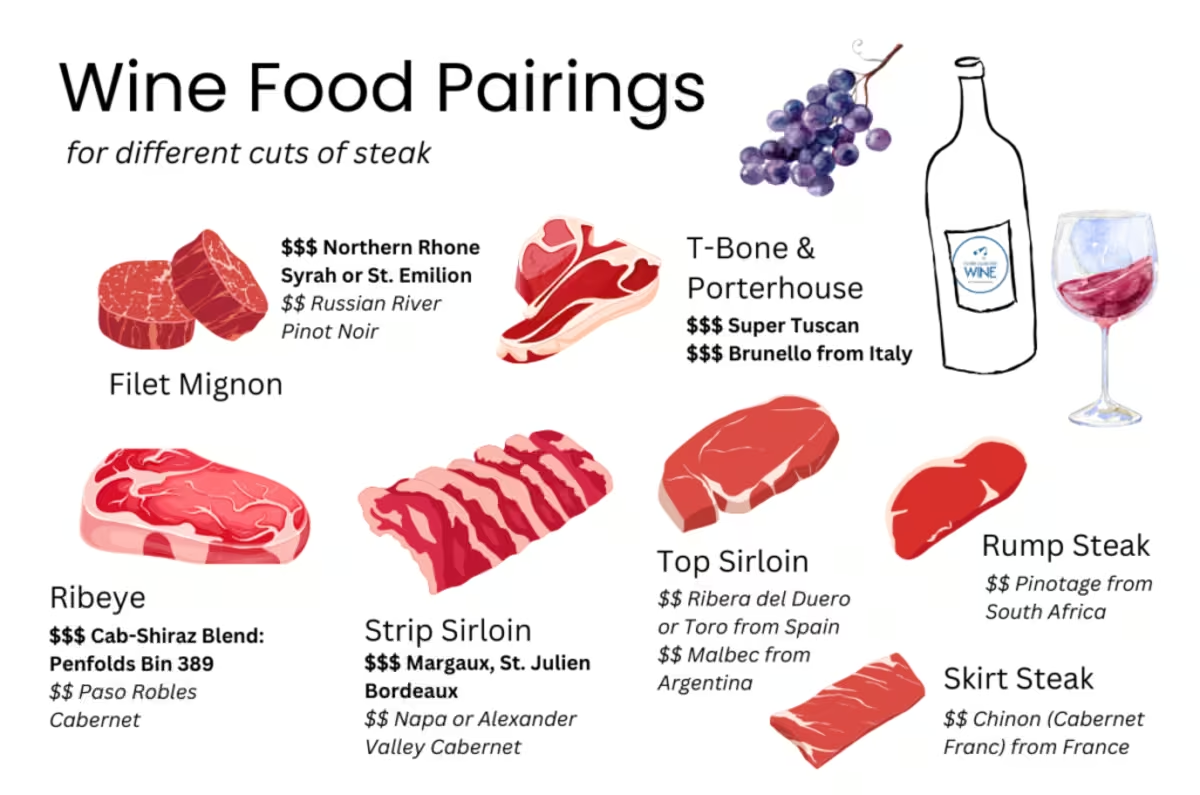
Below are specific pairing suggestions you can apply immediately:
- Beef steak: The classic pairing
Tenderloin: This is the softest cut, lean and delicate.
-
- Wine choice: Pinot Noir or Merlot. These wines have gentle fruit flavors and soft tannins, so they do not overpower the refined sweetness of the meat.
Ribeye or sirloin: These cuts have more marbling, richness and stronger flavor.
-
- Wine choice: Cabernet Sauvignon or Tannat. You need a powerful wine with high tannin to cut through that rich fat. This is the perfect pairing that best explains why red wine goes with red meat.
- Lamb
Lamb has a tender texture but a distinctive aroma and a fairly rich layer of fat.
-
- Wine choice: Syrah, Shiraz or Malbec. The black pepper spice and smoky notes in Syrah pair especially well with herb-grilled lamb.
- Vietnamese cuisine
Do not think red wine is only for Western dishes. Vietnamese red meat dishes can also pair beautifully with wine:
-
- Shaking beef: This dish is rich in garlic, pepper, soy sauce and seasoning. Choose a smooth, low-tannin red wine such as Grenache or an Italian Primitivo to highlight the sweetness of stir-fried beef.
- Smoked buffalo meat: This Northwest Vietnamese specialty has smoky aromas and the spicy character of mắc khén pepper. Try it with Syrah or a Rhône Valley wine from France. The shared smoke and spice notes will surprise you.
- Vietnamese beef stew or beef cooked in wine: Since the dish already contains wine, drink the same wine used for cooking, or choose a Bordeaux blend, to create harmony.
4. Important Notes When Pairing Red Wine with Red Meat
To make the meal complete and avoid unfortunate mistakes, remember the following important notes:
- The intensity rule
Never let the wine overpower the food, or the food overpower the wine.
A delicate boiled beef dish with ginger fish sauce would be completely ruined by an overly oaky Cabernet Sauvignon.
On the other hand, a spicy BBQ beef dish would completely drown out a gentle Pinot Noir.
- Choose wine according to the sauce
Sometimes, you should choose wine based on the sauce, not the meat.
-
- Black pepper sauce: Choose a wine with spicy notes, such as Syrah or Zinfandel.
- Creamy mushroom sauce: Choose an earthy red wine such as Pinot Noir or Burgundy.
- Sweet-sour or BBQ sauce: Choose a fruit-forward wine with moderate alcohol.
- Be careful with spicy and bitter foods
- Very spicy food: If your meat dish is heavily seasoned with chili, such as Thai or Sichuan-style dishes, be careful. Chili heat can intensify alcohol warmth and make tannins taste harshly bitter. Choose a lower-alcohol wine and serve it slightly chilled.
- Bitter flavors, such as bitter melon or bitter greens: Avoid pairing them with highly tannic red wines, because bitterness plus astringency creates an unpleasant finish.
- Serving temperature
A common mistake in Vietnam is drinking red wine too warm, at room temperatures around 30°C. When wine is too warm, alcohol aromas rise sharply and cover the wine’s fragrance.
Chill your red wine to around 16-18°C, about 20 minutes in the refrigerator before drinking. At this temperature, the wine structure becomes firmer, tannins feel smoother and the flavor of meat is highlighted more fully.
Final Thoughts,
The story of why red wine pairs with red meat is not just a dry rule from culinary textbooks. It is the result of hundreds of years of human food culture. It is the meeting point between science and art, where wine’s tannins control meat’s richness and create a beautiful flavor symphony.
Hopefully, this article has given you useful and easy-to-apply knowledge. Try it at dinner tonight and feel the difference for yourself.