


 Tiếng Việt
Have you ever wondered why people swirl wine before drinking it? This action may seem like a matter of style or elegance, but it actually plays an important role in opening up the wine’s distinctive aromas and flavors.
1. Why Should You Swirl Wine Before Drinking?
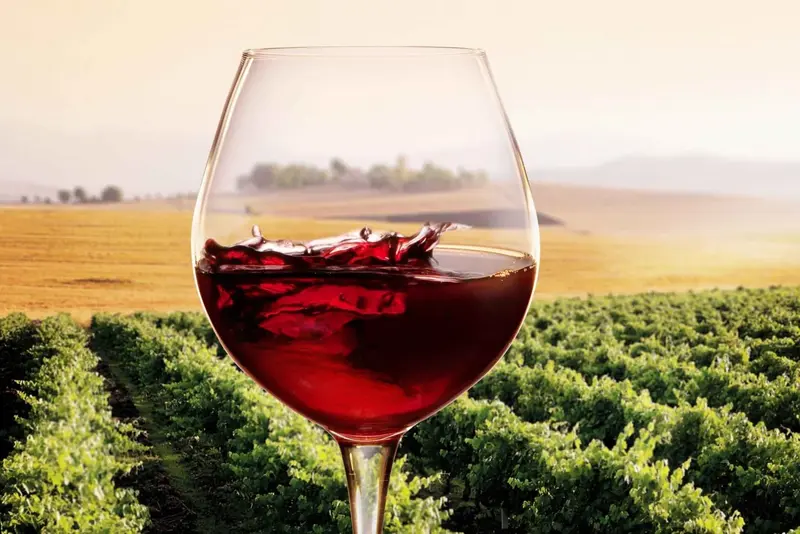
So, what is the purpose of swirling wine?
-
Swirling Wine Helps Release Attractive Aromas
Aroma is a key element in the wine tasting experience. Swirling wine before drinking helps the wine come into contact with air, enhancing its aromas and releasing deeper, more complex scents that you may not notice when smelling it for the first time.
Hidden aroma layers gather inside the bowl of the glass. When you bring the glass to your nose, you can sense them more easily. However, swirling does not need to be done too strongly. A gentle, even swirl is enough to “open up” the delicate aroma layers of wine.
-
Swirling Wine Enhances Flavor and Mouthfeel
Why should wine be swirled before tasting? The reason lies in the fact that swirling helps volatile aromatic compounds evaporate, allowing you to clearly sense the floral, fruity or herbal aromas typical of each wine style.
When you swirl wine and smell it, aromatic compounds follow the airflow inside the glass and rise toward your nose. This is how you can sense wine aromas. It shows that wine tasting is not only a matter of taste, but also strongly relies on the sense of smell.
Through smell, you can “read” deeper aroma layers such as raspberry, fruit, damp earth and more. Although these ingredients are not actually present in the wine, their aromas are recreated through the subtle combination of environment, winemaking techniques and personal perception. This diversity creates the uniqueness of wine and brings joy to every tasting, because every glass offers a new and inspiring experience.
-
Swirling Wine Helps Remove Unwanted Compounds
Another notable effect of swirling wine is that it helps release certain volatile compounds such as sulfides or sulfites. Sulfite is a common preservative in wine, helping maintain color and flavor, but it can be unpleasant for some sensitive drinkers. Swirling wine helps reduce this gas slightly by increasing oxygen contact while highlighting more pleasant aromatic compounds, improving both the smell and taste experience.
-
Swirling Wine Helps You Observe Structure and Viscosity
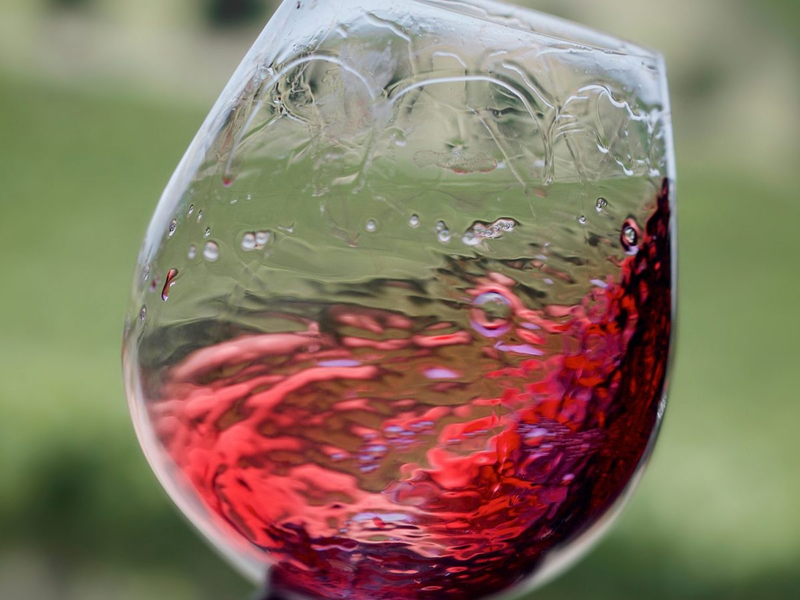
When you swirl a glass of wine, you can observe slow-moving streams of liquid running down the glass wall. These are called “wine legs” or “wine tears”. This phenomenon occurs because of the interaction between alcohol, sugar and tannin in the wine. “Wine legs” can reveal:
– Intensity: Wines with more tannin or sugar create slower-moving streams that cling to the glass longer.
– Texture: A wine that looks more viscous and clings more to the glass may have higher alcohol or sugar content.
This phenomenon helps you quickly assess whether the wine is full-bodied or light-bodied without tasting it.
-
Swirling Wine Helps You See the Color More Clearly
Another benefit of swirling wine is that it helps you observe the wine’s color more clearly. When the wine moves in the glass, light reflects better, helping you recognize:
– Deep red wine: Usually powerful and rich in tannin.
– Pale yellow white wine: Usually gentle and elegant.
– Deep rosé wine: Often fruit-forward in flavor.
Spending time with the glass before drinking makes the tasting experience more enjoyable and worthwhile. Swirling wine helps you slow down, admire the color, sense the aromas and gradually enjoy every flavor layer in each sip.
>>> Learn more about 3 basic rules for enjoying wine properly.
2. How to Swirl Wine Properly
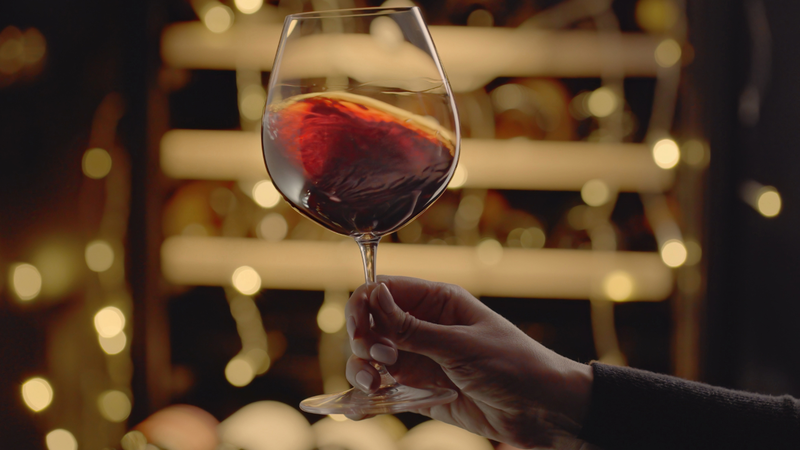
Many people swirl wine incorrectly, causing spills, splashes or making the wine lose its refinement. Below is a proper and elegant way to swirl a wine glass:
- Step 1: Place the wine glass on the table.
- Step 2: Use your thumb and index finger to gently hold the stem of the glass, avoiding heat transfer from your hand.
- Step 3: Only pour wine to about 1/3 of the glass to leave enough space for swirling and avoid spilling.
- Step 4: Gently rotate the glass on a flat surface in a circular motion to create even movement.
- Swirling by hand: Once you are more familiar with the technique, you can hold the glass and swirl gently in your hand without using the table for support.
Note: You should not swirl Champagne or sparkling wine, because this can reduce the bubbles, which are an important element that creates the signature flavor of these wines.
3. Some Notes When Enjoying Wine
 Besides knowing why wine should be swirled, you should also keep the following points in mind for a more complete experience:
-
Do Not Smell Wine Immediately After Opening the Bottle
Wine often contains SO₂ for preservation. Right after opening, the smell of SO₂ may overpower the wine’s true aroma. Let the wine “breathe” for a while before smelling it so you can more accurately sense its natural aroma.
-
Wine Tasting Requires Focus
Wine tasting is an art. Do not drink too quickly. Instead:
– Look at the wine’s color.
– Swirl gently to awaken the aromas.
– Smell deeply.
– Take a small sip and let the wine spread across your mouth.
– Finally, feel and evaluate the wine.
-
Avoid Holding the Wine Glass Incorrectly
Holding the bowl of the glass transfers heat from your hand to the wine, affecting its structure and flavor. Always hold the stem or base to keep the wine at its optimal temperature.
4. When Should You Swirl a Glass of Wine?
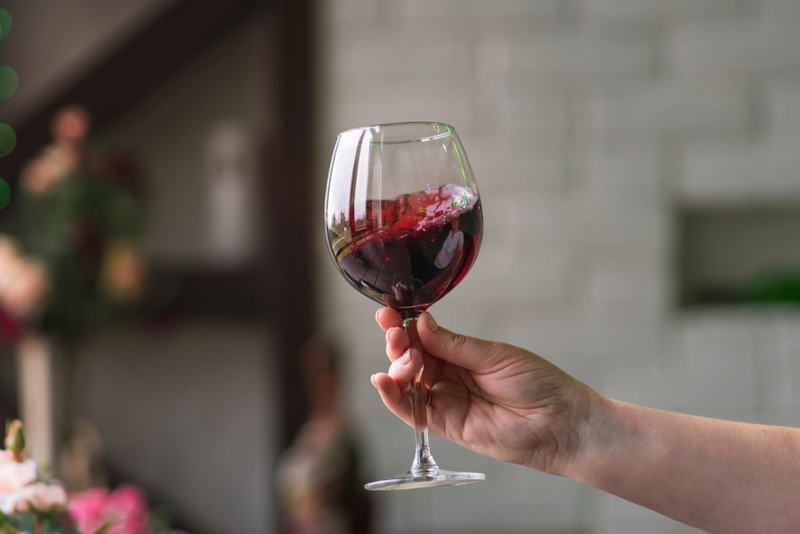
You can taste the wine before swirling to sense its initial flavor. Then gently swirl the glass to activate the aromas and taste again. You will notice a clear difference in aroma and finish. If the flavor becomes richer and more attractive after swirling, it shows that swirling is truly useful for unlocking the wine’s full flavor.
Aged wines are often more “sensitive” than young wines. This means their structure and flavor are more easily affected by external impact. Gentle swirling is a safe way to oxygenate the wine, helping release hidden aromas and flavors without damaging its delicate structure.
Similar to wine, Champagne can also benefit from a gentle swirling technique. Although this is less common than swirling still wine, it may help release additional aromas and create a richer tasting experience.
Final Thoughts
Why should you swirl wine? Because it is an essential part of the art of wine tasting. A gentle swirl of the glass not only connects the senses, but also helps you experience wine in a fuller and more refined way. This is not only a method for understanding the wine you are drinking more deeply, but also a source of joy, elegance and relaxation in every moment.
Whether you are new to wine or a long-time enthusiast, remember that one gentle swirl can open up an entire world of surprising flavors and aromas.