


 Tiếng Việt
If you have ever heard someone describe a wine as “appealing” or “structured”, they were very likely talking about tannin. So what is tannin? Tannin is an important factor that shapes the character and quality of wine. Along with aroma, flavor, acidity and alcohol content, tannin is an essential component that creates the unique identity of each wine style.
1. What Is Tannin?
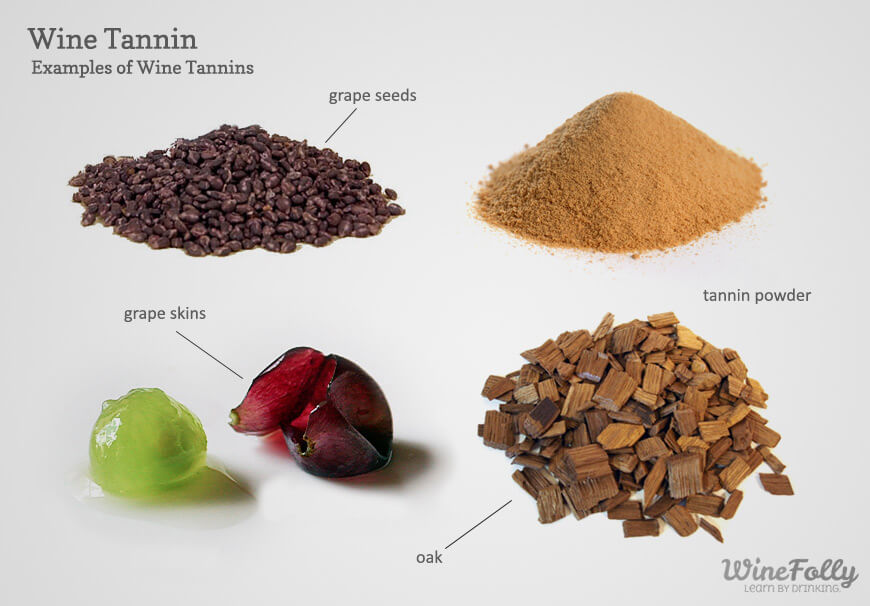
What is tannin? Tannin, also known as tanin, is a natural polyphenol compound found in many plants, especially in grape skins, seeds and stems. In the world of wine, tannin helps protect grapevines from insects while directly influencing the flavor and aging potential of wine.
What does tannin taste like?
When tasted, tannin creates a slightly bitter and dry sensation in the mouth, a characteristic often found in red wine, black tea, green tea, walnuts, persimmons, dark chocolate and coffee. If not properly balanced, tannin can make wine taste harsh or overly astringent. On the other hand, when handled skillfully, tannin contributes to a smooth texture, flavor depth and long-term aging potential in wine.
2. Where Does Tannin in Wine Come From?
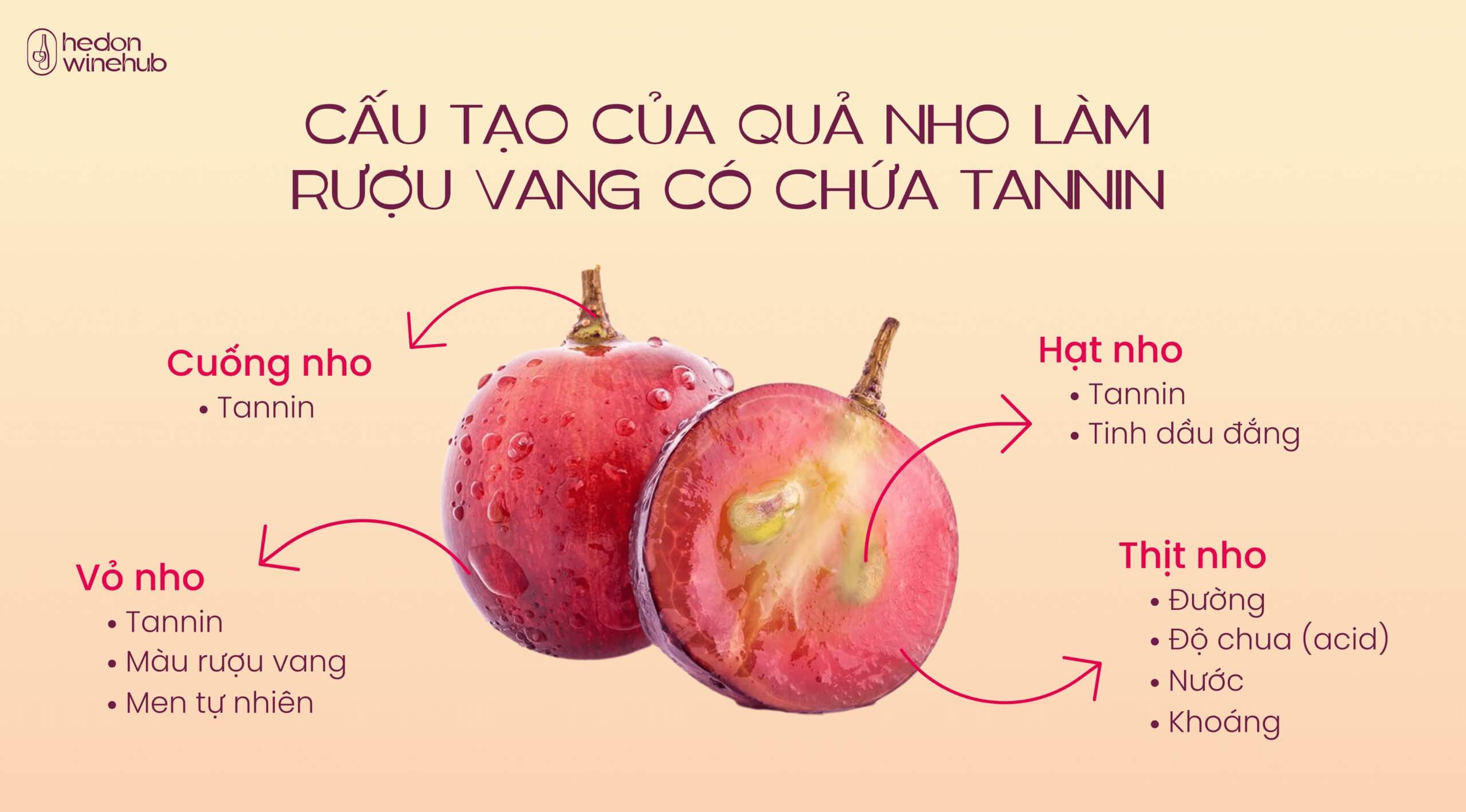
Tannin in wine mainly comes from grapes and new oak barrels during the aging process.
Tannin from Grapes
Tannin mainly comes from the skins, seeds and stems of grapes. This is also why red wine contains more tannin than white wine. During red wine production, grape juice is macerated and kept in contact with grape skins to extract maximum tannin. White wine, on the other hand, usually does not go through skin maceration and only uses the pure juice for fermentation, so it contains very little tannin.
Tannin from Oak Barrels
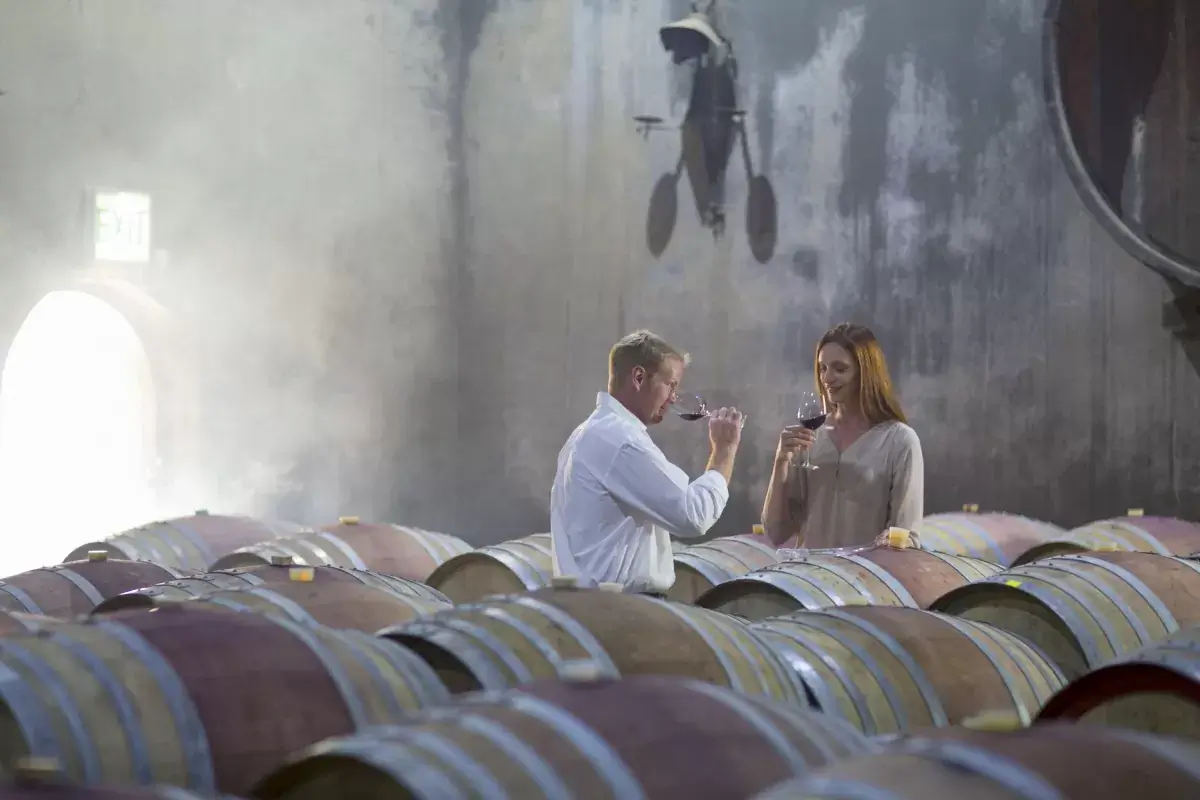
Besides grapes, tannin in wine can also come from oak barrels used during aging. New oak releases a significant amount of tannin, contributing more depth and durability to wine. Today, to increase tannin in wine, producers may also use other materials, including tannin powder and small oak sticks. These options are more cost-effective than using full oak barrels and help producers adjust and control the wine structure as desired.
3. What Are the Health Effects of Tannin?
Besides creating a distinctive flavor, the health effects of tannin are also a topic of interest. Tannin not only creates a characteristic astringent taste, but also helps balance flavor, build solid structure and improve long-term preservation. Tannin also has antioxidant properties, contributing to the development of complex flavors as wine ages.
Beyond its role in shaping wine flavor, many people are also interested in what tannin may do for health. As a natural polyphenol, tannin has strong antioxidant properties and may offer several benefits, such as:
- Anti-aging: Helps protect cells from free radicals.
- Anti-inflammatory effects: May help reduce the risk of chronic inflammatory diseases.
What other effects may tannin have? Many studies suggest that tannin may have antibacterial and antiviral properties, support immune function and potentially be used in food preservation:
- Helps regulate blood sugar and may support people with diabetes.
- May help lower blood pressure and improve cardiovascular health.
- Supports blood clotting and may help wounds heal faster.
- Helps protect the digestive system from harmful bacteria such as H. pylori.
So, when you wonder what tannin does, the answer is not limited to flavor. It also extends to overall health.
4. How Does Tannin Affect Wine?
Understanding what tannin is will help you sense and evaluate wine more accurately. Below are the ways tannin affects wine quality and the tasting experience.
4.1 Tannin Affects Flavor
Most liquids do not usually create a “dry” sensation. However, wine can often feel dry, astringent and bitter. Tannin is the factor that creates these sensations. The more tannin a wine contains, the stronger the dry-mouth sensation after tasting. Tannin is also why people instinctively purse their lips after taking a small sip of red wine.
4.2 Tannin Affects Texture
Texture refers to the sensation wine creates in your mouth and throat. Tannin is one of the main elements that contributes to wine texture. It helps create a smooth yet firm structure in wine. Wines with high tannin often feel fuller and denser in the mouth. You can compare this sensation to eating an unripe fruit or drinking a strong cup of black tea.
4.3 Tannin Affects the Finish
A wine with balanced tannin will leave a pleasant aftertaste after drinking. In contrast, a wine with too much tannin may cause dryness or harsh bitterness, making the drinker uncomfortable. Worse still, they may need to reach for water as a quick “rescue”.
4.4 Tannin Affects Aging Potential
Tannin acts as a natural preservative, helping wine develop more complex flavors over time. Winemakers sometimes allow more tannin than immediately necessary. Wines with high tannin usually need longer aging and have the potential to be stored for many years. Tannin becomes more refined as it ages. This is one reason why aged wines are often more expensive.
4.5 Tannin Affects Intensity
Air can soften tannin, making wine smoother and gentler. That is why many wine lovers let wine breathe before drinking. This helps reduce the harshness of tannin, making wine taste better and easier to enjoy.
4.6 Tannin Affects Balance
An ideal wine achieves harmony among acidity, tannin and fruit flavor. An unbalanced wine is one in which one component, such as tannin, acidity or alcohol, is higher than the others. When one element dominates, such as excessive tannin, the wine loses balance and becomes difficult to enjoy. This can create an unpleasant drinking experience.
5. Tannin Levels in Popular Wines
In general, wines with more tannin need a little more time in the bottle. The goal is to allow tannins to become more balanced and smoother in texture.
Red wines usually contain more tannin than white wines. Grape varieties and wines with high tannin include:
- Cabernet Sauvignon
- Nebbiolo
- Tannat
- Tempranillo
- Mourvèdre
- Bordeaux
- Shiraz
- Sangiovese

If you do not like the astringency of tannin, choose low-tannin red wines such as:
- Gamay
- Pinot Noir
- Barbera
- Lambrusco
- Grenache
- Zinfandel
6. Pairing Food with High-Tannin Wine
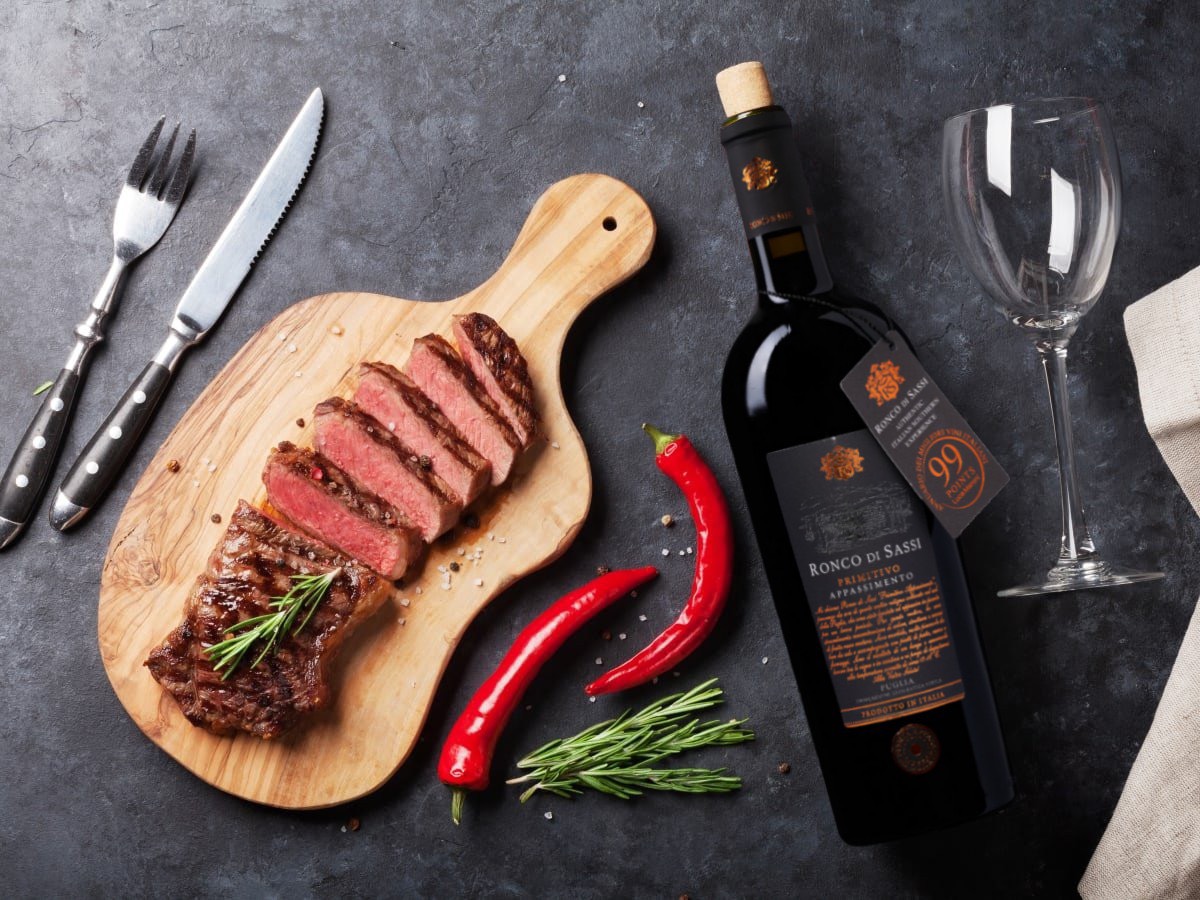
Wines with high tannin often pair better with food than when enjoyed on their own. Tannin needs to be balanced by the richness of protein and fat from red meat. That is why red wine is often paired with beefsteak or braised beef. Especially for high-tannin red wines such as Cabernet Sauvignon, red meat, poultry or bold-flavored dishes served with sauces are the perfect choices.
Final Thoughts,
Now you understand what tannin is, what tannin in wine means, and what effects tannin may have on both taste and health. Tannin not only determines the texture, flavor and aging potential of wine, but also brings several potential benefits to the body. Whether you are new to wine or already a knowledgeable wine lover, understanding tannin will help you choose and enjoy wine in a more refined and professional way.