
 Tiếng Việt

Rosé wine brings a fresh, vibrant flavor profile with a combination of red fruits such as strawberry, cherry and raspberry, along with delicate floral notes, orange, citrus and melon. The finish often carries a subtle hint of celery or rhubarb, creating a distinctive drinking experience. Depending on the grape variety and production method, rosé wine can offer different flavors and characteristics. In France, the Provence region has been famous for rosé winemaking since the 13th century, producing wines that were once served to the King of France and the Pope.
1. What is rosé wine?
Over the past few years, rosé wine has exploded in popularity in the American market, especially during summer. In France, white wine sales have gradually declined. Rosé has also become the wine of choice for sipping in the park or enjoying at backyard barbecues. It is fair to say that rosé wine has become extremely popular, yet many people still do not know what rosé is, what it is made from, or where its pink color comes from.

Rosé wine is not made from pink grapes, because such grapes do not exist. Instead, it is produced from red grapes through three main methods. The pink color of the wine comes from the juice being in contact with grape skins, not from the liquid itself. The contact time with the grape skins is shortened, even though rosé is made in a similar way to many red wines. This reduced skin contact is what gives rosé its signature pink hue.
Winemakers produce rosé wine by pressing red grapes and then allowing the juice to macerate with the skins for a short period, usually only two or three days. Once the liquid begins to develop the beautiful pink color desired by the winemaker, the skins are removed and the juice is allowed to ferment, creating a deliciously aromatic rosé. There is a common misconception that rosé wine is simply a blend of white and red wine.
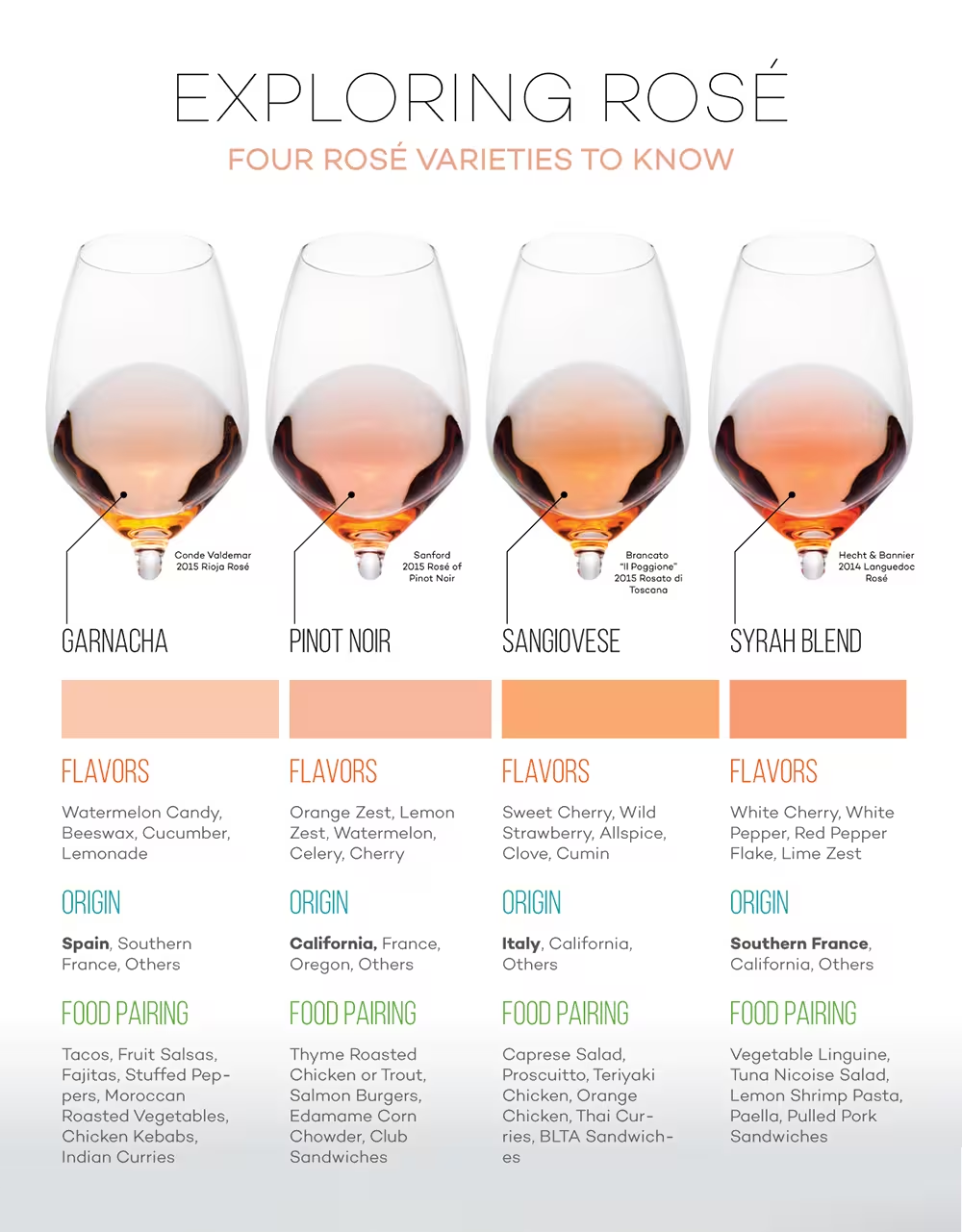
Usually, rosé wine is a blend, meaning it can be made from several different grape varieties. Grenache, Sangiovese, Syrah, Carignan, Cinsault and Pinot Noir are red wine grapes commonly used to make rosé. In some cases, it can also be a single-varietal wine made from one grape variety.
2. Methods of producing rosé wine
There are 3 commonly used methods for producing rosé wine:
2.1 Maceration method
Maceration is when red grapes are left to soak in their juice for a certain period of time. After that, all the grape juice is separated to produce rosé wine. The maceration method is the most popular method and is commonly used in Provence and Languedoc – Roussillon in France, where rosé plays an important role alongside red and white wine.
2.2 Saignée or “bled” method
The Saignée method takes place during the first few hours of red wine production. A portion of the juice is drawn off into a new tank to be used for rosé production. This method is common in regions known for high-quality red wines, such as Napa and Sonoma. Its purpose is not only to create rosé with an attractive color, but also to concentrate the highlights of red wine. This method is relatively rare, as it usually accounts for only about 10% or less of a winery’s total production.
2.3 Blending method
This method involves blending red wine with white wine. The amount of red wine added is usually very small, generally around 5% or less. This method is not widely used for still rosé, but it is common in sparkling wine regions, most notably Champagne. One famous example produced using this method is Ruinart Champagne, made primarily from Chardonnay with a small portion of Pinot Noir blended in.

However, in June 2009, a dispute broke out between wine producers and the European Commission, forcing the commission to withdraw a draft law that would have allowed winemakers in the EU to blend red wine with white wine to make rosé. European wine associations strongly opposed the proposal, arguing that it would damage their reputation and brand image if many producers in Europe used this method. That is why you rarely find European rosé wines made in a blending style.
3. What does rosé wine taste like?
Similar to red wine, the flavor of rosé wine depends mainly on the grape variety used. However, because the goal of rosé wine is to deliver freshness and lively fruit aromas, it is usually enjoyed young instead of being aged for a long time like red wine.
The flavor of rosé wine can be highly diverse, ranging from light notes of honeydew melon, strawberry, lemon and celery to richer flavors of cherry, plum, blackberry and orange peel. Some more complex rosé wines may also carry distinctive aromas such as allspice, green olive, green pepper, tomato, smoke, violet, grilled meat and white pepper.
Where does rosé wine get its color from?
The signature color of rosé wine comes from the skins of red grapes. Grapes selected for winemaking must be carefully chosen and harvested during the latest grape season. To create the best rosé, red grapes must be pressed gently. The grape skins are soaked in the juice for only 1 to 3 days to achieve the desired pink color. The juice is then separated from the solids and fermented in tanks.
Rosé wine often has a pale golden color, though it can sometimes appear coral or pink-orange. Its flavor is usually pleasantly fruity and appealing. Rosé often sits between red and white wine in style: it is not as tannic as red wine and not as sharp in acidity as white wine, with lower tannins than red wine and gentler acidity than many white wines. As a result, rosé is extremely easy to drink, especially for women and those new to wine.
For this reason, rosé is more approachable and can be paired with many different dishes, from meat to seafood. In particular, its flavor becomes brighter and more delicious when served chilled.
4. Popular grape varieties used to make rosé wine
Rosé wine can be made from many different red grape varieties, including:
- Grenache: Brings fresh red fruit flavors and gentle acidity.
- Sangiovese: Creates rosé wines with cherry flavors and light spice notes.
- Syrah: Provides richer flavors with hints of black pepper and ripe fruit.
- Carignan: Adds depth and structure to rosé wine.
- Cinsault: Offers a light, easy-drinking style.
- Pinot Noir: Creates elegant rosé wines with strawberry and rose notes.
5. Food pairing suggestions for rosé wine
Ideal serving temperature:
- Rosé wine should be served at 8 – 12°C, cooler than red wine but slightly warmer than white wine.
- Before serving, chill the bottle in an ice bucket for about 30 minutes and continue keeping it cool throughout the tasting to maintain its refreshing flavor.

Recommended dishes to pair with rosé wine:
With its fresh, light character and distinctive fruit aromas, rosé wine is an excellent choice for summer and casual gatherings. Below are some suggested food pairings:
- Appetizers: cucumber with red onion, tomato and bell pepper salad, seafood salad
- Main dishes: scallops, pan-seared fish, lobster, seafood pizza, Italian-style grilled chicken, grilled sausages, roasted pork
- International cuisine: Italian, Mediterranean and Mexican dishes

6. Where to buy authentic rosé wine?
If you are looking to buy quality rosé wine, Hedon WineHub is a trusted destination in Vietnam. Hedon offers more than 1,000 authentic wine labels from many renowned wine-producing countries such as France, Italy, Chile, Australia and the United States, including both premium and approachable rosé wine selections.
Why buy from Hedon?
- Store system in Hanoi and Ho Chi Minh City
- Fast and convenient online ordering
- Knowledgeable consultants who help you choose the right bottle for your taste and food pairing

7. Some best-selling rosé wines at Hedon
Below are some rosé wines currently available on the Hedon website:

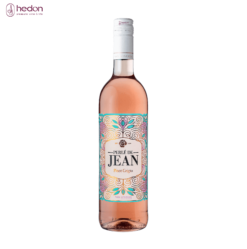
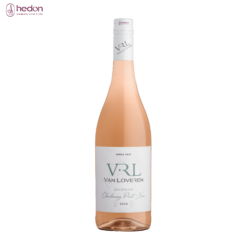

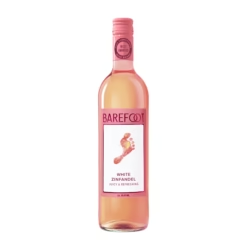
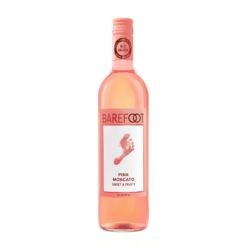
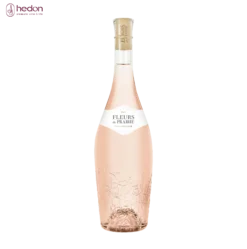

See all rosé wine products at Hedon WineHub or contact us directly for detailed consultation!