


 Tiếng Việt
When it comes to wine, flavor is not the only important element. Wine color is also a key factor that helps assess a wine’s quality, style and age. From deep red to refined straw yellow, every shade carries its own message about the production journey, grape variety and aging technique. However, is grape juice – the main ingredient in winemaking – the only factor that creates the distinctive color of wine? In this article, we will explore the factors that determine wine’s characteristic color.
1. What does wine color reveal?
The color of wine can provide certain information about:
The grape variety characteristics of the wine
Each grape variety has its own pigment characteristics in the skin, which directly affect the color of the wine:
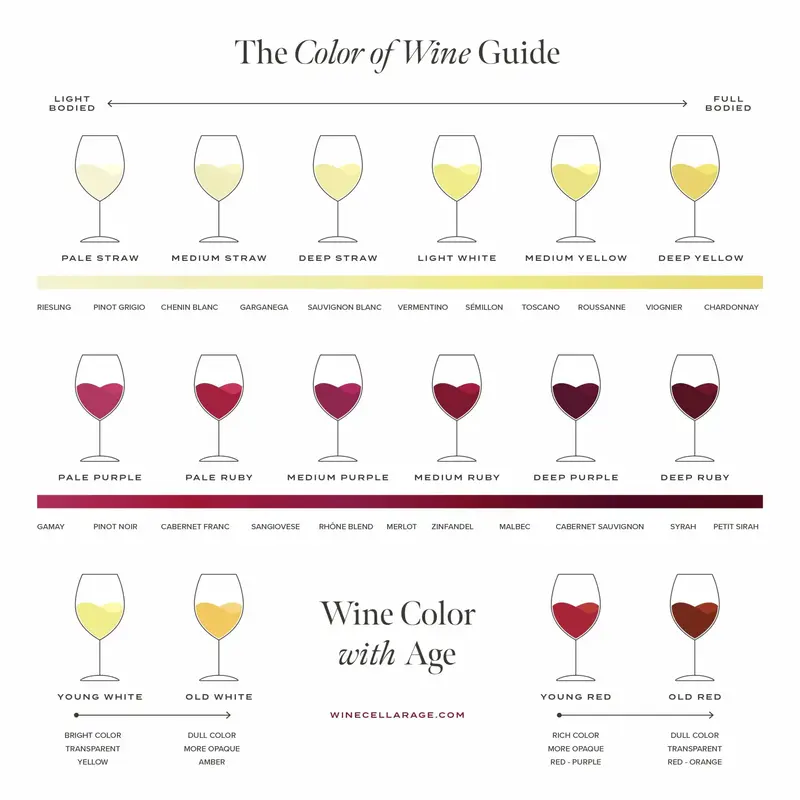
– Red wine: Anthocyanin pigments in grape skins are the decisive factor behind the color of red wine. Each grape variety contains different levels of anthocyanins, so wine color can range from pale red, as in Pinot Noir, to deep red or purple-red, as in Cabernet Sauvignon:
- Cabernet Sauvignon, Syrah and Malbec have colors ranging from deep red to dark purple.
- Grenache and Merlot usually show medium red tones.
- Gamay and Pinot Noir often have a bright, delicate ruby-red color.
– White wine: The color of white wine mainly depends on the level of grape skin contact with the juice during production.
- White grape varieties such as Chardonnay often show a deeper golden color, which can vary depending on whether oak barrels are used for aging.
- Sauvignon Blanc wines usually have a medium white-yellow color.
- Wines with straw-yellow or pale-yellow tones often come from grape varieties such as Pinot Grigio and Riesling.
– Rosé wine: The color of rosé wine depends on how long red grape skins remain in contact with the juice during production.
- Rosé made from Syrah often produces a deep pink color, sometimes with a bright red tone.
- Pinot Noir can create rosé wines ranging from pale pink to peach-pink.
- Grenache often produces rosé wines with bright and delicate color tones.
The age of the wine
Wine color changes noticeably over time:
– Red wine: The color of red wine changes with age. As red wine ages, anthocyanins combine with tannins and precipitate, causing a shift in color.
- Young red wines often have bright red or vivid purple-red colors.
- Mature wines may turn brick-red or brownish-red.
– White wine: As white wine ages, UV rays and oxygen interact with phenolic compounds, gradually changing the wine’s color.
- Newly produced white wines usually appear bright and clear, close to pale yellow or straw yellow.
- With aging, the color may shift to deep gold, amber or even copper-yellow. In some cases, white wine may develop a slightly brown hue after long aging.
– Rosé wine: The deeper the color of rosé wine, the sweeter and richer its fruit aromas tend to feel. In contrast, paler rosé often suggests a drier, crisper style.
Winemaking style and fermentation process
Wine color is clearly influenced by production style and the type of vessel used during aging. Specifically:
- Wine aged in traditional oak barrels often has deeper colors such as golden-brown or reddish-brown. This results from natural oxidation and the interaction between wine and oak over time.
- Meanwhile, wine fermented and stored in stainless steel tanks retains a brighter and clearer color because exposure to oxygen is minimized.
Alcohol content and wine structure
In general, wines with deeper colors tend to have higher alcohol levels and a fuller-bodied structure, with stronger flavors and a longer finish. This is a common characteristic of traditional red wines.
In contrast, lighter-colored wines, typically white wines or rosés, often have lower alcohol content and deliver a lighter, fresher sensation. They are suitable for those who enjoy an elegant, easy-drinking style. These wines usually belong to the light-bodied group and are ideal for hot, humid weather or as aperitif wines.
Wine quality
– High-quality wine: A quality wine has a clear, vivid color and should not appear cloudy or hazy. This clarity reflects purity and careful production.
– Low-quality wine: Uneven color or signs of sediment may indicate that the winemaking process was not properly controlled, or that the wine has oxidized or aged incorrectly.
2. The meaning of the wine color chart: How to recognize and classify wine
- Red wine color
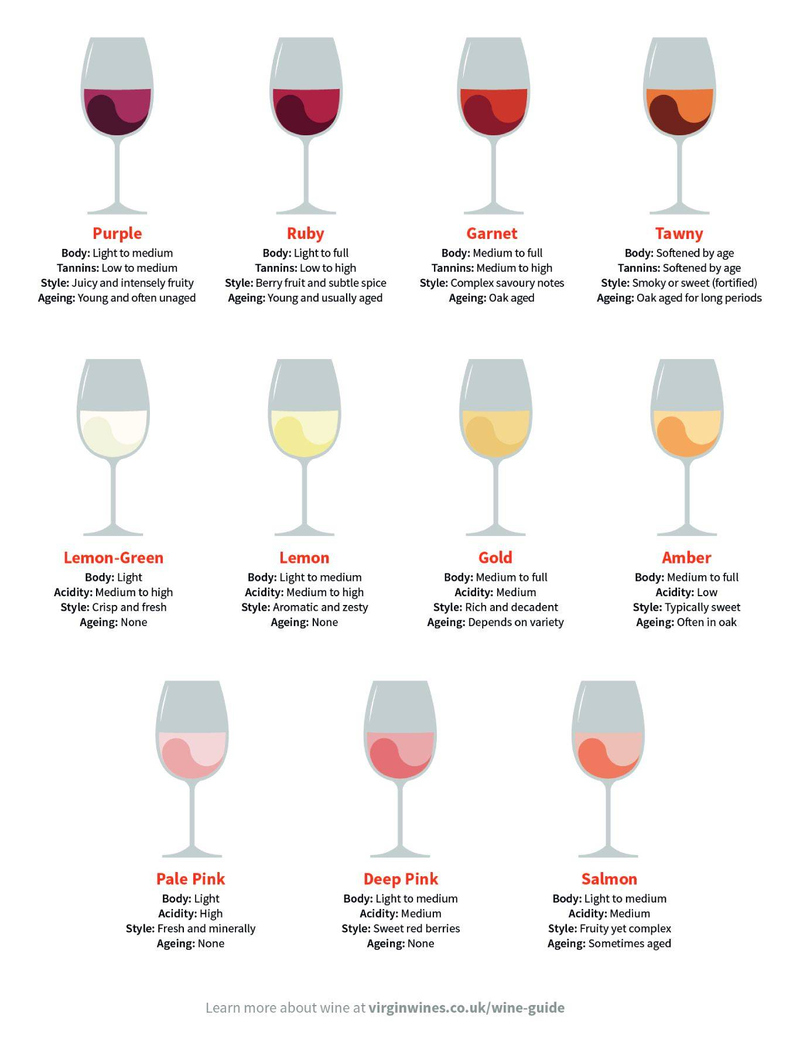
Red wine can range from bright red, ruby red and purple-red to brick red. Red wine usually tastes stronger as its color becomes deeper.
Light red wines such as Pinot Noir and Gamay often have bright colors and are described as having a beautiful ruby-red hue.
Medium-bodied red wines made from Grenache and Merlot often display garnet-red or dark-red tones.
Full-bodied, powerful wines made from Cabernet Sauvignon and Syrah have a stronger structure. Their colors are often described as deep red with purple reflections.
As red wine ages, its color gradually fades, turns brick-red and becomes more transparent over time.
- White wine color
White wine can be more difficult to identify by appearance. However, like red wine, white wine tends to taste richer as its color becomes deeper. White wine color can range from pale yellow, greenish-yellow and golden yellow to copper and amber.
White wines with paler colors and lighter body are often made from Riesling, Sauvignon Blanc and Pinot Grigio.
Wines made from Chardonnay or Chenin Blanc often have an attractive golden or straw-yellow color.
As white wine ages, its color often becomes duller and shifts toward amber yellow or light brown.
- Rosé wine color
Like red and white wine, rosé wine also has its own color spectrum. Rosé wine is often described in shades of pale pink, peach-pink or salmon, and deep pink. Grape varieties such as Pinot Noir and Grenache often create pale rosé wines through direct pressing or short maceration. Syrah can produce rosé wines with a peach-pink hue.
>>> Discover important information revealed by wine color through the video here.
3. Factors that influence wine color
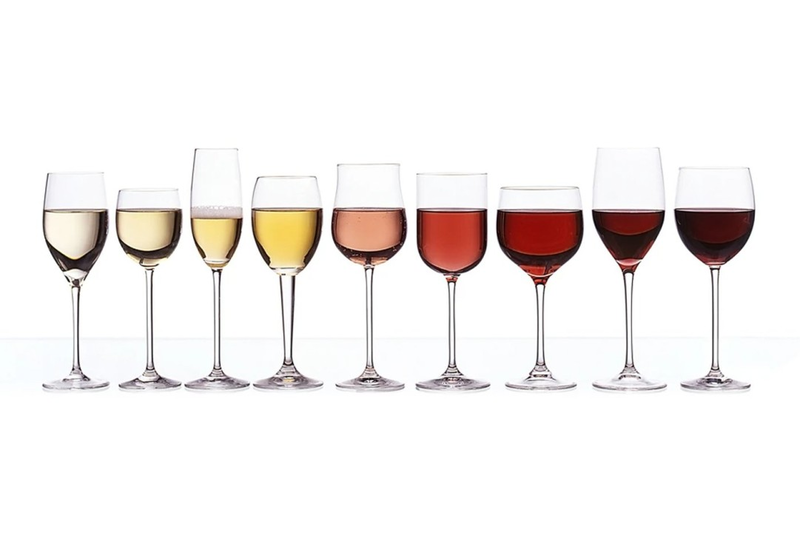
Every type of wine, from deep red to bright white, has a distinctive color thanks to a combination of natural factors and production techniques. Wine’s characteristic color is mainly created by the following elements:
- Natural pigments in grape skins:
– Anthocyanins: These are the main pigments in red grape skins and play a decisive role in the color of red wine. Anthocyanins create shades ranging from pale red to purple and deep red, depending on pigment concentration and winemaking process. Different red grape varieties contain different levels of anthocyanins, leading to differences in wine color. For example, Cabernet Sauvignon has more anthocyanins, giving it a deeper color than Pinot Noir, which has fewer anthocyanins and produces lighter red wines.
– Flavonoids and tannins: These compounds are also found in red grape skins and affect both the color and structure of wine. Tannins, in particular, contribute to the depth and density of red wine color.
– Phenolic compounds: These also play a role in determining wine color, especially through their interaction with oxygen and environmental factors during grape processing.
- The winemaking process:
– Skin contact for red wine: In red wine production, grape skins remain in contact with the juice during fermentation. This process extracts anthocyanins from the skins into the wine, creating its distinctive color. The degree and duration of skin contact affect the depth of color. Longer contact, as in the case of Cabernet Sauvignon, produces darker wines, while shorter contact, as in the case of Pinot Noir, results in lighter-colored wines.
– Pressing and filtration for white wine: White wine production is different because producers minimize contact between the juice and grape skins. Therefore, white wine usually has a bright yellow to pale-yellow color, depending on the grape variety and production method. For example, Chardonnay can appear pale yellow or deep gold if aged in oak barrels.
– Oak barrels: White wines aged in oak barrels, such as Chardonnay, may change in color from bright yellow to deep gold or amber. Oak provides chemical compounds such as tannins and lignin, which can influence wine color.
- Aging methods:
– Aging in wooden barrels: Wine can change color as it ages, especially when aged in oak barrels. Red wines such as Cabernet Sauvignon or Merlot gradually shift from bright red to brown or brick-red as they mature in wood. Oxidation in wooden barrels also affects the color of white wine, causing it to become deep gold or amber if aged for a long time in oak.
– Oxidation: Oxidation also affects wine color over time. During aging, especially when wine comes into contact with oxygen, phenolic compounds and anthocyanins change, leading to a shift in color. This explains why red wine turns brown or brick-red after long-term aging.
- The influence of grape variety:
Each grape variety has distinct color characteristics that strongly influence wine color. Factors such as grape skin thickness, pigment concentration in the skin and grape ripeness all determine the final color of the wine. Some varieties, such as Pinot Noir, have thin skins and fewer pigments, leading to a lighter color, while other varieties such as Cabernet Sauvignon have thicker skins and more pigments, creating darker wines.
- Climate and growing conditions:
The climate where grapes are grown also affects wine color. In warm climates, grapes often develop thicker skins and contain more pigments, producing darker wines. In contrast, grapes grown in cooler climates usually create wines with more delicate colors.
Final thoughts,
Although grape juice plays an important role in creating wine color, winemaking is a complex series of steps in which the color of wine depends not only on grape variety, but also on many other factors. Therefore, wine color is the result of a combination of nature and the art of winemaking. Recognizing wine color helps drinkers choose a bottle that better matches their taste and expectations.