


 Tiếng Việt
What should you eat with wine? Enjoying a good glass of wine is not only about its refined flavor, but also about how harmoniously it pairs with food. When matched properly, wine and food elevate each other, creating a rich and memorable culinary experience. So the question is, “What should you eat with wine?” This article is a comprehensive guide to help you understand and confidently pair each type of wine with food.
1. Principles of pairing wine with food
To answer the question “What should you eat with wine?“, we first need to understand the basic principles to follow when pairing wine with food. Hedon WineHub will introduce 3 principles that we believe are the most important.
1.1. The principle of flavor balance
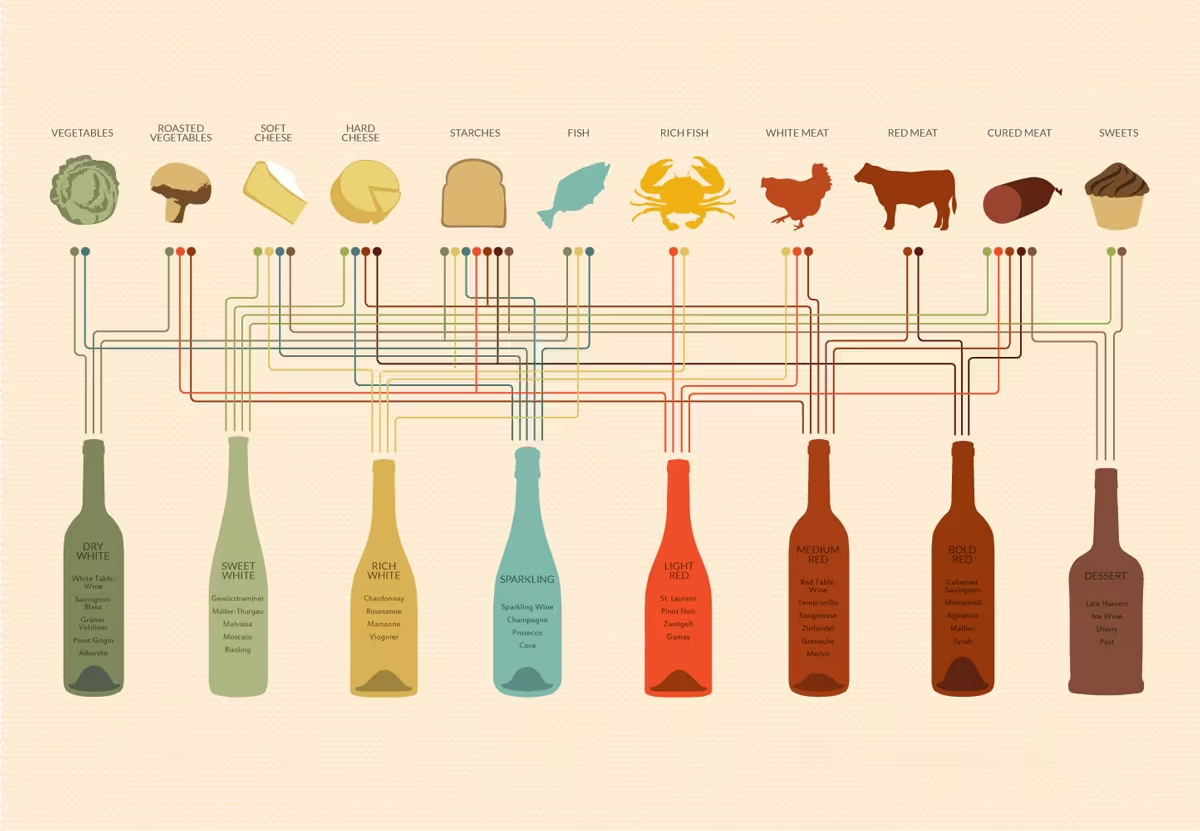
To determine what to eat with wine, you first need to understand a few basic principles. The first is flavor balance. Like a symphony, the flavors in food and wine should blend together without overpowering one another. This means that a richly flavored dish should be paired with a wine of similar structure. For example, a powerful red wine will pair well with a richly seasoned grilled beef dish, while a crisp white wine is a wonderful choice for a light salad.
1.2. The principle of matching intensity
The second principle is to match the intensity of the food and the drink. Wine has many levels of intensity, from light and refreshing to powerful and full-bodied. Similarly, every dish has its own level of intensity. A general rule is to pair wine with food of a similar intensity. A delicate steamed fish dish will be ideal with a light white wine such as Sauvignon Blanc, while a rich lamb stew will need a well-structured red wine such as Syrah or Cabernet Sauvignon.
1.3. The principle of contrast and flavor complement
Finally, contrast and flavor complement should not be overlooked. Sometimes, contrast creates fascinating experiences. For example, the sweetness of a dessert wine can perfectly balance the heat of spicy Asian dishes. On the other hand, complementary flavors can also create wonderful harmony. A Pinot Gris with notes of honey, lychee, tropical fruit and refreshing sweetness will be a beautiful choice to pair with fresh shrimp and pork spring rolls.
2. Analyzing the interaction between food flavors and wine
Understanding how basic flavors in food interact with wine will help you make smarter pairing choices. Acidity in food can make the fruit notes in wine feel more vivid and intense, while making the wine’s acidity seem softer. Sweetness in food requires wine with an equal or higher level of sweetness, otherwise the wine may taste sour or bitter. Saltiness in food can add body to the wine and soften tannins, bitterness and acidity. Conversely, bitterness in food can intensify the bitterness in wine, especially in high-tannin red wines.
3. What to eat with wine – Suggestions from Hedon WineHub
3.1. What should you eat with red wine?
Red wine, with its alluring color and diverse flavors, is an essential part of the culinary world. Popular red grape varieties such as Cabernet Sauvignon often deliver powerful notes of blackcurrant, cedar and firm tannins, making them highly suitable for red meat dishes such as steak or grilled lamb. Merlot is softer, with flavors of plum, black cherry and a hint of chocolate, ideal for richly flavored poultry or veal dishes. Pinot Noir, with delicate aromas of red berries, mushrooms and earth, is a wonderful choice for mushroom-based dishes, white poultry or fatty fish such as salmon.
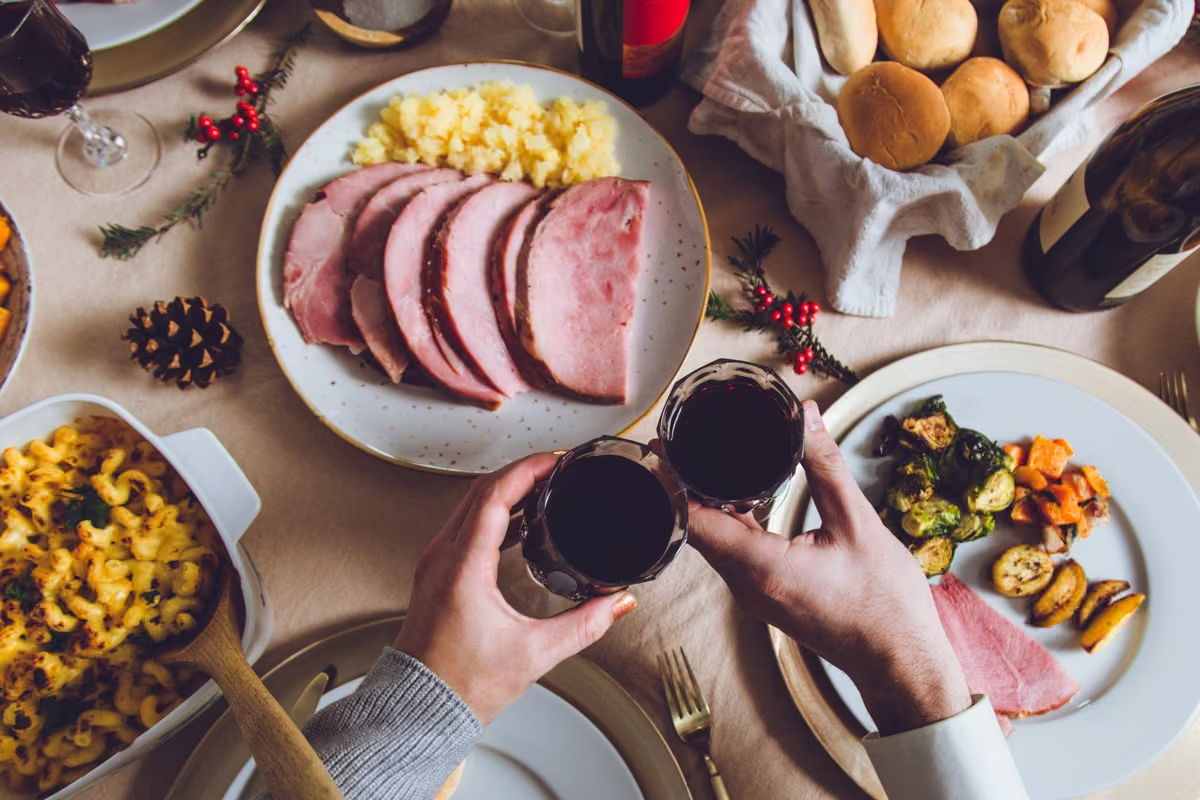
When it comes to Vietnamese cuisine, several dishes also pair beautifully with red wine. Full-structured red wines such as Cabernet Sauvignon, Merlot, Cabernet Franc, Syrah and Grenache are often safe choices for richly seasoned Vietnamese dishes. Their depth and layered flavors allow them to harmonize with the complex textures of the cuisine. For example, bò lúc lắc, with its well-marinated and richly stir-fried beef, can pair beautifully with a deep Cabernet Sauvignon. Gà xé phay, with its refreshing acidity, can be paired with Cabernet Franc, while aromatic roasted duck is excellent with Merlot or Syrah.
For a clearer overview, you can refer to the pairing suggestions below:
| Red wine type | Suitable Vietnamese dishes | Brief explanation |
| Cabernet Sauvignon | Bò lúc lắc, bún chả | Powerful tannins and bold structure can balance the richness of meat. |
| Syrah | Roasted duck, pepper-braised beef | Spicy notes and full structure pair perfectly with richly flavored dishes. |
| Merlot | Steamed veal with lemongrass | Soft flavors and lively black fruit notes make the meat taste sweeter and more tender. |
| Cabernet Franc | Gà xé phay, grilled goat | Medium-bodied structure and refreshing acidity work beautifully with mixed salads and grilled dishes. |
| Grenache (Garnacha) | Bánh mì, bánh cuốn | Ripe fruit flavors and gentle spice can harmonize with dishes that are not too intense. |
3.2. What should you eat with white wine?
White wine stands out for its freshness, elegance and diverse aromas, ranging from fresh fruit and flowers to mineral notes. Sauvignon Blanc often shows flavors of passion fruit, grapefruit and a touch of green grass, making it highly suitable for salads, fresh seafood or lightly tangy dishes. Chardonnay comes in many styles, from fresh and mineral-driven, as in Chablis, to rich and creamy with vanilla and butter notes when aged in oak barrels, making it suitable for poultry, white fish or dishes with cream-based sauces. Riesling, with high acidity and signature aromas of green apple, apricot and sometimes a hint of minerality, is a wonderful choice for spicy, sweet or Asian dishes.
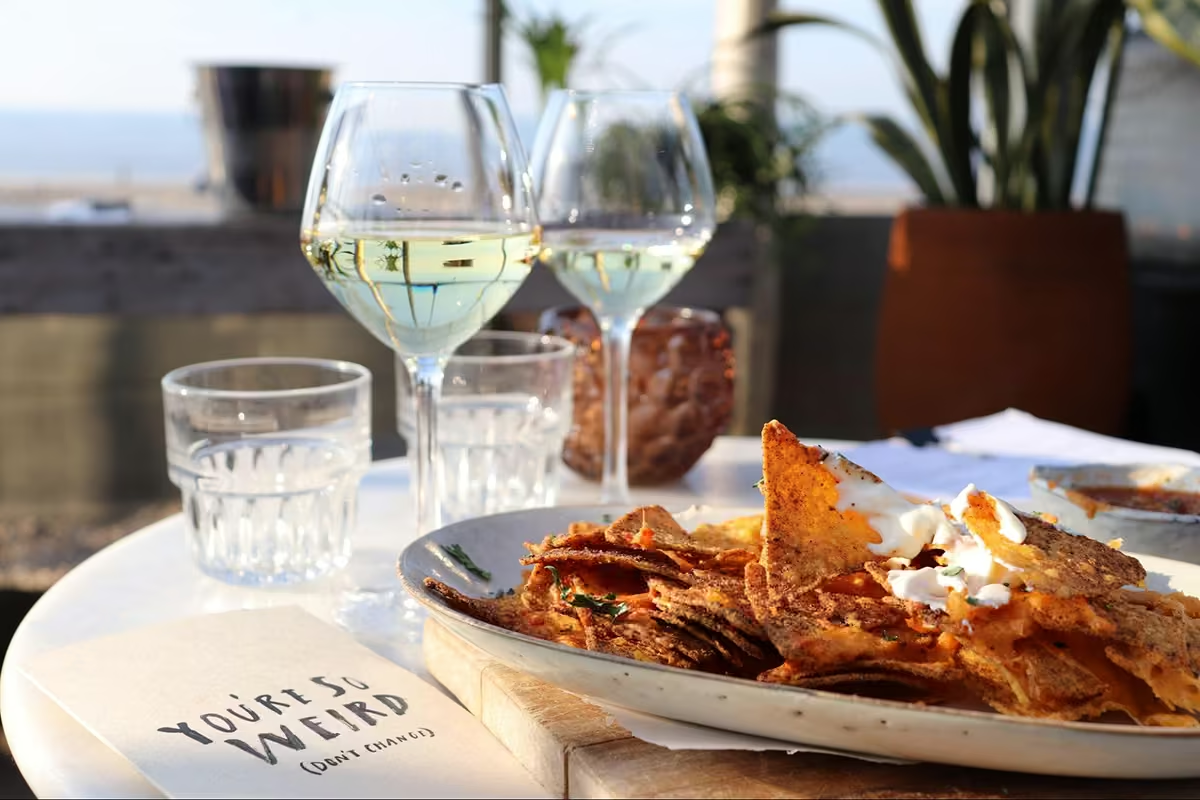
In Vietnamese cuisine, white wine shows remarkable versatility. High-acid white wines such as Riesling, Sauvignon Blanc, Albariño and Grüner Veltliner are especially well suited to the fresh, herb-rich flavors of Vietnamese dishes. Fresh shrimp and pork spring rolls become even more appealing when paired with a glass of Riesling or Sauvignon Blanc. Crispy bánh xèo can be balanced beautifully by an Italian sparkling wine such as Prosecco or a French Crémant. Seafood dishes such as Chả Cá Thăng Long are also ideal with Champagne or Chenin Blanc from the Loire Valley.
Below are some suggestions for pairing white wine with Vietnamese food:
| White wine type | Suitable Vietnamese dishes | Brief explanation |
| Riesling (dry or off-dry) | Shrimp and pork spring rolls, bánh xèo, fried spring rolls | High acidity and fresh fruit aromas balance sweetness, spice and richness. |
| Sauvignon Blanc | Spring rolls, salads, seafood, sour soup, fresh oysters | High acidity and fresh herbal aromas highlight the freshness of the dish. |
| Albariño | Vietnamese salads, steamed squid, raw shrimp salad | Refreshing acidity and minerality, with citrus notes, add brightness to the dish. |
| Grüner Veltliner | Grilled fish, salt-roasted shrimp, butter-fried squid | Sharp acidity and unique white pepper notes create balance and complexity for grilled or roasted dishes. |
| Unoaked Chardonnay | Chả cá, raw shrimp salad, herring salad, steamed crab | High acidity, minerality and fresh green apple flavors cleanse the palate and enhance delicate seafood flavors. |
3.3. What should you eat with rosé wine?
Rosé wine, with its charming color and fresh red fruit flavors, is an extremely flexible choice for food pairing. From dry Provence-style rosé to sweeter styles, rosé wine can match many different dishes. It is especially suitable for Mediterranean cuisine, grilled seafood, poultry or lightly spicy dishes.
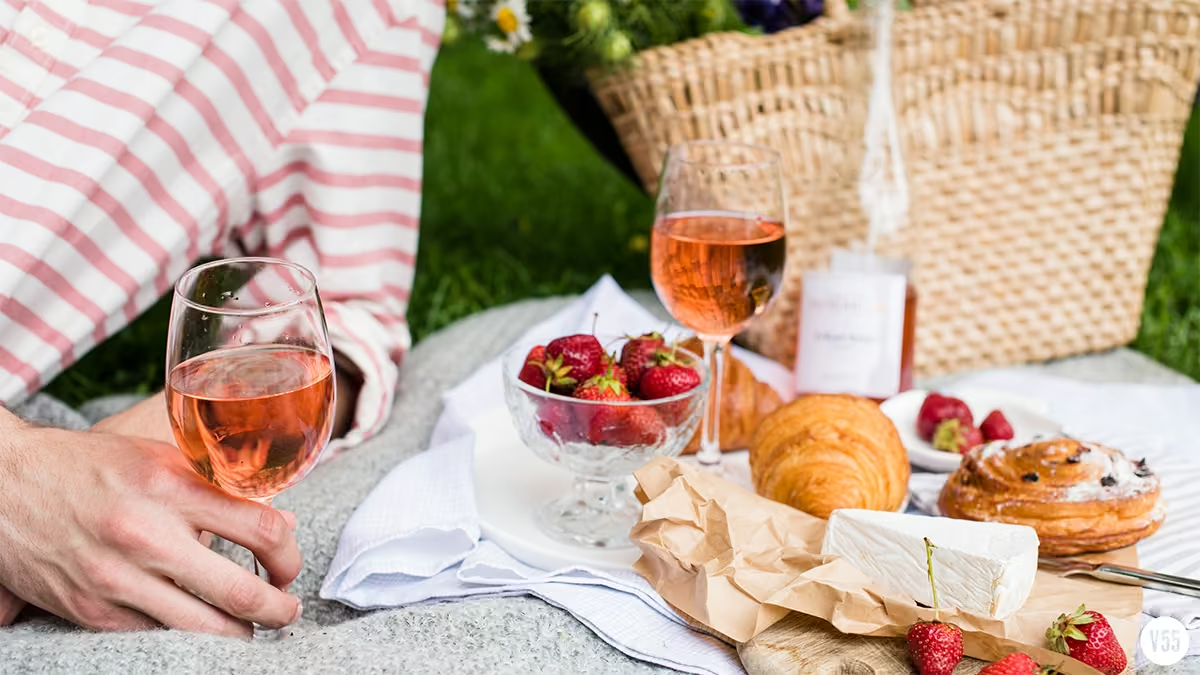
In Vietnamese cuisine, rosé wine also proves its versatility. Dry rosés with good acidity are often excellent with Vietnamese salads, nộm and fresh rolls. Crispy bánh xèo becomes even more interesting when paired with a dry rosé that has floral notes and refreshing acidity. Bún chả, with aromatic grilled pork and sweet-sour dipping sauce, is also a strong candidate for rosé wine. Even a glass of sparkling rosé can be a wonderful choice for many different Vietnamese dishes.
| Rosé wine type | Suitable Vietnamese dishes | Brief explanation |
| Dry rosé (Provence style) | Bún chả, spring rolls, steamed fish, grilled seafood | Fresh red fruit flavors and good acidity balance the richness and sweet-sour character of the dish. |
| Sparkling Rosé | Fried spring rolls, bánh xèo, shrimp fritters, deep-fried dishes | Refreshing bubbles and fresh fruit flavors cleanse the palate, reduce greasiness and add excitement. |
| Full-bodied rosé (Rhône style) | Bò lúc lắc, grilled fish, fried spring rolls | Riper fruit flavors can stand up to the intensity of beef dishes and grilled foods. |
3.4. What should you eat with sparkling wine?
Sparkling wine, with its shimmering bubbles and joyful flavors, is always a top choice for special occasions. Champagne, Prosecco, Cava and other sparkling wines can all add excitement to a meal. They often pair very well with appetizers, seafood, fried foods and desserts.
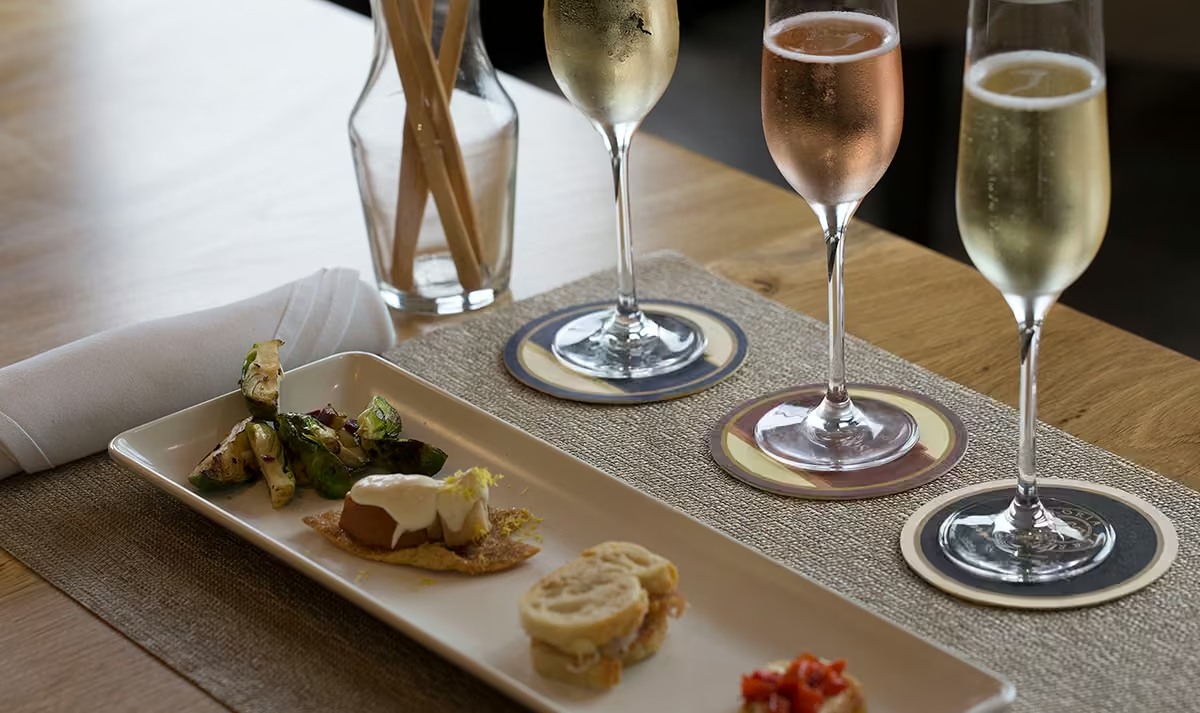
In Vietnamese cuisine, sparkling wine also creates some surprising pairings. The high acidity and bubbles of dry sparkling wine can cut through the richness of fried dishes such as nem rán. Crispy bánh xèo is also ideal with a glass of Prosecco. Even a glass of dry sparkling wine can bring freshness and balance to traditional beef pho.
| Sparkling wine type | Suitable Vietnamese dishes | Brief explanation |
| Prosecco | Bánh xèo, fried spring rolls, spring rolls, bánh gối | Gentle bubbles and fresh fruit flavors balance crisp texture and savory richness. |
| Champagne (Brut) | Chả Cá Thăng Long, fried spring rolls, bánh xèo, shrimp fritters | High acidity and complex flavors highlight delicate seafood notes and balance fried richness. |
| Cava | Fried shrimp, clay-pot roasted chicken, grilled oysters with scallion oil | Good acidity and mineral flavors pair well with dishes that have diverse flavor profiles. |
4. Guide to chilling wine and choosing the right glass
Serving temperature and glassware play an important role in elevating the wine tasting experience. Red wine is usually served at room temperature, around 16-18°C, while white and rosé wines should be chilled, around 8-12°C. Sparkling wine should be served colder, around 6-8°C. Serving wine at the right temperature helps its aromas and flavors express themselves at their best.
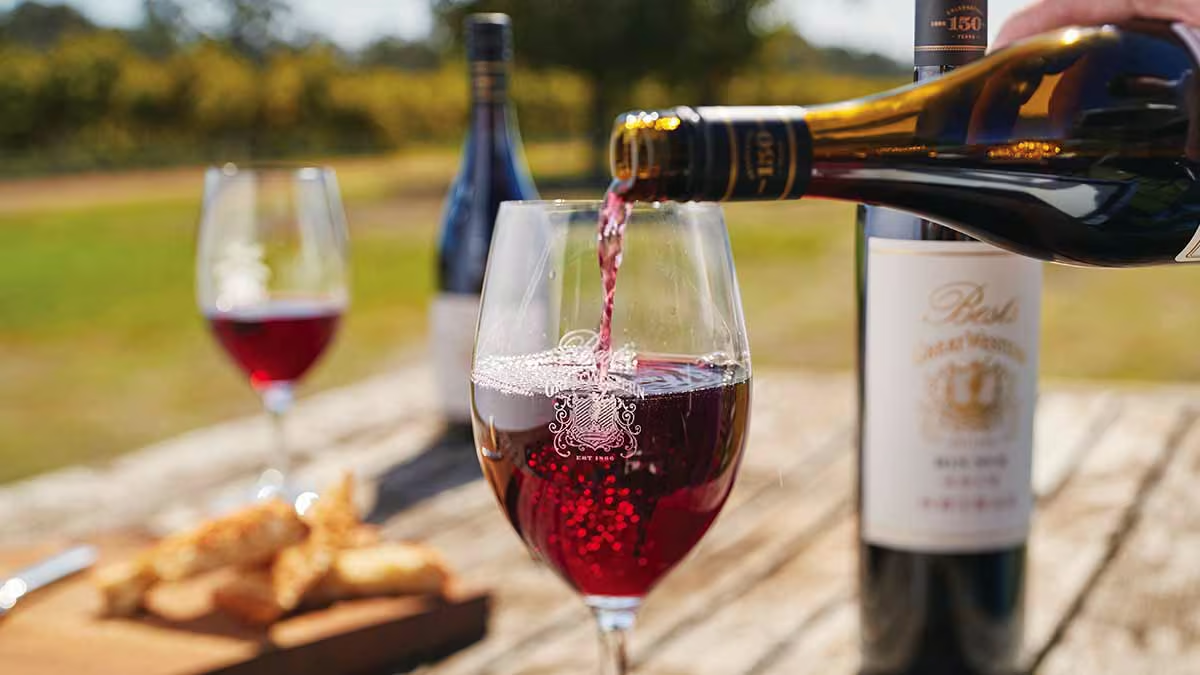
The glass also affects the tasting experience. Red wine glasses usually have larger bowls to increase the surface area exposed to air, helping the wine “breathe” and release aromas. White wine glasses usually have smaller bowls to keep the wine chilled for longer and concentrate delicate aromas. Sparkling wine glasses are often tall and slim, such as flutes, to preserve bubbles longer and highlight the beauty of the sparkling mousse.
Learn more about the authentic wine collection currently available at Hedon
Final thoughts
Pairing wine and food is a refined art that brings rich and memorable culinary experiences. By mastering the basic principles of flavor balance, intensity matching, contrast and complement, you can confidently explore and create perfect pairings of your own. Whether you love the power of red wine, the freshness of white wine, the flexibility of rosé or the crisp pleasure of sparkling wine, there is always a wonderful dish to accompany it and elevate your experience.
Remember that the suggestions in this article are only a starting point. Personal experimentation and discovery are the key to finding the wine and food pairings you love most. Hedon hopes that through this article, readers can now answer the question “What should you eat with wine?” for themselves. If you have any questions about pairing wine with food in particular, or about wine in general, do not hesitate to contact Hedon WineHub!