


 Tiếng Việt
What should you avoid eating with wine? This is a question many wine lovers, especially Vietnamese drinkers, often overlook. Choosing the wrong food pairing does not only affect flavor, but may also harm your health.
This article will explain 7 major “taboos” when drinking wine from a scientific yet easy-to-understand perspective, while also suggesting how to pair wine with Vietnamese dishes in a way that is both delicious and safe.
1. What Should You Avoid Eating with Wine?
When learning about wine, we often hear the rule “red wine with red meat, white wine with white meat”. However, what matters even more is knowing which foods and habits should absolutely be avoided. Below is a list you should keep in mind.
1.1 Chewing Gum and Toothpaste
This is probably one of the most common mistakes among beginners. Do you want fresh breath before entering a party, so you chew gum or brush your teeth thoroughly? Stop right there.
Chewing gum and toothpaste often contain mint flavoring and artificial sweeteners. Chemically, mint creates a cooling, numbing sensation on the tongue and changes the way your taste buds perceive flavor. When you drink wine right afterward, the natural fruity sweetness of the wine disappears completely, leaving only sharp acidity and unpleasant bitterness.
- Advice: If you have already brushed your teeth or chewed gum, wait at least 30 minutes, or eat a small piece of bread and drink water to reset your palate before taking your first sip of wine.
1.2 Carbonated Soft Drinks and Energy Drinks
At parties in Vietnam, mixing wine with carbonated soft drinks or drinking wine alongside beer and soda is very common. However, this habit can be harmful to the body.
Studies show that carbon dioxide, or gas, in soft drinks increases pressure inside the stomach, speeding up alcohol absorption into the bloodstream. This makes you get drunk faster and lose control sooner than if you only drink wine on its own. In addition, the high sugar content in soft drinks overwhelms the subtle flavors of wine, turning a carefully aged bottle into a flat, fermented fruit drink.
1.3 Dishes with Lots of Mint
Mint is a familiar herb in many Vietnamese salads and fresh rolls. However, the strong cooling aroma of mint essential oil is the “enemy” of most red wines.
The cooling sensation of mint clashes with the tannins in red wine, creating a harsh and unpleasant bitter finish. If your meal includes dishes with a lot of mint, your wine may become thin, flat and unbalanced.
- Solution: If you love mint-based dishes, try pairing them with high-acid white wines that share herbal notes, such as Sauvignon Blanc, or sparkling wine instead of red wine.
1.4 Durian
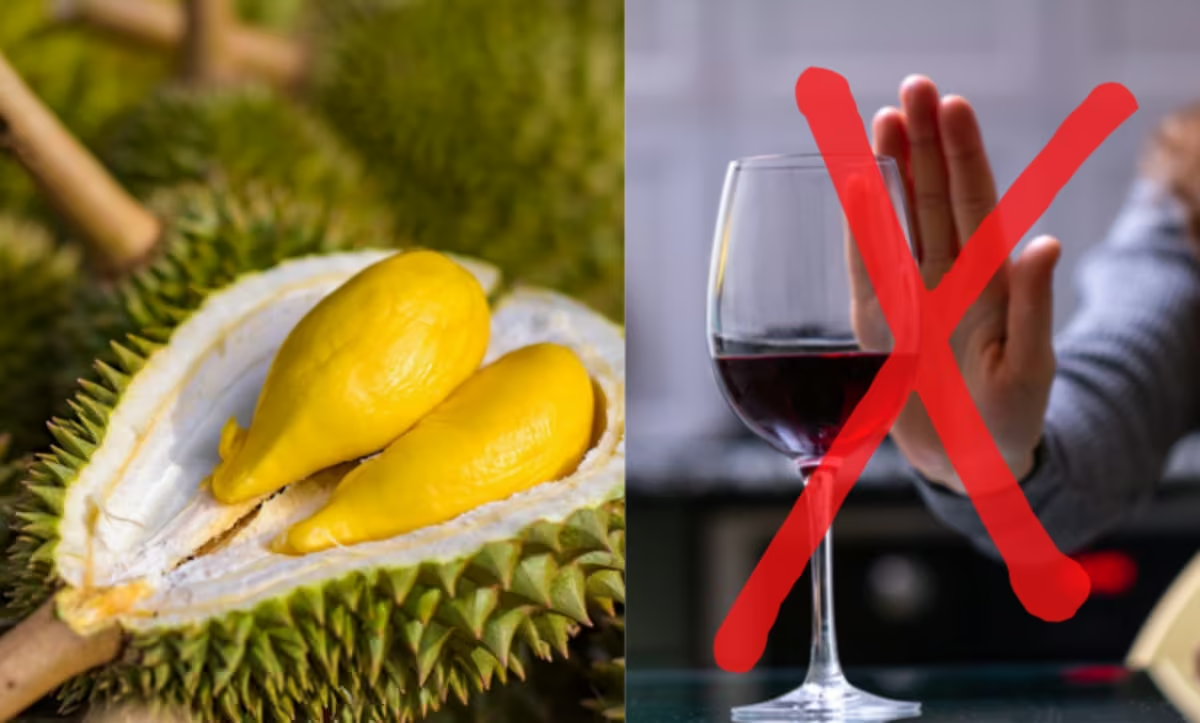
If the foods above only ruin your palate, combining durian with wine can be a direct threat to your health. This is the most important point to remember when learning what not to eat with wine.
Durian contains a high level of sulfur compounds. Scientific studies have shown that these sulfur compounds inhibit the activity of the liver enzyme ALDH, or Aldehyde Dehydrogenase. This is the enzyme responsible for breaking down alcohol toxins.
When this enzyme is “locked”, acetaldehyde from alcohol accumulates in the bloodstream instead of being eliminated. As a result, you may experience serious poisoning symptoms such as:
- Sudden rapid heartbeat
- Severe vomiting
- Facial flushing
- Low blood pressure
- Even cardiovascular collapse
Note: Absolutely do not eat durian and drink wine at the same time. Keep these two at least 4-6 hours apart.
1.5 Coffee and Caffeinated Drinks
Many people drink coffee after a wine party to “sober up” or feel more alert. This is a misconception.
Caffeine is a stimulant that makes you feel awake, while alcohol is a nervous system depressant that makes you sleepy. When combined, caffeine tricks the brain and hides the true feeling of intoxication. You may feel that you are still “fine” and continue drinking beyond what your body can handle. This greatly increases the risk of alcohol poisoning. In addition, both wine and coffee dehydrate the body, making the next morning’s headache worse.
1.6 Vinegar-Based Salad Dressing
Salad is a wonderful appetizer, but vinegar dressing is a major challenge for wine. Vinegar contains acetic acid, which has a sharp sour taste and pungent smell.
When your tongue comes into contact with vinegar, your sour taste receptors become saturated. If you then drink a sip of wine, which also has natural acidity, the wine may taste flat, lose its structure and sometimes develop a strangely cloying sweetness.
Small tip:
- Replace vinegar with lemon juice when making salad dressing, because citric acid in lemon is more wine-friendly.
- If you must eat vinegar-based salad, choose a very high-acid white wine, such as New Zealand Sauvignon Blanc, to stand up to the vinegar’s sharp acidity.
2. Common Mistakes to Avoid When Pairing Wine and Food
Beyond the “taboo” list above, wine pairing also requires subtle balance. Below are common pairing mistakes Vietnamese drinkers often make.
2.1 Seafood and Red Wine
Why do experts always recommend white wine with seafood? It is not just tradition, but chemistry.
Red wine contains more iron. When this iron meets the unsaturated fatty acids in seafood, especially raw fish, oysters and shrimp, it can trigger oxidation right in your mouth. The result is a strong metallic fishy smell, similar to rusty iron, that ruins the freshness of seafood completely.
Moreover, tannins in red wine become bitter and dry when they meet the salty taste of the sea.
- Exception: If you really want to drink red wine with fish, choose meatier fish such as grilled salmon or tuna, and pair them with a light, low-tannin red wine such as Pinot Noir or Gamay.
2.2 Spicy Food and High-Alcohol Wine
Vietnamese cuisine is famous for the heat of chili, pepper and satay. However, pairing spicy food with a full-bodied red wine above 14% alcohol is a mistake.
Alcohol acts like a solvent for capsaicin, the compound responsible for chili heat, making the spicy sensation spread across the mouth and feel more burning than ever. In return, spiciness also makes wine tannins taste more bitter and exposes harsh alcohol aromas.
- Suggestion: With Thai dishes, spicy hotpot or chili-rich Vietnamese dishes, choose chilled sweet white wines such as Riesling or Gewürztraminer. The sweetness coats the tongue and soothes the heat, helping you enjoy the food more fully.
2.3 Dark Chocolate and Dry Tannic Red Wine
It may sound romantic, but dark chocolate and dry red wine, such as Cabernet Sauvignon, often do not pair well. Dark chocolate has its own bitterness and tannins. When combined with wine tannins, the bitterness intensifies and becomes too harsh. In addition, cocoa butter coats the tongue, preventing you from fully sensing the wine’s flavor.
- Solution: Choose a wine that is sweeter than the dessert. Fortified wines such as Port or Banyuls are perfect companions for chocolate.
>> If you often drink wine with Vietnamese dishes, explore more articles in the wine and food pairing category or watch pairing ideas from the Ăn Ta Uống Tây series here!
Final Thoughts,
Understanding what not to eat with wine is not about forcing yourself into rigid rules. It is about protecting your health and creating the most enjoyable dining experience possible.
Remember these 3 core principles:
- Safety comes first: Stay away from durian when drinking wine.
- Balance your palate: Avoid pairing sharp acidity, such as vinegar, or intense heat, such as chili, with bold and tannic red wines.
- Respect cultural harmony: With flavorful Vietnamese dishes rich in fish sauce, rosé or aromatic fruity white wine is often a safer and more exciting choice than red wine.
Wine is an unlimited journey of discovery. Hopefully, this article has equipped you with enough knowledge to confidently open your favorite bottle and enjoy a meal with loved ones without making unfortunate mistakes. Wishing you wonderful wine experiences.