


 Tiếng Việt
Pairing cheese with wine is an art of enjoyment deeply rooted in European culinary culture. This article will guide you through 10 of the finest cheese and wine pairings, explain why they work so beautifully together, and share the golden principles that will help you confidently begin this fascinating journey of taste. A detailed guide for beginners to elevate the culinary experience.
1. Why should cheese be paired with wine?
Behind this classic pairing are compelling reasons based on the remarkable interaction between taste science and texture. Below are the reasons why pairing cheese with wine has become such an elevated choice.
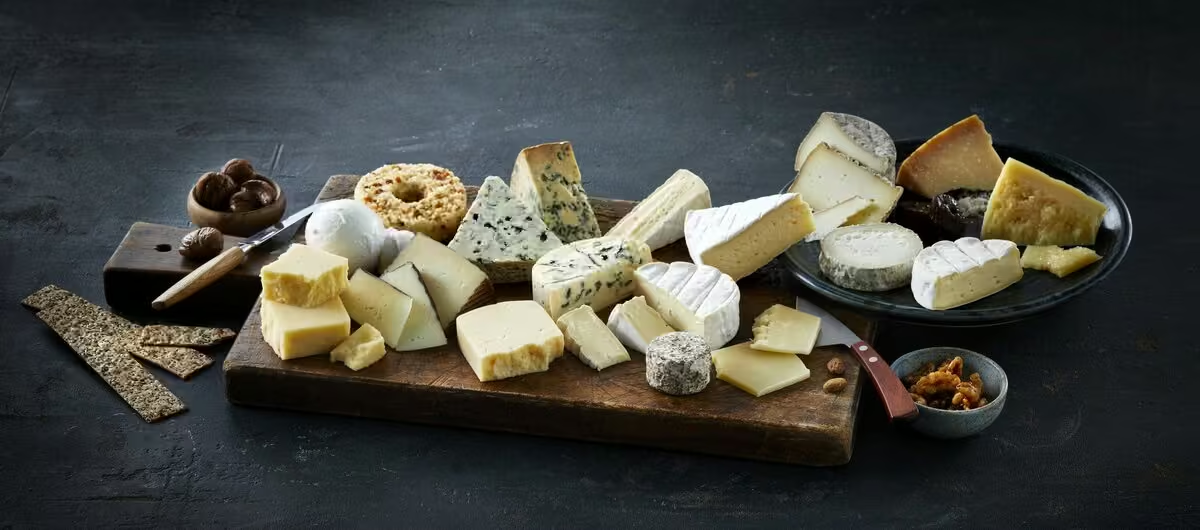
1.1 Cheese and wine create flavor balance
The main reason lies in the interaction between the fat in cheese and the tannins in red wine. Tannins create a dry, astringent sensation in the mouth, which can sometimes feel harsh to beginners. The fat and protein in cheese, especially in firm and aged varieties, act as a “buffer”, coating the tannins and making them feel softer. In return, the astringency and acidity of wine help “cut through” the richness of cheese, cleansing the palate and preventing heaviness. This balance makes every sip of wine and bite of cheese feel harmonious and pleasant.
1.2 Enjoying cheese with wine reduces mouth dryness
The dry-mouth sensation caused by tannins occurs because they bind with the lubricating proteins in saliva. Instead of waiting for the body to produce more saliva, a bite of cheese solves the problem almost immediately. The fat and protein in cheese provide an alternative “target” for tannins, releasing the proteins in the mouth and significantly reducing the rough, dry sensation.
1.3 Wine and cheese provide many nutrients
When enjoyed in moderation, this pairing can also offer health benefits. Cheese is an abundant source of protein, calcium, and vitamins A and B12. Red wine contains the antioxidant resveratrol, which may support cardiovascular health when consumed moderately. However, it is important to emphasize that excessive alcohol consumption is harmful to health, so wine should be enjoyed responsibly to optimize its potential benefits.
1.4 A wonderful culinary and cultural journey
Beyond science, enjoying cheese with wine is a cultural experience, especially popular at Western-style gatherings. Exploring different pairings is an exciting journey for the palate. In particular, the principle of “what grows together, goes together” suggests that combining products from the same region often creates harmony in both flavor and regional spirit.
2. 10 cheese and wine pairings that truly hit the right note
Below are 10 cheese and wine pairing suggestions that are both tasteful and easy to apply, ranging from classic duos to delightfully unexpected choices.
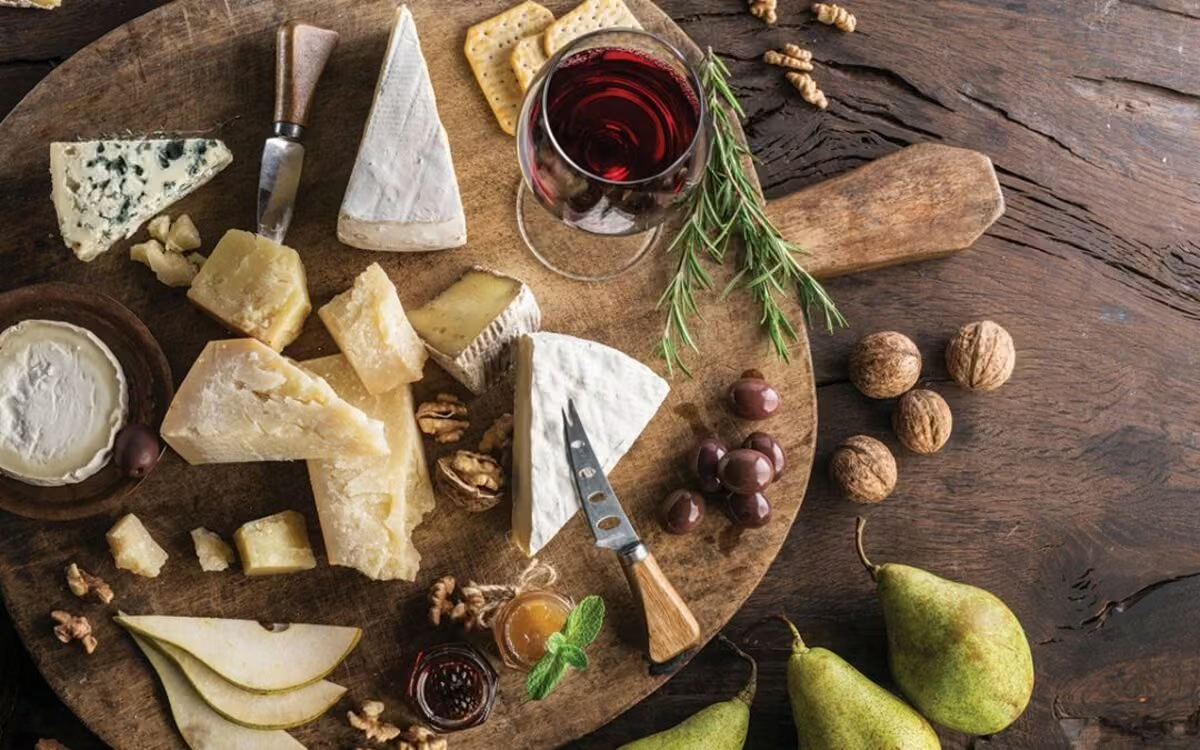
2.1 Pinot Noir and Gruyère cheese
- Pinot Noir: An elegant red wine with soft tannins, high acidity, and notes of cherry and strawberry.
- Gruyère: A firm Swiss cheese with gentle sweetness, creamy richness, and nutty aromas.
- Why it works: Both Pinot Noir and Gruyère are refined and complex without being overly powerful. The wine’s bright acidity and fruit notes beautifully complement the cheese’s richness and nutty character without overwhelming it, creating a perfect balance on the palate.
2.2 Long-aged Port and Blue Stilton cheese
- Port: A sweet fortified wine from Portugal, with notes of caramel, nuts, and dried fruit.
- Blue Stilton: The “King of English Blue Cheese”, known for its bold, salty, and piquant character.
- Why it works: This pairing follows the principle of contrast: “sweet versus salty and intense”. The rich sweetness and full structure of Port directly balance the saltiness and pungency of Stilton. This contrast creates an explosion of flavor: the wine’s sweetness softens the cheese’s intensity, while the cheese’s saltiness highlights the wine’s complex aromatic layers.
2.3 Champagne and Brie cheese
- Champagne: A prestigious sparkling wine with high acidity, fine bubbles, and notes of green apple and citrus.
- Brie: The “Queen of French Cheeses”, with a soft, creamy, and indulgent center.
- Why it works: This pairing follows the principle of “textural contrast and acidity cutting through fat”. The high acidity and effervescence of Champagne act like a sharp “knife”, slicing through Brie’s creamy richness, cleansing the palate and preventing heaviness. The contrast between the cheese’s silky texture and the liveliness of the bubbles creates an exceptionally enjoyable and refreshing experience.
2.4 Moscato d’Asti and Gorgonzola cheese
- Moscato d’Asti: A lightly sweet, gently sparkling white wine from Italy, with aromas of peach and orange blossom.
- Gorgonzola: An Italian blue cheese with salty, spicy flavors and a bold aroma.
- Why it works: This pairing follows the principle of “sweetness balancing intensity”. The gentle sweetness and fresh fruit aromas of Moscato d’Asti soften the spiciness and saltiness of Gorgonzola, creating a remarkably pleasant balance. Its light sparkle also refreshes the palate, making the pairing feel bright and not overly heavy.
2.5 Tempranillo and Idiazabal cheese
- Tempranillo: Spain’s “noble” grape variety, offering notes of cherry, tobacco, and earth.
- Idiazabal: A firm sheep’s milk cheese with a lightly smoked character, buttery richness, and nutty notes.
- Why it works: This pairing follows the principle of “shared origin”. Both come from Spain and share savory, deep, and expressive flavor profiles. The earthy and tobacco notes of Tempranillo resonate beautifully with the smoky character of Idiazabal, while the wine’s tannins create an intriguing contrast with the cheese’s rich texture.
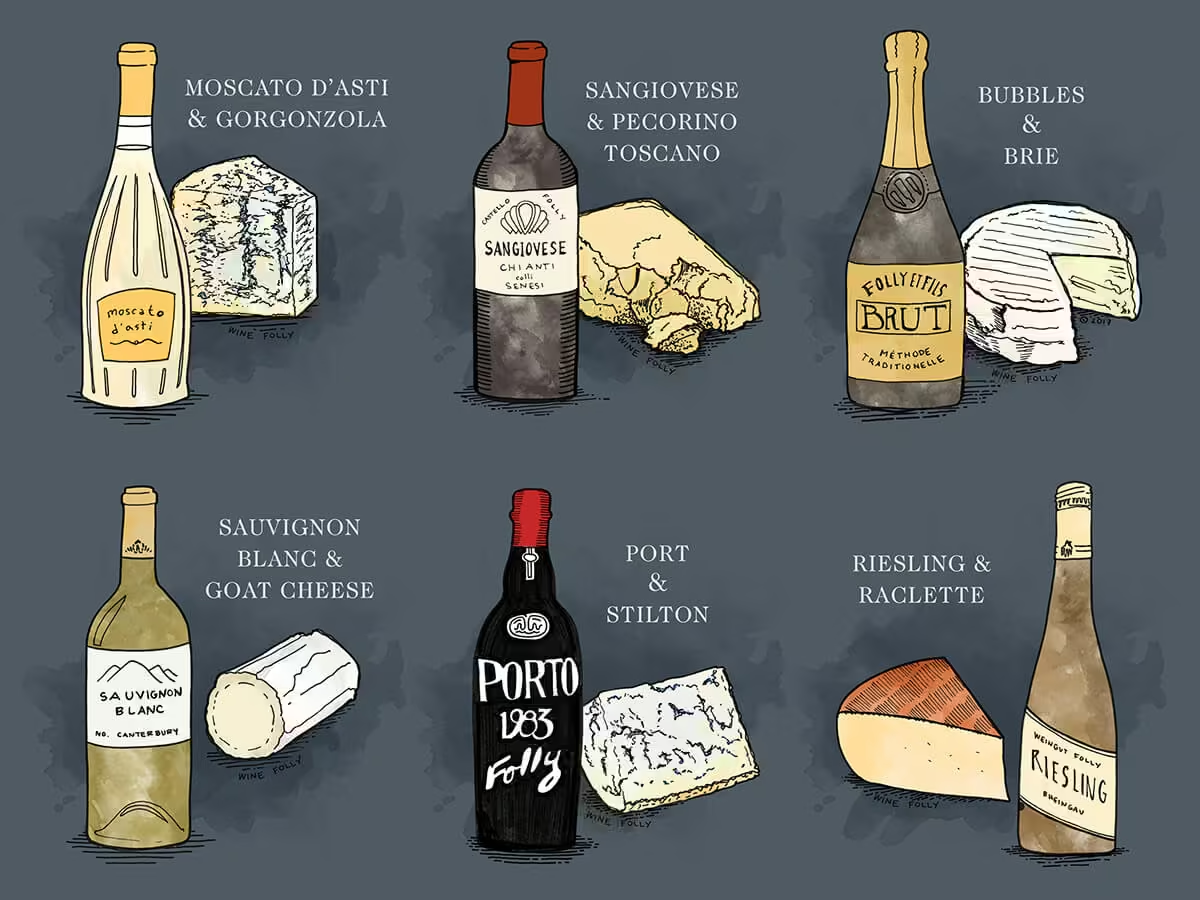
2.6 Sauvignon Blanc and goat cheese
- Sauvignon Blanc: A dry white wine with very high acidity and notes of lemon and freshly cut grass.
- Goat cheese (Chèvre): Brightly tangy, with a distinctive herbal character.
- Why it works: This pairing is based on the principles of “locality” and “flavor complementarity”. The high acidity and herbal notes of Sauvignon Blanc not only stand up to the tanginess of goat cheese but also echo and enhance its fresh, vibrant character.
2.7 Cabernet Sauvignon and aged Cheddar cheese
- Cabernet Sauvignon: The “King of red grapes”, producing full-bodied wines with high tannins and notes of blackcurrant and cedar.
- Aged Cheddar: A firm cheese with a sharp, intense, and savory flavor.
- Why it works: This pairing follows the principle of “bold intensity with bold intensity”. A deeply flavored cheese like aged Cheddar needs a wine powerful enough to match it. The high fat content in Cheddar helps soften the firm tannic structure of Cabernet Sauvignon, while the complexity of both creates a bold harmony in which neither overpowers the other.
2.8 Riesling and Raclette cheese
- Riesling: A German white wine with extremely high acidity, green apple notes, and mineral character.
- Raclette: A semi-soft Swiss cheese, famous when melted, rich, creamy, and aromatic.
- Why it works: This is a clear expression of the principle “acidity cuts through fat”. Riesling’s high acidity is the perfect counterbalance to the rich, indulgent flavor of melted Raclette. Its sharp freshness cleanses the palate, prevents heaviness, and refreshes the taste buds, allowing you to enjoy the meal to the fullest.
2.9 Chianti Classico and Pecorino Toscano cheese
- Chianti Classico: An icon of Tuscany, Italy, with high acidity and notes of red cherry and herbs.
- Pecorino Toscano: A firm sheep’s milk cheese with a salty and full-bodied flavor.
- Why it works: This follows the golden “same region” principle from Tuscany, where the flavors seem made for each other. The firm texture and saltiness of Pecorino are strong enough to stand up to Chianti’s tannins and high acidity. The wine’s herbal and earthy notes seem naturally designed to resonate with the rustic flavor of sheep’s milk cheese.
2.10 Malbec and Edam cheese
- Malbec: An Argentinian red wine with smooth tannins and flavors of plum and blueberry.
- Edam: A semi-hard Dutch cheese with a gentle, slightly sweet taste.
- Why it works: This pairing follows the principle of “complementing without overpowering”. Malbec offers rich fruit flavors with smooth tannins that do not feel overly dry. Edam is an approachable cheese, not too intense. Together, they create a harmonious and pleasant experience: the wine’s smooth fruit character is lifted by the cheese’s light, simple creaminess, making this an excellent pairing for beginners.
Final thoughts,
Enjoying cheese with wine is a journey into flavor and culture. Behind every successful pairing are principles of harmony in intensity, contrast, or shared origin.
The 10 suggestions above are only a starting point. Do not hesitate to experiment, because the most important rule in the world of taste is that no rule is absolute. The best pairing is the one you love. Start with a few simple choices, invite friends to share the experience, and create memorable culinary moments together.
What is your favorite wine and cheese pairing? Share it in the comments!