
 Tiếng Việt

Just bought a bottle of wine but not ready to drink it yet? Discover the proper way to store wine so you can preserve its flavor and value. From how to store wine at home to how to store wine after opening, Hedon will guide you step by step so your wine stays as delicious as when first opened.
1. How to Store Wine at Home Before Opening
1.1 Suitable Wine Storage Temperature

Each type of wine has its own ideal storage temperature, but in general, the best wine storage temperature should be between 10°C and 15°C, with the ideal level being 12°C. However, this is not an absolute number, so you do not need to worry too much if the temperature is slightly higher.
Even so, high temperature is wine’s number one enemy. If wine is stored at temperatures above 27°C, oxidation happens faster, causing the wine to lose its distinctive flavor. At excessively high temperatures, wine may even undergo a second fermentation, negatively affecting its quality and taste. In addition, frequent temperature fluctuations cause wine to expand and contract, damaging the cork and affecting the aging process.
On the other hand, temperatures that are too low are also not good. If wine is kept in a refrigerator for too long at below 8°C, the cork may dry out, causing the wine to lose flavor. Therefore, if you are wondering whether wine should be stored in the refrigerator, the answer is: only for a short time before serving, not as a long-term storage place.
1.2 Store Wine in the Right Place

One of the important principles of storing wine at home is choosing a quiet, cool and stable place. Avoid placing wine near heat sources such as the kitchen or heater, because high temperature can make wine age quickly and lose flavor. Strong light, especially sunlight, can also damage wine, making it lose refinement and potentially develop strange odors.
In addition, many people do not know that noise and vibration also affect the aging process of wine, making its flavor less stable. Therefore, to store wine properly at home, keep it in a cool, dark and quiet place.
1.3 Place Bottles Horizontally or Slightly Tilted
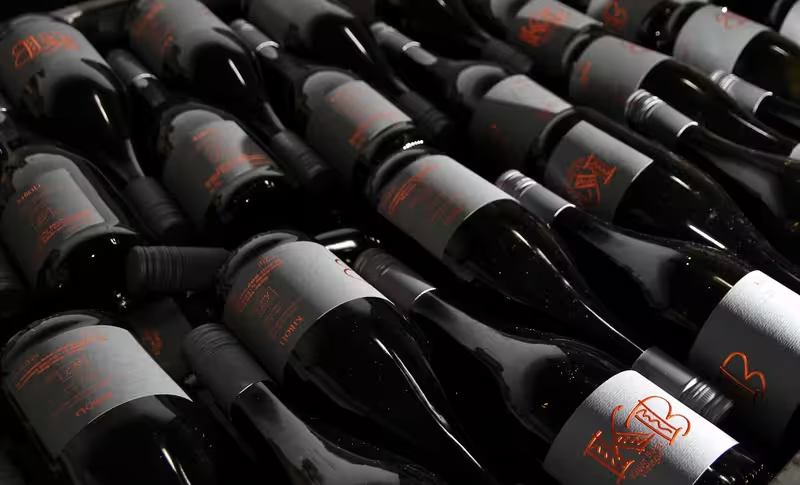
A small but extremely important tip in wine storage is to place bottles horizontally or slightly tilted, especially bottles with cork closures. This keeps the cork moist, preventing it from drying out and shrinking, which helps stop air from entering the bottle and coming into contact with the wine. This is a simple storage method with long-term effectiveness.
For screw-cap bottles, you are not required to store them horizontally, but you can still do so to save space and ensure safety during storage.
1.4 Store Wine in the Dark

Light, especially sunlight, is a major threat to wine. UV rays from the sun can break down the wine’s structure, cause early oxidation and make the wine spoil faster. This is why many producers choose colored glass bottles, like a layer of “sunglasses” to protect wine from harmful light.
Indoor lighting, such as fluorescent lights or LED lights, has less direct impact, but over time it may cause labels to fade or deteriorate. Incandescent bulbs are a safer choice than fluorescent lights, which emit a small amount of UV rays. However, the best way to store wine at home is still to place it in a completely dark space, such as a dedicated wine cabinet or wine cellar, to preserve its full flavor.
1.5 Always Pay Attention to Humidity
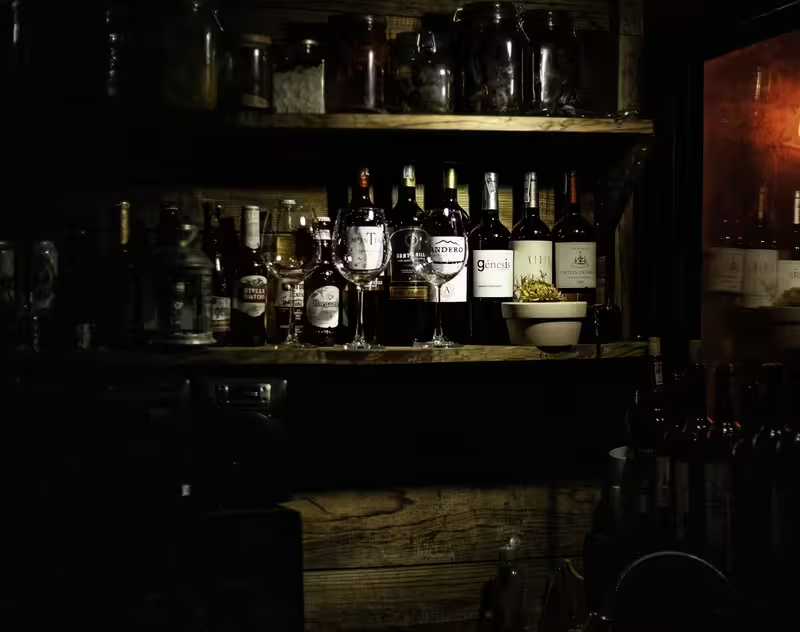
When it comes to wine storage, humidity is a factor that should not be overlooked. Humidity between 50% and 80% is considered safe. This is also why traditional wine cellars in Bordeaux or Champagne always maintain a cool, dark and humid environment – the ideal environment for wine.
If the air is too dry, the cork may shrink, dry out and crack, allowing air to enter the bottle and causing oxidation. On the other hand, if the humidity is too high, mold may develop, affecting the label and appearance, although it may not directly affect the wine if the bottle remains sealed.
To control humidity when storing wine at home, you can place a small tray of water or use a humidifier in the storage area if you store wine in a closed cabinet or dry space.
1.6 Store Wine in a Well-Ventilated Place

Not only light and temperature, but odors from the surrounding environment can also affect wine quality. If you are learning how to store wine after opening, or even before opening, pay attention to air quality and surrounding smells.
The cork of a wine bottle has a porous structure. Over time, wine can absorb air and odors from the surrounding environment. Wine “breathing” through the cork has been scientifically observed, so you should avoid placing wine near cleaning solutions, fresh paint, garlic, onions and strong-smelling foods.
Therefore, do not store wine in the kitchen, bathroom or near substances with strong odors. Instead, place wine in a well-ventilated area without strange smells to ensure its flavor does not change over time.
1.7 Wine Should Be Stored in a Quiet Place
One factor often overlooked in home wine storage is noise and vibration. Continuous vibration can disrupt the natural aging process of wine. When wine is shaken, the compounds inside cannot combine stably and develop evenly, reducing balance in flavor and structure.
Strong vibration can also change the position of the closure, causing air to leak into the bottle, which leads to oxidation and rapid decline. This makes the wine lose complexity, becoming flat and lower in quality. Therefore, to store wine effectively, choose a quiet and stable place, away from washing machines, regular refrigerators, pumps or areas with heavy traffic that may cause vibration.
2. How to Store Wine After Opening
Understanding how to store wine after opening is essential if you want to preserve flavor and quality for later enjoyment.
2.1 Store Wine in a Dedicated Wine Cabinet
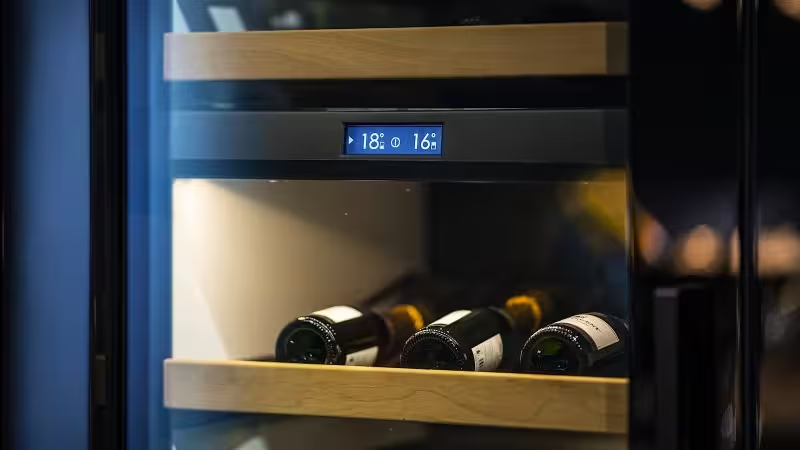
One of the best ways to store wine after opening is to use a dedicated wine cooler. This type of cabinet helps maintain the ideal wine storage temperature from 10°C to 15°C, while also keeping humidity stable, something a household refrigerator cannot guarantee.
Unlike regular household refrigerators, which can dry out corks and contain many food odors, a dedicated wine storage cabinet also helps prevent odor intrusion and reduce vibration. This is a suitable solution for storing both unopened wine and opened wine in the most optimal way.
2.2 Store Opened Wine Using the Vacuum Method
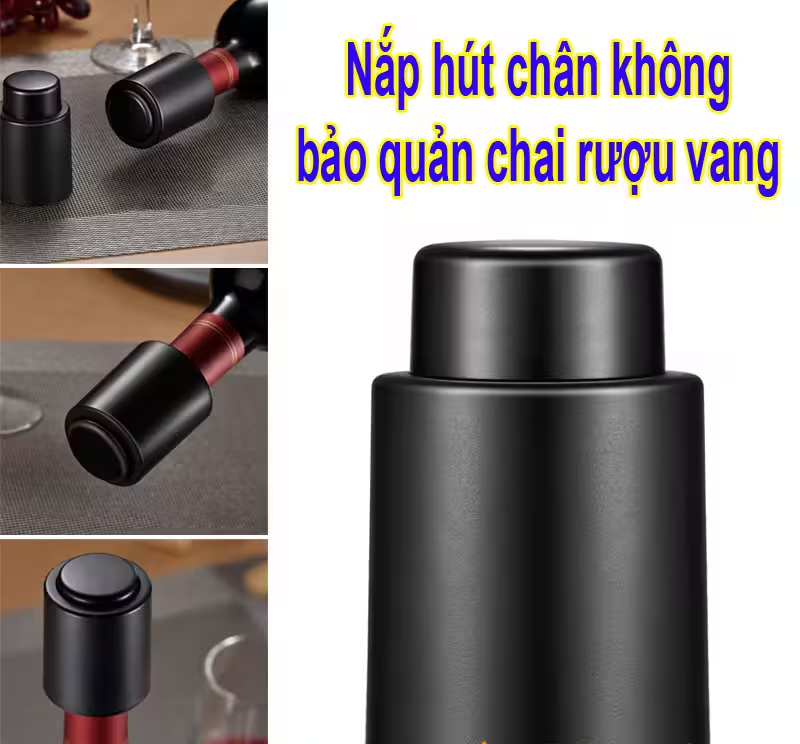
If you do not have a wine cabinet, you can choose the vacuum method, a popular way to store wine after opening. A vacuum pump helps remove most of the air inside the bottle, thereby reducing the oxidation process that damages wine.
There are many types of vacuum pumps on the market that reduce air inside the bottle by pulling it out. These pumps often come with stoppers and are simple to use: just attach the vacuum stopper to the bottle mouth, then use the pump to remove air. These kits are affordable, easy to find and easy to use at home.
However, some experts note that vacuum pumps only remove about 70% of the air, so there is still a risk of oxidation, especially with white wine. In addition, the stopper may leak after some time. Therefore, if you want to preserve opened wine for longer, you may consider more advanced solutions such as inert gas or a wine preservation system that allows pouring without opening the bottle.
2.3 Transfer Leftover Wine into Smaller Bottles
If you drink only part of a bottle and have wine left over, a simple but very effective trick is to transfer the remaining wine into a smaller bottle. This reduces the air space inside the bottle, lowering the risk of oxidation, the main reason wine spoils quickly.
This simple method helps rebalance the air-to-wine ratio inside the bottle and keeps wine fresher for longer. You can use bottles with a capacity of 150ml or 375ml, as long as the wine fills most of the bottle volume for later storage. This is a very effective and easy method to do at home, especially if you do not finish a bottle in one sitting.
2.4 Store Opened Wine with Inert Gas
A more professional method for storing wine after opening is to use inert gases such as nitrogen, argon and carbon dioxide to replace oxygen inside the bottle and create a protective layer on the wine surface. These gases do not react with wine and are heavier than oxygen, so they can create a protective layer on the liquid surface and prevent wine from contacting air.
How to do it: after pouring wine, spray inert gas into the bottle, then seal it with a dedicated stopper and place the bottle upright in the refrigerator. Thanks to this method, oxidation is significantly slowed, helping wine retain its flavor and structure longer, especially for premium red wines or delicate white wines.
2.5 Store Wine in the Refrigerator
One common question is: “Should wine be stored in the refrigerator?” The answer is yes, especially after the bottle has been opened.
For white wine, storing it in the refrigerator after opening is completely reasonable, because this wine style usually tastes better chilled and oxidizes easily if left at room temperature.
For red wine, many people may think chilling reduces flavor, because red wine is usually served at a warmer temperature. However, placing red wine in the refrigerator after opening is an effective way to slow oxidation. You can absolutely keep red wine in the refrigerator and take it out about 30 minutes before drinking to reach the ideal serving temperature.
Whether red or white wine, if properly sealed with a good stopper, you can store wine in the refrigerator for up to 5 days after opening while still keeping it fresh.
Frequently Asked Questions About Wine Storage
How long can unopened wine be stored?
Under proper home wine storage conditions, in a dark, cool, stable place with suitable humidity, most wines should be consumed within 1 to 3 years after purchase.
However, high-quality wines or wines produced for long aging can be stored for 5 to 10 years or more, especially if kept in a cellar or dedicated cabinet with an ideal wine storage temperature of 10-15°C.
How long can wine be stored after opening?
The storage time for wine after opening depends on the wine type and how you store it:
- Red wine: keeps for about 3-5 days if sealed and stored in the refrigerator.
- White wine and rosé wine: best consumed within 3-4 days after opening.
- Sparkling wine: should be consumed within 1-2 days, because bubbles are easily lost without a dedicated stopper.
Does opened wine need a special stopper?
Yes. Using a dedicated stopper is one of the most effective ways to store wine after opening. For still wine, you can use a silicone stopper or vacuum stopper to extend storage time.
For sparkling wine, use a dedicated Champagne stopper to maintain pressure and preserve bubbles longer after opening.
What are the signs that wine has gone bad?
Be cautious if you notice the following signs:
- Strange smell: such as vinegar, sourness, mold or unpleasant odors.
- Color change: white wine turns brown, red wine loses its fresh color.
- Changed flavor: sour, harshly bitter or flat taste.
These are clear signs of oxidation, which usually happens when wine is not stored properly after opening.
>>> Learn more about 3 winter wine storage mistakes to watch out for.