


 Tiếng Việt
Wine is a world full of color and flavor. For beginners, knowing how to distinguish sweet wine from dry wine is an important step toward choosing the right bottle for your taste. In this article, you will clearly understand the difference between these two popular wine styles through 5 simple and practical criteria.
1. What Is Sweet Wine?
Sweet wine is wine that contains residual sugar because fermentation is stopped before the yeast has consumed all the natural sugar in the grape juice.
Sweet wine offers a soft, rounded and sweet tasting experience. Many standard sweet wines have relatively low alcohol, usually around 9 to 10% ABV, except fortified sweet wines, because fermentation is intentionally stopped early. Sweet wine is ideal with desserts, light snacks or for sipping on its own after dinner.
Read more about sweet wine
2. What Is Dry Wine?
Dry wine, often called “vang chát” in Vietnamese, is wine in which most or all of the natural sugar in grape juice has been converted into alcohol by yeast during fermentation.
The dry sensation is perceived as the absence of obvious sweetness. In red wine, this dry and astringent feeling is also created by high tannin levels, which cause a mouth-drying and puckering sensation. Dry wines tend to have higher alcohol content, usually around 12 to 15% ABV. Because of their dry character and strong structure, dry wines are often enjoyed with main courses at parties or formal meals.

3. 5 Ways to Tell Sweet Wine from Dry Wine
Below are 5 easy and practical ways to recognize sweet wine and dry wine.
3.1 Flavor and Mouthfeel
- Dry and astringent sensation
Tannin is a natural polyphenol compound found in grape skins, seeds and stems, as well as in oak barrels. Tannin creates the distinctive dry and astringent sensation in the mouth and partly determines the color and mouthfeel of wine.
Red wines usually contain more tannin than white wines because their production involves grape skins and seeds. Tannin not only affects flavor but also acts as an antioxidant, helping increase the longevity and complexity of dry wines intended for aging. Meanwhile, sweet wines usually have lower tannin levels, because high residual sugar and high tannin can clash on the palate and make the wine feel less harmonious.
- Balanced acidity
Acidity is the backbone that gives wine freshness. In sweet wine, high acidity is essential. If a wine has concentrated sugar, such as Ice Wine or Sauternes, but lacks acidity, it will taste cloying, flat and unattractive. The combination of concentrated sugar and concentrated acidity creates complexity, helping sweet wine become more refined and balanced.
3.2 Residual Sugar Content
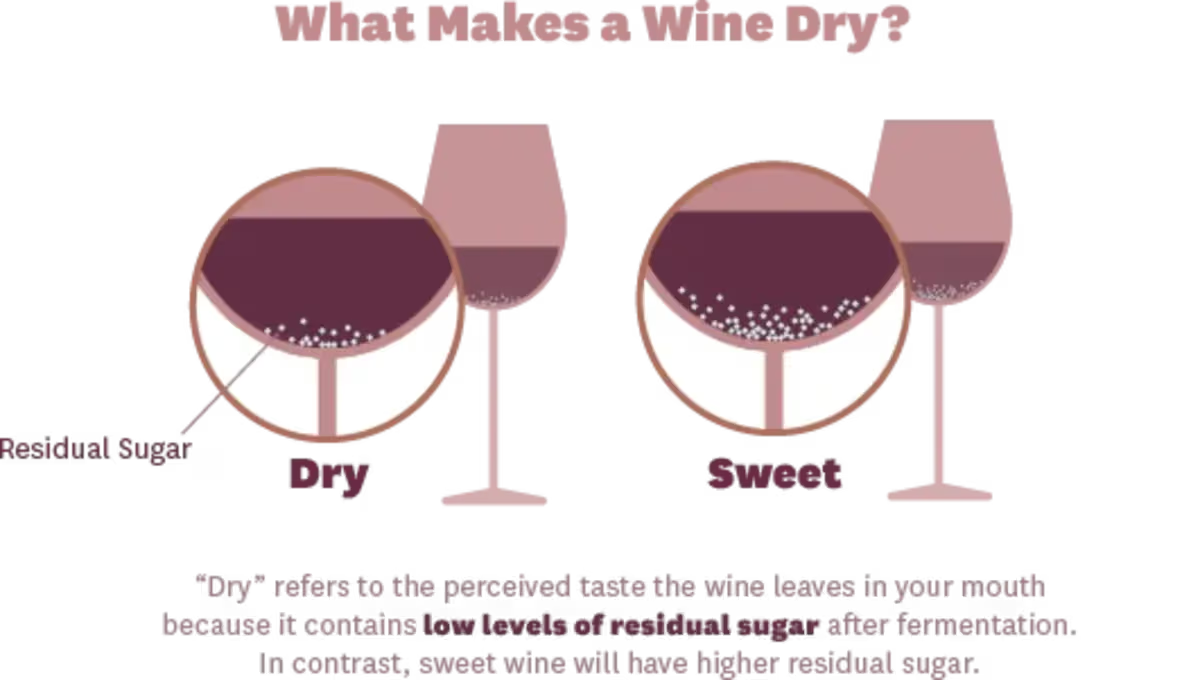
This is the most accurate criterion for distinguishing sweet wine from dry wine. Residual sugar is the natural sugar, mainly glucose and fructose, left in wine after yeast has completed its job of converting sugar into alcohol and carbon dioxide.
Residual sugar is measured in grams per liter, g/L. A simple rule of thumb is that 1% sweetness equals 10 g/L of residual sugar.
- Sweet wine: Residual sugar above 10 g/L, creating noticeable sweetness.
- Dry wine: Low residual sugar, usually below 4 g/L, with no sweet sensation.
3.3 Alcohol Content
Alcohol by Volume, or ABV, can also help you quickly recognize sweet and dry wines. Alcohol content has a direct relationship with how much sugar has been converted:
- Dry wine: Because fermentation is almost complete, dry wine usually has higher alcohol content, around 12% to 15%+.
- Standard sweet wine: Fermentation is stopped early to retain sugar, resulting in lower alcohol, around 9% to 10%.
- Fortified sweet wine: Because spirit is added, alcohol content becomes much higher, usually around 15.5% to 22%. Higher alcohol also contributes to the wine’s weight and intensity.
3.4 Common Grape Varieties Used

- Grape varieties used for dry wine
These grapes are often chosen for their ability to provide strong tannin structure in red wines or high acidity in white wines.
-
- Dry red wines: Thick-skinned grapes rich in tannin, producing deep color and strong structure. Typical examples include Cabernet Sauvignon, often called the king of red grapes, Syrah/Shiraz, famous for smooth yet powerful tannins, Merlot, Pinot Noir, Malbec and Tempranillo.
- Dry white wines: Grapes with high acidity. Typical examples include Sauvignon Blanc, known for naturally high acidity and freshness, Chardonnay, a flexible grape that may be oaked or unoaked, and Pinot Grigio.
- Grape varieties used for sweet wine
Grapes used for sweet wine need the ability to accumulate high sugar levels or retain complex flavors when concentrated.
-
- Naturally sweet wines: Riesling, versatile and famous in Germany and Alsace; Semillon, mainly used for Sauternes; Chenin Blanc from Vouvray; and Moscato, used for lightly sparkling, gently sweet wines.
- Fortified wines: Port often uses Portuguese black grape varieties such as Touriga Nacional. Sweet Sherry uses grapes such as Pedro Ximénez, PX, and Moscatel.
3.5 Production Method and Fermentation Time
The biggest difference between sweet wine and dry wine lies in how the producer controls fermentation, meaning when and how yeast activity is stopped.
- Producing dry wine
To make dry wine, the principle is to let yeast convert sugar into alcohol almost completely. This process often takes longer and continues until residual sugar is minimal.
Adding sugar before or during fermentation may be used in cool-climate regions, such as France or Germany, when grapes are not fully ripe. However, the purpose is to increase alcohol content, not sweetness. This process creates wines with higher alcohol, around 12% to 15%+, and a characteristic dry taste.
- Producing sweet wine
This method creates premium naturally sweet wines by concentrating the grapes’ natural sugar before fermentation begins.
-
- Late Harvest: Grapes are left on the vine longer after ripening, sometimes 1 to 2 months beyond the normal harvest time. The grapes lose water, concentrating both sugar and acidity inside. This creates wines with higher residual sugar and naturally higher alcohol than standard wines.
- Noble Rot – Botrytis Cinerea: This is a special phenomenon that often occurs in regions with humid mornings and dry afternoons. Botrytis cinerea attacks grape skins, causing water to evaporate, concentrating sugar and acidity, and most importantly, creating complex flavors such as honey and rich citrus. Sauternes from Bordeaux is a classic example of this technique.
- Frozen grapes, Ice Wine/Eiswein: Grapes are left on the vine until winter and harvested when frozen at around minus 7°C. When pressed while frozen, the ice is removed, leaving only highly concentrated grape juice with extremely high sugar and acidity.
- Drying grapes: Grapes are harvested, then dried on straw mats or hung up to lose water before pressing.
Another method is to actively stop yeast activity after only part of the sugar has been converted into alcohol, ensuring that sugar remains.
-
- Filtration and chilling: The producer suddenly chills the wine or filters the liquid to remove yeast, immediately stopping fermentation and preserving the desired sugar level.
- Fortification with spirit: This is a more complex method. To stop fermentation, producers add distilled spirit, often Brandy, to wine that is still fermenting. Natural yeast dies when alcohol reaches around 15% ABV. Adding spirit raises alcohol above this level, usually 17% to 22% ABV, so the yeast can no longer consume the remaining sugar.
Final Thoughts,
For beginners, do not rely completely on labels such as “Dry” or “Sweet”, because dry wine from warm climates may have ripe, intense fruit flavors that create an impression of sweetness. Instead, focus on the dry and astringent sensation from tannin and acidity, and the clear sweetness caused by residual sugar.
- Mouthfeel: Dry and astringent means dry wine; soft with a sweet finish means sweet wine.
- Alcohol content: Higher alcohol may indicate dry wine; lower alcohol is often standard sweet wine.
- Grape variety and production method: These can reveal a lot about how the wine will taste.
If you want to choose the right wine for dinner, dessert or gifting, understanding the difference between sweet wine and dry wine will make you much more confident. Taste both styles and listen to your own palate – wine is meant to be enjoyed, not memorized.
>> Learn how to read a wine label to understand the wine you are drinking.