


 Tiếng Việt
If you have ever heard the term “wine body” but still do not fully understand it, this article will help you approach the concept easily. Forget complicated flavor descriptions for a moment. Body in wine simply refers to the sense of richness, texture and weight of the wine when you taste it in your mouth.
1. What Is Body in Wine?
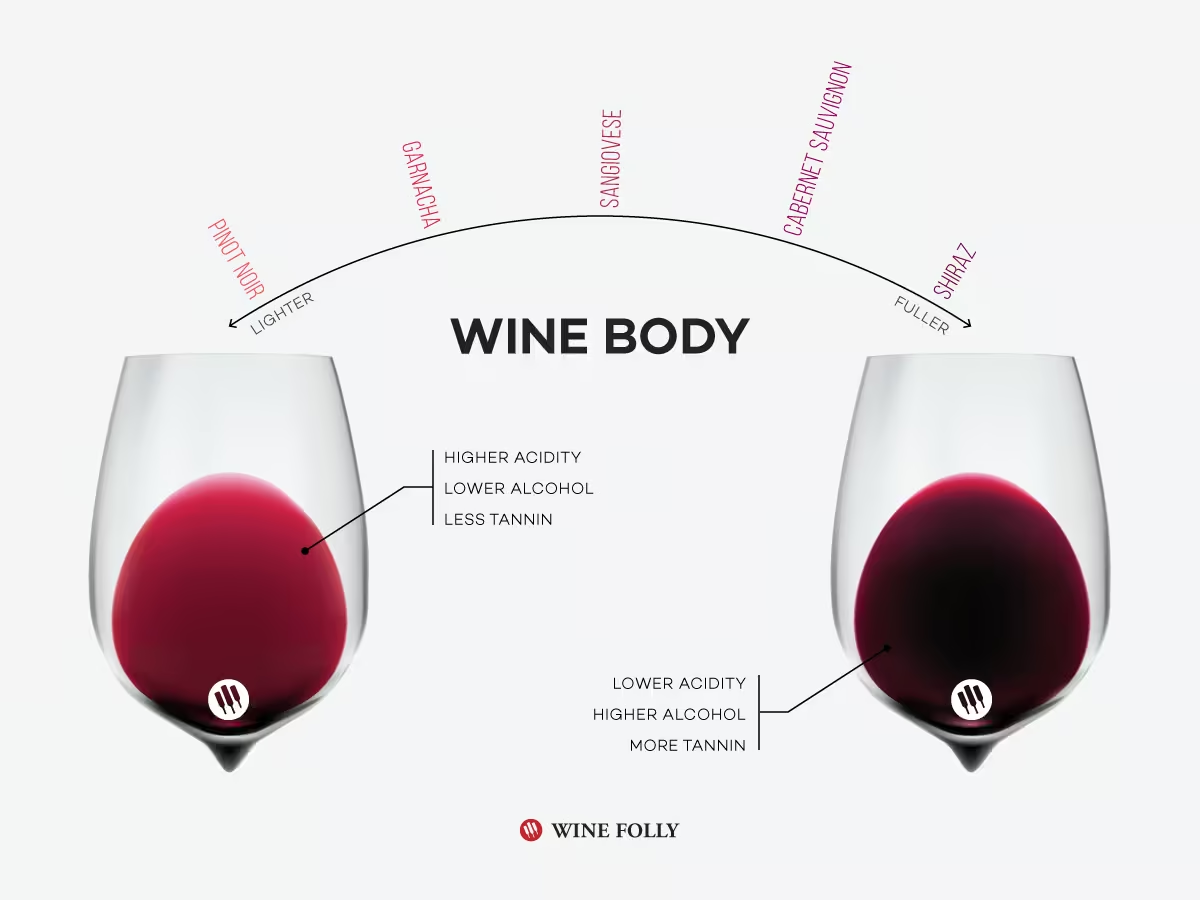
Wine body is a term used to describe the physical sensation of weight and texture that wine creates on the tongue and inside the mouth. It is not a specific flavor or aroma, but rather the feeling of “fullness” or “lightness” that the wine leaves behind. Wine body is one of the most basic characteristics used to classify wine styles, alongside sweetness, acidity and tannin.
- This sensation is created by a combination of many factors, but the most important one is alcohol content. Physically, alcohol, or ethanol, has higher viscosity than water. Therefore, the higher the alcohol level in a wine, the thicker, fuller and smoother it tends to feel.
- Besides alcohol, another compound called glycerol also contributes to fullness. Glycerol is a natural byproduct of fermentation. It has no strong taste or aroma, but it has a smooth texture that adds “weight” and richness to wine.
A simple visual way to roughly identify wine body is to observe the “wine tears” or “wine legs” on the inside of the glass after gently swirling. Thicker, slower-moving tears often indicate a wine with higher alcohol content or more residual sugar, meaning it may be a full-bodied wine.
2. How to Classify Wine Body
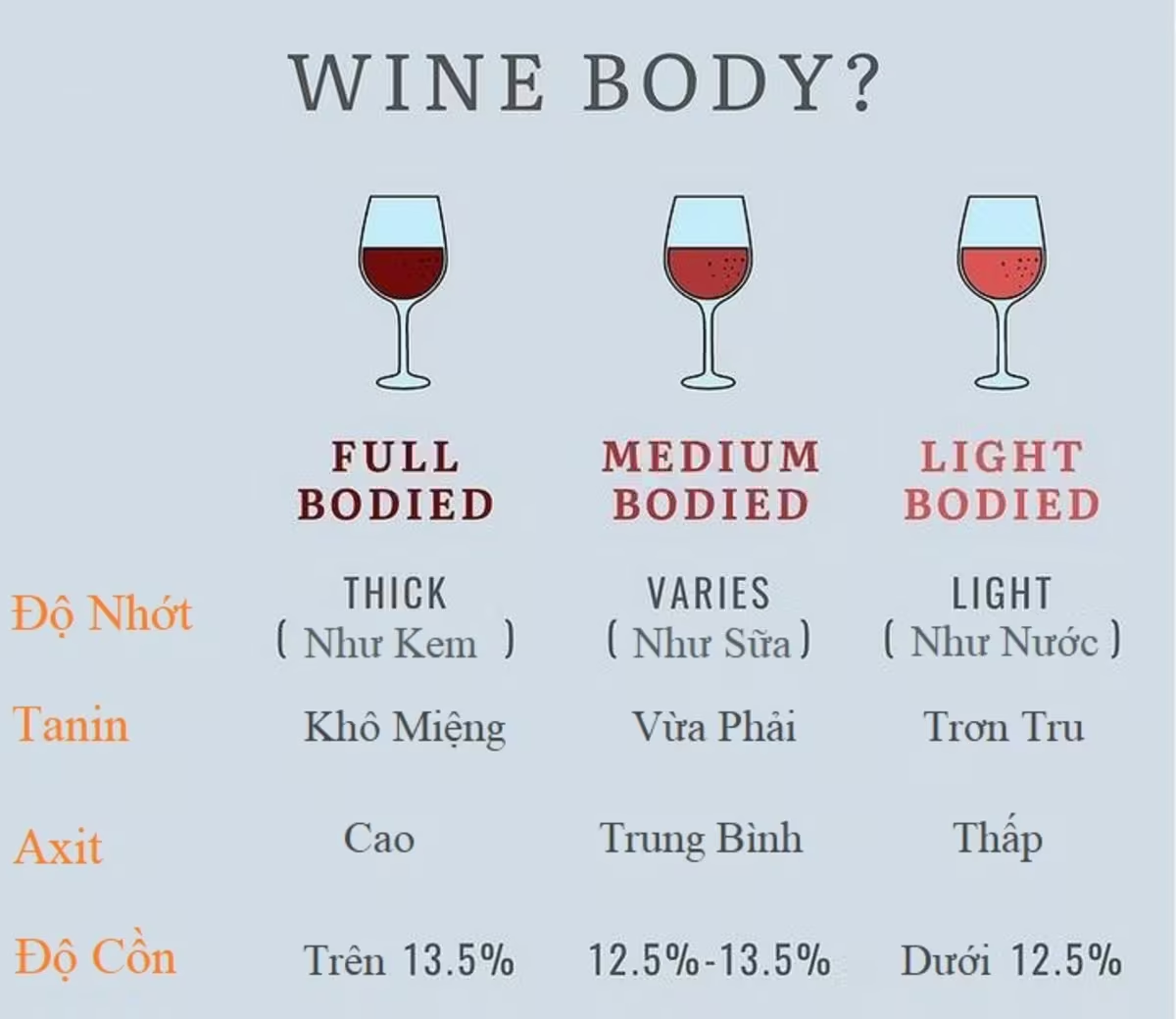
Based on the sensation of weight and texture, wine is usually divided into 3 main groups:
2.1 Light-Bodied Wine
Light-bodied wine gives a gentle, delicate and refreshing feeling in the mouth, similar to water or skim milk. This style is often associated with high acidity, low alcohol and low tannin, creating a clean and fresh finish.
- Sensation: Fresh, crisp, easy to drink and not heavy on the palate.
- Alcohol content: Usually below 12.5% ABV.
- Typical red grape varieties: Pinot Noir, Gamay, Cinsault.
- Typical white grape varieties: Unoaked Sauvignon Blanc, Pinot Grigio, German Riesling.
2.2 Medium-Bodied Wine
This is the most popular and flexible category, sitting between the delicacy of light-bodied wine and the power of full-bodied wine. Medium-bodied wine feels fuller, similar to whole milk, with a harmonious balance between fruit flavor, tannin and acidity. These wines are often considered a “safe” choice and pair easily with many types of food.
- Sensation: Smooth, moderately structured, with a certain level of richness but not overwhelming.
- Alcohol content: Usually around 12.5% to 13.5% ABV.
- Typical red grape varieties: Merlot, Sangiovese, Grenache, Cabernet Franc, Carménère.
- Typical white grape varieties: Unoaked or lightly oaked Chardonnay, Pinot Gris, Chenin Blanc.
2.3 Full-Bodied Wine
Full-bodied wine creates a dense, rich and powerful sensation, coating the entire mouth like heavy cream. This style is characterized by high alcohol, high tannin levels in red wine, complex and intense flavors, and a long finish.
- Sensation: Dense, clearly weighty, with a long finish.
- Alcohol content: Usually above 13.5% ABV.
- Typical red grape varieties: Cabernet Sauvignon, Syrah/Shiraz, Malbec, Petite Sirah, Zinfandel.
- Typical white grape varieties: Oak-aged Chardonnay, Viognier.
>> Explore more with the video below!
3. Key Factors That Determine Wine Body
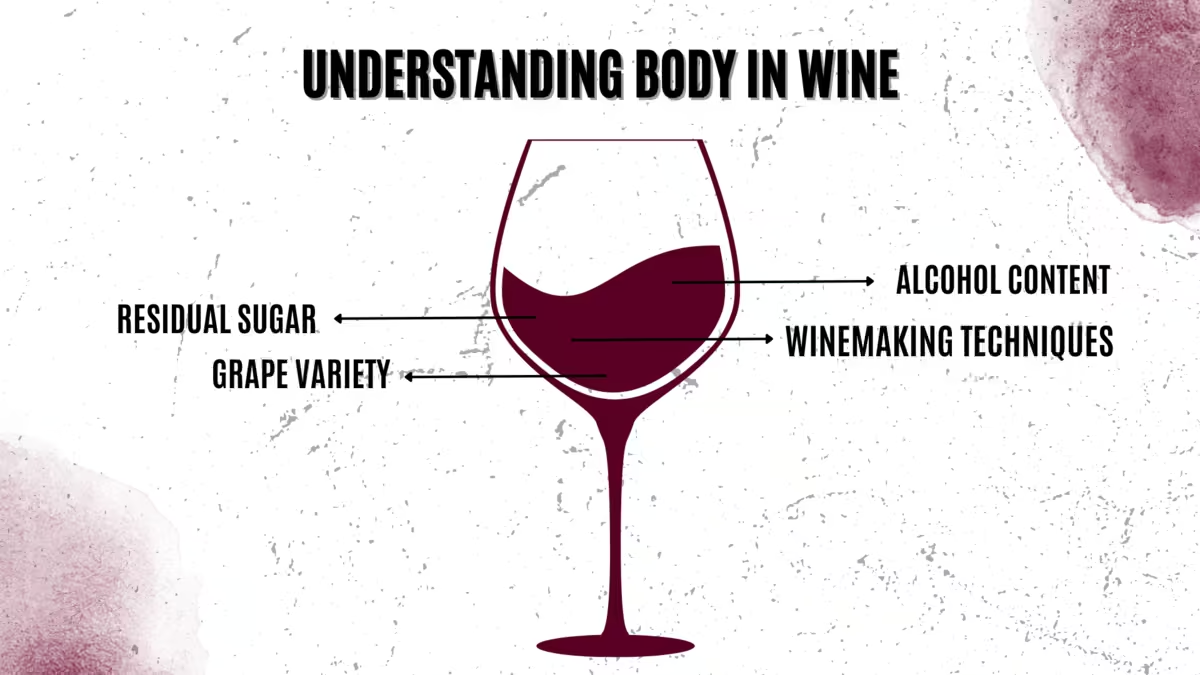
The body of a bottle of wine is not random. It is the result of many factors, from nature to winemaking techniques. Climate is the first domino, creating the initial conditions, and the winemaker then shapes and completes the final product.
3.1 Alcohol
This is the most influential factor. As mentioned above, alcohol increases viscosity, creating a fuller and “heavier” feeling in the mouth. Wines with higher alcohol content usually have fuller body.
3.2 Tannin
Tannin is a polyphenol compound found in grape skins, seeds, stems and also in oak barrels. It creates a dry, astringent sensation in the mouth. Tannin acts like the skeleton of the wine, providing structure and contributing to the feeling of “weight”, especially in red wine. Wines with high tannin levels usually feel more full-bodied.
3.3 Acidity
Acidity brings freshness and liveliness. High acidity makes wine feel lighter, sharper and more refreshing, even when alcohol is moderate. In contrast, lower acidity contributes to a rounder and fuller mouthfeel.
3.4 Residual Sugar
Residual sugar left after fermentation also increases texture and fullness. Even in dry wines, a very small amount of residual sugar can contribute to a richer mouthfeel.
>> A guide to using your palate to enjoy wine!
https://youtu.be/YDb2AiwU2yw?si=UpvDi_blJ58EcJuQ
3.5 Grape Variety
Each grape variety has its own genetic characteristics. Thick-skinned grapes such as Cabernet Sauvignon naturally contain more tannin, while thin-skinned grapes such as Pinot Noir contain less tannin. This creates an inherent difference in potential wine body.
3.6 Climate Conditions
This is the starting factor for everything.
- Warm climate: More sunlight helps grapes ripen more fully, accumulate more sugar and reduce natural acidity. Higher sugar levels convert into higher alcohol during fermentation, creating full-bodied wines.
- Cool climate: Less sunlight leads to lower sugar levels and higher acidity in grapes. This results in wines with lower alcohol and a lighter, fresher body.
3.7 Winemaking Techniques
The art of the winemaker can significantly shape wine body.
- Oak aging: This process not only adds flavors such as vanilla and cedar, but also contributes tannin from the wood, increasing complexity and structure and making the wine feel fuller.
- Skin contact time: For red wine, the longer the grape juice stays in contact with grape skins, the more tannin and color are extracted, resulting in a fuller-bodied wine.
4. How to Choose Wine Based on Body
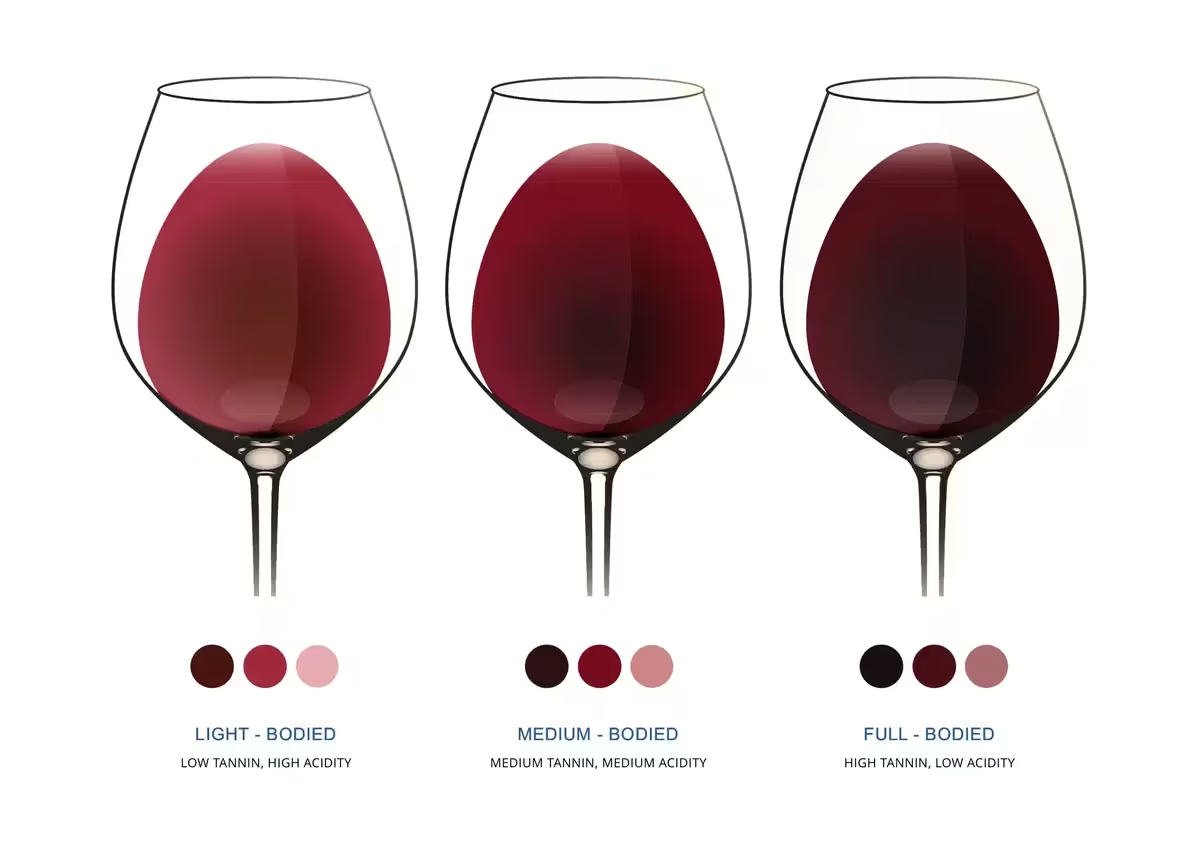
With the knowledge above, you can now confidently apply it to choose the perfect bottle for different situations.
4.1 Pairing with Food
The most basic golden rule is “match intensity with intensity”: light dishes go with light wines, rich dishes go with rich wines.
- Light-bodied wine: With high acidity and freshness, these wines are excellent choices for light, delicate dishes such as salads, fresh seafood, steamed fish and boiled chicken. The acidity also helps cleanse the palate when paired with lightly fried dishes.
- Medium-bodied wine: Their flexibility allows them to pair with many foods, from roast chicken, pork and grilled salmon to tomato-based pasta and pizza.
- Full-bodied wine: Their powerful structure and high tannin need rich, protein- and fat-heavy foods for balance. Beef steak, grilled lamb chops, stews and hard cheeses are ideal companions. The tannin in wine reacts with protein in meat, making both the wine and the dish feel softer and more delicious.
Besides the harmony rule, you can also experiment with contrast. For example, sparkling wine or high-acid light-bodied white wine can cut through the richness of fried foods or creamy sauces, creating an exciting pairing and cleansing the palate after each bite.
4.2 Choosing Wine by Season and Occasion
- Summer and outdoor parties: Prioritize refreshing light-bodied wines that can be chilled. White wines such as Sauvignon Blanc, Pinot Grigio and especially rosé are perfect choices.
- Winter and cozy meals: Medium-bodied to full-bodied wines are more suitable. Higher alcohol gives a warmer feeling, and their complex flavors work well with hearty winter dishes.
- Celebrations and Lunar New Year: Sparkling wines such as Champagne or Prosecco are always symbols of celebration. For formal dinners, a high-quality full-bodied red wine such as Cabernet Sauvignon or Bordeaux can become a classy highlight.
4.3 Based on Personal Preference
Finally, listen to your own palate.
If you are a beginner, try starting with light-bodied white wines or rosés. They are usually easier to approach before you explore the more complex world of tannic red wines.
Ask yourself about your daily preferences. Do you like strong black coffee? You may enjoy the structure and tannin of full-bodied red wine. Do you prefer creamy milk coffee? Then rounded medium-bodied wines or smooth full-bodied wines may suit you better.
Final Thoughts,
Understanding “wine body” is the first and most important step toward entering the wine world with confidence. It is a simple concept based on physical sensation, helping you classify, choose and describe wine more easily.
Do not be afraid to experiment. Use the knowledge of light-bodied, medium-bodied and full-bodied wines as a map to discover your own favorite wine style. Wishing you many exciting tasting journeys.