


 Tiếng Việt
What does Dry mean in wine? This is a common question for beginners entering the world of wine. Many people think that “dry wine” means a boring wine that lacks flavor or feels overly astringent. However, the truth is completely different. Dry wine can be lively, fresh and full of fruit aromas.
Let us explore the definition, how to distinguish dry wine from sweet wine, and popular types of dry wine in the article below.
1. What Does Dry Mean in Wine?
In winemaking, “Dry” refers to the amount of natural sugar left after fermentation, also known as residual sugar.
Dry wine is the result of an almost complete fermentation process. If yeast is allowed to work until it consumes all or nearly all available sugar, the final product will have very low residual sugar and is therefore called “dry”. In contrast, if fermentation is intentionally stopped early through technical intervention, such as chilling, filtering out yeast or adding alcohol, unfermented sugar remains, creating sweet wine.
According to general regulations of the European Union, EU, and many reputable wine regions, still wine is classified as dry when its residual sugar level is very low.
The basic standard for dry still wine is a maximum of 4g of residual sugar per liter. If a wine has almost no sugar left, usually below 1g/L, it is called Bone Dry.
2. Popular Types of Dry Wine
Dry wine is the most common and diverse category on the market, appearing in all four main styles: red wine, white wine, rosé wine and sparkling wine. Each style has its own distinctive characteristics:
2.1. Dry Red Wine
Dry red wine is the most popular segment, known for its strong structure thanks to tannin. Although it is fully fermented and has low residual sugar, it is defined by a high tannin level, creating a very distinctive sensation of “dryness”. Red wine is fermented with grape skins, where tannin and color are extracted.
Despite low residual sugar, dry red wine can still be rich, structured and complex, often showing flavors such as plum, cherry and dark chocolate.
📌 Typical grape varieties:
- Cabernet Sauvignon: Usually dry, full-bodied and high in tannin, creating a clear astringent and mouth-drying sensation. This grape is the standard for dry red wines in Bordeaux, Napa in the United States and Australia.
- Syrah/Shiraz: A powerful and bold dry wine with noticeable tannins, often showing spicy flavors and black fruit. However, check the label carefully because some Shiraz versions may be made with a touch of sweetness.
- Merlot: Also a dry wine, but usually softer and more approachable than Cabernet Sauvignon, with medium tannins and flavors of plum and cherry.
- Pinot Noir: A wonderful choice for beginners who want to try a lighter dry red wine. Pinot Noir has low tannin, delicate strawberry and raspberry flavors, and less intense astringency.
- Tempranillo and Malbec: Two other important grape varieties used to make dry wines. Tempranillo is Spain’s noble grape, often found in Rioja, while Malbec produces bold, fruit-forward wines from Argentina.
2.2. Dry White Wine
Dry white wine is characterized by low residual sugar and high acidity, creating a crisp and fresh sensation. This acidity balances intense fruit aromas, such as pineapple, mango and citrus, which may otherwise be mistaken for sweetness.
Dry white wine is the default choice if you prefer sharp, refreshing flavors like grapefruit juice rather than the gentle sweetness of apple juice.
📌 Typical grape varieties:
- Sauvignon Blanc: A classic grape for dry, crisp and refreshing wine. It often shows grassy, grapefruit and mineral notes. This is a perfect choice for those looking for freshness.
- Pinot Grigio/Gris: A light and dry wine with apple and citrus aromas, popular as an aperitif.
- Chardonnay, unoaked: A neutral, dry style that clearly expresses minerality and sharp acidity. Oaked Chardonnay may feel rounder and softer.
- Chenin Blanc and Sémillon: Chenin Blanc from France’s Loire Valley often produces dry white wines with apple and quince notes. Sémillon is also used to make excellent dry white wine, often blended with Sauvignon Blanc to add structure.
2.3. Dry Rosé Wine
Many people mistakenly think rosé is sweet, but in reality, most premium rosé wines, especially those made in the Provence style of France, are dry.
Dry Rosé usually has a pale color, often light rose petal or salmon pink, and stands out with refreshing acidity. It offers a unique balance between red fruit aromas, such as strawberry and cherry, technical dryness and high acidity.
📌 Typical dry rosé wines:
- Grenache Rosé, Provence style: Famous for bright fruit aromas, sometimes with a touch of herbs, and usually very dry.
- Pinot Noir Rosé, Sancerre, Loire: Elegant and dry, with subtle strawberry and vanilla notes.
- Tempranillo Rosé: Produces pale pink wine with a crisp taste, sharp fruit aromas and a light spicy touch.
Consumers should look for labels that clearly say Dry Rosé or choose rosé from Provence to avoid confusing it with sweeter rosé styles, such as Moscato Rosé or White Zinfandel.
2.4. Dry Sparkling Wine
Sparkling wines such as Champagne, Prosecco and Cava use a sweetness classification system that is completely different from still wine because they undergo two fermentations. The final sweetness is determined by the amount of sugar added after secondary fermentation.
The most important thing beginners need to remember is that sweetness terms on sparkling wine labels can be counterintuitive:
- The term “Brut” means the driest, or least sweet.
- “Extra Dry” or “Dry/Sec” is actually sweeter than Brut.
- Avoid this confusion if you are looking for truly dry sparkling wine.
📌 Suggested dry sparkling wine labels: Brut, Extra Brut or Brut Nature.
3. How Are Dry Wine and Sweet Wine Different?
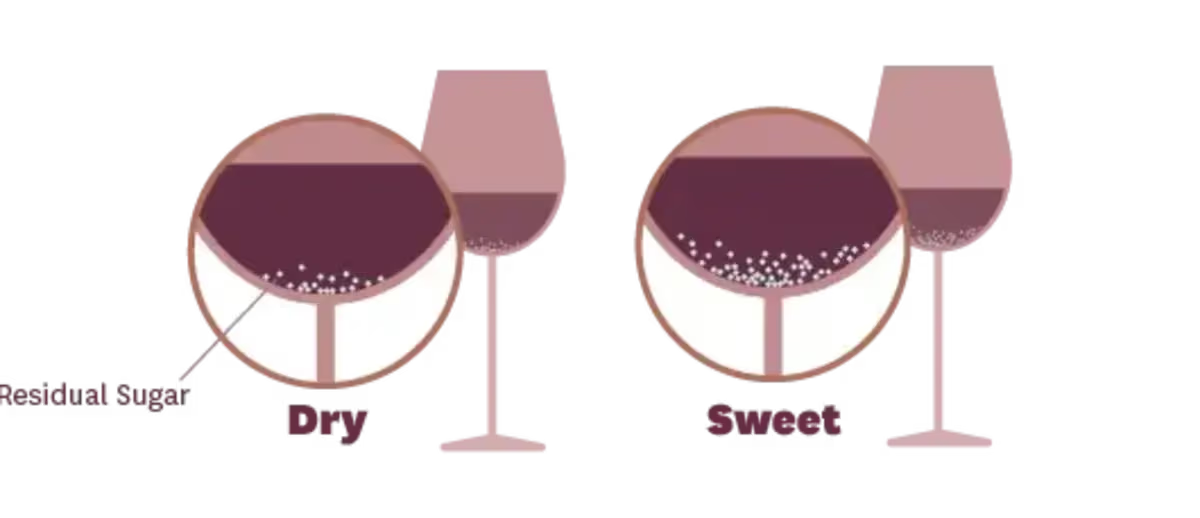
Understanding the difference between dry wine and sweet wine is the foundation for understanding wine structure. This difference is not only about the final taste, but also about production technique and structural elements.
Sweet wine retains a high amount of residual sugar after fermentation, while dry wine has low residual sugar. This affects both alcohol level and overall structure.
The mechanism for creating sweet wine usually involves concentrating sugar in the grapes or intentionally stopping fermentation early to retain unfermented sugar. In contrast, to create dry wine, producers must ensure that yeast consumes as much natural sugar as possible.
4. Tips for Beginners to Identify Dry Wine
To choose dry wine more wisely, consumers can apply the following tips:
- Read the bottle label
- Look for sweetness keywords: On the label, usually the back label, look for terms indicating dryness, such as Dry or Sec for still wine, and Brut, Extra Brut or Brut Nature for sparkling wine. Avoid terms such as Demi-Sec, Doux or Sweet.
- Grape variety: Knowing grape varieties commonly used for dry wine is an advantage. For example, Cabernet Sauvignon, Merlot, Sauvignon Blanc and Pinot Grigio are usually dry by default.
- Alcohol content: Wine with ABV above 12.5% is a strong sign that it is dry, because sugar has been converted into alcohol.
- Choose by regional style
Wines from Old World regions, such as France, Italy and Spain, often emphasize acidity and terroir, and tend to be dry and crisp. In contrast, wines from New World regions, such as the United States, Australia and Chile, may use very ripe grapes, creating richer fruit aromas that can sometimes be mistaken for sweetness, even when the wine still technically meets dry wine standards.
>> How to read a wine label for beginners learning about wine!
Final Thoughts,
Technically, Dry in wine refers to wine with very low residual sugar, usually below 4 grams per liter. However, the “dry” sensation we experience when drinking is a combination of residual sugar, tannin, especially in red wine, and acidity, especially in white and sparkling wine. Understanding dry wine will help you feel more confident when choosing a bottle that suits your taste.