


 Tiếng Việt
Discover the role of microorganisms in winemaking. Learn how yeast, mold and bacteria transform grape juice into a complex and fascinating drink.
1. Overview of Microorganisms in Winemaking
First, what are “microorganisms”? Microorganisms in wine include tiny living organisms such as yeast, bacteria and mold that contribute to the structure, flavor and complexity of each bottle. In the context of winemaking, these are the three main groups we need to understand.
These microorganisms can be found everywhere throughout the production process:
- On grape skins: The faint white bloom you often see on grape skins is actually a microscopic ecosystem, full of natural yeasts and bacteria.
- In the winery: They exist on equipment, inside aging vessels and even floating in the air of the cellar.
- In the soil: Soil microorganisms affect vine health and indirectly influence the microbial composition on the grapes.

This creates what is known as “microbial terroir”, a distinctive factor of each wine-growing region. The existence of microbial terroir presents winemakers with both a philosophical and commercial choice.
- On one hand, they can trust nature and allow the unique native microbial population of the vineyard to carry out fermentation on its own. This method, called “spontaneous fermentation”, is believed to create wines with complex flavors that best express the character of the land.
- On the other hand, using commercial yeast strains cultivated in laboratories provides stability, efficiency and predictable results, which are extremely important from a commercial perspective.
👉 Therefore, the goal of the winemaker is to encourage “good” microorganisms such as wine yeast and lactic acid bacteria, while suppressing or removing “bad” microorganisms that can spoil the wine.
2. Main Types of Microorganisms in Winemaking
As mentioned, three main groups of microorganisms take part in the dance of winemaking. Each group has its own role and timing. Let us explore each one in detail.
2.1. Wine Yeast: The Soul of Fermentation

If winemaking were an orchestra, wine yeast would be the conductor. This is the most important microorganism, the engine behind the magical process called alcoholic fermentation.
In the simplest terms, alcoholic fermentation is the process in which yeast “eats” the natural sugars in grape juice, glucose and fructose, and “releases” two main products:
- Alcohol, or ethanol: This is the alcohol that makes wine an alcoholic beverage.
- CO2: This gas usually escapes in still wine production, or is retained to create bubbles in Champagne and sparkling wine production.
The origin of yeast
This is one of the most important decisions a producer makes, and it deeply affects the style of the wine.
-
- Natural yeast
These are yeast strains naturally present in the environment, on grape skins and inside the winery. Fermentation using them is called “spontaneous fermentation”.
- Advantages: Supporters believe that natural yeast best expresses “terroir”, meaning the unique flavor of the land. It often creates wines with high complexity, multiple flavor layers and distinctive structure. These yeast strains begin fermentation and create interesting flavor compounds before the stronger Saccharomyces cerevisiae strain, which is also naturally present, takes over and completes the work.
- Disadvantages: It is risky and unpredictable. Fermentation may begin slowly, become “stuck”, or be taken over by “bad” yeast strains that create unwanted aromas and flavors.
- Cultured yeast
These are specific yeast strains, most commonly Saccharomyces cerevisiae, that have been isolated, studied and commercially propagated by laboratories. Winemakers buy them in dry or liquid form and inoculate the grape juice.
- Advantages: They provide consistency, reliability and control. The producer knows exactly how fermentation will proceed.
- Benefits:
- Efficiency: They work strongly and ensure fermentation is completed, converting all sugar into alcohol.
- Diversity: There are hundreds of different cultured yeast strains. Each strain is designed to emphasize specific characteristics. For example:
One strain may enhance fruit aromas, such as grapefruit notes in Sauvignon Blanc.
Another strain may tolerate high alcohol levels, useful for Zinfandel.
Another may work well at low temperatures, ideal for white wine.
Wine yeast does not only create alcohol, it also creates aroma
The role of yeast does not stop at creating alcohol. While “eating” sugar, it also produces hundreds of secondary volatile compounds, such as esters, thiols and terpenes, bringing notes of banana, pineapple, rose or passion fruit.
👉 A producer chooses a yeast strain like a painter chooses a brush to paint the flavor picture they want.
2.2. Mold: Creating Legendary Sweet Wines
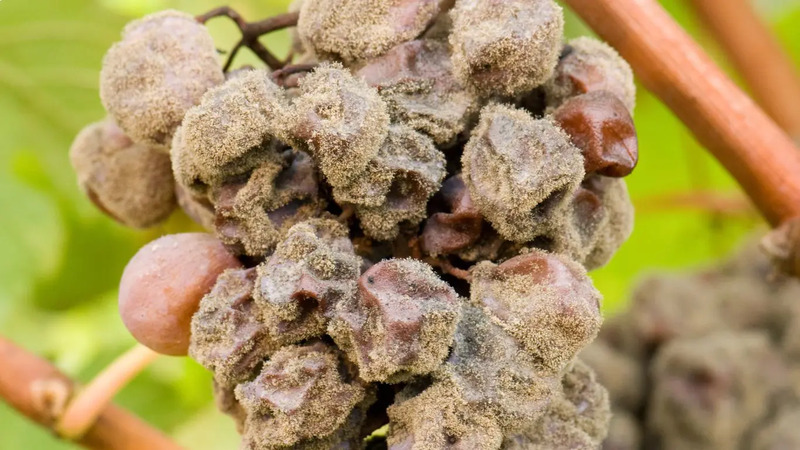
When we hear the word “mold”, we usually think of spoilage. And in 99% of winemaking cases, mold is the enemy. However, there is one precious exception. One type of mold is highly valued for creating some of the finest and most expensive sweet wines in the world. That mold is Botrytis cinerea.
Botrytis cinerea is a gray mold. In wet conditions, it causes “gray rot”, damaging grapes. But under special climate conditions, with humid mornings and dry afternoons, in regions such as Sauternes in France or Tokaji in Hungary, Botrytis grows on grape skins and creates tiny holes that allow water to evaporate. The grapes shrivel and dry like raisins. As water evaporates, everything left behind, including sugar, acidity and flavor compounds, becomes extremely concentrated. The mold itself also creates new chemical compounds, adding unique layers of flavor.
The juice pressed from these grapes is thick like honey. Fermentation naturally stops while a high amount of residual sugar remains, creating rich sweetness and aromas of honey, dried apricot, orange marmalade and ginger, which are characteristic of Botrytis wines.
2.3. Bacteria: The Flavor “Adjusters” of Wine
The final group of microorganisms is bacteria. Like mold, bacteria include both “good” and “bad” types.
- Bad bacteria: Acetobacter. When exposed to oxygen, it oxidizes alcohol into acetic acid, or vinegar, spoiling the wine.
- Good bacteria: Lactic acid bacteria. When we talk about “good” bacteria, we are referring to a specific process called malolactic fermentation, or secondary fermentation. This process usually happens after alcoholic fermentation by yeast has finished. It is carried out by lactic acid bacteria, especially the strain Oenococcus oeni.
This process is almost standard for most red wines because it softens acidity. It is also a stylistic choice for some white wines, especially Chardonnay, adding richness and complexity.
Final Thoughts,
From the analysis above, we can see that the world of microorganisms in wine is incredibly complex and colorful.
- Wine yeast: Transforms sugar into alcohol and creates aromas.
- Noble mold Botrytis: Creates legendary sweet wines.
- Lactic acid bacteria: Softens red wine and adds creamy richness to white wine.
Understanding this invisible world deepens our appreciation for every glass of wine. Each sip is not only the product of grapes, soil and climate, but also the result of a delicate balance between biology, chemistry and human artistry. The next time you open a bottle of wine, remember the silent army of billions of microorganisms that worked to create the complex flavors in your glass.