
 Tiếng Việt

Chardonnay wine is one of the most famous and beloved white wines in the world. Made from the Chardonnay grape variety, this wine can express countless styles, from light and refreshing to rich and intense, making it a favorite choice among both wine drinkers and winemakers worldwide.
1. The Historical Origin of the Chardonnay Grape Variety
The Chardonnay grape variety has been identified as a descendant of Gouais Blanc. It shares the same parentage with a range of famous varieties, including Riesling and Pinot Noir. Pinot and Gouais are believed to have been major grape varieties in Burgundy during the Middle Ages.
Another possible view of Chardonnay’s origin is that Pinot, associated with the French nobility, grew near Gouais Blanc, giving the two varieties many opportunities to crossbreed. Because the two parents were genetically distant, many hybrids showed hybrid vigor and were selected for propagation. These “successful” hybrids include Chardonnay and its siblings such as Aligoté, Aubin Vert, Auxerrois, Bachet Noir, Beaunoir, Franc Noir de la-Haute-Saône, Gamay Blanc Gloriod, Gamay Noir, Melon, Knipperlé, Peurion, Roublot, Sacy and Dameron.
Today, Burgundy in eastern France is still considered the cradle of Chardonnay, producing some of the world’s finest and most refined Chardonnay wines.
Chardonnay is considered the queen of white grape varieties and is popular worldwide because it can produce fruit consistently, is easy to grow and adapts well to many types of soil and climate.
It is found in wine regions all over the world. Chardonnay also has other names in certain regions, such as Morillon, Pinot Chardonnay and Feiner Weisser Burgunder. It is an internationally popular grape variety. When used for winemaking, this grape can create many different wine styles, from light and refreshing to rich and intense. Chardonnay wines can be enjoyed as an aperitif or paired beautifully with food.
1.1 Key Highlights of the Chardonnay Grape Variety
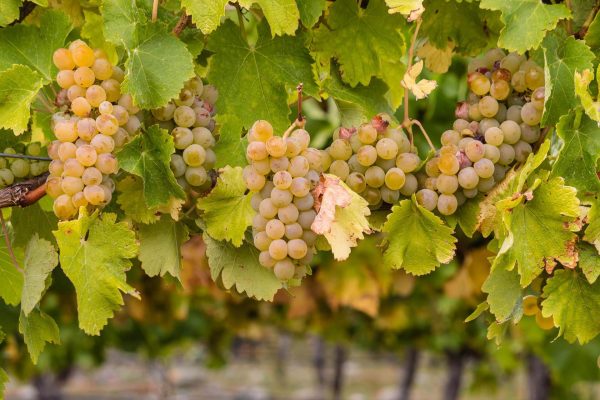
The grapes have green skins, loose clusters and small berries. Although successful worldwide, Chardonnay is not considered an aromatic grape variety. Chardonnay itself is relatively neutral, with many flavors depending heavily on where it is grown, the climate, terroir and winemaking method.
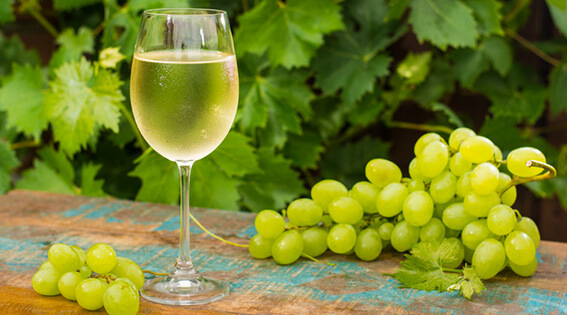
It is often called the “winemaker’s grape” because many of its defining characteristics are amplified or softened in the winery.
1.2 Why Is Chardonnay Wine So Popular?
This Chardonnay grape variety carries flavors of many tropical fruits such as pineapple, guava, pear, green apple, citrus, peach and apricot. This is something few grape varieties can offer. When used to make wine, producers often age the wine in oak barrels. As a result, the grape also gains additional notes of vanilla, clove, cinnamon or star anise. Because it can create premium wines with different structures, flavors, acidity and sweetness levels, Chardonnay is increasingly used widely around the world.
2. Distinctive Flavors of Chardonnay Wine
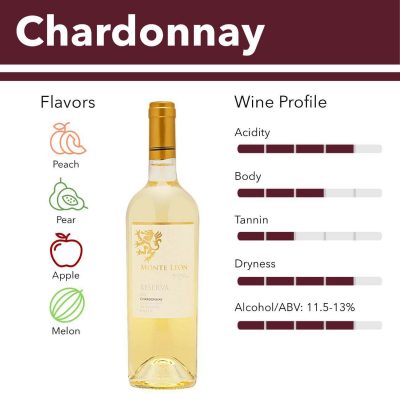
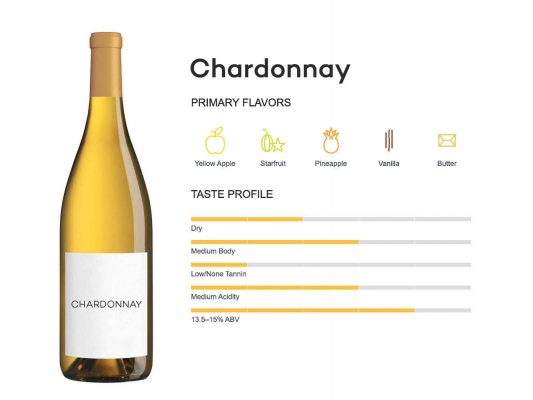
At a basic level, Chardonnay wine has a pale yellow color, with aromas of citrus, green apple, flowers and almond or oatmeal. On the palate, Chardonnay has moderate acidity, moderate alcohol and medium body.
It is made in many different styles, from the rich, crisp and mineral wines of Chablis, France, to New World wines with oak influence and tropical fruit flavors. Climate, viticulture and winemaking all play important roles in the aroma and flavor of the finished wine. Climate, viticulture and winemaking all play important roles in the aroma and flavor of the finished wine.
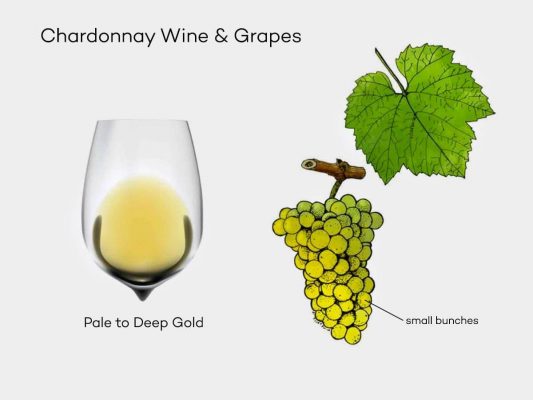
When made as a single-varietal wine, although relatively neutral in flavor, Chardonnay remains highly diverse. It is responsible for most of the fruit flavors found in Chardonnay wine. These include flavors of tropical fruits such as banana, melon, pineapple and guava, stone fruits such as peach, nectarine and apricot, as well as citrus and apple notes.
Factors That Influence the Flavor of Chardonnay Wine
- Influence of climate and terroir
In cool-climate regions such as California’s Carneros AVA, Chardonnay wines tend to be medium to light-bodied, with noticeable acidity and flavors of green plum, apple and pear. Mineral descriptors such as chalk, wet stone and crushed seashell can also appear in Chardonnay tasting notes. These are sometimes attributed to vineyard soils. For example, wines from Chablis often show Chardonnay at its most mineral expression. Little or no oak is used during winemaking, and the wines often show citrus, floral and chalky notes with high acidity.
In warmer areas, such as Adelaide Hills and Mornington Peninsula in Australia, or Gisborne and Marlborough in New Zealand, flavors become richer, with notes of citrus, peach and melon.
Meanwhile, in hot-climate regions such as California’s Central Coast AVA and Chile, fig and tropical fruit notes such as banana and mango often appear. Wines that have gone through malolactic fermentation tend to have softer acidity, fruit flavors, a buttery mouthfeel and hazelnut notes.
- Influence of the producer’s winemaking style
Chardonnay lends itself to almost every winemaking style, from dry wines to sparkling wines and late-harvest sweet wines. Because of Chardonnay’s “malleability” in winemaking and its ability to reflect terroir, there is no single universal “style” or fixed set of characteristics that applies to Chardonnay produced around the world.
However, several viticultural and winemaking approaches can still influence the final flavor. Both still and sparkling wines made from Chardonnay can be highly successful.
- Influence of winemaking effects on Chardonnay flavor
Whole-cluster pressing: It is generally accepted that pressing Chardonnay with whole clusters intact produces better juice quality for several reasons, mainly through more efficient pressing and keeping the fruit intact until the moment of pressing.
Secondary fermentation or malolactic fermentation is also a key stylistic choice among winemakers. Some New World winemakers who want to maintain acidity and freshness may choose not to let the wine undergo malolactic fermentation, in which malic acid is converted into softer lactic acid. This process reduces the wine’s overall acidity.
Finally, the use of oak can greatly influence the finished wine. Fermenting and aging wine in oak is common in Chardonnay production. The amount of new oak used can be a major factor in the aroma of young wines and, to some extent, their palate profile, bringing notes of vanilla, smoke and sweet spices such as clove and cinnamon.
3. Famous Chardonnay Wine Regions
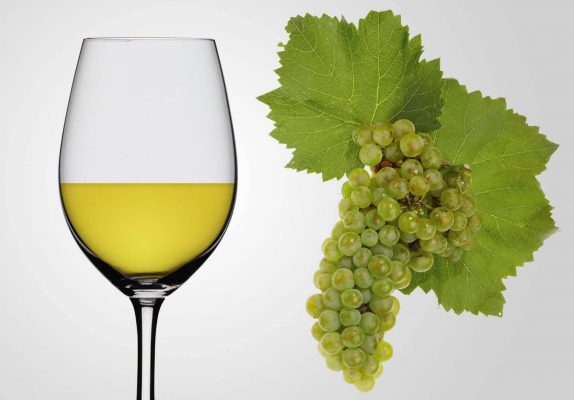
Chardonnay wine is a symbol of flexibility and quality, produced in many famous regions around the world. Among them, France remains the cradle and center of premium Chardonnay wine production.
In France, Chardonnay is the second most widely planted white grape variety, after Ugni Blanc, surpassing both Sémillon and Sauvignon Blanc. This grape first became famous in Chablis and Burgundy, and today it remains a leading representative of French white wine.
- Chardonnay Wine from Burgundy
In Burgundy, Chardonnay wines tend to be rich and well-structured, with flavors of almond cake, butter, hazelnut, licorice and spices. With aging, the wine can develop complex aromas and impressive depth.
- Chardonnay Wine from Chablis
Chablis Chardonnay is known for showing the “purest” expression of this grape’s diversity thanks to the simple winemaking style favored in the region. Chablis producers aim to highlight the powerful influence of limestone soils and the cooler climate that helps maintain high acidity. The wines rarely undergo malolactic fermentation or oak contact. The tangy green-apple-like acidity is a hallmark of Chablis and can be noticed in the bouquet. Acidity may soften with age, and Chablis is one of the longest-aging examples of Chardonnay. Some wines also show a wet-stone character.
- Chardonnay Wine from Champagne
In Champagne, Chardonnay is often blended with Pinot Noir and Pinot Meunier to create elegant Blanc de Blancs Champagne styles. Chardonnay wines in Champagne stand out with creamy, nutty and light floral notes, while also playing an excellent role in balancing acidity within the blend.
Beyond these regions, Chardonnay wine can also be found in Appellation d’origine contrôlée, AOC, wines from the Loire Valley and Jura wine region, as well as everyday wines from Languedoc, with lighter styles suitable for daily enjoyment.
4. Suggested Food Pairings with Chardonnay Wine
A key characteristic of Chardonnay white wine is its high acidity, which helps reduce fishy aromas and highlight food flavors. This is why Chardonnay is especially suitable with seafood and light dishes.
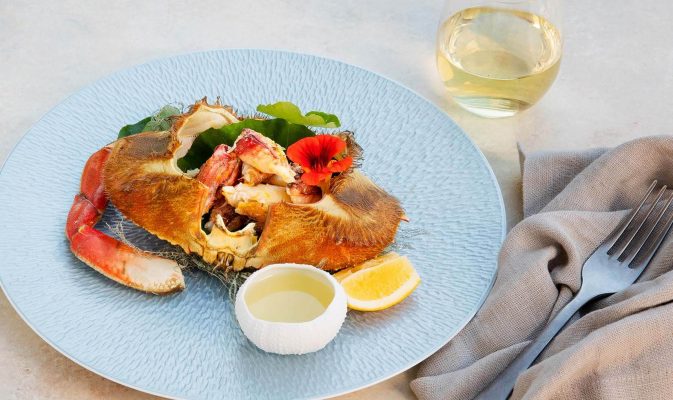
Bottles made from Chardonnay often have high acidity and a pronounced tart taste. You can consider pairing them with dishes such as beer-steamed seafood, shrimp, crab and squid, or more elaborate dishes such as grilled shrimp, pan-seared sea fish with asparagus, stuffed squid in tomato sauce, crab with tamarind sauce or salt, as well as raw dishes such as sashimi and oysters.
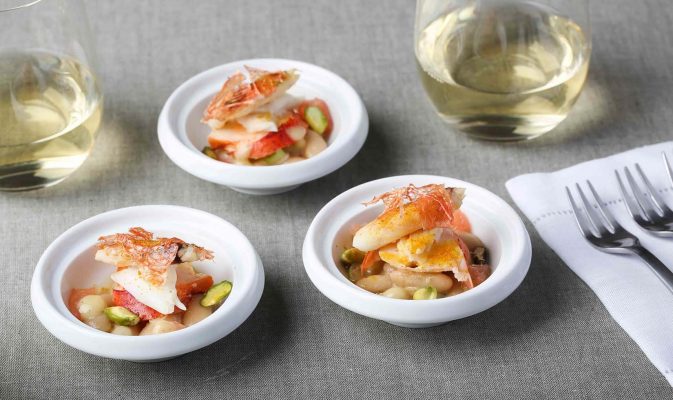
Some seafood dishes or desserts can also be enjoyed with Chardonnay white wine.
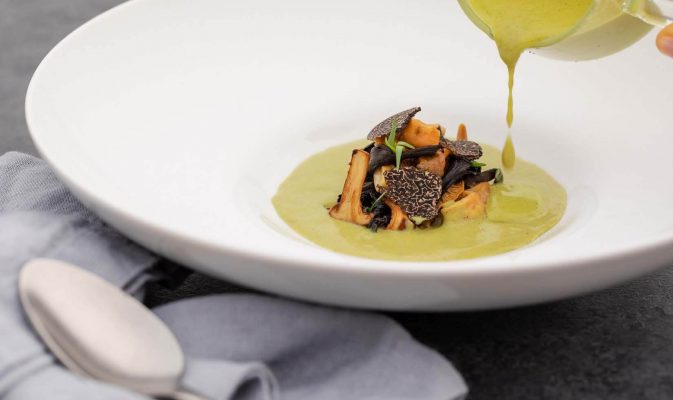
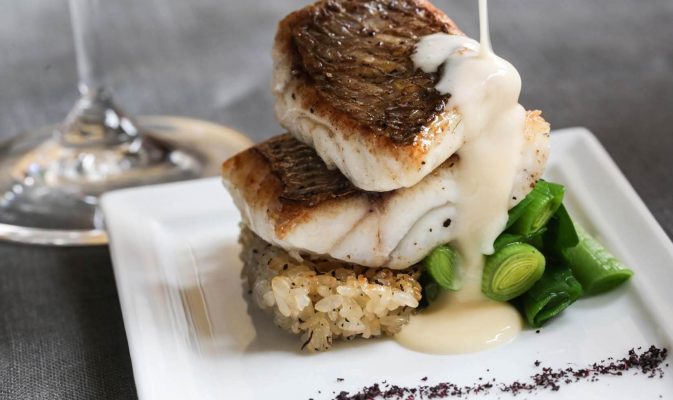
5. Top Popular Chardonnay Wines at Hedon WineHub
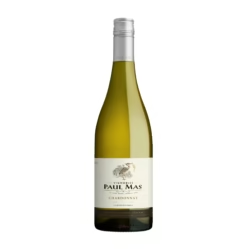
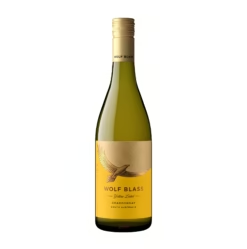
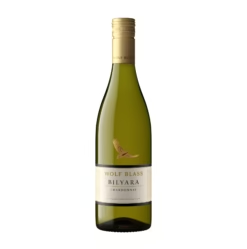


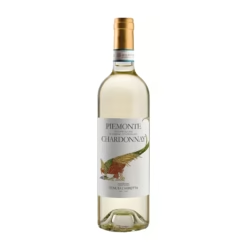
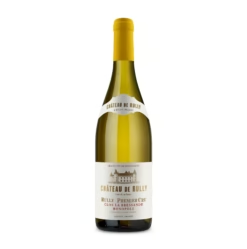
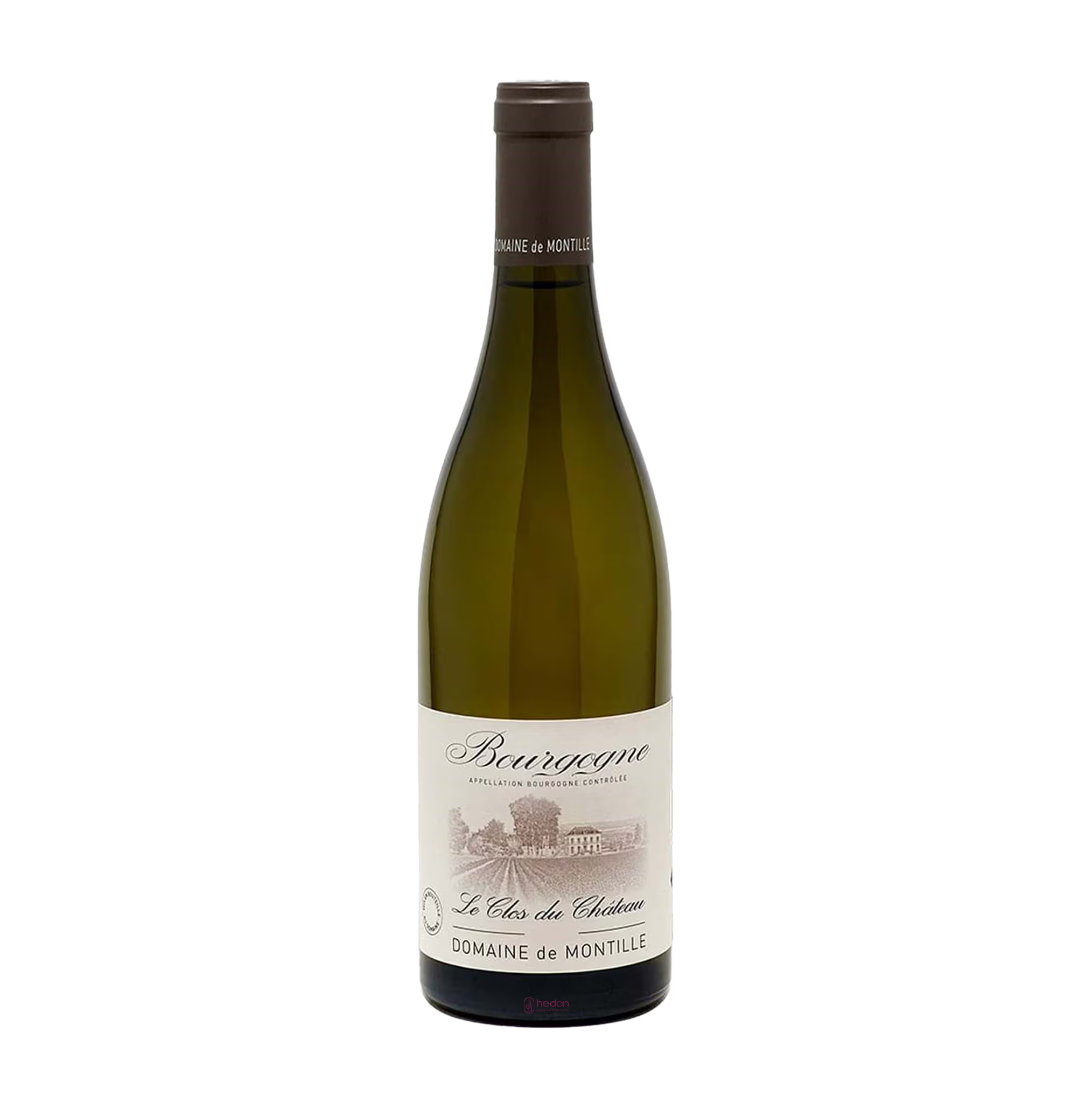
Explore the list of Chardonnay wines currently available at Hedon WineHub. From fresh bottles for aperitifs to premium, full-flavored wines from France, Australia, the United States and more, they are suitable for gifting or enjoying on special occasions.
Readers can contact the Hedon WineHub team for detailed consultation and to choose the Chardonnay wine that best suits their taste and budget.