


 Tiếng Việt
Cabernet Sauvignon and Merlot are two of the most widely planted grape varieties in the world and dominate wine shelves in most stores. Although they may look similar, Cabernet Sauvignon and Merlot each hide unique and distinctive flavor characteristics that only true wine lovers can fully appreciate.
If you are not yet a sommelier or wine expert, do not worry. With the detailed guide below from Hedon, you will easily recognize the signature traits of these two famous grape varieties when enjoying each glass of red wine.
1. Similarities between Merlot and Cabernet Sauvignon

Cabernet Sauvignon and Merlot are both believed to originate from Bordeaux in southwestern France, but each variety dominates a different part of the region. Bordeaux is divided into two main areas by the Gironde estuary and the Dordogne and Garonne rivers: the Right Bank north of the Dordogne and the Left Bank south of the Garonne, with the area between the two rivers known as Entre-Deux-Mers.
On the Right Bank, home to prestigious wine regions such as Saint-Émilion and Pomerol, Merlot is the dominant grape variety, while the Left Bank leans more toward Cabernet Sauvignon. Although both originated in Bordeaux, Cabernet Sauvignon and Merlot are now widely grown in wine-producing regions around the world.
Cabernet Sauvignon and Merlot can be considered “half-siblings”. Cabernet Sauvignon is a descendant of Cabernet Franc and Sauvignon Blanc, believed to be the result of a natural crossing in the 17th century. Meanwhile, Merlot comes from a crossing between Cabernet Franc and a rare red grape called Magdeleine Noire des Charentes. Because both inherit traits from their shared parent Cabernet Franc, Merlot and Cabernet Sauvignon have certain similarities in deep color, strong structure and characteristic dryness.
- Both grape varieties have an alluring deep ruby color.
- They range from medium-bodied to powerful, delivering bright flavors and a distinctive tasting sensation.
- They are among the world’s most popular and beloved dry red wines.
2. Key differences between Merlot and Cabernet Sauvignon

- Grape characteristics
Cabernet Sauvignon grapes are dark black, thick-skinned and especially known for producing wines with high tannin and acidity. Wines made from this grape may need many years to mature, evolving from a bold, highly astringent state into a more integrated and balanced flavor profile.
In the past, many people mistakenly believed that Cabernet Sauvignon was an ancient grape variety. However, in the 1990s, researchers discovered that it was actually a natural crossing between Cabernet Franc and Sauvignon Blanc in Bordeaux during the 17th century.
Cabernet Sauvignon is a red grape variety with great flavor diversity and is especially well suited to blending with other varieties. Its consistency as a blending grape is one of the reasons Cabernet has become so widely favored.
Merlot is a dark blue grape variety known worldwide for its plump berries and ability to ripen well in most climates. Merlot grapes are so deeply colored that they almost appear black, and the name is derived from “merle” in French, meaning “little blackbird”. This international grape variety is also known by the names Picard and Langon.
Merlot is famous for ripening easily and for its flexibility in expressing the winemaker’s style. It is truly a “blank canvas” for producers who want to experiment with different wine styles. One of the most appealing qualities of Merlot wine is its smooth texture, which is especially popular in “New World” winemaking styles.
- Tannin levels
Merlot wine stands out for its low and refined tannin level, bringing a soft, fruit-rich flavor without creating a dry mouthfeel. In contrast, Cabernet Sauvignon has medium to high tannins, giving it a powerful structure and a more noticeable drying sensation. When enjoying Cabernet Sauvignon, tannins react with proteins in saliva, creating its signature astringent feeling. Over time, the tannins in Cabernet Sauvignon soften, allowing the wine to develop more complex and balanced aromatic layers.
If you are sensitive to tannins or dislike a dry mouthfeel, consider Pinot Noir or Grenache – two red wines with lower tannin levels that offer a gentler and more pleasant experience.
>>> Explore the must-try red wine collection for the festive season
- Flavor
Merlot offers softness, freshness and charm in every sip. When tasted, Merlot spreads from the front to the middle of the tongue before gently fading, leaving an aftertaste of sweet summer fruits such as raspberry, wild blueberry, black cherry, mocha, mint, eucalyptus, plum and fruit jam. Although it has rich fruit aromas, Merlot is a dry wine because no residual sugar remains after fermentation.
For beginners, its rich fruit aromas may create an impression of slight sweetness and tanginess, but in reality this is only the effect of pleasant fruity aromas. Merlot delivers a soft, easy-drinking style that is suitable for enjoying on its own or pairing with a wide range of dishes.
By contrast, Cabernet Sauvignon is a symbol of power and intensity in the world of red wine. With its full-bodied structure, Cabernet Sauvignon spreads across the entire palate, leaving a long, rich and profound finish. Cabernet Sauvignon is known for its bell pepper aroma interwoven with complex notes such as cassis, dark chocolate, pepper, pencil shavings and fig. Aging in oak barrels adds natural aromas reminiscent of the fresh atmosphere of a deep forest. Cabernet Sauvignon also carries subtle fruit notes, especially blackcurrant and ripe dark berries.
Cabernet Sauvignon is one of the driest red wines, creating a heavy, full sensation on the tongue and easily causing mouth dryness due to its high tannin content. It finishes with a distinct herbal aftertaste, balancing sharp spice notes, gentle herbal nuances and dark fruit, bringing a complex and seductive feeling in every sip.
3. Pairing Cabernet Sauvignon and Merlot with food

When pairing wine with food, there are several basic principles. However, the most important thing is still to enjoy wine with the dishes you love. With its powerful and prominent flavor, Cabernet Sauvignon can overpower lighter dishes, so we recommend pairing it with rich red meats such as beef, steak, duck or pheasant. This Bordeaux-style wine also pairs beautifully with grilled mushrooms and seasoned vegetables.
In contrast, Merlot offers a smoother profile than Cabernet, making it easier to pair with lighter dishes such as roasted chicken or Italian dishes with tomato-based sauces. You can also enjoy Merlot with mushrooms and Parmesan cheese to add an extra layer of refinement to the meal.
4. How to enjoy and store wine properly
Enjoying these two wines is quite simple. When pouring, open the bottle and let the wine “breathe” for a little while before tasting. The ideal serving temperature is between cellar temperature and room temperature. If you want to experience the wine’s flavors at different stages, place the bottle in the refrigerator for 15 to 30 minutes before drinking.
Once the wine has been lightly chilled, it is time to open the bottle. With Cabernet Sauvignon, allowing the wine to “breathe” a little longer helps soften its characteristic strong tannins, while Merlot usually does not require this step. For aged wines or bottles with a complex structure, you should pour the wine into a decanter before serving it in a standard wine glass.
All wines should be stored in a cool place away from direct sunlight. Ideally, they should be kept in a wine fridge or cellar. The ideal storage temperature for aging wine further is around 13°C.
>>> Learn more about 12 proper wine storage methods to preserve full flavor
5. So, is Merlot or Cabernet Sauvignon right for you?

Below are suggestions to help you choose the wine that best suits your personal preferences:
Choose Merlot if:
- You are new to red wine.
- You enjoy red wine with fruity, gentle and easy-drinking flavors.
- You are a fan of Semillon, California Pinot Noir or dry Chenin Blanc.
- You are looking for a red wine that pairs easily with many dishes or cuisines, such as for a buffet.
- You want to enjoy wine outdoors on a hot summer day.
- You are trying to save costs, as Merlot is often more affordable.
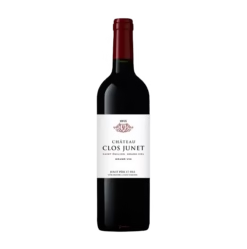
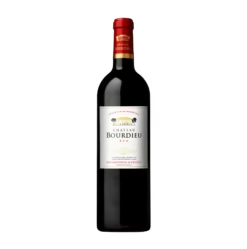
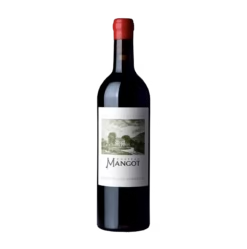
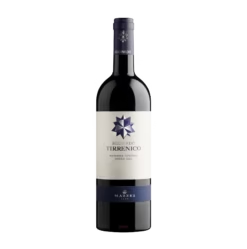
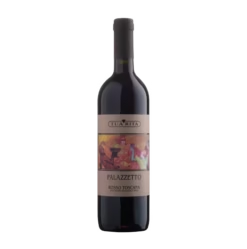
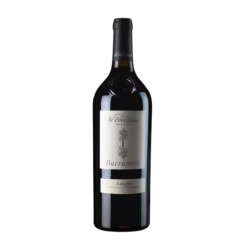
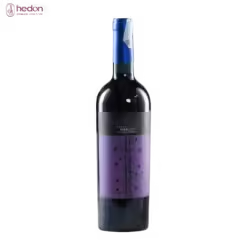
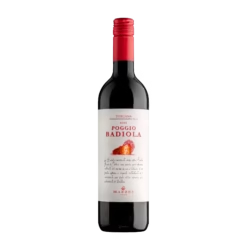
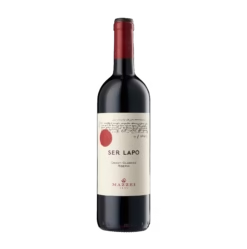
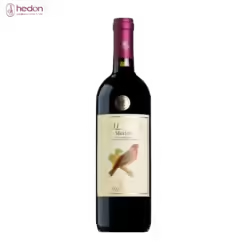
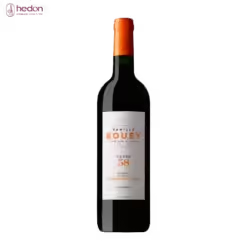
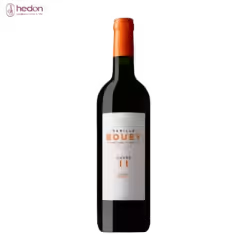
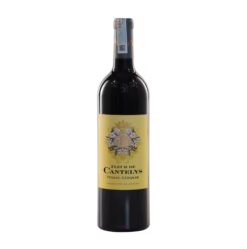
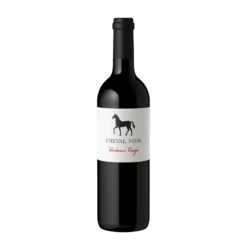
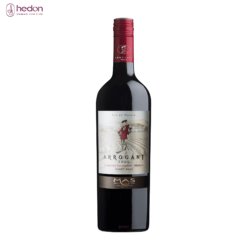
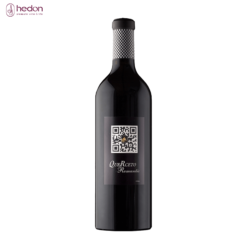
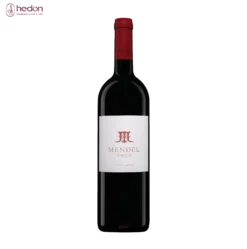
>>> Discover the finest Merlot wines at Hedon!
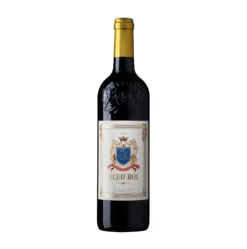
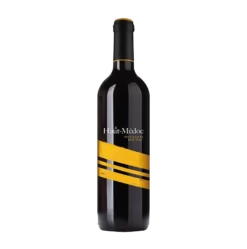
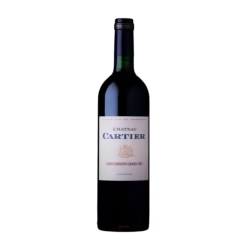
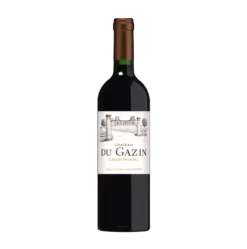
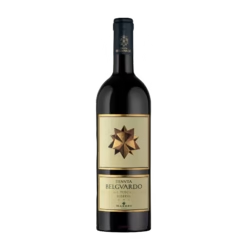
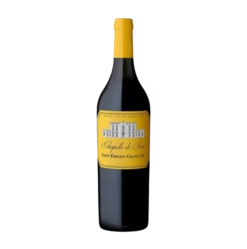

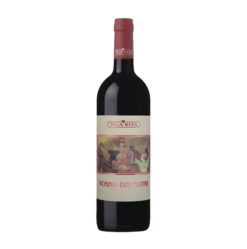
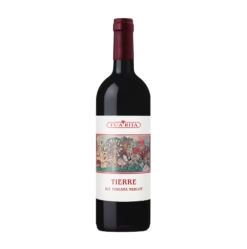






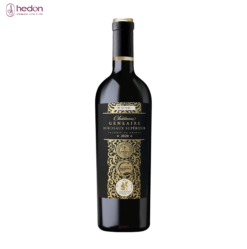
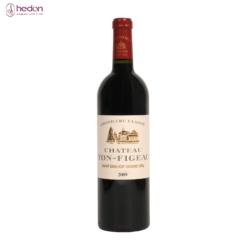
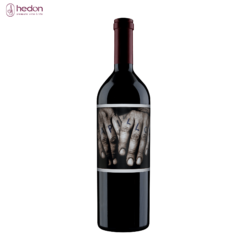
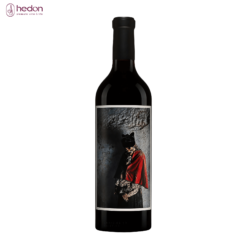
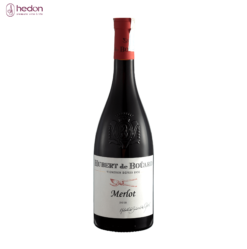
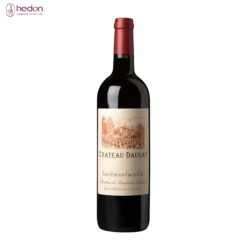
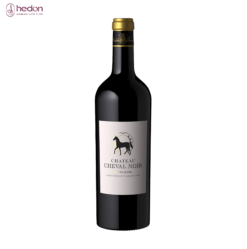

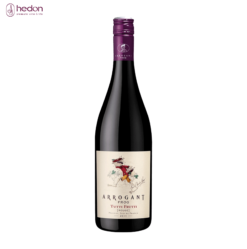
Choose Cabernet Sauvignon if:
- You do not like sweet wines or wines that are too light.
- You want to enjoy a bold and impressive red wine even without food pairing.
- You enjoy dry wines such as Oregon Chardonnay, Australian Shiraz or Tempranillo.
- You like wines with high tannins, intense flavor and a long finish.
- You are looking for a wine to enjoy indoors on cool evenings or during winter.
- You want to explore aged wines or wines with distinctive oak aromas.
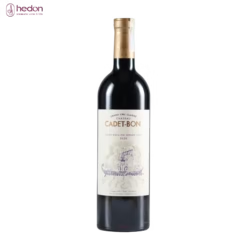
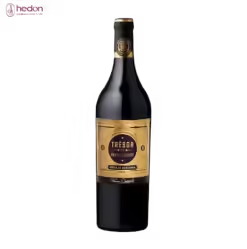
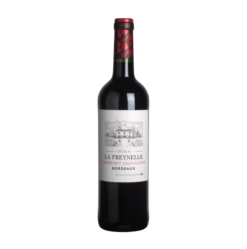
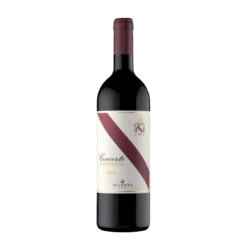
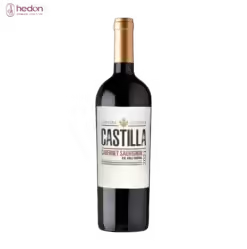
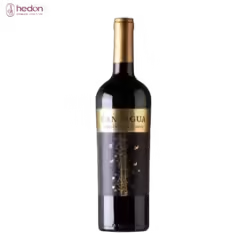
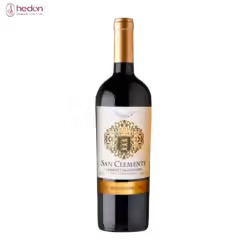
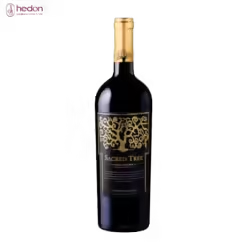
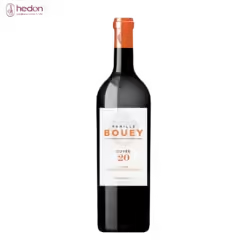
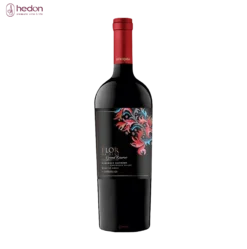
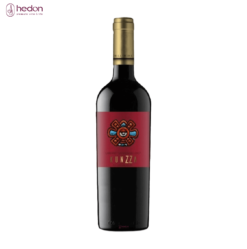
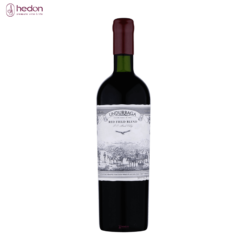
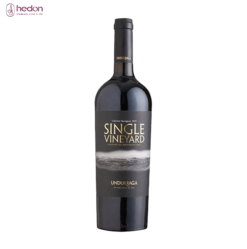
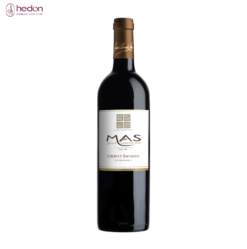
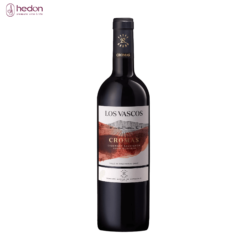
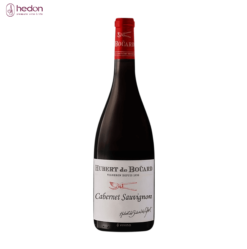
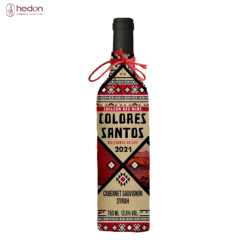
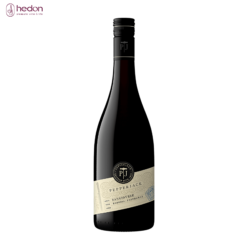
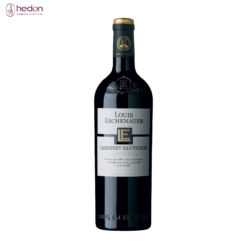
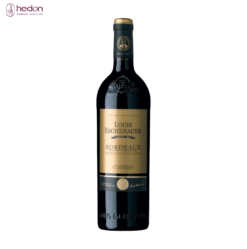
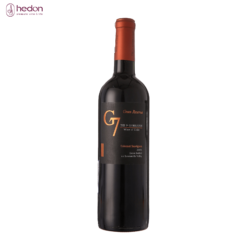
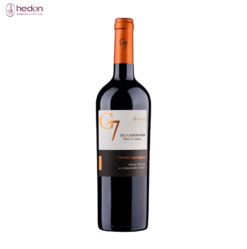
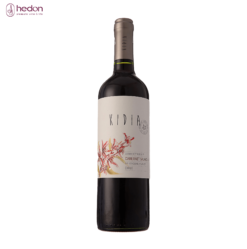
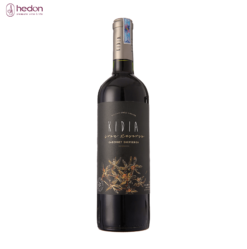
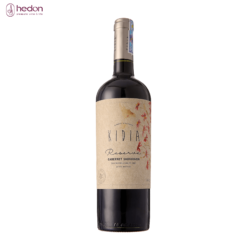
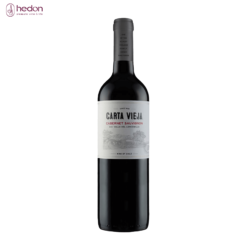
>>> View the Cabernet Sauvignon wine collection at Hedon now!

6. Frequently asked questions
- What are the signature flavors of Cabernet Sauvignon and Merlot?
Cabernet Sauvignon often has powerful flavors of dark fruits such as blackcurrant and blueberry, sometimes accompanied by bell pepper, oak and chocolate. Merlot offers smoother flavors of plum and cherry, with possible hints of vanilla or coffee depending on the aging process.
- Which wine is easier for beginners to drink?
Merlot is often recommended for beginners because of its smooth texture and fruity, approachable flavor compared with Cabernet Sauvignon.
- Is Cabernet Sauvignon always fuller-bodied than Merlot?
Yes, Cabernet Sauvignon is generally known for its power and fuller structure, while Merlot tends to be softer and smoother.
- Which wine tastes sweeter?
Both are dry wines, but Merlot often has more noticeable fruit aromas, which can remind drinkers of natural sweetness. Cabernet Sauvignon is more astringent due to its higher tannin level, while Merlot is softer and lower in tannins.
- Is Cabernet Sauvignon always more expensive than Merlot?
Not necessarily. Price depends on the production region and winemaking process. However, Cabernet Sauvignon from famous producers may be more expensive than Merlot.
- Which wine is more suitable as a gift?
Both Merlot and Cabernet Sauvignon are good gift choices, but Merlot tends to suit a wider range of palates, while Cabernet Sauvignon is better for those who enjoy bold red wines.
- Can Cabernet Sauvignon and Merlot be blended together?
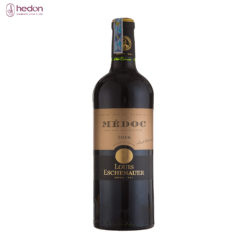
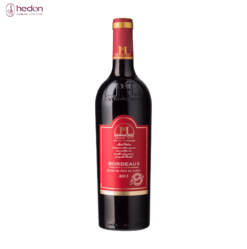
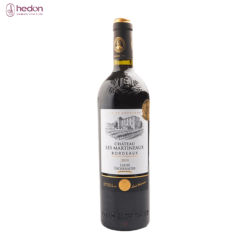
Absolutely! In fact, many famous Bordeaux wines are blends of Cabernet Sauvignon and Merlot, creating balanced and richly layered flavors.
If you are still unsure whether to choose Cabernet Sauvignon or Merlot, or perhaps a blend of both, for a special occasion, feel free to contact Hedon. Our wine experts are always ready to recommend the most suitable choice based on your style and budget!